One of the 7 starfish on WAnimals
Starfish · Forcipulatida · Asteriidae
Ochre Stars
Pisaster ochraceus
It has not yet been assessed against the IUCN criteria. See full glossary
The ochre star is an asteroid echinoderm of the family Asteriidae. It is a common starfish of the Pacific coast of North America.
Size
up to 50 cm
Lifespan
20 years
Diet
Carnivore
Feeds mainly on other animals.
Social structure
Solitary
Lives and hunts alone, joining others only to breed.
Sighting difficulty
Unknown
Fun facts
- ecologíaIt is a keystone predator: removing it experimentally from a stretch of shore caused a documented collapse in local biodiversity, and the whole ecological concept was described from that work.
- It is the species that gave rise to the concept of a keystone species. In 1966 Robert Paine removed every one of these sea stars from a stretch of Washington coast and watched what happened: mussels took over the rock and diversity collapsed from fifteen species to eight.
- That experiment changed ecology: it showed that a single predator can sustain the diversity of an entire community, and the term keystone species is now used worldwide.
- It feeds mainly on mussels. It opens them by pulling the valves apart with its tube feet, pushes its stomach out through its mouth and inserts it through a gap less than a millimetre wide to digest the prey inside its own shell.
- It has also suffered wasting syndrome, although it has recovered better than the sunflower sea star.
- Its colour varies between ochre, orange and purple, and depends not on genetics but largely on diet.
Life cycle & biology
- Skeleton type
- Invertebrate - internal calcareous endoskeleton made of plates (ossicles)
- Habitat & environment
- Wave-beaten rocks of the mid-intertidal of the north-eastern Pacific, from Alaska to Baja California; it withstands hours out of the water
Sources consulted: https://es.wikipedia.org/wiki/Pisaster_ochraceus
Where to watch it
Parques y spots de buceo donde se ha documentado esta especie — se muestran 20 de 22 documentados.
Related species
Other species in the catalogue with the most in common with Ochre Stars — same habitat, park, country, tags or family.
Sunflower Sea Star
Pycnopodia helianthoides
 Vulnerable
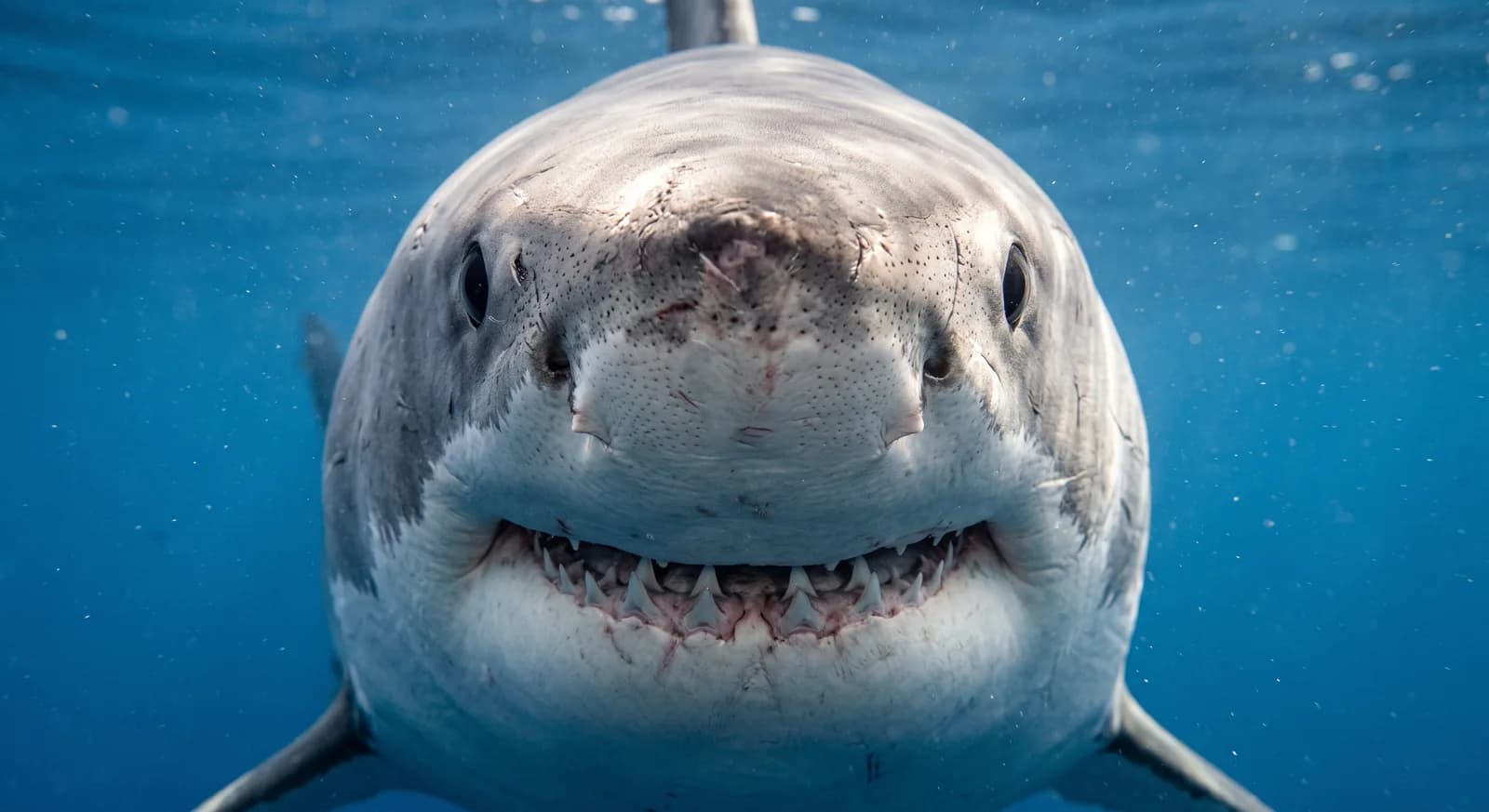
Great White Shark
Carcharodon carcharias
 Least Concern
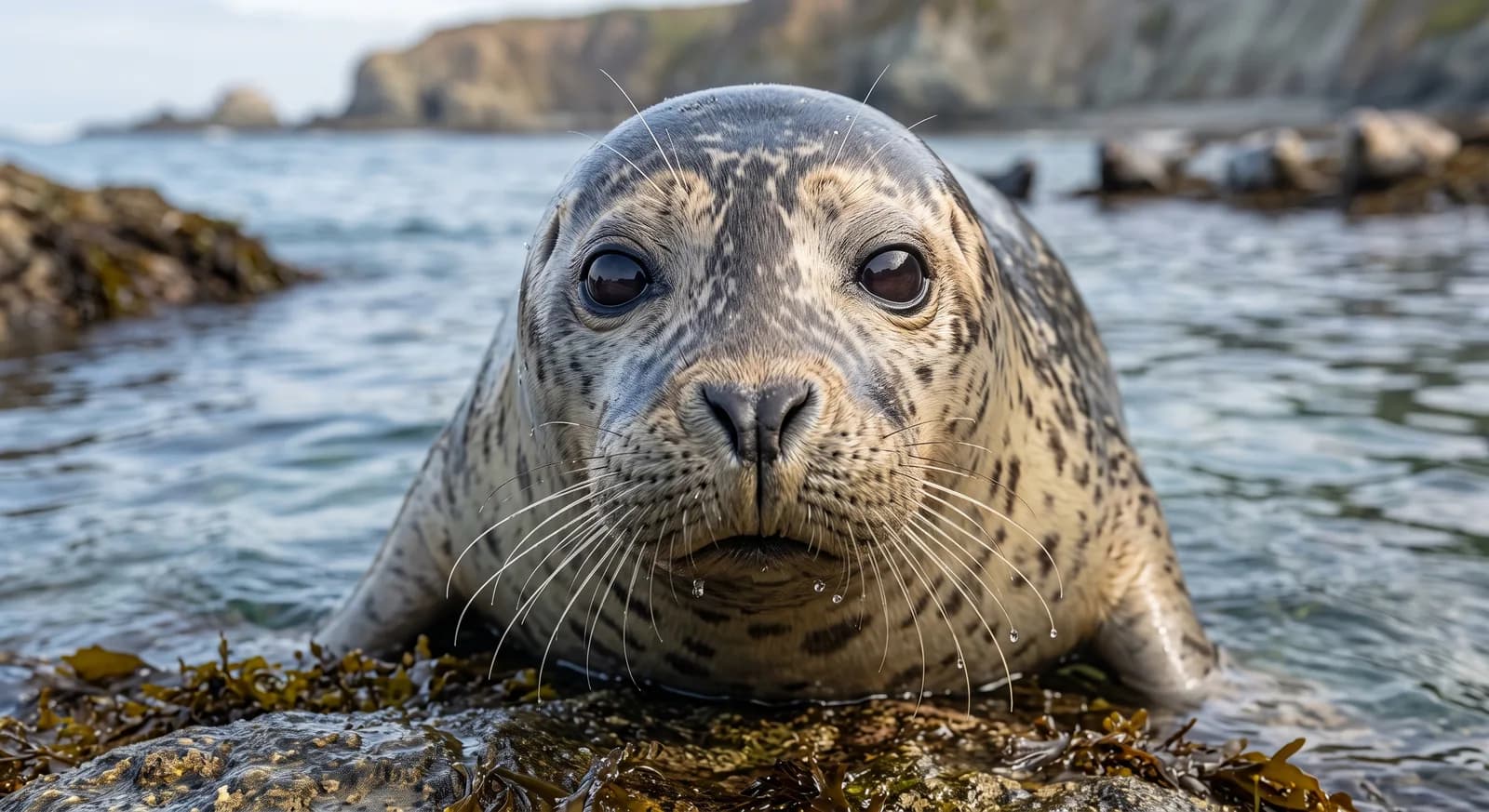
Harbor Seal
Phoca vitulina
Shortfin Mako
Isurus oxyrinchus
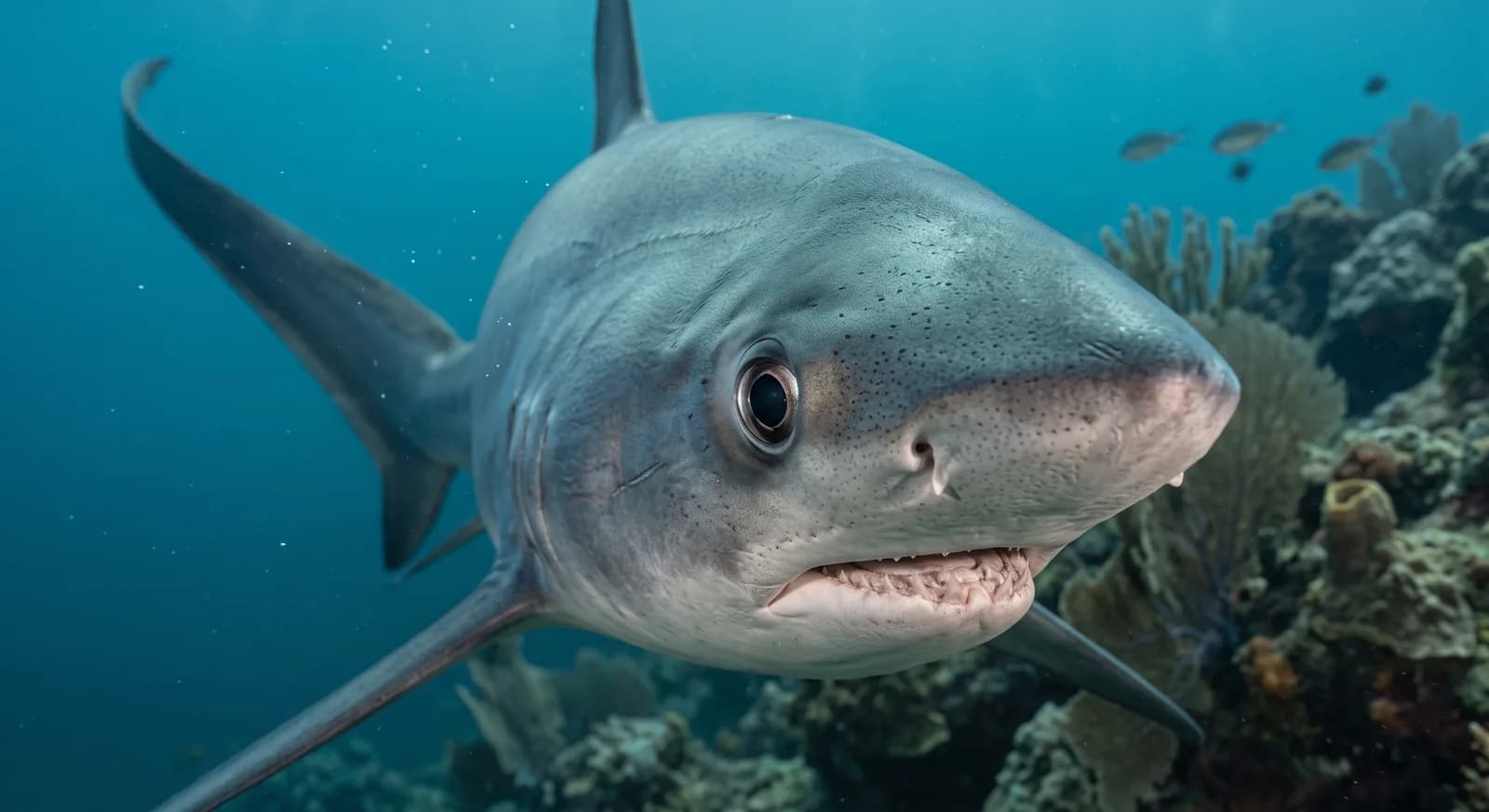 Vulnerable
Grayfish
Alopias vulpinus
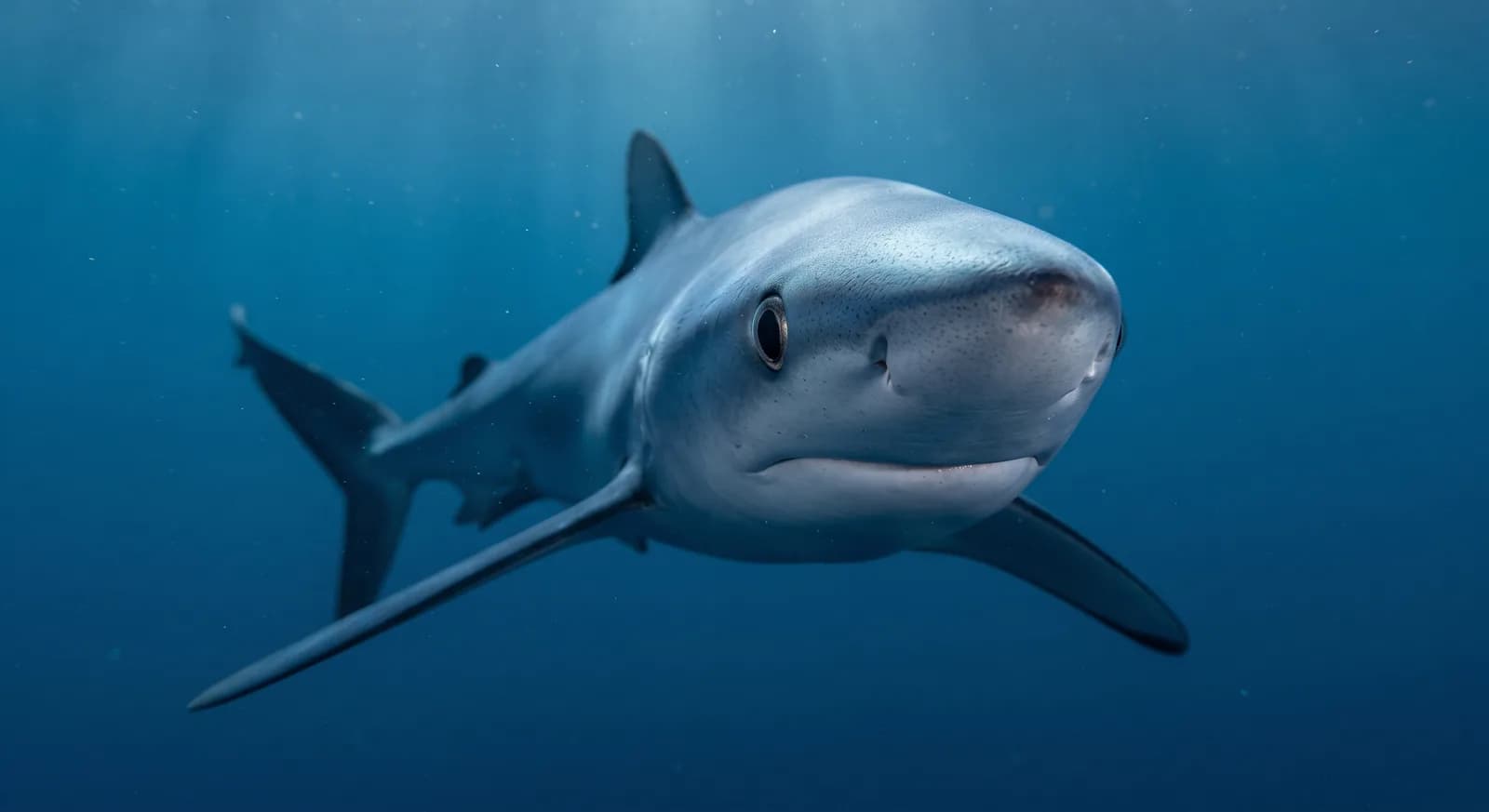 Near Threatened
Blue Shark
Prionace glauca
Keep exploring
Based on what we already know about ochre stars.
Comments
Share an experience, a fun fact or a tip for seeing the ochre stars.
Be the first to comment.