Gastropods · Vetigastropoda · Haliotidae
Red Abalone
Haliotis rufescens
It faces an extremely high risk of imminent extinction in the wild. See full glossary
Haliotis rufescens is a large marine snail of the family Haliotidae, which comprises the animals known as abalones, ormer shells or pāua in Māori.
Size
up to 31 cm
Lifespan
20 years
Diet
Herbivore
Feeds mainly on plants.
Social structure
Solitary
Lives and hunts alone, joining others only to breed.
Sighting difficulty
Very hard
Fun facts
- It is the largest abalone in the world: its shell reaches 31 cm.
- People have used it for millennia. At sites on California's Channel Islands, shells have been dated to between 11,500 and 12,000 years old, and they are abundant in Chumash shell middens from 7,500 to 3,300 years ago.
- The Californian commercial fishery peaked in the 1950s and 1960s and closed in 1997; the recreational one held on until 2017 or 2018.
- Its closure was not down to overfishing alone: a marine heatwave set off a chain reaction — the disappearance of the sea stars, an explosion of purple urchins, the collapse of the kelp forest — that left the abalone without food.
- It is also affected by withering syndrome, caused by a rickettsia-like bacterium that attacks the digestive system and makes the foot waste away until the animal can no longer grip the rock.
- The export of infected red abalone from California has carried that disease to Iceland, Ireland, Chile, China, Israel and Japan.
Life cycle & biology
- Habitat & environment
- Kelp-forest rock in the low intertidal and subtidal of California and Baja California, down to about 180 m; it clamps onto the rock with its foot and feeds on the drifting kelp it catches
Sources consulted: https://es.wikipedia.org/wiki/Haliotis_rufescens
Where to watch it
Parks and dive sites where this species has been documented.
Related species
Other species in the catalogue with the most in common with Red Abalone — same habitat, park, country, tags or family.
California Seahare
Aplysia californica
 Least Concern
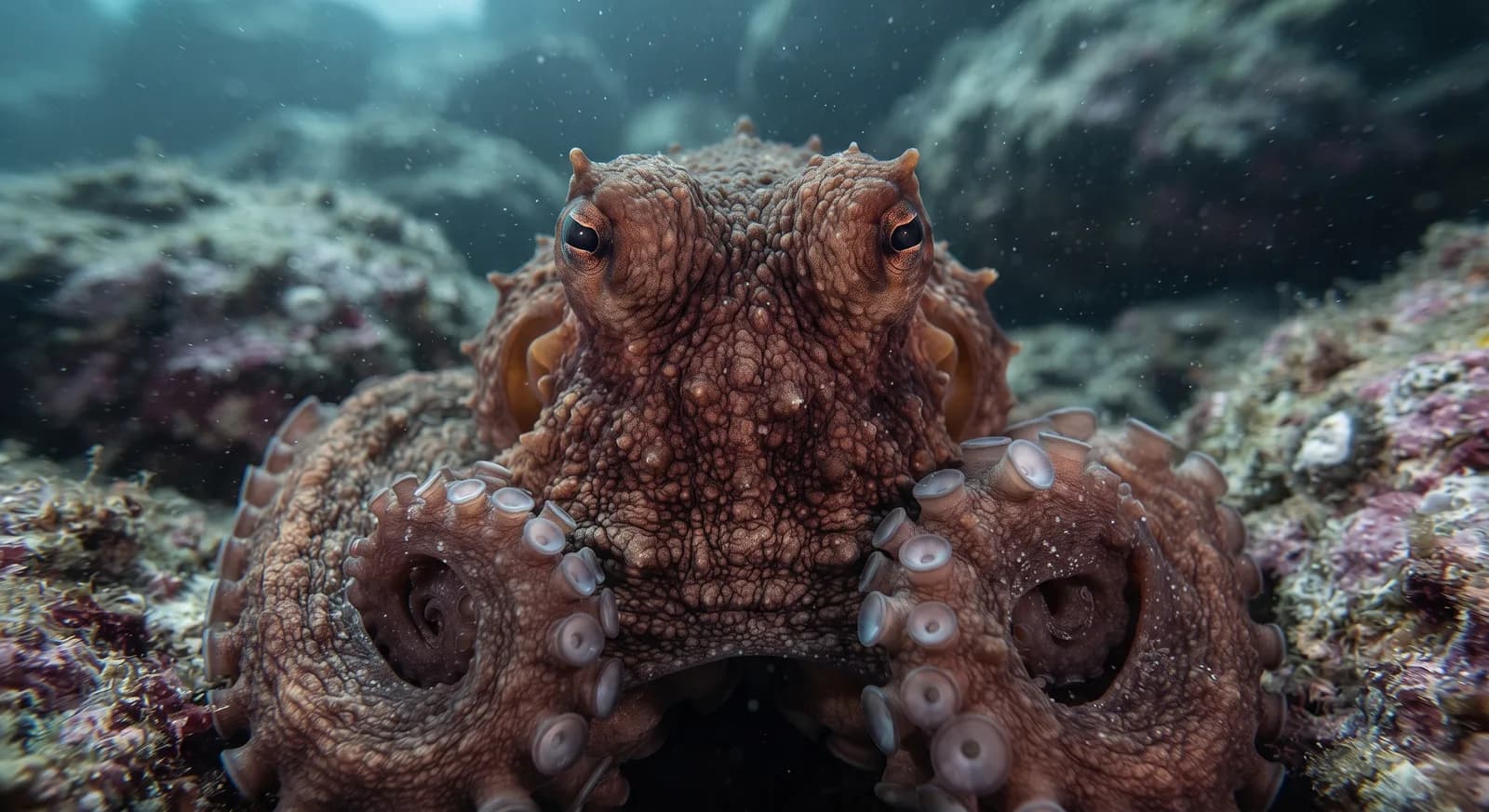
Giant Pacific Octopus
Enteroctopus dofleini
 Vulnerable
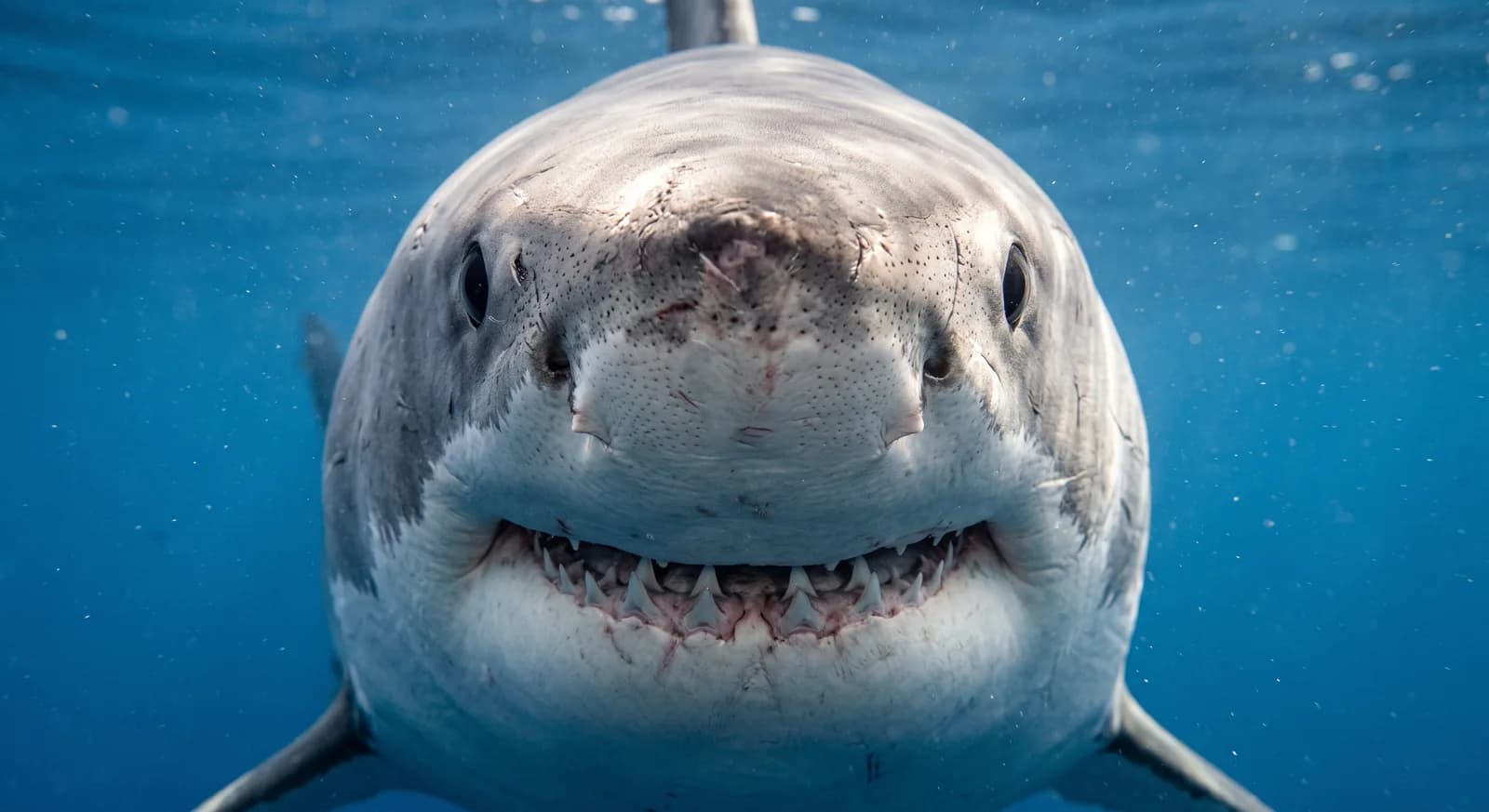
Great White Shark
Carcharodon carcharias
 Least Concern
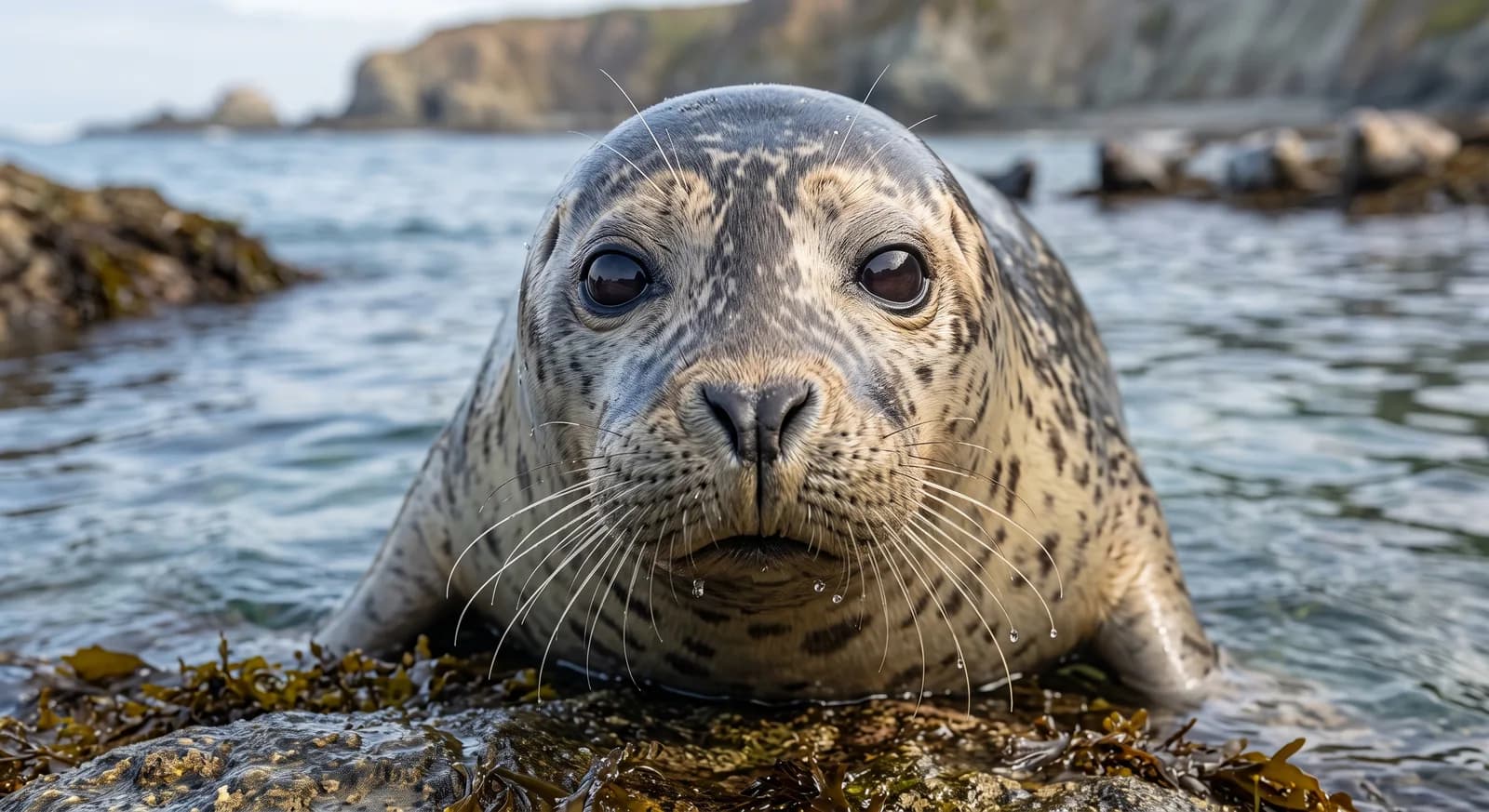
Harbor Seal
Phoca vitulina
 Endangered
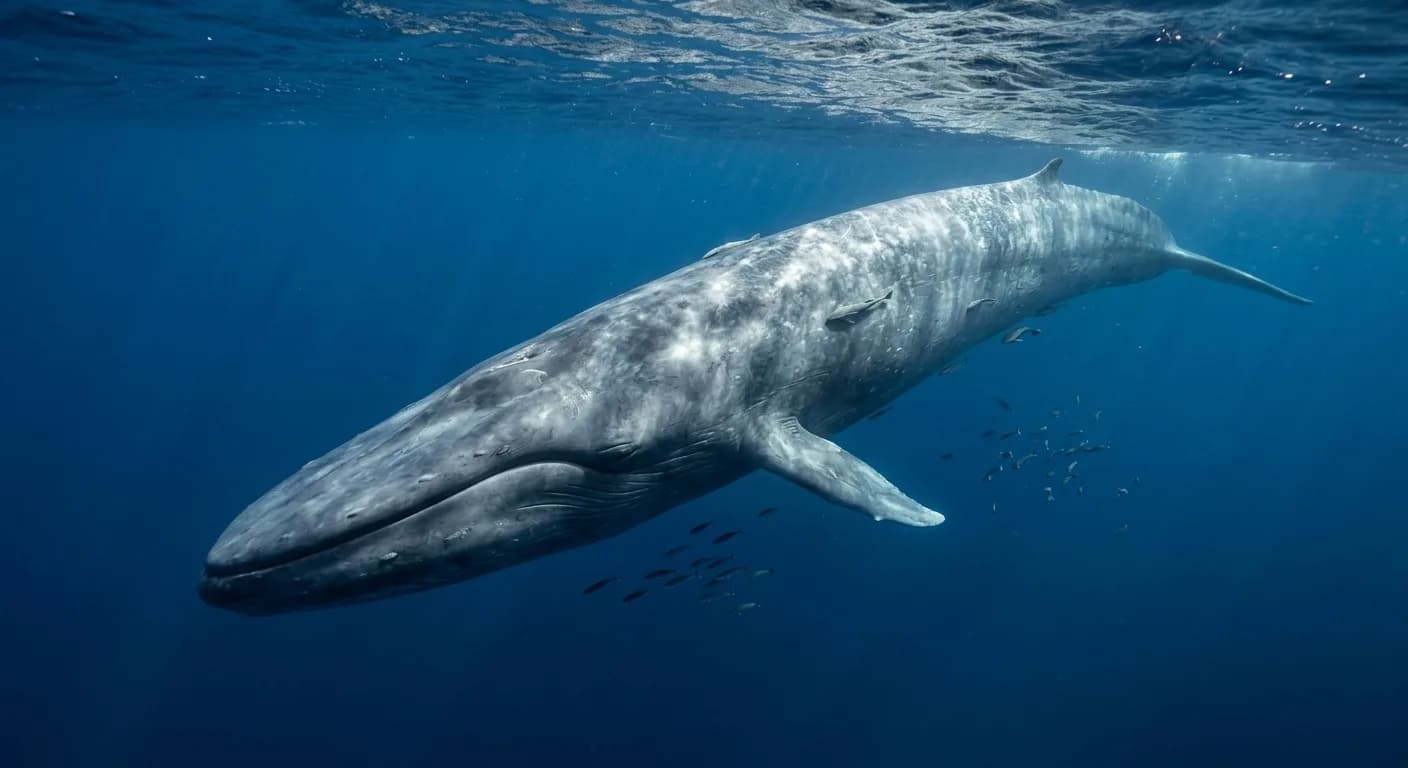
Blue Whale
Balaenoptera musculus
How to help
The red abalone is classified as critically endangered. Organizations such as UICN, WWF y Wildlife Conservation Society work specifically on its conservation and that of its habitat; looking into their programs is a good starting point if you want to get involved.
It's documented in 4 real protected areas — part of why protecting these places matters for its conservation.
Keep exploring
Based on what we already know about red abalone.
Comments
Share an experience, a fun fact or a tip for seeing the red abalone.
Be the first to comment.