One of the 4 rorquals on WAnimals
Mammals · Artiodactyla · Balaenopteridae
Bryde's Whale
Balaenoptera edeni
The species is abundant and widely distributed; it faces no significant short-term risk. See full glossary
Bryde's whale is the only large rorqual that lives all year in warm water, without the great seasonal migrations of its relatives. It is told from the others by three longitudinal ridges on the top of its head, rather than a single one. It feeds on shoaling fish and krill, lunging sideways through the shoals. It largely escaped commercial whaling because of its intermediate size, though it was exploited once the larger species became scarce.
Weight
12 t – 25 t
Size
11.5 m – 15.5 m
Lifespan
50 years
Diet
Carnivore
Feeds mainly on other animals.
Activity
Irregular activity
Active at irregular times, by day or night depending on circumstances.
Social structure
Solitary
Lives and hunts alone, joining others only to breed.
Sighting difficulty
Easy
Fun facts
- comportamientoUnlike most rorquals it makes no great seasonal migration to the poles, staying all year in warm and temperate water.
- It is the only large rorqual that does not migrate: it lives all year in warm water, and can therefore breed in any season rather than following the rigid calendar of its polar relatives.
- It has three parallel ridges on its rostrum, while all other rorquals have just one: it is the feature that allows it to be identified with certainty at sea.
Life cycle & biology
- Skeleton type
- Vertebrate - internal bony skeleton (mammal)
- Habitat & environment
- Tropical and subtropical waters of every ocean, at temperatures above 16 degrees
- Birth weight
- Around 900 kg
- Size at birth
- About 3.5-4 m long at birth
- Sexual maturity
- 8.5 years
- Gestation / incubation
- 12.4 months
- Litter / clutch size
- 1
Sources consulted: https://es.wikipedia.org/wiki/Balaenoptera_edeni
Where to find it
See its range on the interactive mapBest time: All year round in warm and temperate waters: unlike other rorquals it does not migrate to the poles, so in the Gulf of Thailand or off South Africa it can be seen in any season.
Where to watch it
Parques y spots de buceo donde se ha documentado esta especie — se muestran 20 de 55 documentados.
Related species
Other species in the catalogue with the most in common with Bryde's Whale — same habitat, park, country, tags or family.
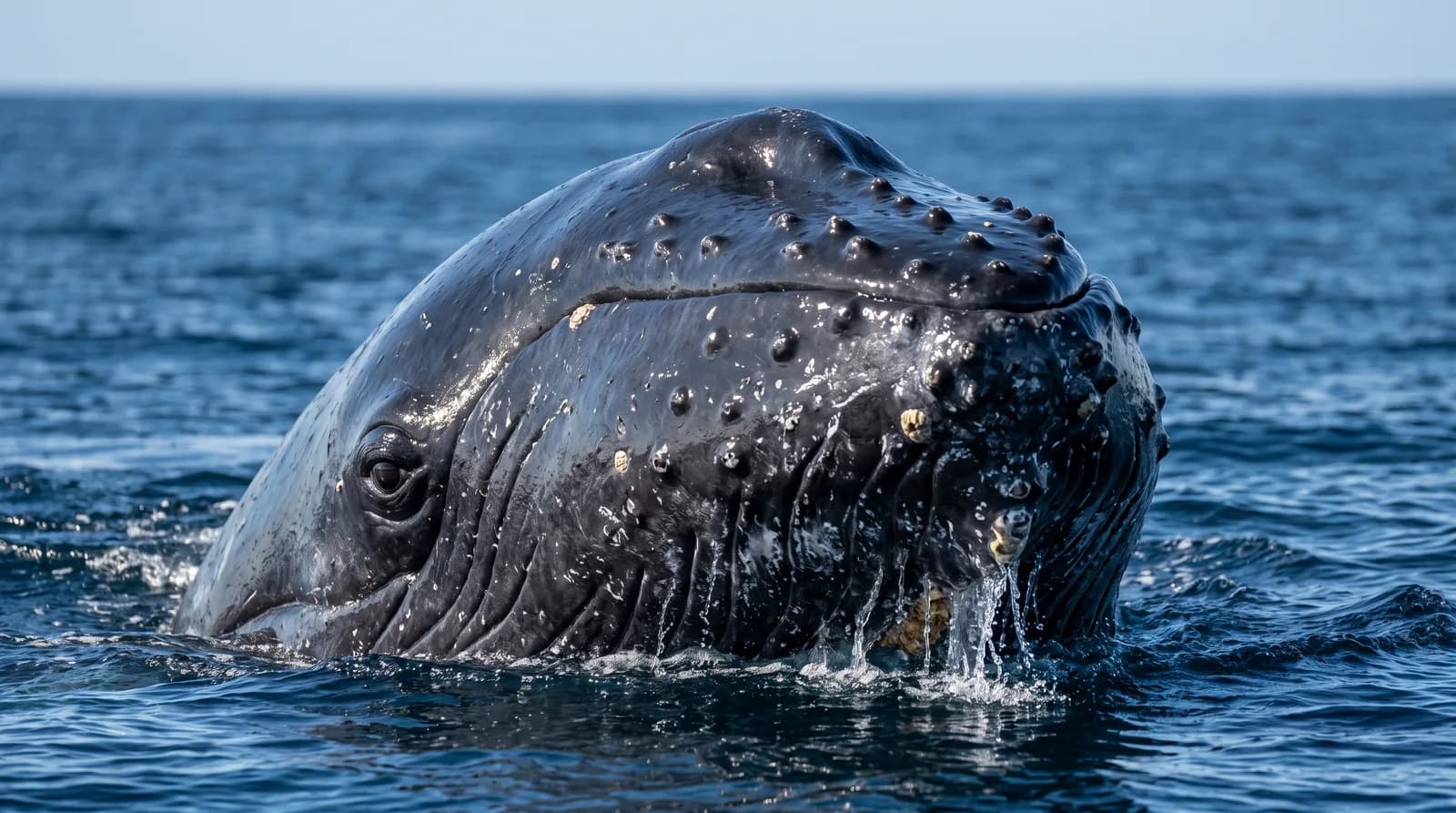 Least Concern
Humpback Whale
Megaptera novaeangliae
Minke Whale
Balaenoptera acutorostrata
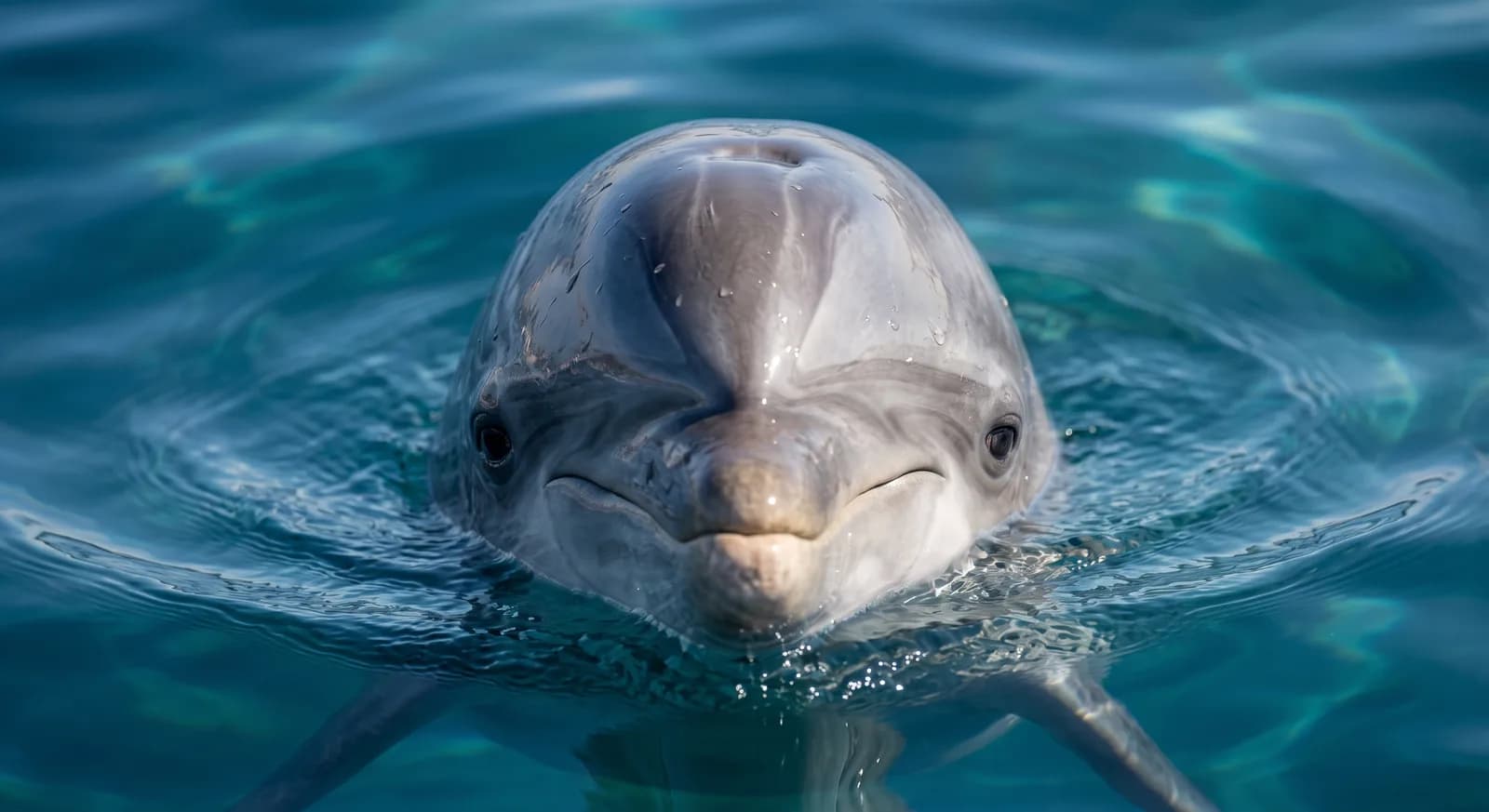 Least Concern
Bottlenose Dolphin
Tursiops truncatus
Yellow-bellied Sea Snake
Hydrophis platurus
Cuvier's Beaked Whale
Ziphius cavirostris
Baird's Beaked Whale
Berardius bairdii
Keep exploring
Based on what we already know about bryde's whale.
Comments
Share an experience, a fun fact or a tip for seeing the bryde's whale.
Be the first to comment.