National Nature ReserveUNESCO World HeritageBiosphere Reserve
Wolong (Giant Panda National Park)
East Asia (Sichuan)Designated in 19632,000 km²
China's oldest, largest and best-known giant panda reserve, home to the world's first captive breeding centre
Area
2,000 km²
Protection category
IUCN IV
Área de gestión de hábitats o especies —
Designated in
1963
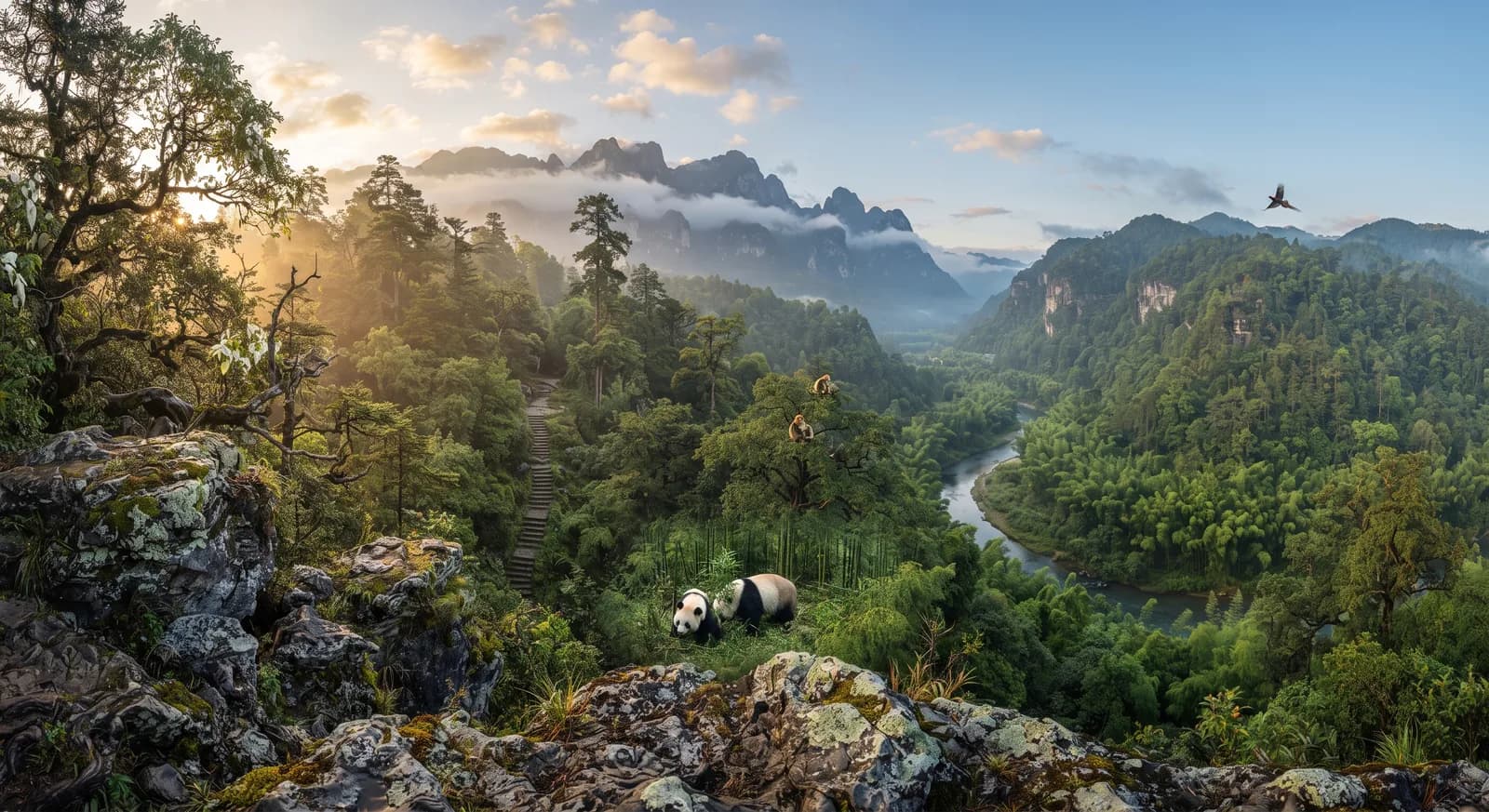
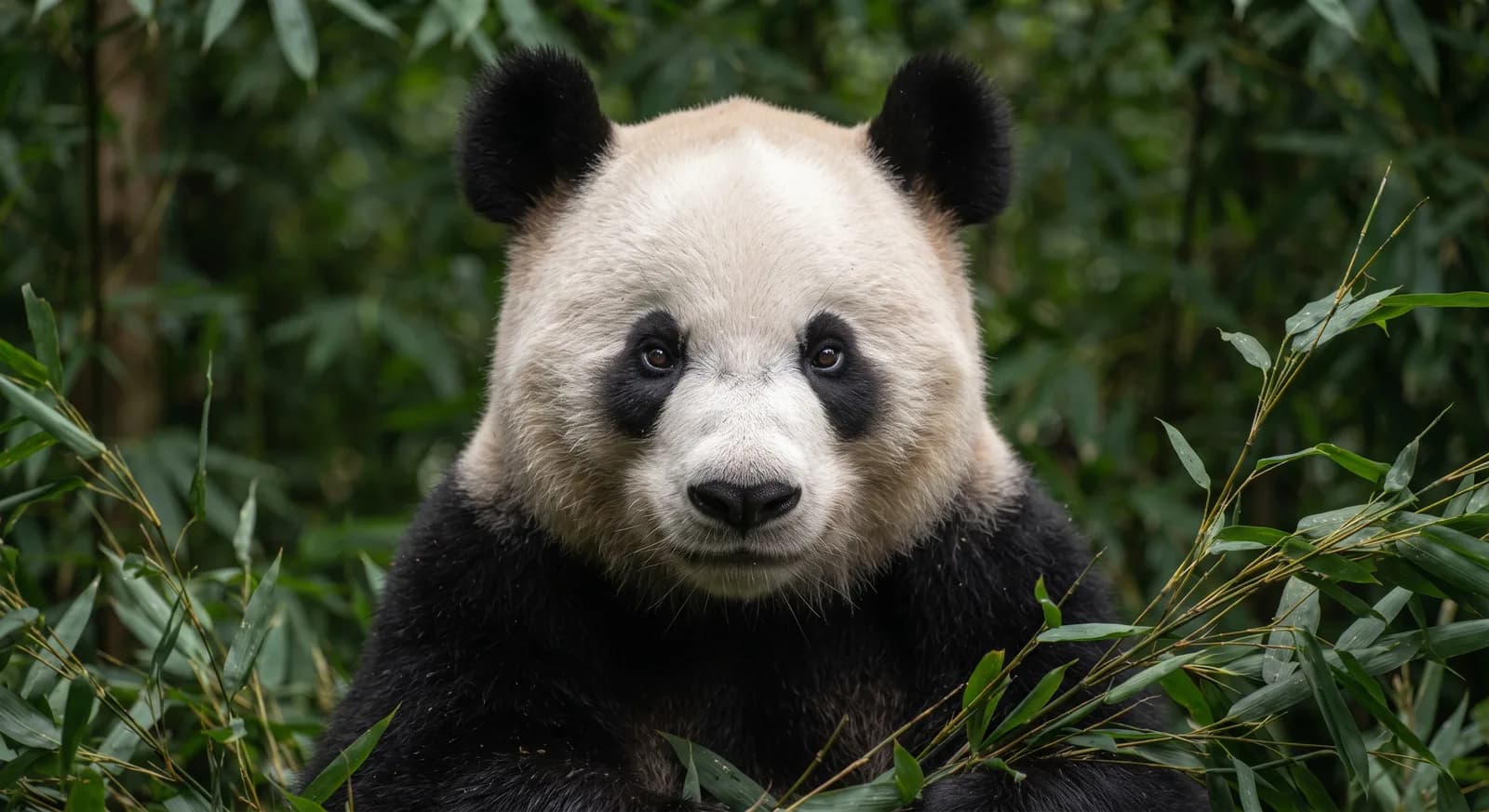
Established in 1963, it is the oldest, largest and most celebrated giant panda reserve in China, and in 1980 became the first Chinese reserve admitted to UNESCO's World Network of Biosphere Reserves. In 1983 the China Conservation and Research Centre for the Giant Panda was founded here, a world pioneer in captive breeding of a species then listed as endangered. The devastating Sichuan earthquake of 2008 (magnitude 7.9) badly damaged the original facilities, forcing the breeding programme to move to new bases such as Shenshuping; since then, and thanks to that sustained work, the giant panda was moved in 2016 from endangered to vulnerable on the IUCN Red List, one of the great species conservation successes of the 21st century. It now forms part of the wider Giant Panda National Park, created in 2021 to knit dozens of scattered reserves into one continuous corridor.
Location
Loading map…
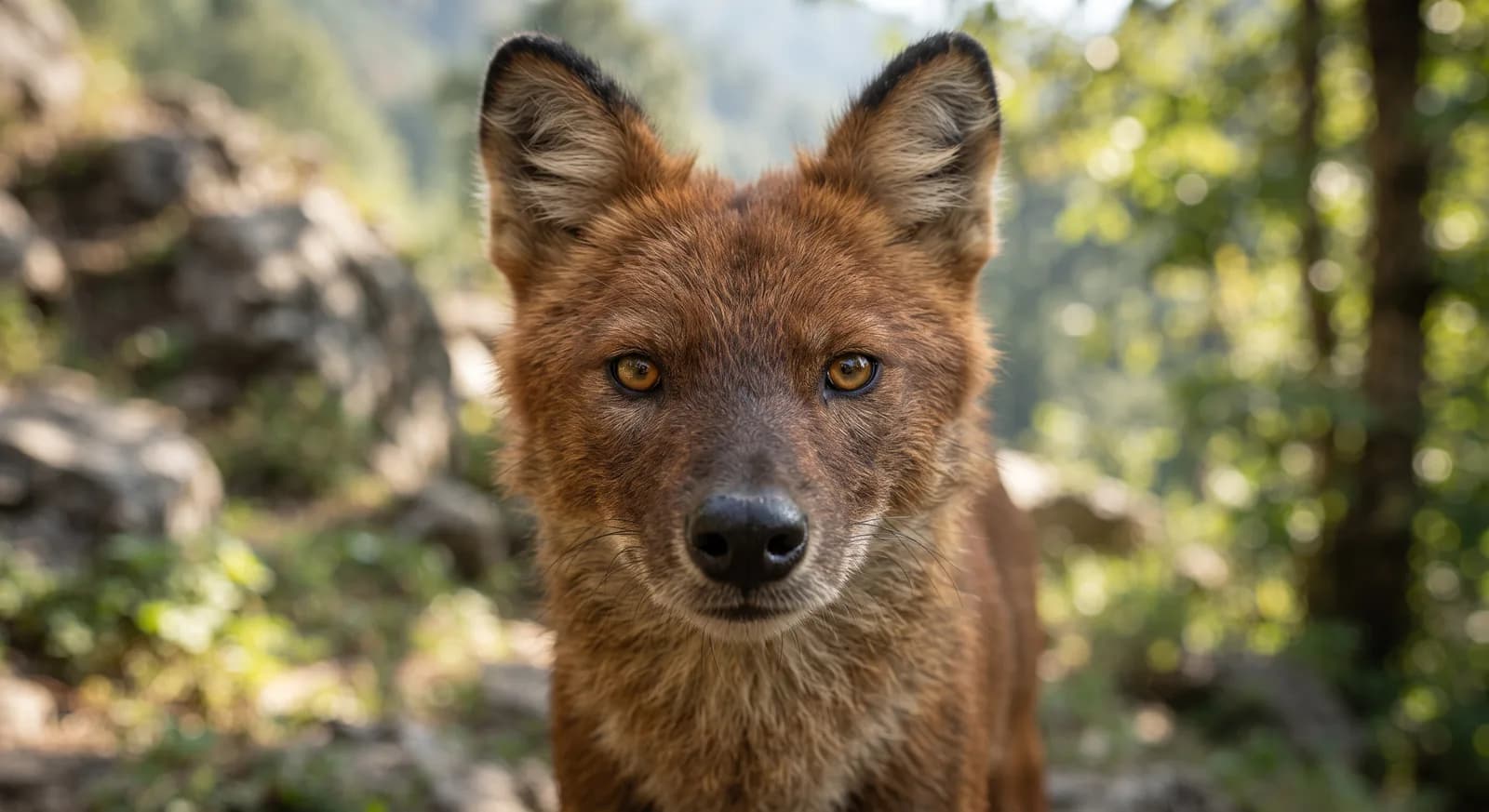
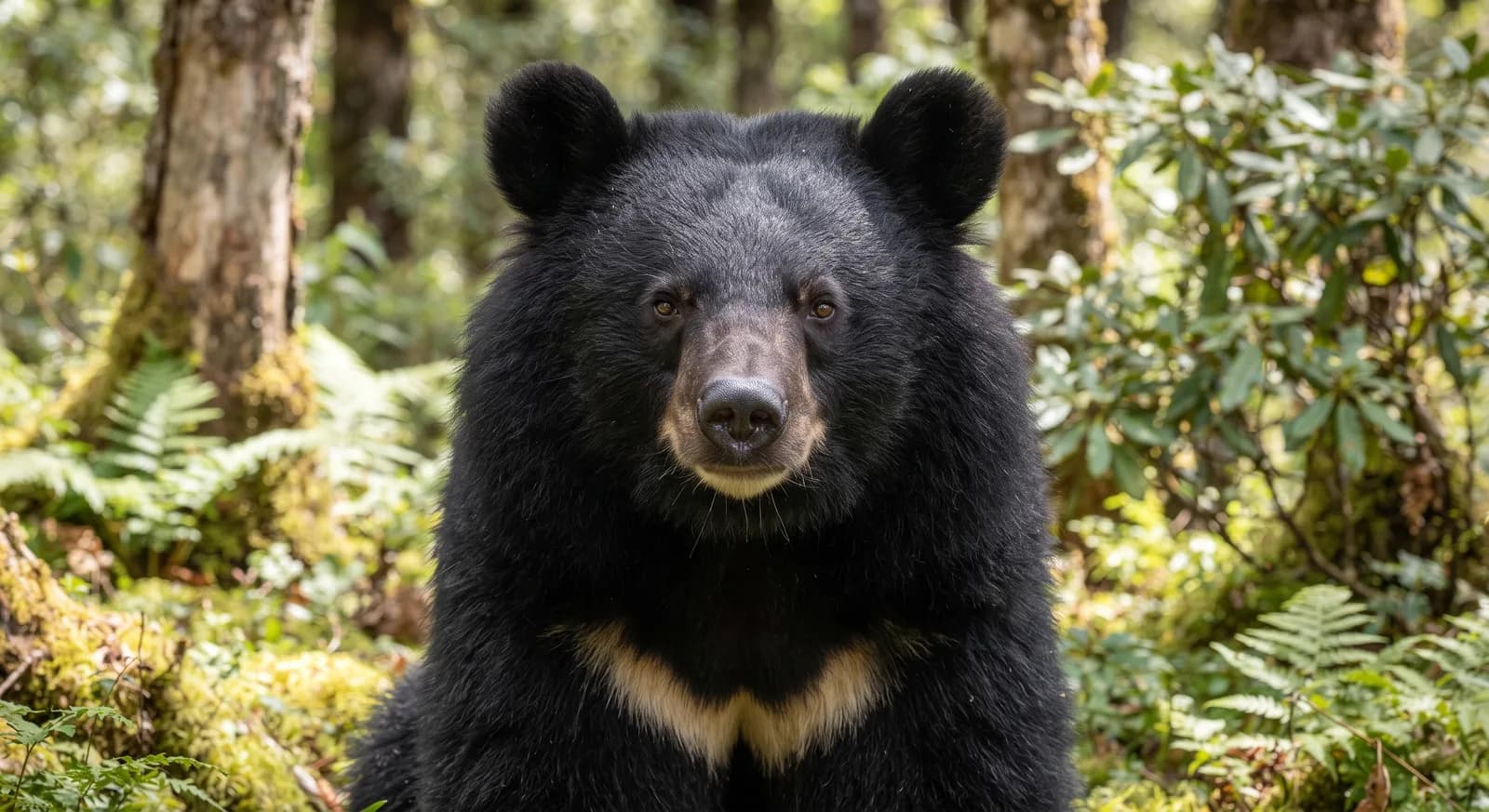
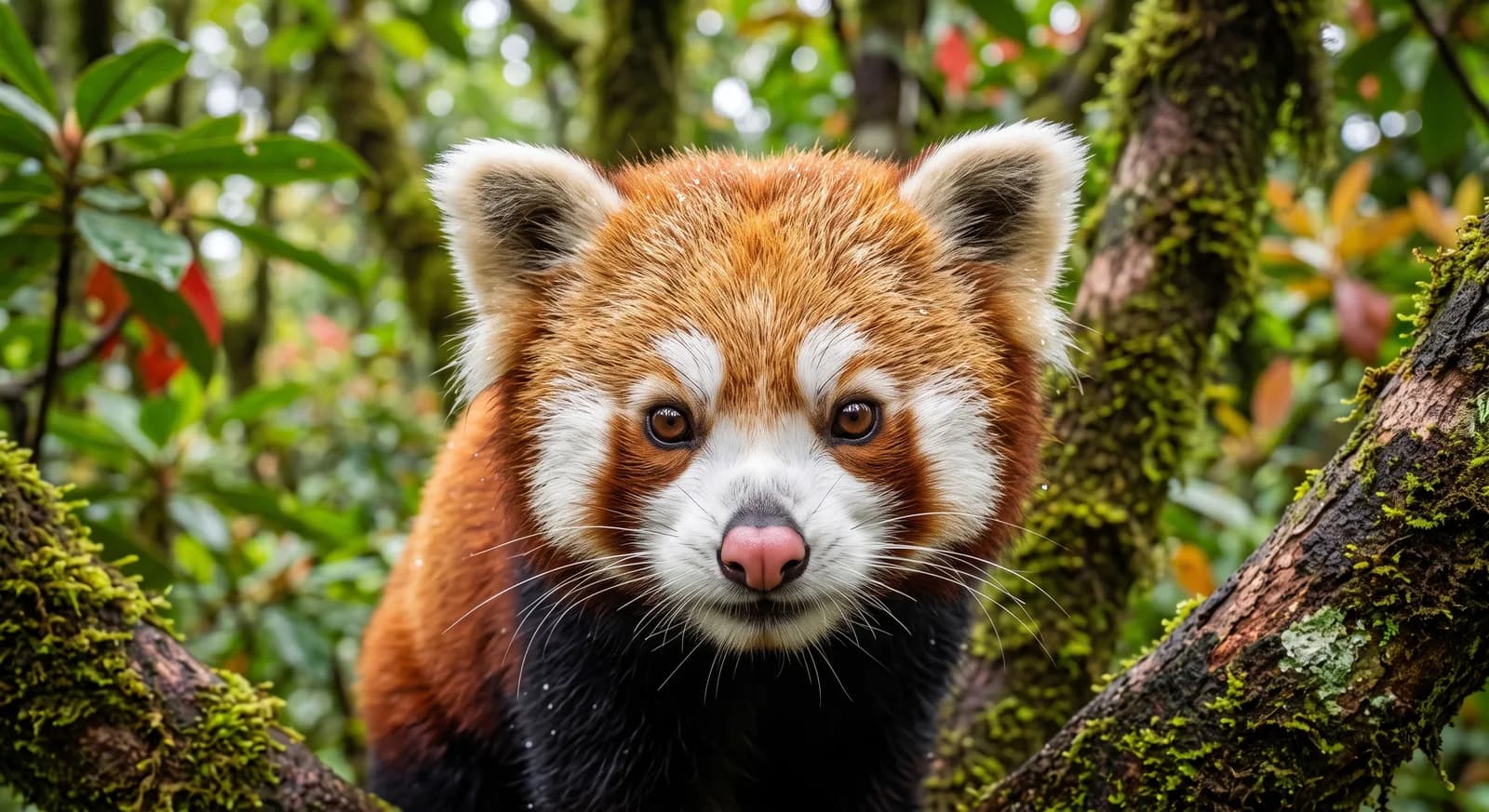
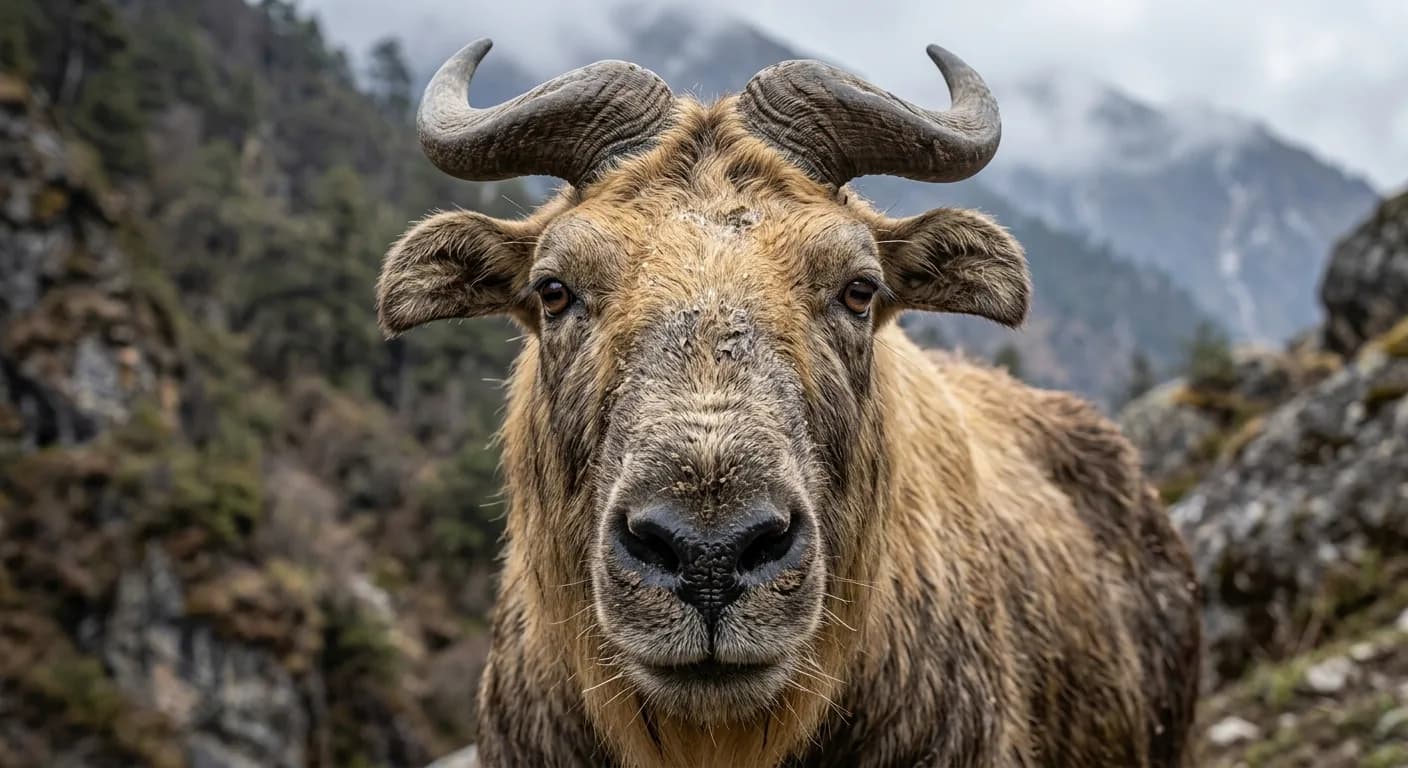
Wolong (Giant Panda National Park): 7 documented species
Mammals6Birds1
Threatened:,,,,,
Endemic species of China:
Flora and ecosystems
Ecosystems found in China, where Wolong (Giant Panda National Park) lies.
Tropical rainforestDesertTemperate forestMarine / coastal
Experiences in this park
HikingBirdwatching
Similar parks
Which other parks are like this one?
Same country: China
Same country: China
Same country: China
Same country: China
Keep exploring
Based on what we already know about this park.

 China