Volcanes de Hawái
United States · North AmericaTwo of the most active volcanoes on the planet, Kīlauea and Mauna Loa, in a landscape that is constantly remaking itself.
Area
1,348 km²
Declared in
1916
Region
North America
Climate
Tropical, Árido / desértico, Templado, Mediterráneo, Polar / frío
Best time
It depends on the region
Highlight
Active volcanism of Kīlauea and Mauna Loa
Hawaii Volcanoes National Park was established in 1916 on the island of Hawaii and protects some 1,348 km² that include two of the most active volcanoes in the world: Kīlauea and Mauna Loa, the latter the largest volcano by volume on the planet. UNESCO inscribed it on the World Heritage List in 1987 as a natural property.
It is a place where geology happens in plain sight. Kīlauea has been in almost continuous eruption for long periods, and the park allows active flows, recent lava fields, lava tubes, fumaroles and the Halemaʻumaʻu caldera to be observed. In 2018 a major eruption caused the partial collapse of that caldera and forced much of the park to close, permanently altering its topography and its infrastructure.
That dynamism allows ecological succession to be studied from scratch: on bare lava, lichens and ferns settle first, then the ʻōhiʻa lehua, and finally Hawaiian wet forest. The fauna is that of an isolated oceanic archipelago, with extremely high endemism and enormous vulnerability: the nēnē or Hawaiian goose, recovered from some thirty birds in the 1950s, the Hawaiian petrel that breeds on the upper slopes, and the archipelago's only native land mammal, the Hawaiian hoary bat. Kīlauea is also the dwelling place of Pele, the Hawaiian volcano deity, and the park preserves petroglyphs and ceremonial sites of great importance.
Location
See on the interactive map3 dive sites within 300 km are also shown.
Notable wildlife in Volcanes de Hawái
Flora and ecosystems
Ecosystems found in United States, where Volcanes de Hawái lies.
Experiences in this park
Nearby dive sites
Where can I dive near here?
Kona (buceo nocturno con mantarrayas)
89 km away
Molokini Crater
194 km away
Cathedrals (Lanai)
241 km away
Wildlife you can see now
What is worth watching this month in United States?
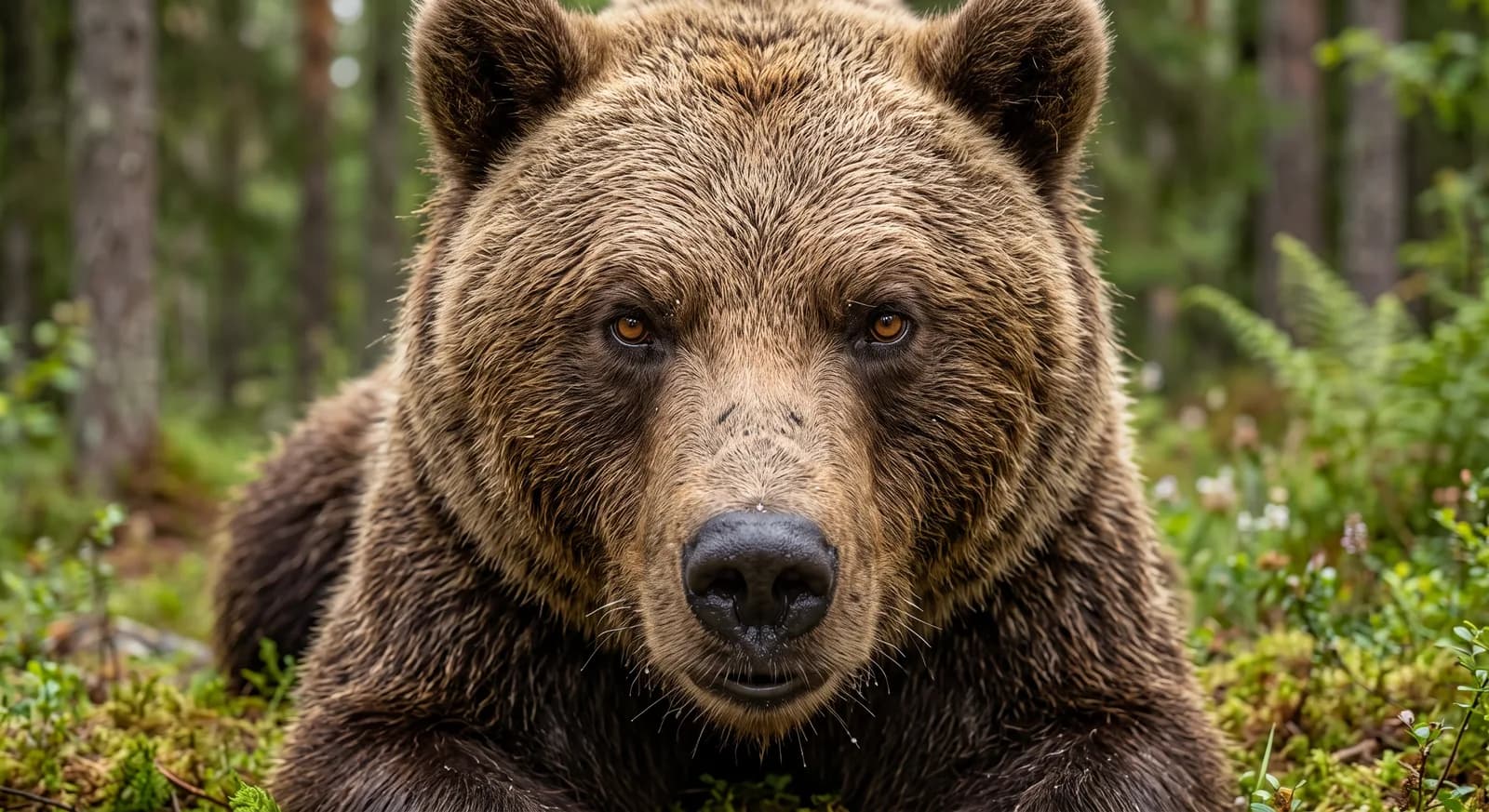 Least Concern
Brown Bear
Ursus arctos
Ahora es buena época: Osos pardos pescando salmón en Brooks Falls (Junio a septiembre (pico en julio))
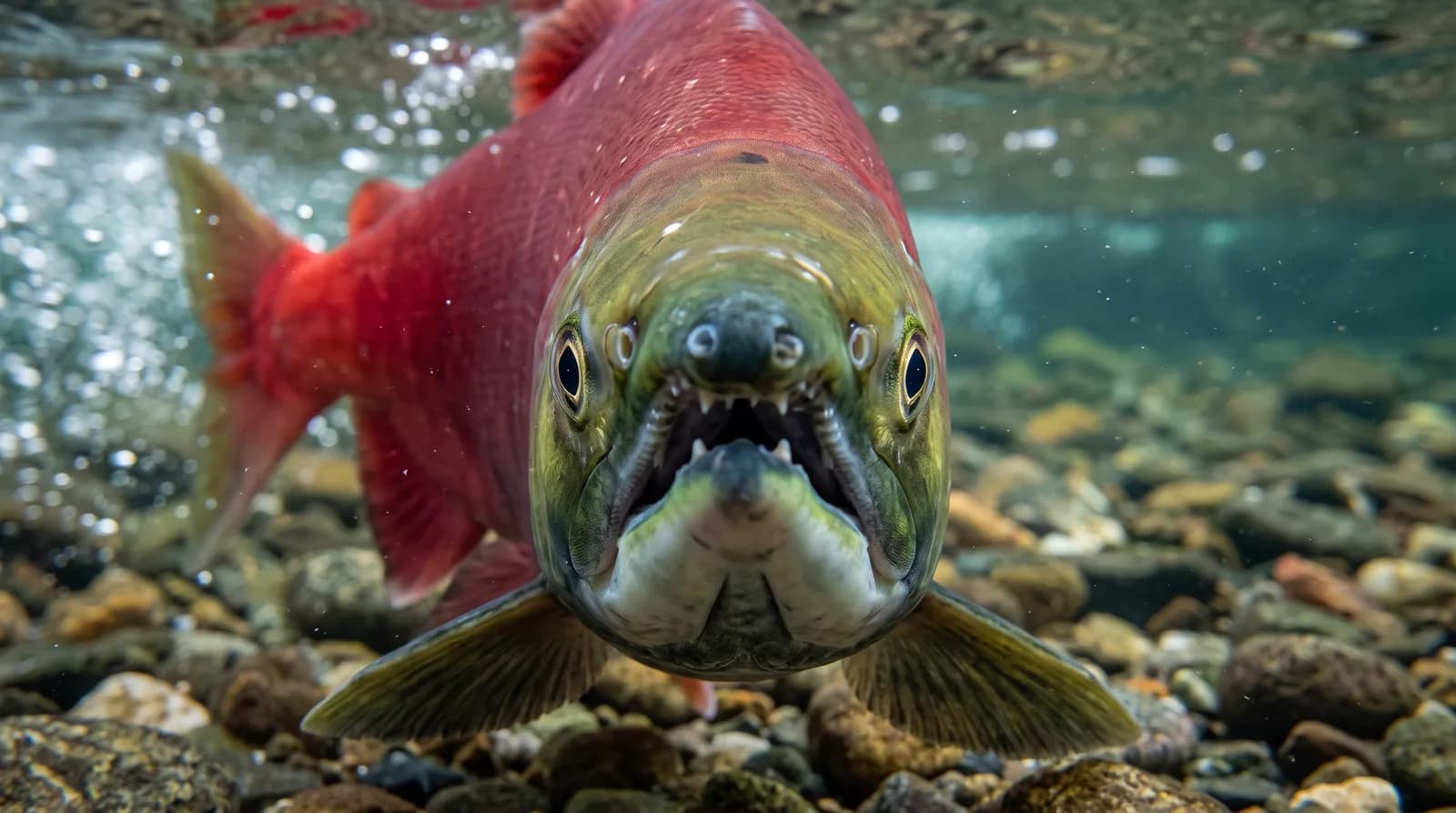 Least Concern
Sockeye Salmon
Oncorhynchus nerka
Ahora es buena época: Osos pardos pescando salmón en Brooks Falls (Junio a septiembre (pico en julio))
Similar parks
Which other parks are like this one?
Gran Cañón
United States
California condor · Bighorn sheep
Depende de la región
View parkMismo país: United States
Hot Springs
United States
White-tailed Deer · Grey Squirrel
Depende de la región
View parkMismo país: United States
Sequoia National Park
United States
Depende de la región
View parkMismo país: United States
Theodore Roosevelt
United States
American bison · wild horse
Depende de la región
View parkMismo país: United States
Keep exploring
Based on what we already know about Volcanes de Hawái.
Your rating
How many stars would you give Volcanes de Hawái?
Comments
Share your experience visiting Volcanes de Hawái, or a tip for other travellers.
Be the first to comment.