Skip to content
WAnimals
  • Map
  • Species
  • Parks
  • Diving
Log inCreate account
WAnimals

The guide for travellers and animal lovers: discover, plan and share your wild adventures around the world.

Discover wildlife

  • Species
  • Ecosystems
  • Glossary
  • Tags

Explore places

  • Map
  • Countries
  • Parks
  • Diving

Plan experiences

  • Guides

Learn

  • Blog

Resources

  • About us
  • How we build our profiles
  • Help centre
  • Contact
  • Install the app

Follow us

Account

  • Log in
  • Create account

© 2026 WAnimals. All rights reserved.

Terms of servicePrivacyCookiesLegal notice
MapSpeciesParksDiving
  1. Home
  2. Species
  3. Black-Faced Cuckooshrike

Birds · Passeriformes · Campephagidae

Black-Faced Cuckooshrike

Coracina novaehollandiae

Least Concern

The species is abundant and widely distributed; it faces no significant short-term risk.

Spotted something wrong?

The black-faced cuckooshrike is a medium-sized grey bird with a black mask around the bill and eyes. It is common in the open woodlands and parks of Australia. Its most characteristic feature is a movement it performs on landing: it resettles its wings with a couple of quick shuffles, a gesture that identifies it at a distance.

Weight

90 g – 140 g

Size

32 cm – 35 cm

Life expectancy

12 years

Diet

Insectivore

Feeds mainly on insects and other invertebrates.

Activity

Diurnal

Active mainly during the day.

Social structure

In pairs

Usually lives in pairs, sometimes for life.

SavannaRainforestTemperate forest
5countries56parks

Fun facts

  • It resettles its wings with two or three quick shuffles every time it lands, a tic so characteristic that Australian birdwatchers identify it by that gesture before they do by its plumage.
  • Its English name, cuckooshrike, alludes to a superficial resemblance to cuckoos and shrikes, although it is related to neither group.
  • Its southern Australian populations are migratory and move north in winter, while the tropical ones are resident.

Life cycle and biology

Skeleton type
Vertebrate - internal bony skeleton (bird)
Habitat and environment
Open woodland, savannah woodland, parks and gardens of Australia, New Guinea and Indonesia
Sexual maturity
2 years
Gestation / incubation
21 days of incubation
Litter / clutch size
3 eggs

Sources consulted: Wikipedia (es): Coracina novaehollandiae

Where to find it

Loading map…

Where to see it

Parks and dive sites where this species has been documented — showing 10 of 56.

Related species

Other species in the catalogue with the most in common with Black-Faced Cuckooshrike — same habitat, park, country, tags or family.

Shares a park
Shares a park
Shares a park
Shares a park
Shares a park
Shares a park

Keep exploring

Based on what we already know about black-faced cuckooshrike.

Share an experience, a fun fact or a tip for seeing the black-faced cuckooshrike.
See full glossary
This page in other languages: Español · Deutsch · Français · Português · Italiano

The pins mark the parks where its presence is documented.
See its range on the interactive map→
LorentzIndonesia
KakaduAustralia
Uluru-Kata TjutaAustralia
DaintreeAustralia
Blue MountainsAustralia
K'gari (Fraser Island)Australia
Purnululu (Bungle Bungle)Australia
FreycinetAustralia
KosciuszkoAustralia
Nitmiluk (Katherine Gorge)Australia
See all 56 parks
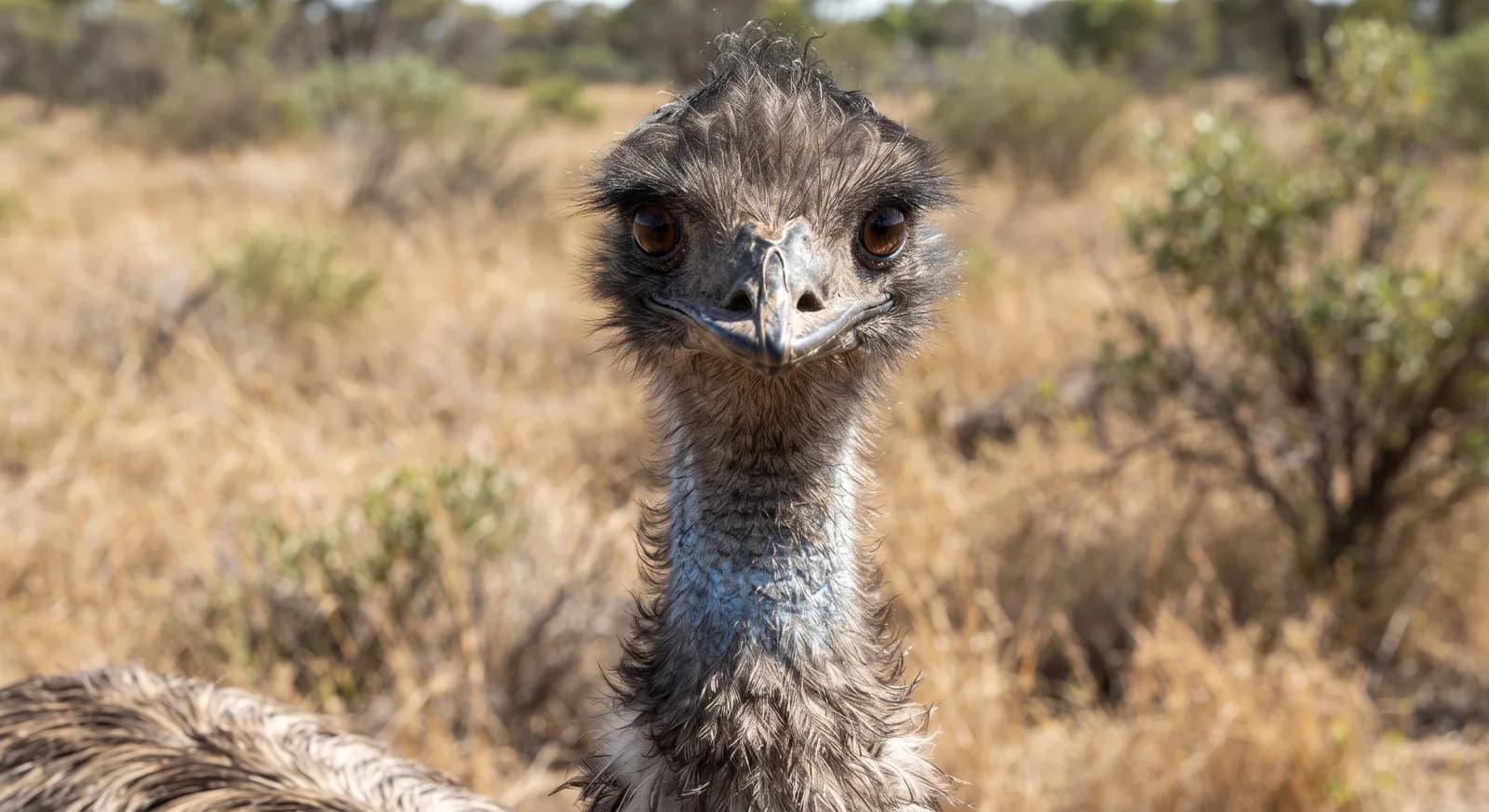
EmuLeast Concern

Emu

Dromaius novaehollandiae

Least Concern

Australian Brushturkey

Alectura lathami

Least Concern

Sulphur-crested Cockatoo

Cacatua galerita

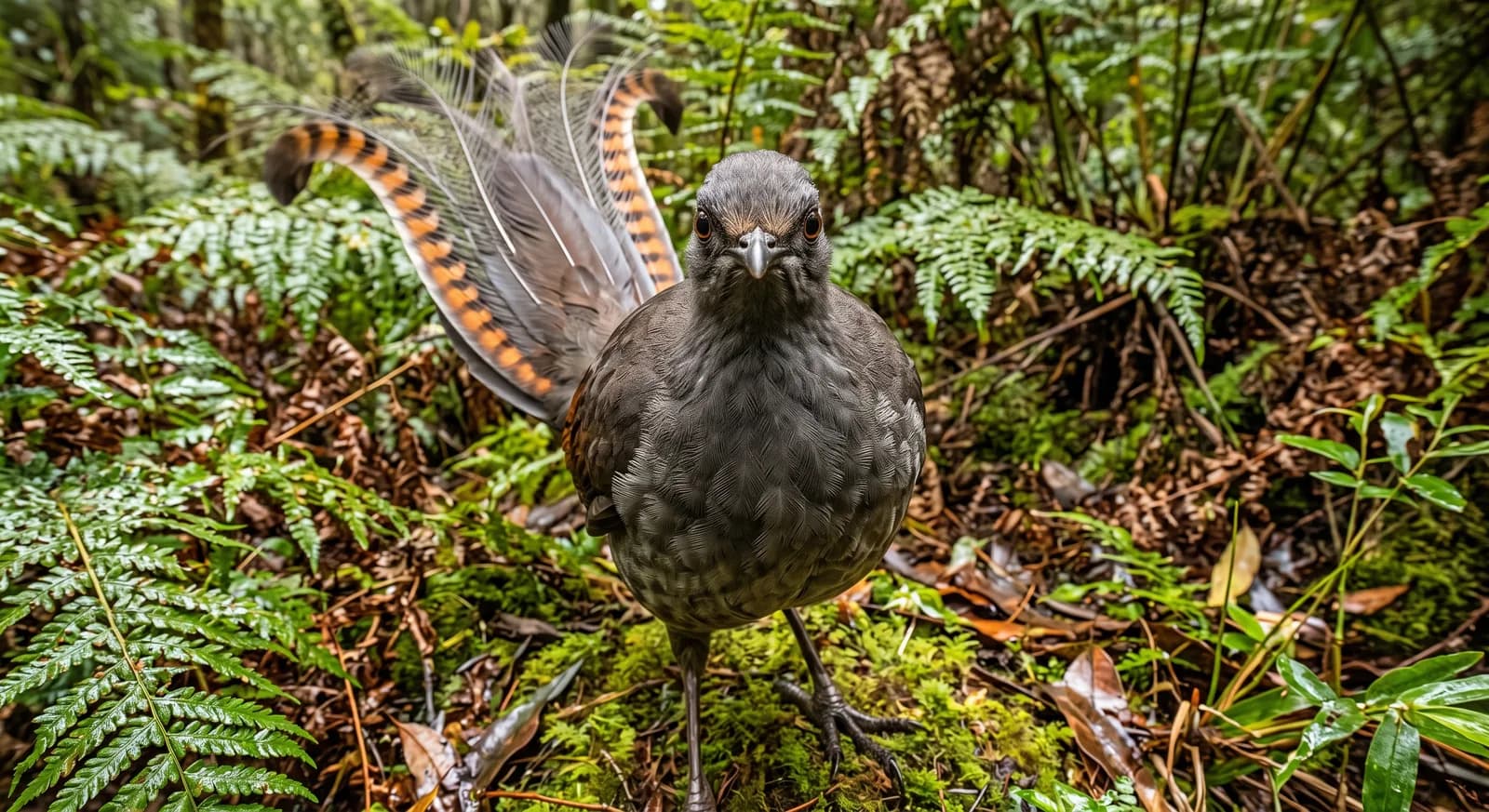
Superb LyrebirdLeast Concern

Superb Lyrebird

Menura novaehollandiae

Least Concern

Frilled Lizard

Chlamydosaurus kingii

Least Concern

Satin Bowerbird

Ptilonorhynchus violaceus

CountriesAustralia
ParksLorentzIndonesia
TagsInsectivore
Insectivore
Diurnal
In pairs
Bird
Savanna
Rainforest
Temperate forest
Australia
Papua New Guinea
Indonesia
Solomon Islands
Timor-Leste