Skip to content
WAnimals
  • Map
  • Species
  • Parks
  • Diving
Log inCreate account
WAnimals

The guide for travellers and animal lovers: discover, plan and share your wild adventures around the world.

Discover wildlife

  • Species
  • Ecosystems
  • Glossary
  • Tags

Explore places

  • Map
  • Countries
  • Parks
  • Diving

Plan experiences

  • Guides

Learn

  • Blog

Resources

  • About us
  • How we build our profiles
  • Help centre
  • Contact
  • Install the app

Follow us

Account

  • Log in
  • Create account

© 2026 WAnimals. All rights reserved.

Terms of servicePrivacyCookiesLegal notice
MapSpeciesParksDiving
  1. Home
  2. Species
  3. Bobcat

One of the 4 lynxes on WAnimals
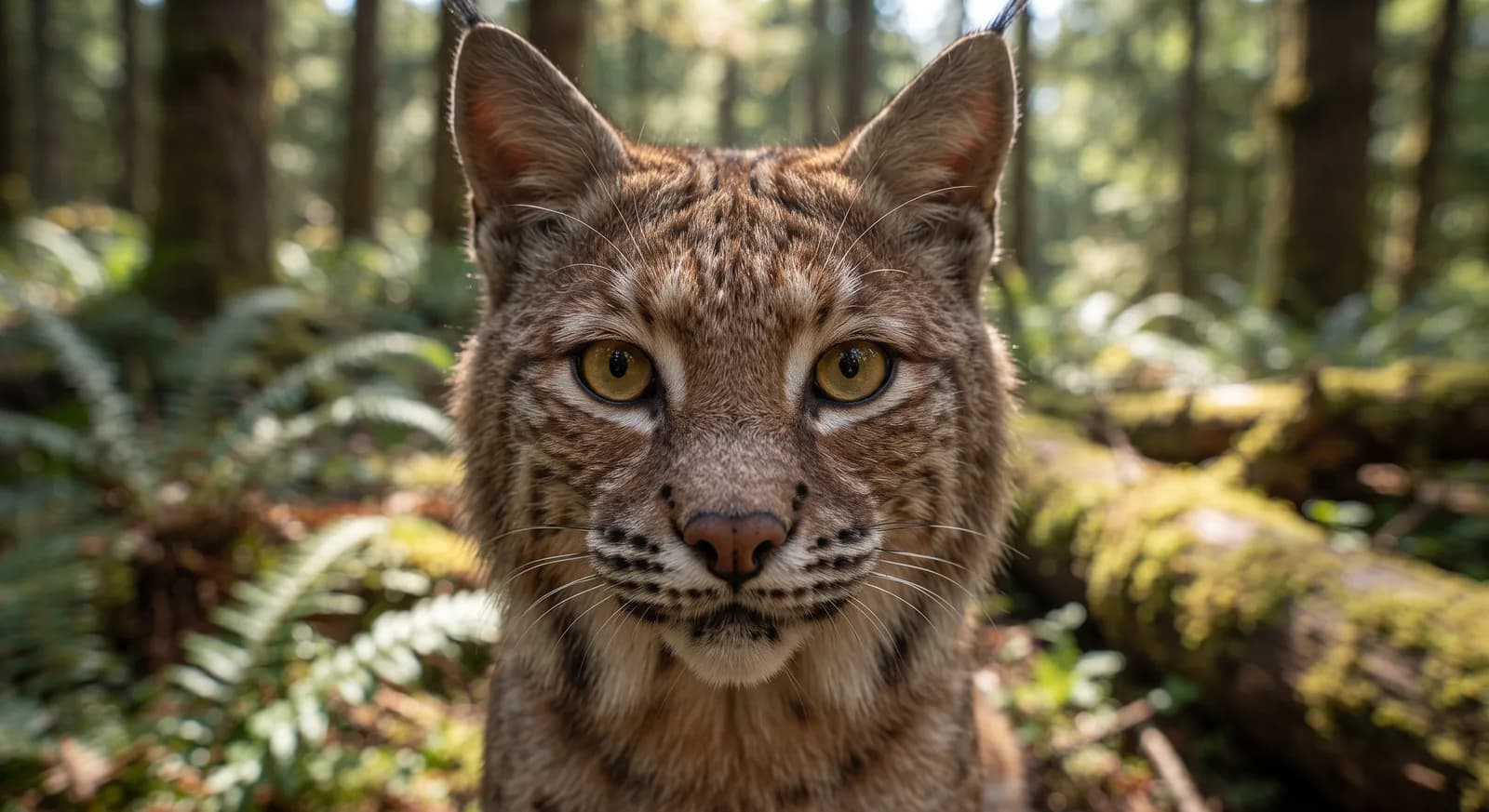
Bobcat (Lynx rufus)

Mammals · Carnivora · Felidae

Bobcat

Lynx rufus

Least Concern

The species is abundant and widely distributed; it faces no significant short-term risk.

Spotted something wrong?

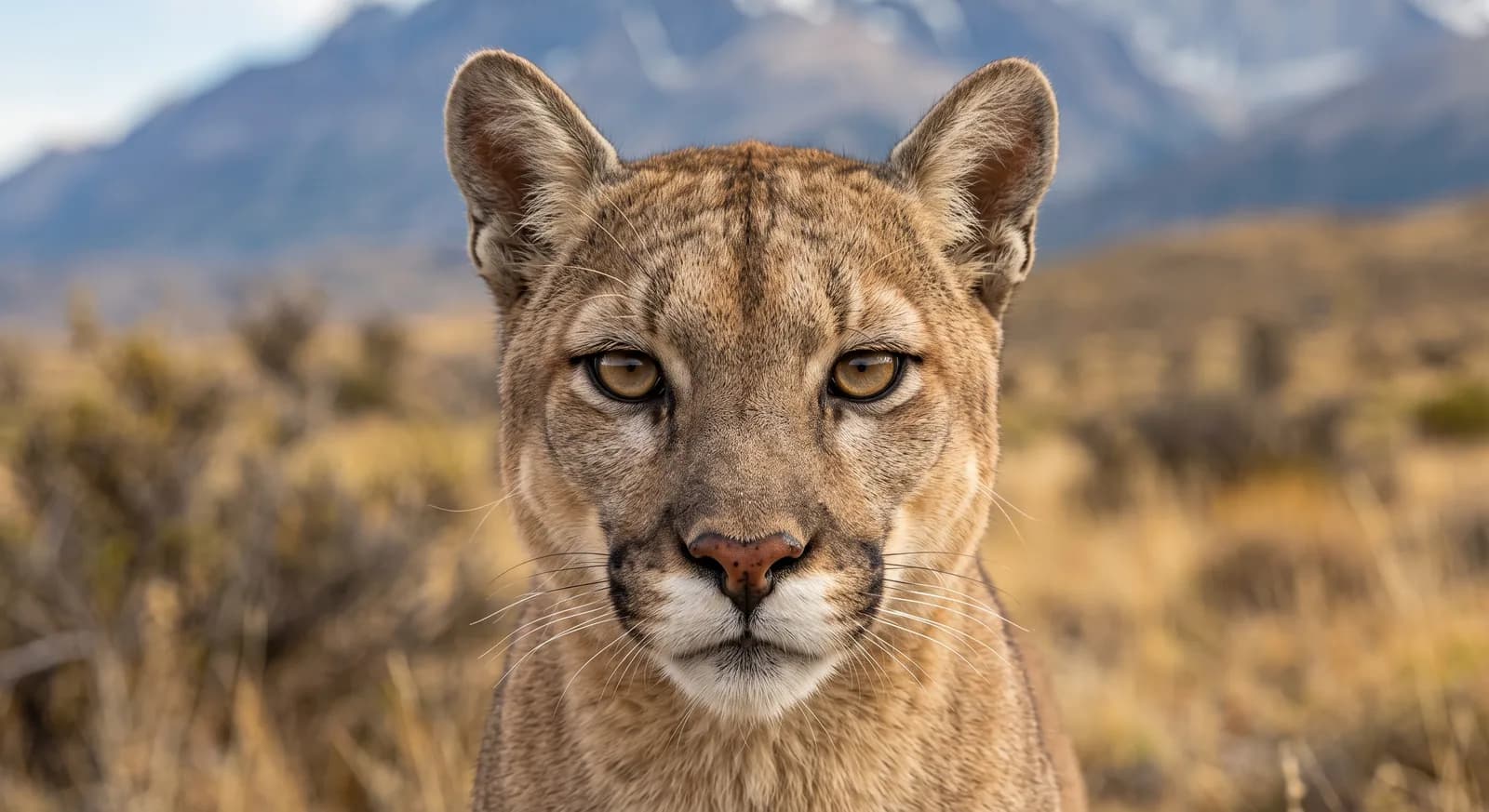
Its English name refers to its characteristic short, bobbed tail, and it is the most abundant and widely distributed wild cat in North America.

Weight

4 kg – 15 kg

Size

65 cm – 1.1 m

Life expectancy

10 years
Diet

Carnivore

Feeds mainly on other animals.

Activity

Nocturnal

Active mainly at night.

Social structure

Solitary

Lives and hunts alone, joining others only to breed.

Temperate forestDesert
3countries7parks39same family

AI-generated images: illustrations, not photographs.

Fun facts

  • It can make a living anywhere from desert to the suburbs.
  • It feeds mainly on rabbits and hares, supplemented with rodents, birds and the occasional young deer.
  • It lives in forest, desert, mountain and swamp across much of North America.

Life cycle and biology

Skeleton type
Vertebrate - internal bony skeleton (mammal)
Habitat and environment
Forest, desert, mountain and swamp across much of North America
Birth weight
265 g at birth, eyes closed
Size at birth
265 g at birth
Sexual maturity
Female: 1 year | Male: 2 years
Gestation / incubation
50-70 days (~62 days)
Litter / clutch size
1 to 6 young per litter (most commonly 2-3)
Life expectancy in captivity
Documented record of up to 32.3 years

Sources consulted: AnAge (genomics.senescence.info) · A-Z Animals · US Forest Service FEIS · Animal Diversity Web · Texas Tech NSRL Mammals of Texas · BioKIDS · UF/IFAS EDIS

Where to find it

Loading map…

The pins mark the parks where its presence is documented.

Where to see it

Parks and dive sites where this species has been documented.

Related species

Other species in the catalogue with the most in common with Bobcat — same habitat, park, country, tags or family.

Same taxonomic family
Shares a park
Shares a park
Shares a park

Related guides

Keep exploring

Based on what we already know about bobcat.

Share an experience, a fun fact or a tip for seeing the bobcat.
See full glossary
This page in other languages: Español · Deutsch · Français · Português · Italiano
See its range on the interactive map→
Monarch ButterflyMexico
Nevado de ColimaMexico
CongareeUnited States
PinnaclesUnited States
SaguaroUnited States
ShenandoahUnited States
Cuyahoga ValleyUnited States
PumaLeast Concern

Puma

Puma concolor

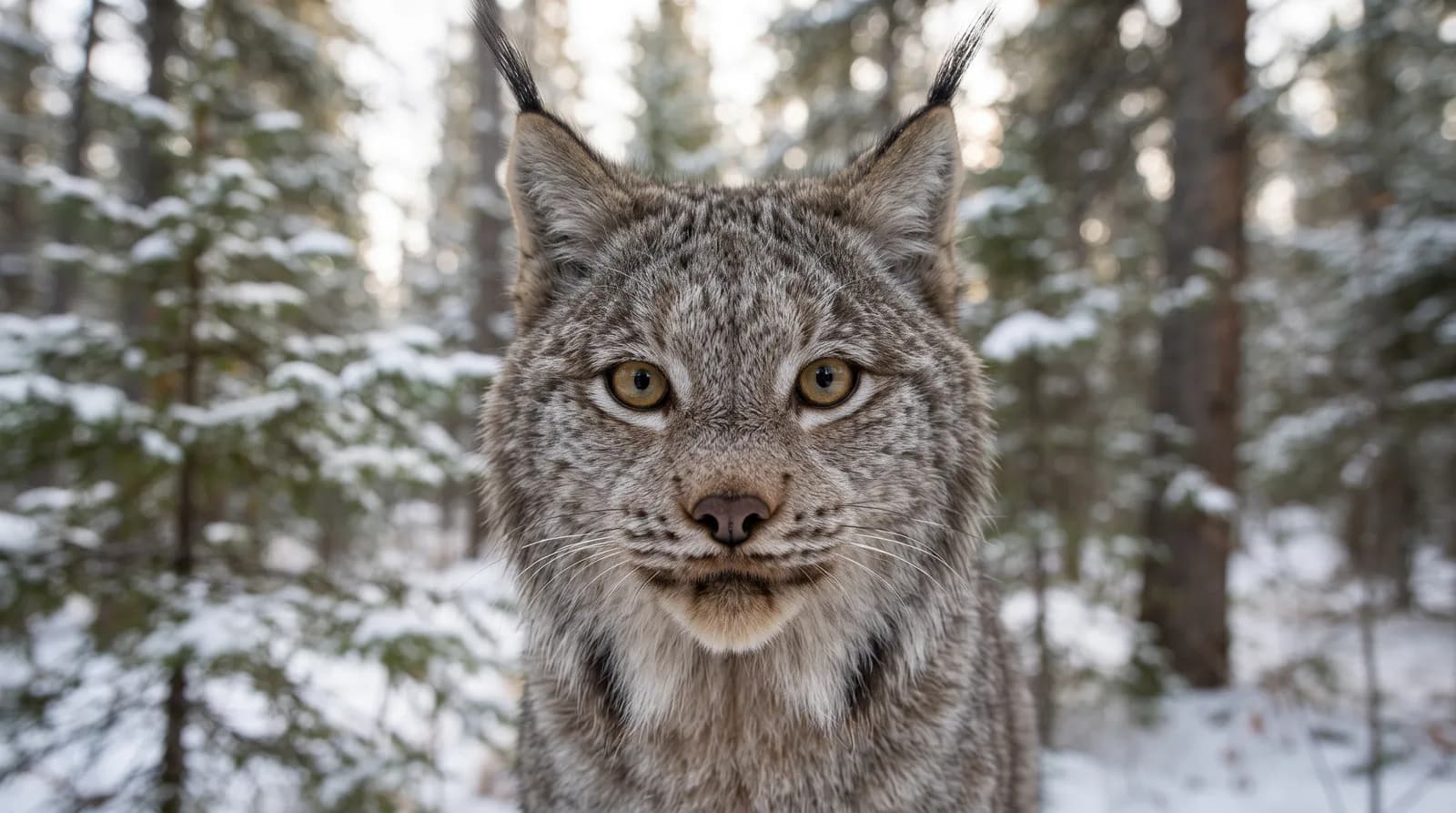
Canadian LynxLeast Concern

Canadian Lynx

Lynx canadensis

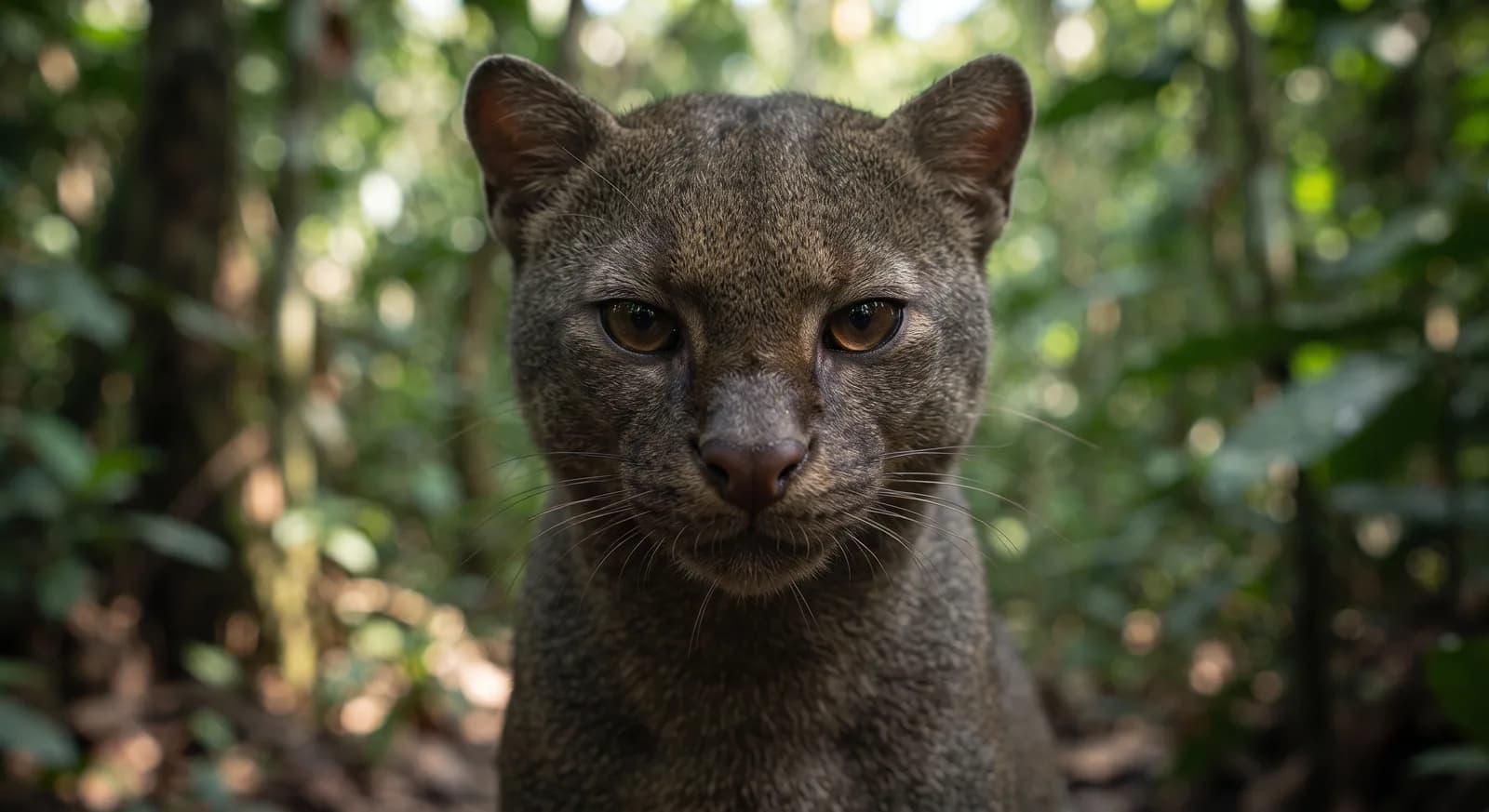
JaguarundiLeast Concern

Jaguarundi

Herpailurus yagouaroundi

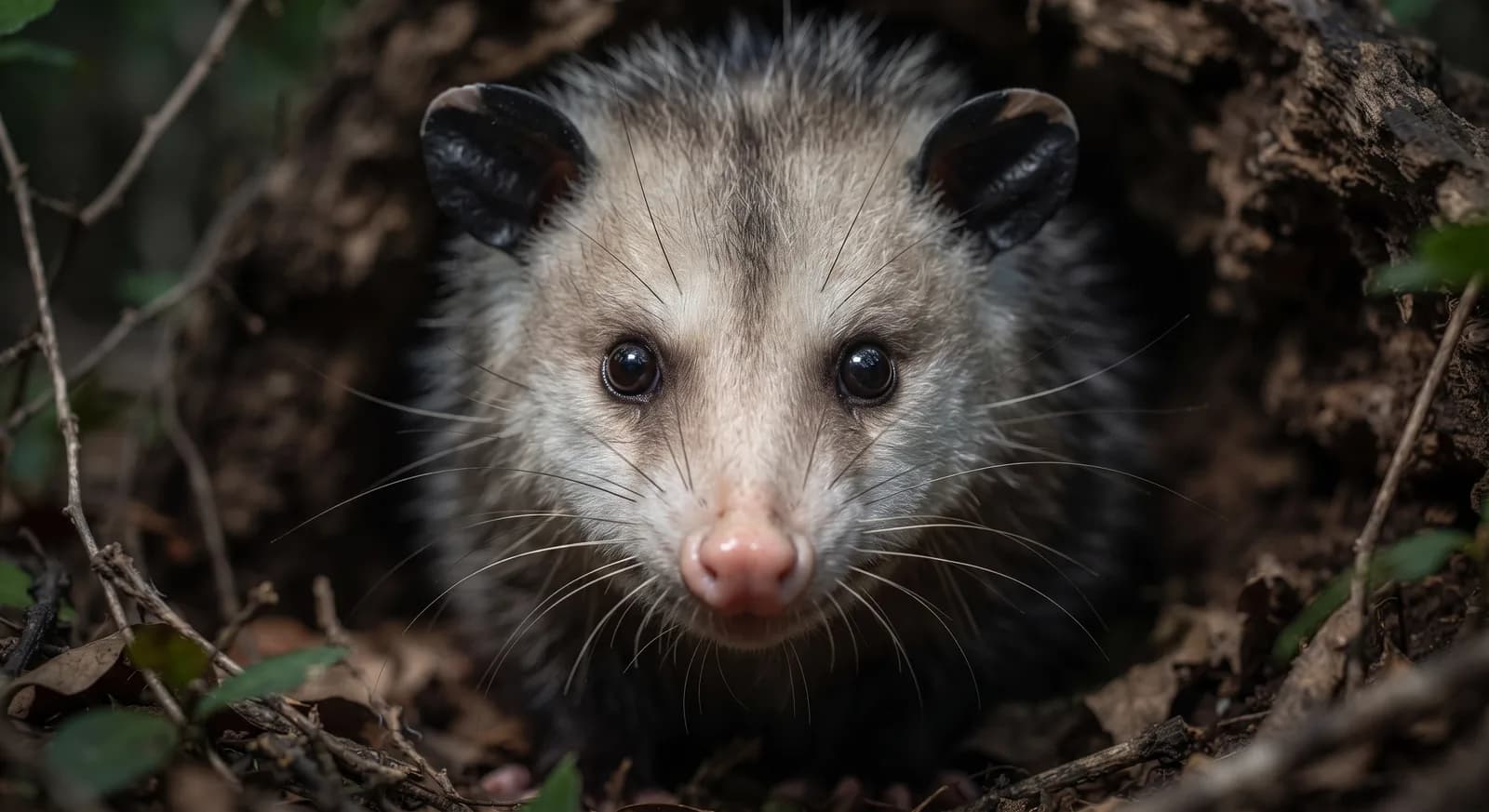
Virginia OpossumLeast Concern

Virginia Opossum

Didelphis virginiana

Least Concern

Big Brown Bat

Eptesicus fuscus

Least Concern

Southern Flying Squirrel

Glaucomys volans

Where to see Bobcat7 places
CountriesUnited States
ParksMonarch ButterflyMexico
TagsCarnivore
Carnivore
Nocturnal
Solitary
Feline
Temperate forest
Desert
Mammal
United States
Mexico
Canada