Skip to content
WAnimals
  • Map
  • Species
  • Parks
  • Diving
Log inCreate account
WAnimals

The guide for travellers and animal lovers: discover, plan and share your wild adventures around the world.

Discover wildlife

  • Species
  • Ecosystems
  • Glossary
  • Tags

Explore places

  • Map
  • Countries
  • Parks
  • Diving

Plan experiences

  • Guides

Learn

  • Blog

Resources

  • About us
  • How we build our profiles
  • Help centre
  • Contact
  • Install the app

Follow us

Account

  • Log in
  • Create account

© 2026 WAnimals. All rights reserved.

Terms of servicePrivacyCookiesLegal notice
MapSpeciesParksDiving
  1. Home
  2. Species
  3. Congo Peafowl

One of the 4 peafowls on WAnimals

Birds · Galliformes · Phasianidae

Congo Peafowl

Afropavo congensis

Vulnerable

At high risk of extinction in the wild over the medium term.

Spotted something wrong?

The Congo peafowl or Congo peacock is a species of galliform bird of the family Phasianidae, the only one in the genus Afropavo. Little is known about this species; it was described in 1936 by Dr. James Chapin on the basis of two specimens that had reached the Royal Museum for Central Africa in Belgium. It has features of both the peafowl and the guineafowl of the family Numididae, which may indicate that the Congo peafowl is a link between the two families. No subspecies are recognised.

Weight

1.1 kg – 1.5 kg

Size

60 cm – 70 cm

Life expectancy

18 years

Diet

Omnivore

Combines animal and plant food depending on availability.

Activity

Diurnal

Active mainly during the day.

Social structure

In pairs

Usually lives in pairs, sometimes for life.

Rainforest
1countries4parks21same family

Fun facts

  • It was discovered from two feathers: in 1913 James Chapin saw some striped feathers in a Congolese headdress that matched no known species, and in 1936 he happened to recognise two mislabelled stuffed specimens in a museum in Belgium. Only then did he travel to the Congo and find the living bird.
  • It is the only African member of the pheasant family, an essentially Asian group: its presence in the Congo remains a biogeographical puzzle.

Life cycle and biology

Skeleton type
Vertebrate - internal bony skeleton (bird)
Habitat and environment
Primary lowland rainforest of the Congo Basin
Sexual maturity
2 years
Gestation / incubation
27 days of incubation
Litter / clutch size
3 eggs

Sources consulted: Wikipedia (es): Afropavo congensis

Where to find it

Loading map…

The pins mark the parks where its presence is documented.

Where to see it

Parks and dive sites where this species has been documented.

Related species

Other species in the catalogue with the most in common with Congo Peafowl — same habitat, park, country, tags or family.

Shares a park
Shares a park
Shares a park
Shares a park
Shares a park
Shares a park

How to help

The congo peafowl is classified as vulnerable. Organisations such as the IUCN, WWF and the Wildlife Conservation Society work specifically on its conservation and that of its habitat; looking into their programmes is a good starting point if you want to get involved.

It's documented in 4 protected areas — one reason why protecting these places matters for its conservation.

Keep exploring

Based on what we already know about congo peafowl.
Share an experience, a fun fact or a tip for seeing the congo peafowl.
See full glossary
This page in other languages: Español · Deutsch · Français · Português · Italiano
See its range on the interactive map→
VirungaDemocratic Republic of the Congo
SalongaDemocratic Republic of the Congo
Kahuzi-BiegaDemocratic Republic of the Congo
Okapi Wildlife ReserveDemocratic Republic of the Congo
Yellow-casqued HornbillVulnerable

Yellow-casqued Hornbill

Ceratogymna elata

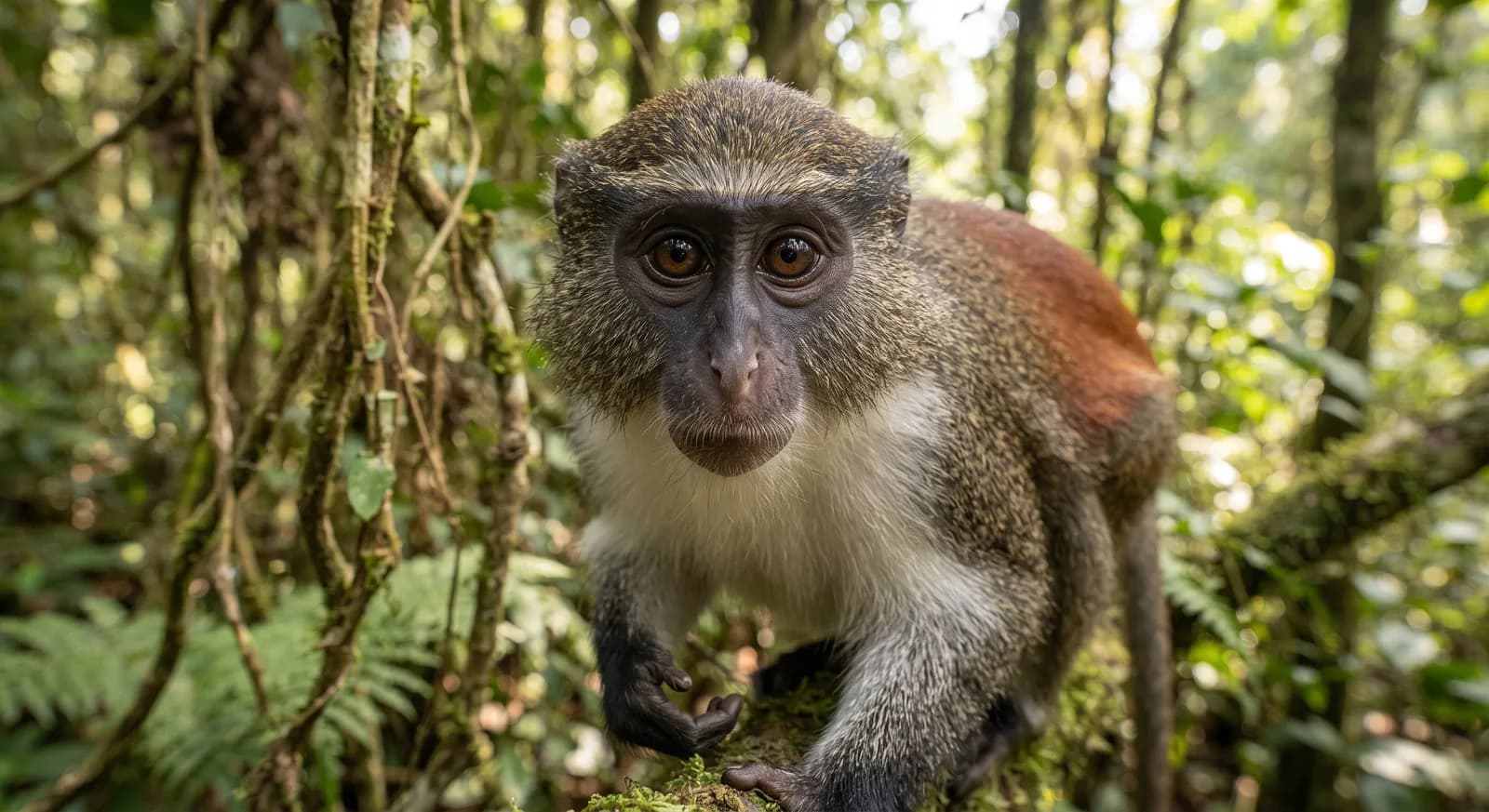
L'Hoest's MonkeyVulnerable

L'Hoest's Monkey

Allochrocebus lhoesti

Vulnerable

Grey-cheeked Mangabey

Lophocebus albigena

Least Concern

Narina Trogon

Apaloderma narina

Near Threatened

Crowned Eagle

Stephanoaetus coronatus

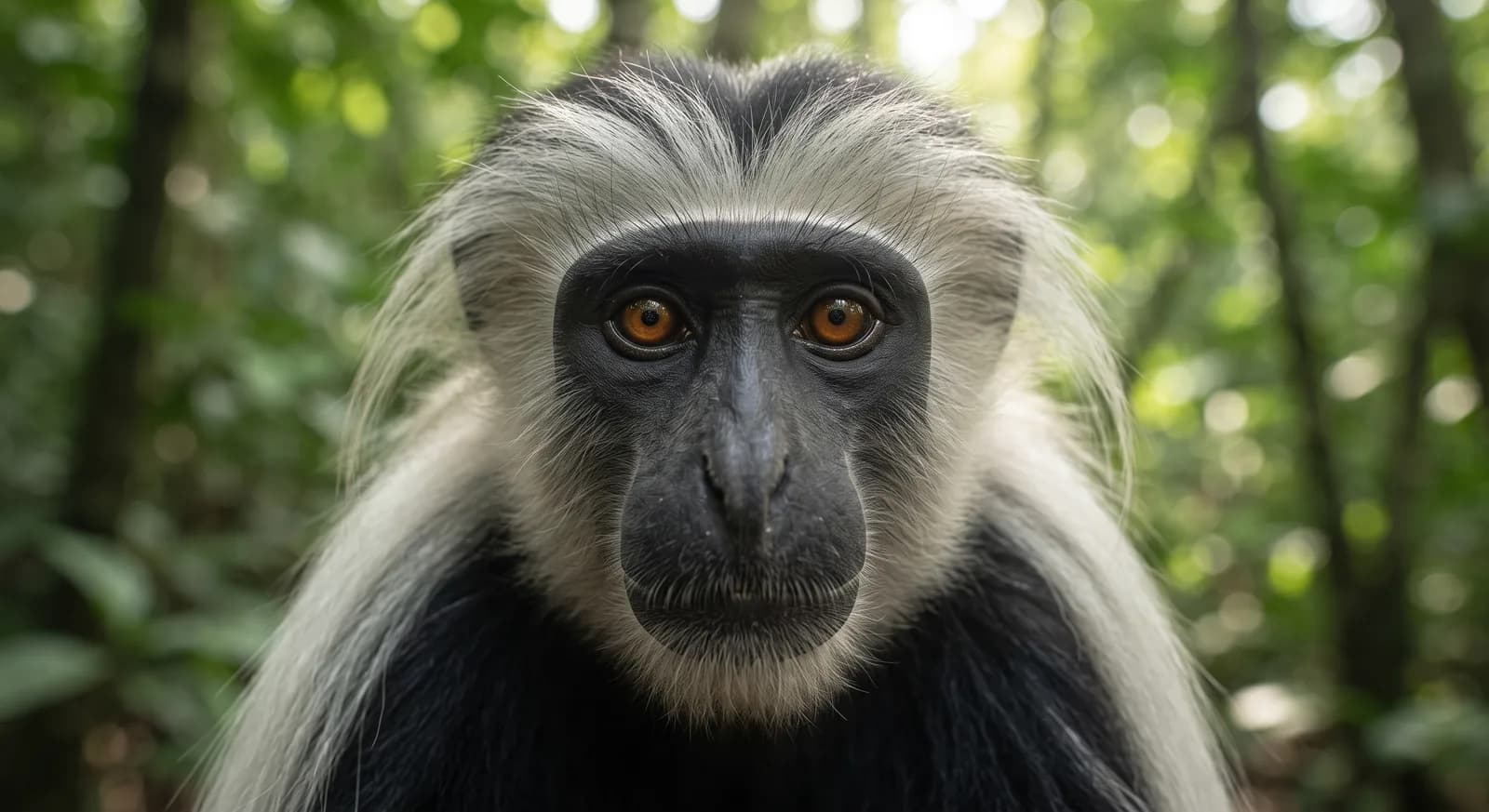
Angolan ColobusVulnerable

Angolan Colobus

Colobus angolensis

CountriesDemocratic Republic of the Congo
ParksVirungaDemocratic Republic of the Congo
TagsOmnivore
Omnivore
Diurnal
In pairs
Vulnerable
Bird
Rainforest
Democratic Republic of the Congo