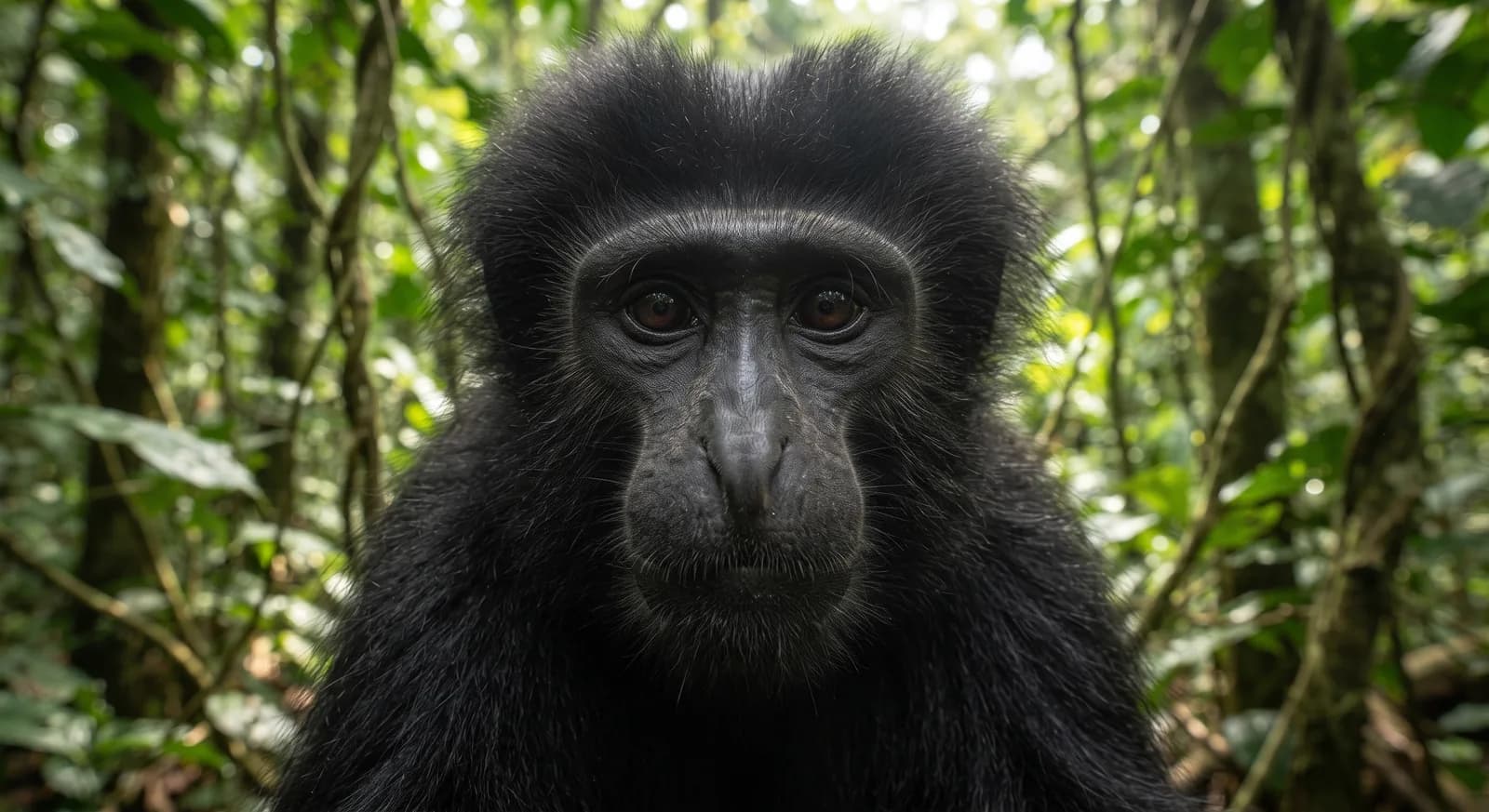
One of the 8 hornbills on WAnimals

Birds · Bucerotiformes · Bucerotidae
Ceratogymna elata
At high risk of extinction in the wild over the medium term.
The yellow-casqued hornbill is a large bird of the forests of West Africa, the male sporting a bulky yellow casque above the bill. It feeds almost entirely on fruit and is one of the great seed dispersers of the African forest: it covers tens of kilometres a day and deposits the seeds of hardwood trees far from the parent tree. Hunting for bushmeat and the logging of primary forest have driven it into decline.
Weight
1.3 kg – 2.1 kg
Size
70 cm – 80 cm
Life expectancy
25 years
Diet
Herbivore
Feeds mainly on plants.
Activity
Diurnal
Active mainly during the day.
Social structure
In pairs
Usually lives in pairs, sometimes for life.
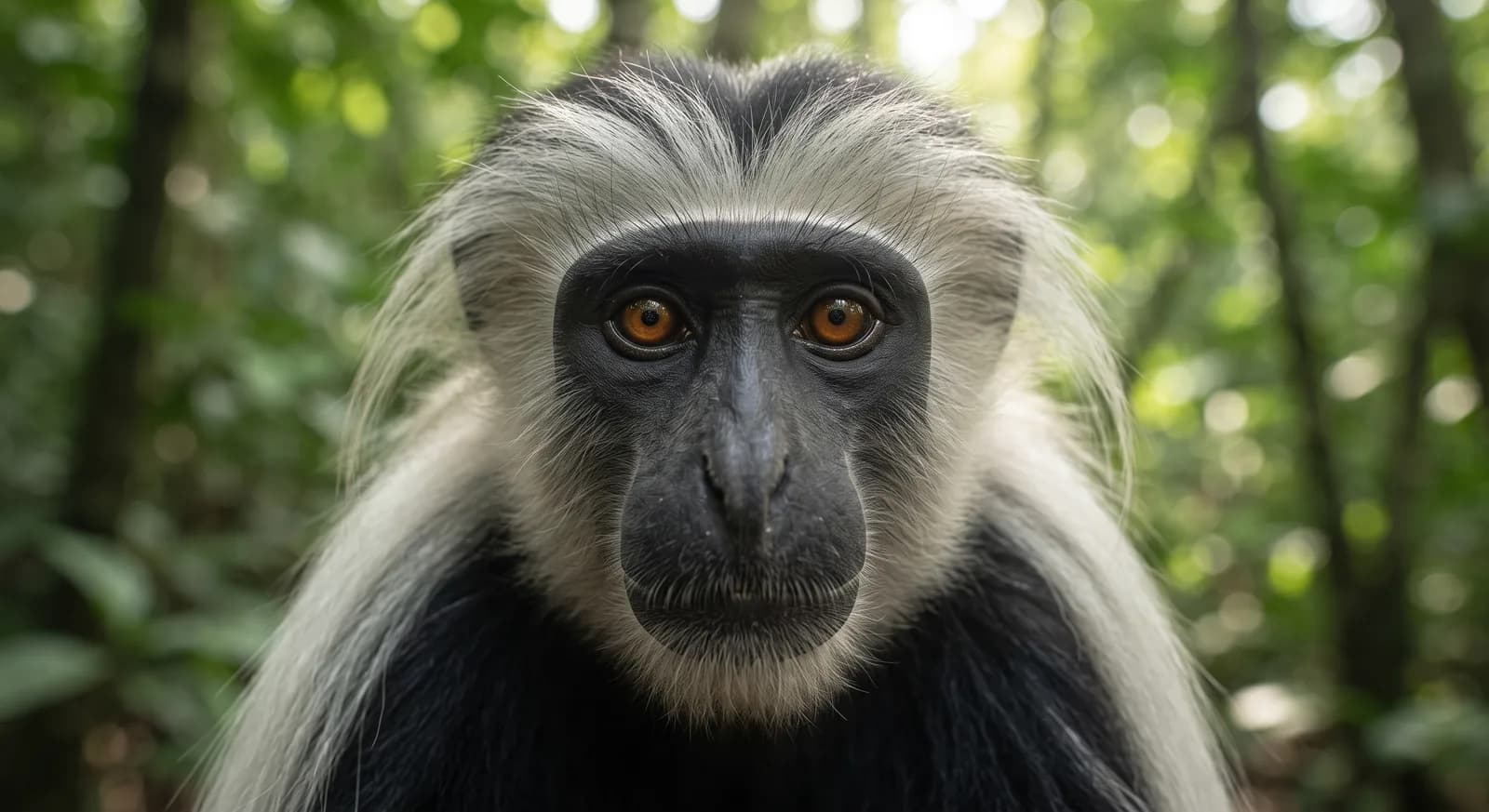
AI-generated images: illustrations, not photographs.
Sources consulted: Wikipedia (es): Ceratogymna elata
The pins mark the parks where its presence is documented.
Parks and dive sites where this species has been documented — showing 10 of 23.
Other species in the catalogue with the most in common with Yellow-casqued Hornbill — same habitat, park, country, tags or family.
The yellow-casqued hornbill is classified as vulnerable. Organisations such as the IUCN, WWF and the Wildlife Conservation Society work specifically on its conservation and that of its habitat; looking into their programmes is a good starting point if you want to get involved.
It's documented in 6 protected areas — one reason why protecting these places matters for its conservation.
Based on what we already know about yellow-casqued hornbill.