Skip to content
WAnimals
  • Map
  • Species
  • Parks
  • Diving
Log inCreate account
WAnimals

The guide for travellers and animal lovers: discover, plan and share your wild adventures around the world.

Discover wildlife

  • Species
  • Ecosystems
  • Glossary
  • Tags

Explore places

  • Map
  • Countries
  • Parks
  • Diving

Plan experiences

  • Guides

Learn

  • Blog

Resources

  • About us
  • How we build our profiles
  • Help centre
  • Contact
  • Install the app

Follow us

Account

  • Log in
  • Create account

© 2026 WAnimals. All rights reserved.

Terms of servicePrivacyCookiesLegal notice
MapSpeciesParksDiving
  1. Home
  2. Species
  3. Domesticated Cattle

Mammals · Artiodactyla · Bovidae

Domesticated Cattle

Bos taurus

Not Evaluated

It has not yet been assessed against the IUCN criteria.

Spotted something wrong?

The cow, in the case of the female, or bull, in the case of the male, is an artiodactyl mammal of the family Bovidae. It was formerly regarded as a subspecies of Bos primigenius, but a recent study treats it as a distinct species. The scientific name is the one assigned to European and North Asian domestic cattle, a group of domestic bovids descended from the Eurasian wild aurochs subspecies known as Bos primigenius primigenius; while Bos primigenius indicus is the name given to zebus and other domestic cattle breeds from the same stock, descended from the wild aurochs subspecies of the Indian subcontinent known as Bos primigenius namadicus. It is a large, robustly built ruminant mammal, averaging some 1.2-1.5 m in height and 600-800 kg in weight.

Weight

400 kg – 1.1 t

Size

1.8 m – 2.5 m

Life expectancy

20 years

Diet

Herbivore

Feeds mainly on plants.

Activity

Diurnal

Active mainly during the day.

Social structure

Herd

Lives in large groups as a strategy against predators.

Grassland
86same family

Fun facts

  • All cattle descend from the aurochs, an enormous wild bovid whose last known individual died in the forest of Jaktorów, in Poland, in 1627.
  • Without the microorganisms of its rumen it could not make use of grass: it is not the cow that digests cellulose, but the trillions of microbes it hosts.
  • It was domesticated in Anatolia between 10,500 and 10,000 years ago from the aurochs, Bos primigenius.
  • The zebu, Bos indicus, is an independent domestication, from another subspecies of aurochs, the Asian one, some 8,000 years ago.
  • Its rumen houses a community of bacteria, protozoa and fungi that digest cellulose on its behalf: without those microorganisms it could not make use of grass.
  • Adult lactose tolerance in European and African human populations evolved after this domestication, and it is one of the best-documented cases of coevolution between a domestic species and ourselves.

Life cycle and biology

Skeleton type
Vertebrate - internal bony skeleton (mammal)
Habitat and environment
Pasture, dehesa woodland pasture and livestock holdings worldwide
Sexual maturity
18 months
Gestation / incubation
9.1 months
Litter / clutch size
1
Life expectancy in captivity
25

Sources consulted: Wikipedia (es): Bos taurus

Related species

Other species in the catalogue with the most in common with Domesticated Cattle — same habitat, park, country, tags or family.

Same taxonomic family

Keep exploring

Based on what we already know about domesticated cattle.
Share an experience, a fun fact or a tip for seeing the domesticated cattle.
See full glossary
This page in other languages: Español · Deutsch · Français · Português · Italiano
Near Threatened

Saiga

Saiga tatarica

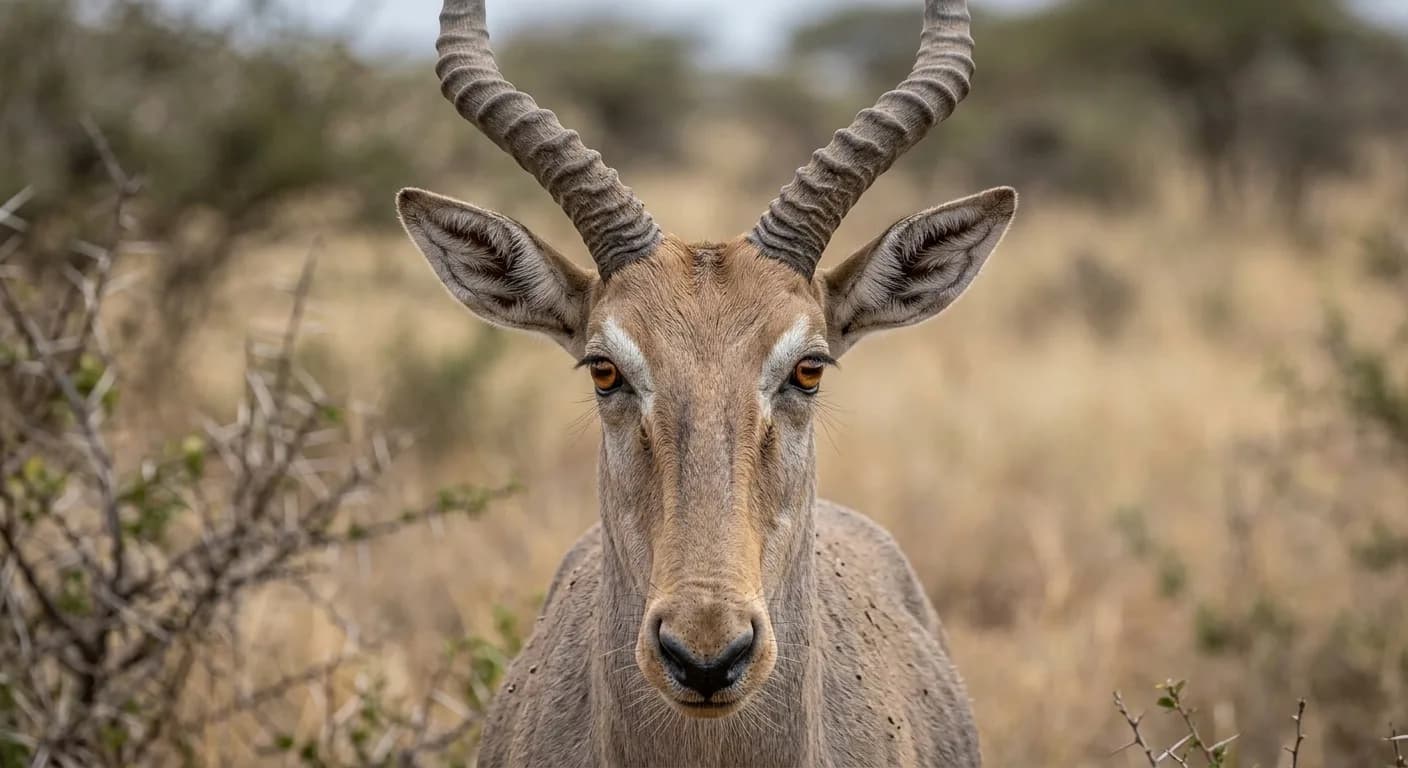
HirolaCritically Endangered

Hirola

Beatragus hunteri

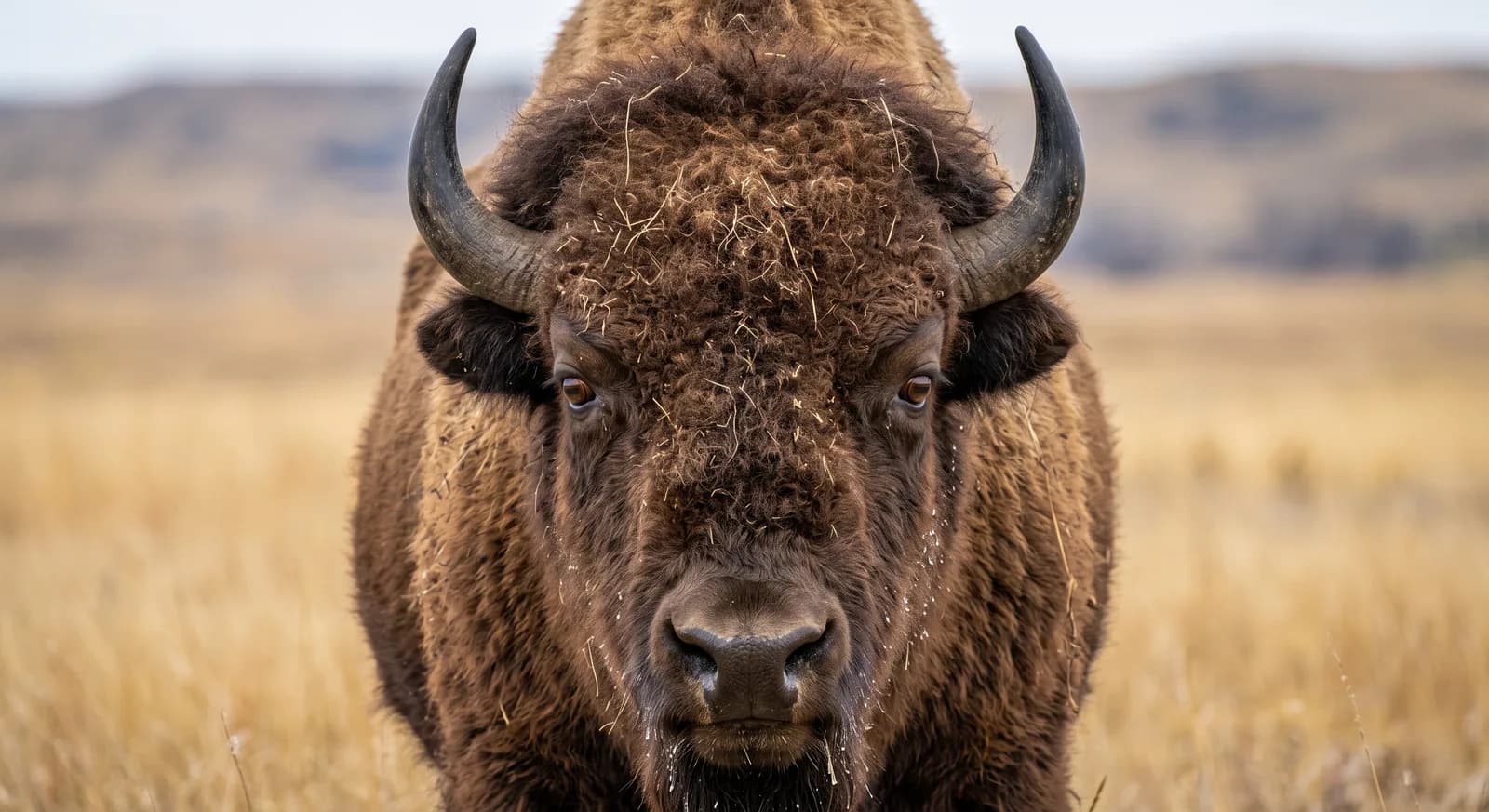
American BisonNear Threatened

American Bison

Bison bison

Least Concern

Kob

Kobus kob

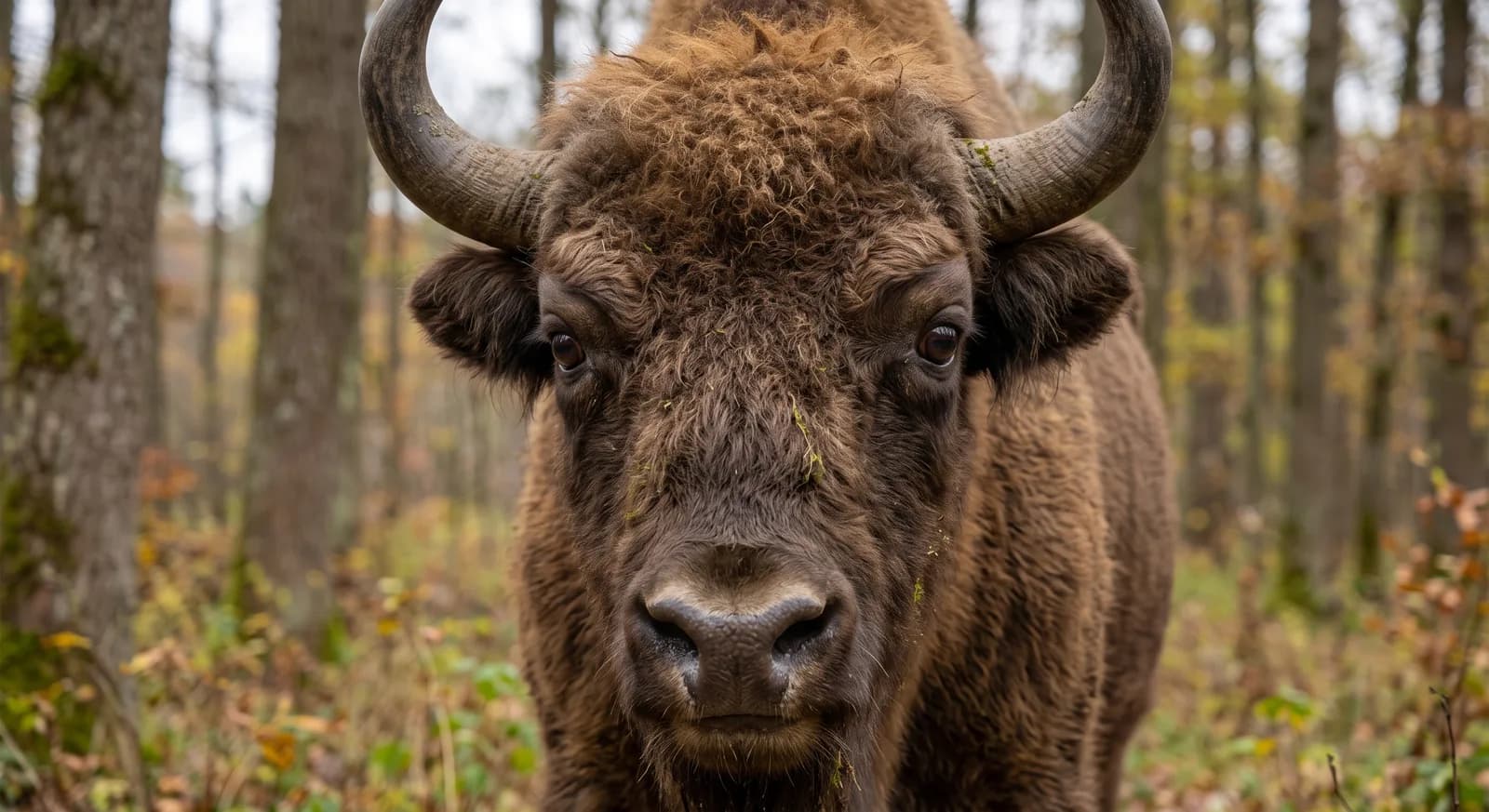
European BisonNear Threatened

European Bison

Bison bonasus

Not Evaluated

Sheep

Ovis aries

TagsHerbivore
Herbivore
Diurnal
In herds
Grassland
Mammal