Skip to content
WAnimals
  • Map
  • Species
  • Parks
  • Diving
Log inCreate account
WAnimals

The guide for travellers and animal lovers: discover, plan and share your wild adventures around the world.

Discover wildlife

  • Species
  • Ecosystems
  • Glossary
  • Tags

Explore places

  • Map
  • Countries
  • Parks
  • Diving

Plan experiences

  • Guides

Learn

  • Blog

Resources

  • Help centre
  • Contact
  • Install the app

Follow us

Account

  • Log in
  • Create account

© 2026 WAnimals. All rights reserved.

About usHow we build our profilesTerms of servicePrivacyLegal notice
MapSpeciesParksDiving
  1. Home
  2. Species
  3. Sheep

One of the 2 sheep on WAnimals

Mammals · Artiodactyla · Bovidae

Sheep

Ovis aries

Not Evaluated

It has not yet been assessed against the IUCN criteria.

Spotted something wrong?

The domestic sheep is one of the first animals to be domesticated, some 10,500 years ago in the Fertile Crescent, from the Asiatic mouflon. It is a gregarious ruminant with a strong flocking instinct: isolated from others of its kind it shows clear signs of stress. There are more than a thousand breeds selected for wool, meat or milk. Its social behaviour and its docility have also made it an important model in research on animal cognition.

Weight

45 kg – 160 kg

Size

1.2 m – 1.8 m

Life expectancy

12 years

Diet

Herbivore

Feeds mainly on plants.

Activity

Diurnal

Active mainly during the day.

Social structure

Herd

Lives in large groups as a strategy against predators.

Sighting difficulty

Unknown

MountainGrassland
86same family

Fun facts

  • Its pupil is rectangular and horizontal, which gives it a field of view of some 300 degrees and lets it watch for predators almost without turning its head.
  • It recognises and remembers for years the faces of several dozen individual sheep and particular people, according to the neuroscience studies carried out on the species.
  • It was among the first hoofed animals to be domesticated, some 11,000 years ago, from the Asiatic mouflon in south-west Asia.
  • At first it was kept only for meat. Wool came much later: the selection of woolly sheep began some 5,000 years ago, because the original fleece was short and mixed with coarse hair.
  • The archaeological sites of central Anatolia document the process: pens at Aşıklı Höyük and selective slaughter of young males at Çayönü and Nevalı Çori, between 9000 and 8000 BC.
  • It has more nuclear genetic diversity than other domestic species such as the cow or the dog, which points to a less restrictive domestication process.
  • Its horizontally rectangular pupil gives it a field of vision close to 300 degrees, and it rotates its eye to keep the pupil aligned with the ground even when it lowers its head.

Life cycle and biology

Skeleton type
Vertebrate - internal bony skeleton (mammal)
Habitat and environment
Pasture, hill country and livestock holdings worldwide
Sexual maturity
18 months
Gestation / incubation
4.8 months
Litter / clutch size
1.58 (average)
Life expectancy in captivity
20

Sources consulted: https://es.wikipedia.org/wiki/Ovis_orientalis_aries

Related species

Other species in the catalogue with the most in common with Sheep — same habitat, park, country, tags or family.

Same taxonomic family

Keep exploring

Based on what we already know about sheep.

Comments

Share an experience, a fun fact or a tip for seeing the sheep.

Be the first to comment.
See full glossary
This page in other languages: Español · Deutsch · Français · Português · Italiano
Near Threatened

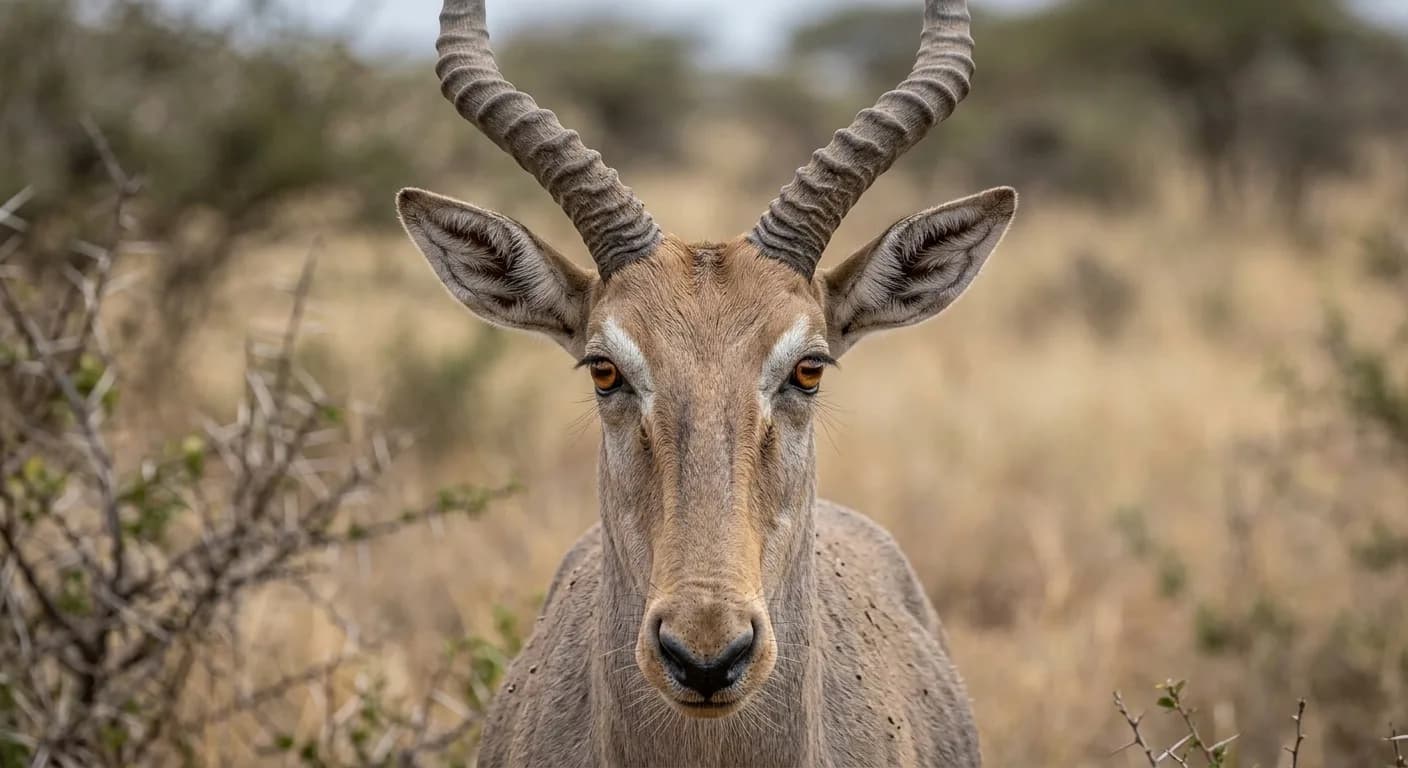
Saiga

Saiga tatarica

HirolaCritically Endangered

Hirola

Beatragus hunteri

Near Threatened

Chiru

Pantholops hodgsonii

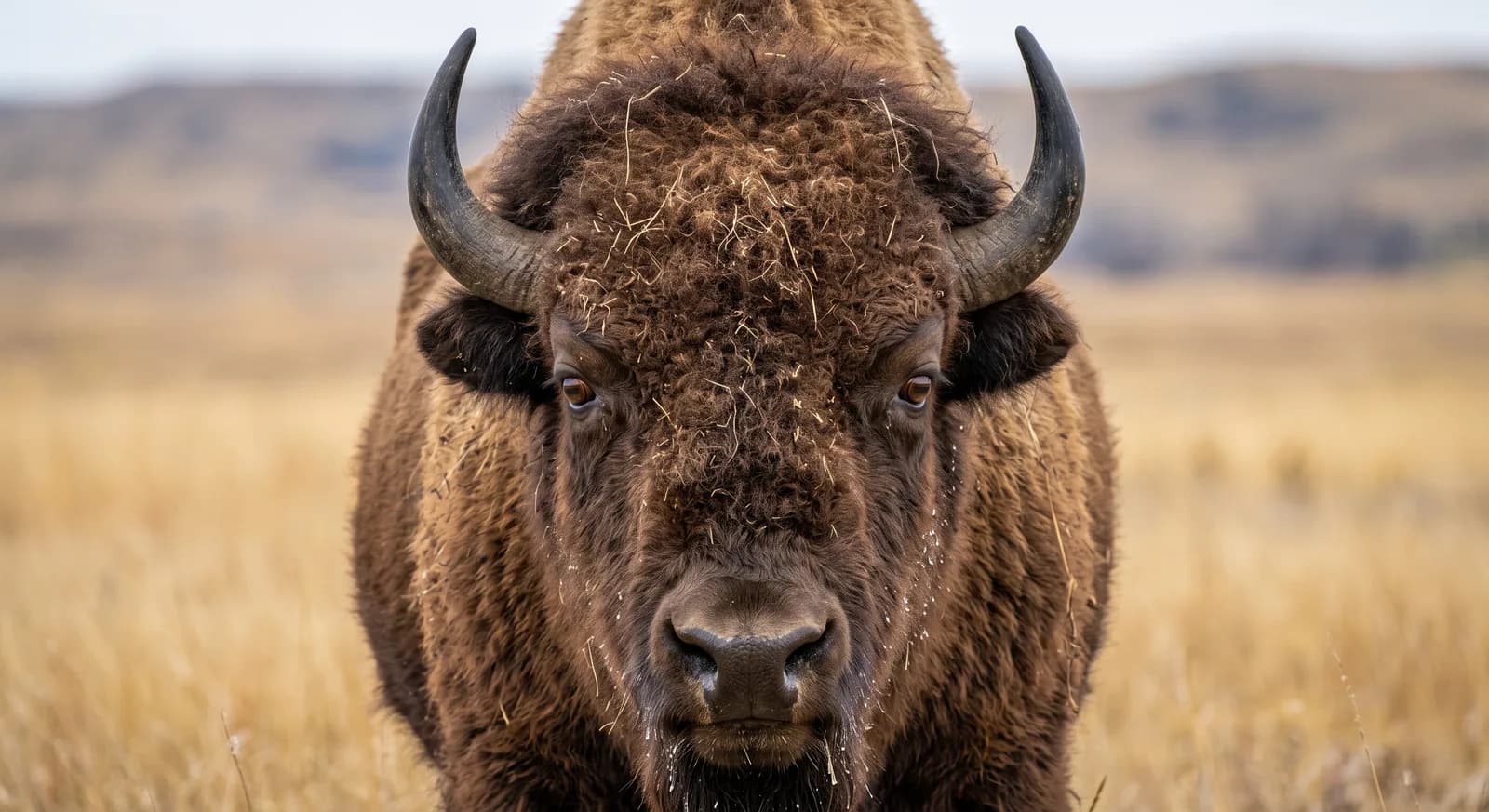
American BisonNear Threatened

American Bison

Bison bison

Least Concern

Klipspringer

Oreotragus oreotragus

Least Concern

Kob

Kobus kob

TagsHerbivore
Herbivore
Diurnal
In herds
Mountain
Grassland
Mammal