Skip to content
WAnimals
  • Map
  • Species
  • Parks
  • Diving
Log inCreate account
WAnimals

The guide for travellers and animal lovers: discover, plan and share your wild adventures around the world.

Discover wildlife

  • Species
  • Ecosystems
  • Glossary
  • Tags

Explore places

  • Map
  • Countries
  • Parks
  • Diving

Plan experiences

  • Guides

Learn

  • Blog

Resources

  • Help centre
  • Contact
  • Install the app

Follow us

Account

  • Log in
  • Create account

© 2026 WAnimals. All rights reserved.

About usHow we build our profilesTerms of servicePrivacyLegal notice
MapSpeciesParksDiving
  1. Home
  2. Species
  3. Eastern Fence Lizard

One of the 9 wall lizards on WAnimals

Reptiles · Squamata · Phrynosomatidae

Eastern Fence Lizard

Sceloporus undulatus

Least Concern

The species is abundant and widely distributed; it faces no significant short-term risk.

Spotted something wrong?

The eastern fence lizard is one of the commonest lizards in the eastern United States, greyish brown, with the male showing two patches of intense blue on the belly. It owes its name to its habit of basking on fences and wooden posts. It is the subject of a celebrated case of rapid evolution in the face of invasive fire ants.

Weight

8 g on average

Size

10 cm – 19 cm

Life expectancy

5 years

Diet

Insectivore

Feeds mainly on insects and other invertebrates.

Activity

Diurnal

Active mainly during the day.

Social structure

Solitary

Lives and hunts alone, joining others only to breed.

Sighting difficulty

Easy

Temperate forestGrassland
2countries21parks1same family

Fun facts

  • reproducciónThe males have blue patches on the belly, shown off in characteristic press-ups to see off rivals and attract females.
  • It has evolved in the face of an invader within a few decades: in areas colonised by the red imported fire ant, populations of this lizard have developed longer legs and a shaking behaviour that lets them throw the ants off, changes measurable over some seventy years.
  • The male has two patches of intense blue on his belly that he shows only when doing territorial press-ups, compressing his body sideways to display them.
  • It is one of North America's most studied lizards in behavioural ecology and thermal physiology, with decades of monitoring of particular populations.

Life cycle and biology

Skeleton type
Vertebrate - internal bony skeleton (reptile)
Habitat and environment
Open woodland, clearings, fences, walls and scrub of the eastern and central United States
Sexual maturity
3 years
Gestation / incubation
60 days of incubation
Litter / clutch size
8 eggs

Sources consulted: https://www.iucnredlist.org/ | https://animaldiversity.org/ | https://es.wikipedia.org/

Where to find it

Loading map…

The pins mark the parks where its presence is documented.

Where to see it

Parks and dive sites where this species has been documented — showing 10 of 21.

Related species

Other species in the catalogue with the most in common with Eastern Fence Lizard — same habitat, park, country, tags or family.

Same taxonomic family
Shares a park
Shares a park
Shares a park
Shares a park
Shares a park

Keep exploring

Based on what we already know about eastern fence lizard.

Comments

Share an experience, a fun fact or a tip for seeing the eastern fence lizard.

Be the first to comment.
See full glossary
This page in other languages: Español · Deutsch · Français · Português · Italiano
See its range on the interactive map→
EvergladesUnited States
Great Smoky MountainsUnited States
AcadiaUnited States
Big BendUnited States
Mammoth CaveUnited States
CongareeUnited States
BadlandsUnited States
Theodore RooseveltUnited States
Wind CaveUnited States
Carlsbad CavernsUnited States
See all 21 parks
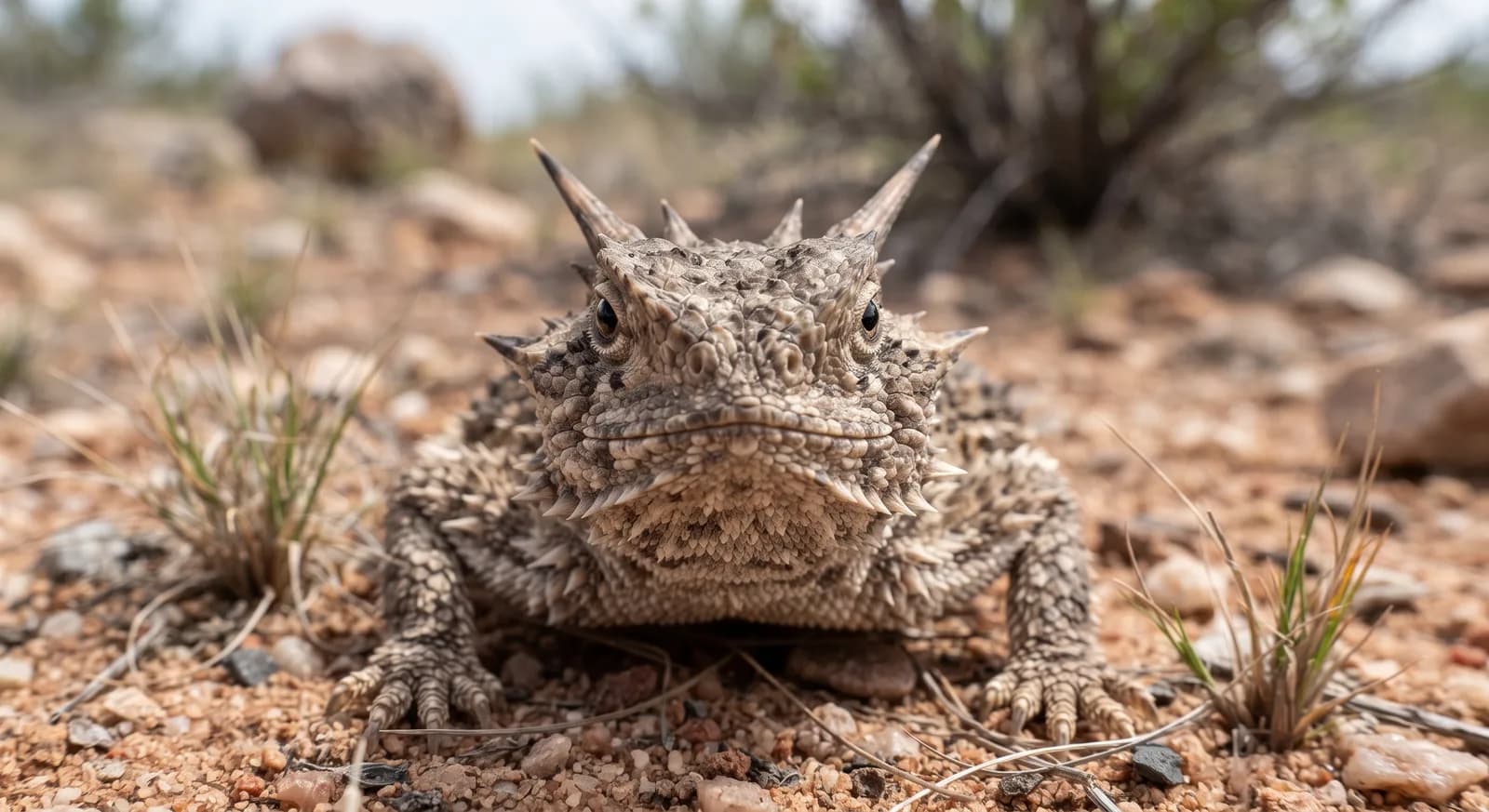
Texas Horned LizardLeast Concern

Texas Horned Lizard

Phrynosoma cornutum

Least Concern

Eastern Mole

Scalopus aquaticus

Least Concern

Common Nighthawk

Chordeiles minor

Least Concern

American Golden Plover

Pluvialis dominica

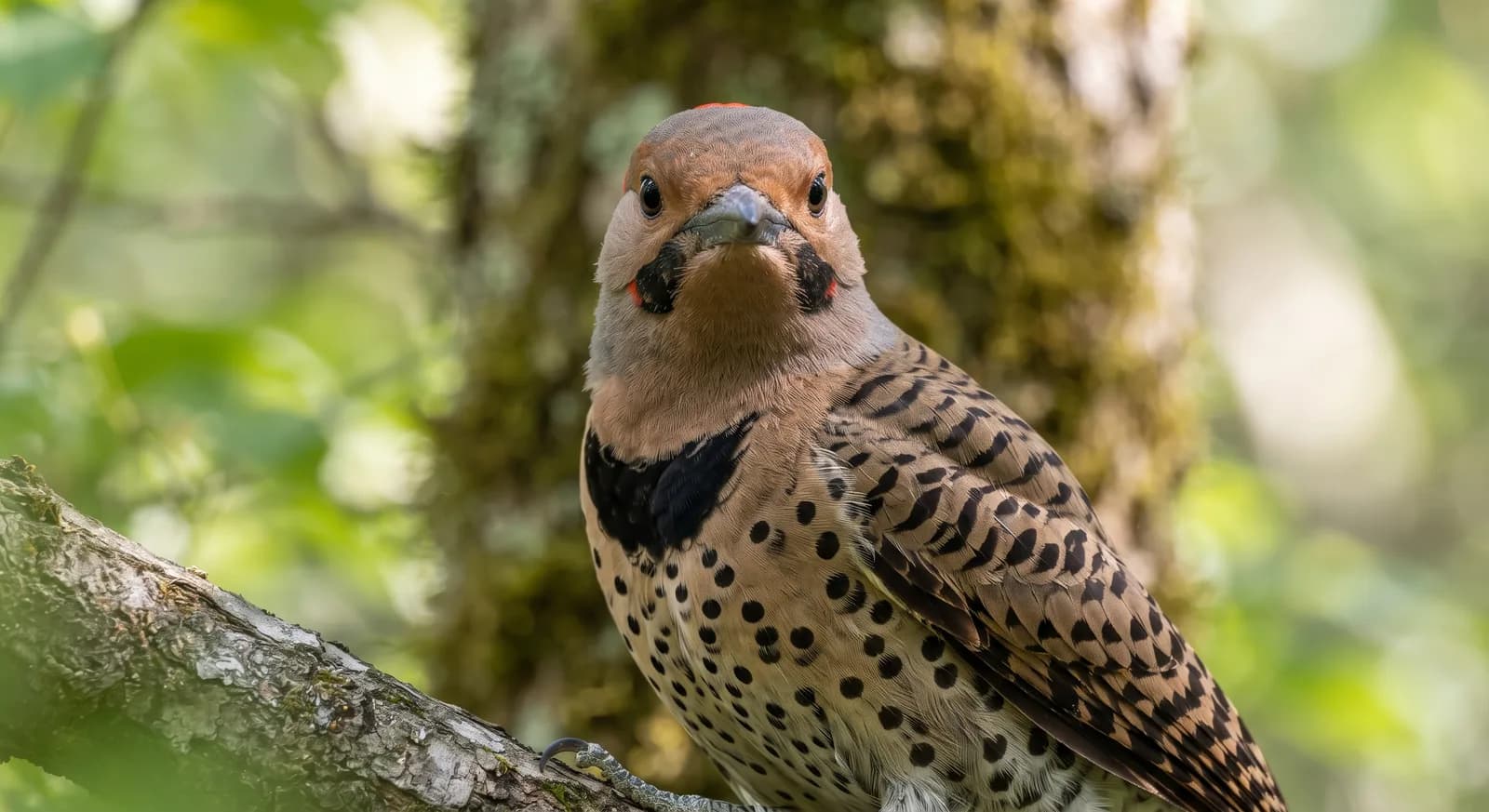
Northern FlickerLeast Concern

Northern Flicker

Colaptes auratus

Least Concern

Eastern Phoebe

Sayornis phoebe

CountriesUnited States
ParksEvergladesUnited States
TagsInsectivore
Insectivore
Diurnal
Solitary
Reptile
Temperate forest
Grassland
United States
Mexico