Skip to content
WAnimals
  • Map
  • Species
  • Parks
  • Diving
Log inCreate account
WAnimals

The guide for travellers and animal lovers: discover, plan and share your wild adventures around the world.

Discover wildlife

  • Species
  • Ecosystems
  • Glossary
  • Tags

Explore places

  • Map
  • Countries
  • Parks
  • Diving

Plan experiences

  • Guides

Learn

  • Blog

Resources

  • Help centre
  • Contact
  • Install the app

Follow us

Account

  • Log in
  • Create account

© 2026 WAnimals. All rights reserved.

About usHow we build our profilesTerms of servicePrivacyLegal notice
MapSpeciesParksDiving
  1. Home
  2. Species
  3. Figwort Sawfly

One of the 15 flies on WAnimals

Insects · Hymenoptera · Tenthredinidae

Figwort Sawfly

Tenthredo scrophulariae

Not Evaluated

It has not yet been assessed against the IUCN criteria.

Spotted something wrong?

A wasp-like sawfly, black with yellow bands, that settles on the flowers of umbellifers. The adults are partly predators of other insects, while their caterpillar-like larvae feed on the leaves of figwort and mullein.

Size

1 cm – 1.6 cm

Life expectancy

1 year

Diet

Omnivore

Combines animal and plant food depending on availability.

Activity

Diurnal

Active mainly during the day.

Social structure

Solitary

Lives and hunts alone, joining others only to breed.

Sighting difficulty

Unknown

Grassland
2countries

Fun facts

  • The group owes its name to the females' saw-shaped ovipositor, with which they cut a slit in the plant tissue to insert their eggs.
  • They are the oldest group of hymenopterans: the sawflies have no wasp waist and keep the broad body of their ancestors, from before the appearance of bees, wasps and ants.
  • Their larvae are told from butterfly and moth caterpillars by having more pairs of abdominal prolegs, a classic field identification trick.
  • It is not a true wasp: the symphytans, or sawflies, are the oldest lineage of the Hymenoptera and have no wasp waist. The abdomen joins the thorax across its full width.
  • Nor do they have a sting. What in wasps is a sting remains here a saw-shaped ovipositor, with which the female cuts into plant tissue to deposit her eggs inside. Hence the family's name.
  • Its yellow-and-black coloration mimics wasps: it is a Batesian mimic, completely harmless.
  • The larva looks like a butterfly caterpillar, but can be told apart by having more prolegs and a single ocellus on each side.
  • The adult is a predator and hunts other insects on flowers, something unusual in the group, where most species keep to pollen and nectar.

Life cycle and biology

Skeleton type
Invertebrate - chitin exoskeleton (insect)
Habitat and environment
Damp meadows, verges and streamsides with figworts
Size at birth
The larva is white with several rows of small black dots and reaches up to 30 mm, twice the length of the adult
Sexual maturity
Adults on the wing from June to August; they fly slowly, with their long yellow legs dangling, and allow a close approach
Gestation / incubation
The larva feeds actively in August and September and withdraws to hibernate in October; the cycle closes with a single generation a year
Litter / clutch size
The female cuts the plant tissue with her saw-shaped ovipositor and inserts the eggs there: the name of the group comes from that structure. Sawflies have no sting because the sting evolved from precisely that saw

Sources consulted: Buglife; Benson, revisiones de Symphyta; NatureSpot; Ficha de especie de Tenthredo scrophulariae; Ficha de especie de Tenthredo scrophulariae (Wildlife Natural); Wellcome Open Research, genoma de Tenthredo scrophulariae; Wildlife Natural; NatureSpot, ficha Figwort Sawfly

Where to find it

Best time: From June to August in meadows, woodland edges, paths and untidy gardens, always where figwort grows; it is easily seen on umbellifers

Loading map…

Related species

Other species in the catalogue with the most in common with Figwort Sawfly — same habitat, park, country, tags or family.

Related to
Related to
Related to
Related to
Related to
Related to

Keep exploring

Based on what we already know about figwort sawfly.

Comments

Share an experience, a fun fact or a tip for seeing the figwort sawfly.

Be the first to comment.
See full glossary
This page in other languages: Español · Deutsch · Français · Português · Italiano
See its range on the interactive map→
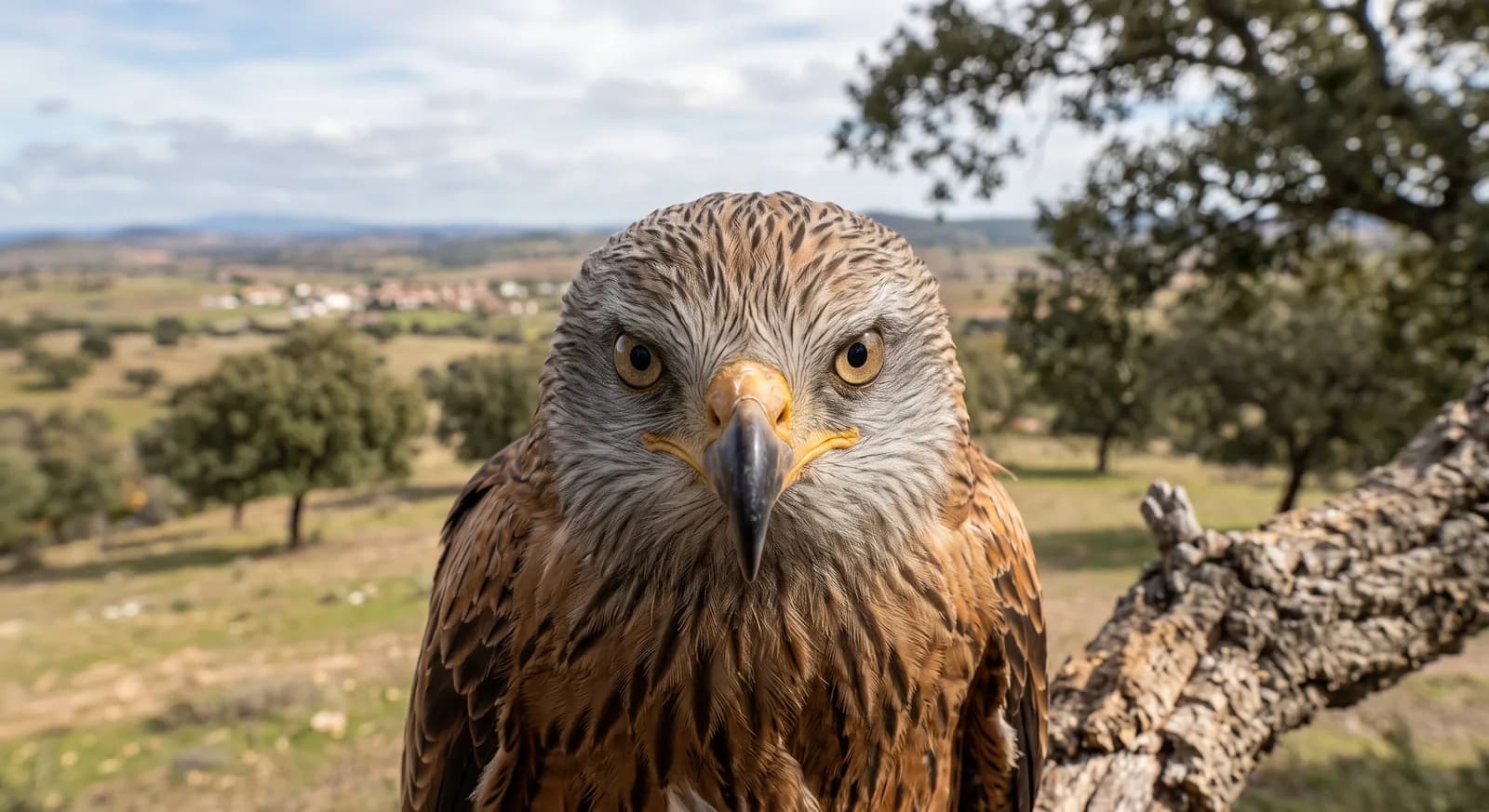
Red KiteLeast Concern

Red Kite

Milvus milvus

Least Concern

Common Chaffinch

Fringilla coelebs

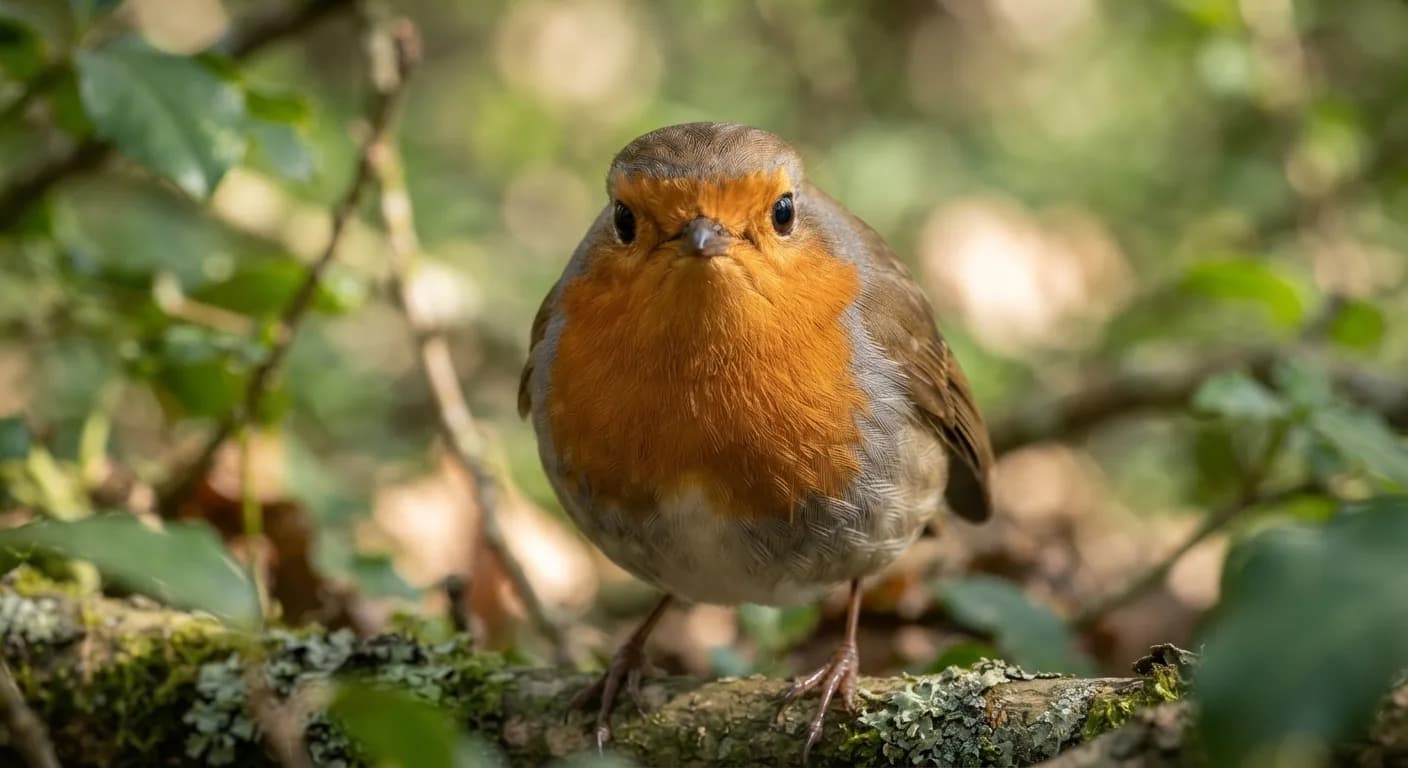
European RobinLeast Concern

European Robin

Erithacus rubecula

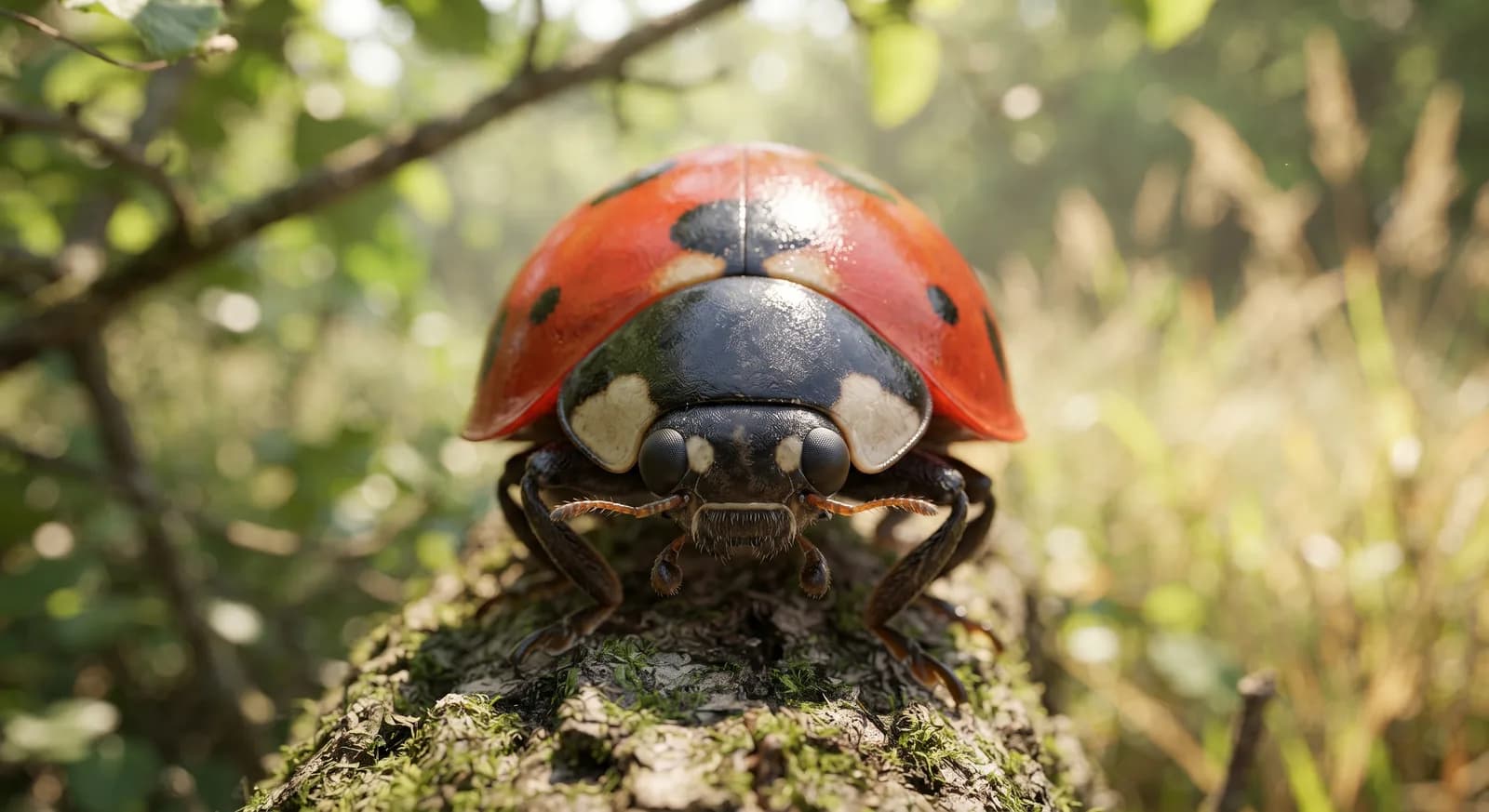
Seven-spotted Lady BeetleNot Evaluated

Seven-spotted Lady Beetle

Coccinella septempunctata

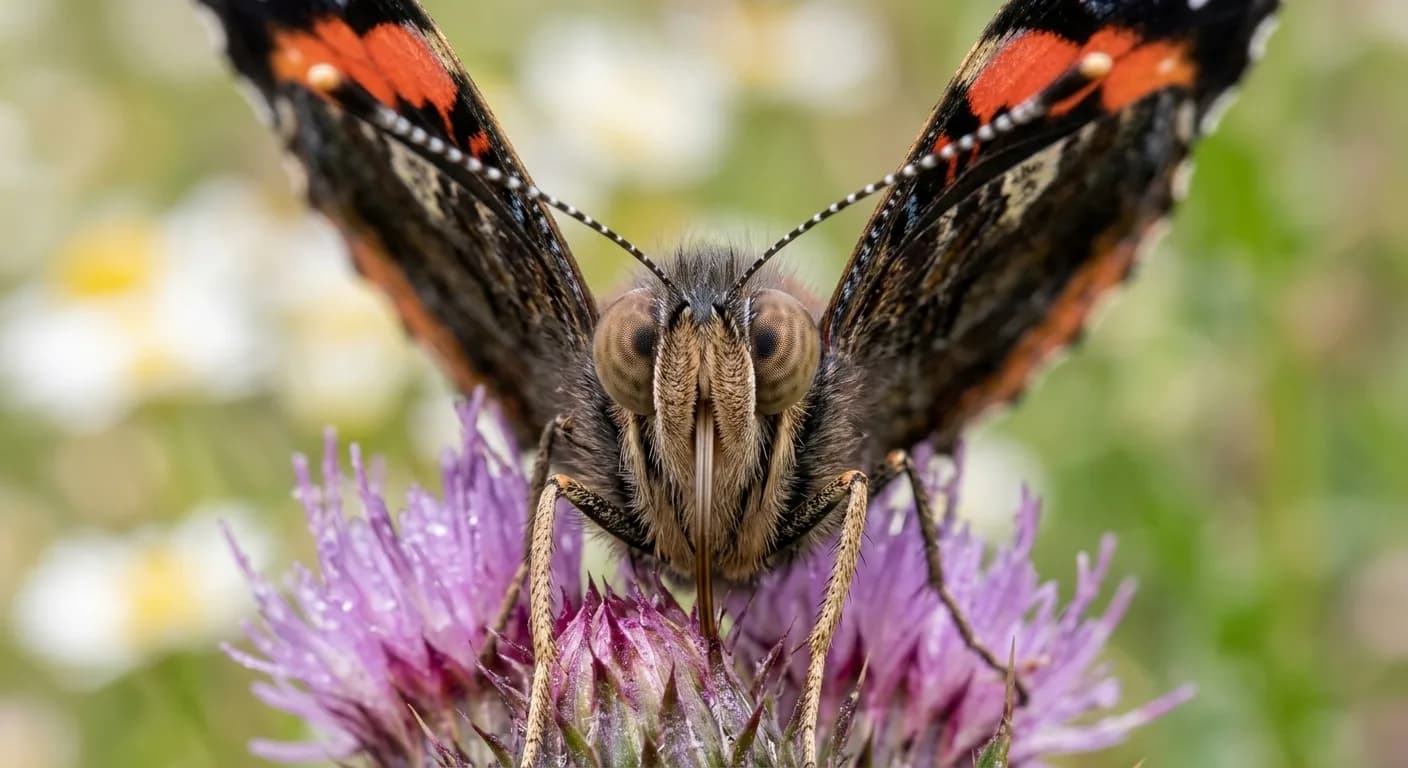
Red AdmiralLeast Concern

Red Admiral

Vanessa atalanta

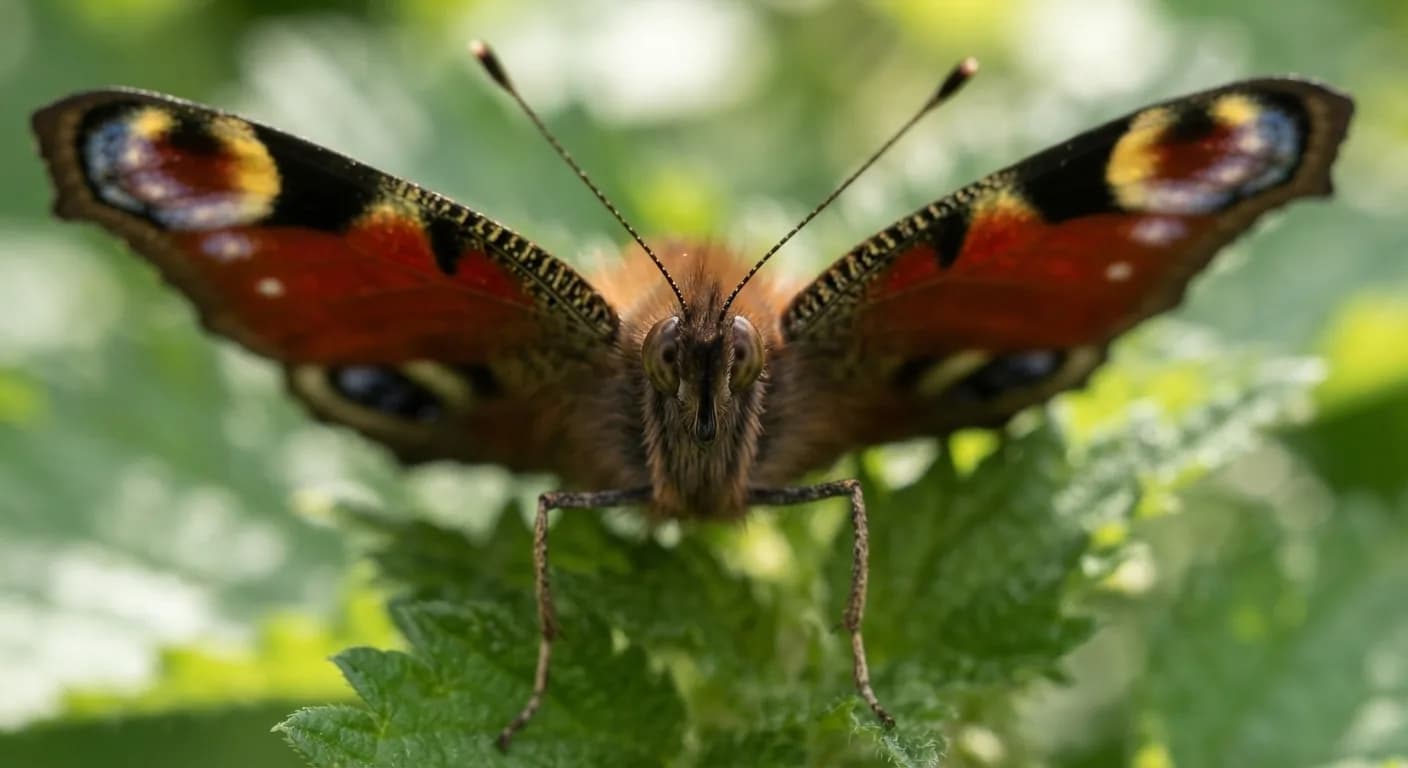
PeacockLeast Concern

Peacock

Aglais io

CountriesGermany
TagsOmnivore
Omnivore
Diurnal
Solitary
Insect
Grassland
Germany
United Kingdom