 Not Evaluated
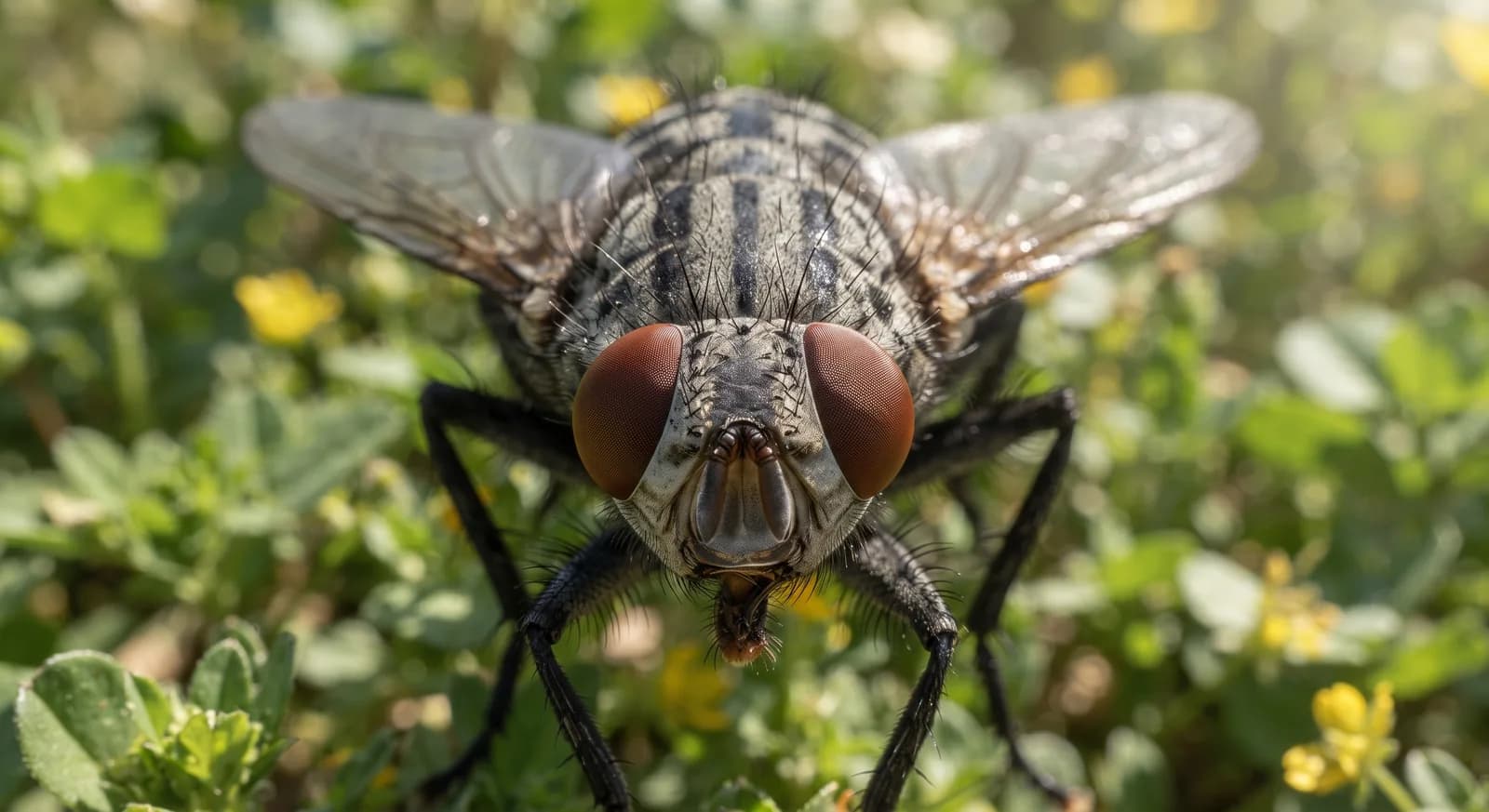
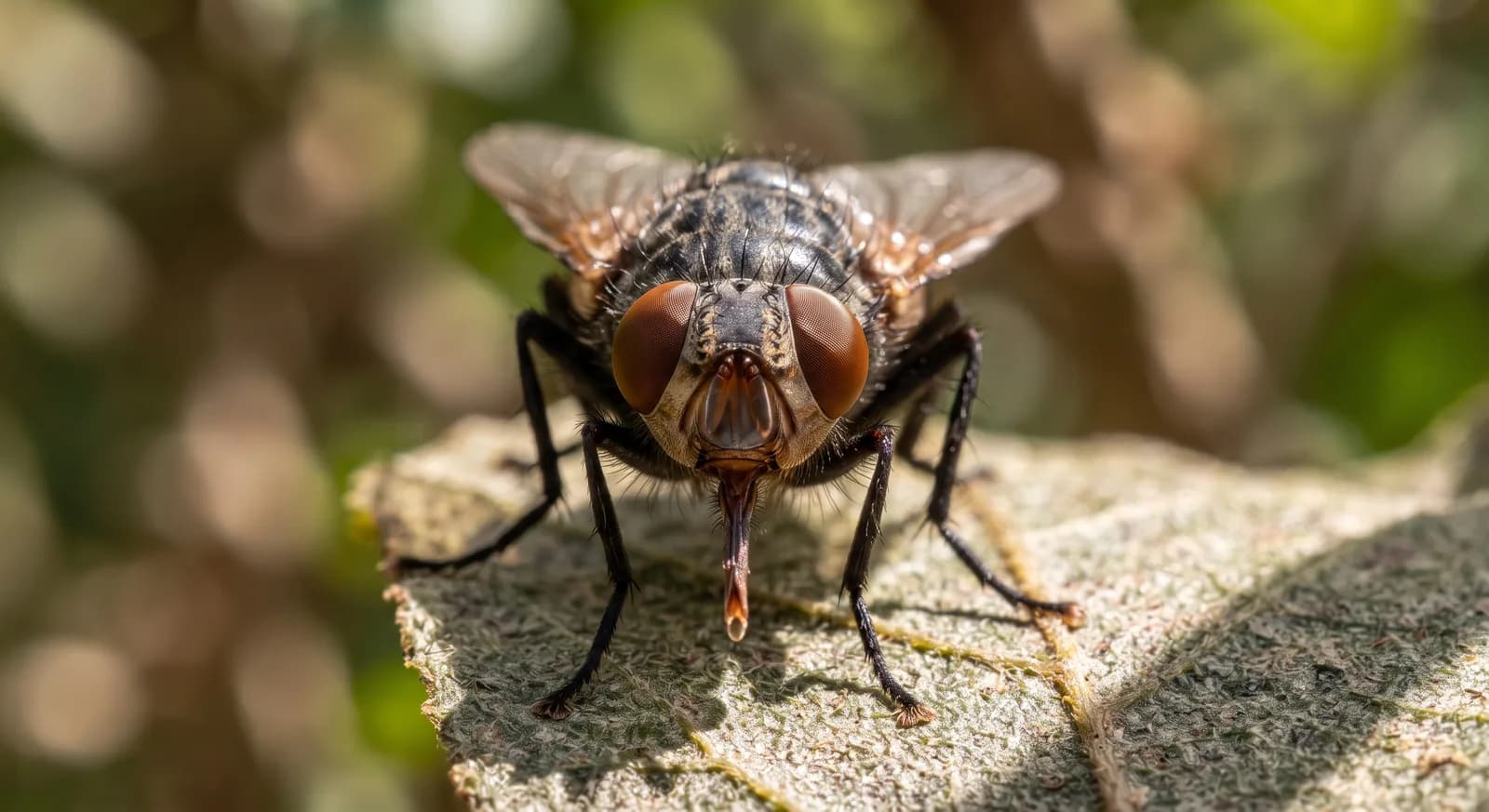
Tsetse Fly
Glossina morsitans
43 countries69 parks
Species group · Insects
WAnimals has 15 species of fly, spread across 15 families (Aleyrodidae, Asilidae, Bombyliidae, Calliphoridae, Cecidomyiidae, Drosophilidae, Glossinidae, Muscidae, Oestridae, Sarcophagidae, Simuliidae, Stratiomyidae, Syrphidae, Tenthredinidae, Tephritidae).
Each one has its own full profile. This group does not replace them: it brings them together.
No species documented in this group is genuinely at risk according to the IUCN, with the data available today.
Recorded in 167 countries. The ones with the most species in the group:
It carries sleeping sickness; the female gives birth to fully developed larvae, one at a time.
From
It is viviparous: it lays no eggs but gestates a single larva inside the uterus and feeds it on a milky secretion produced by a specialised gland, with proteins analogous to those of mammalian milk.
From
That strategy gives it a very low fecundity — between eight and ten offspring in a lifetime, compared with a mosquito's hundreds — and that is precisely what makes it vulnerable to population control.
From
It is a kleptoparasite: in mid-flight it flicks its eggs towards the entrances of solitary bee nests, and the larvae that hatch devour the provisions and the bee's own larva.
From
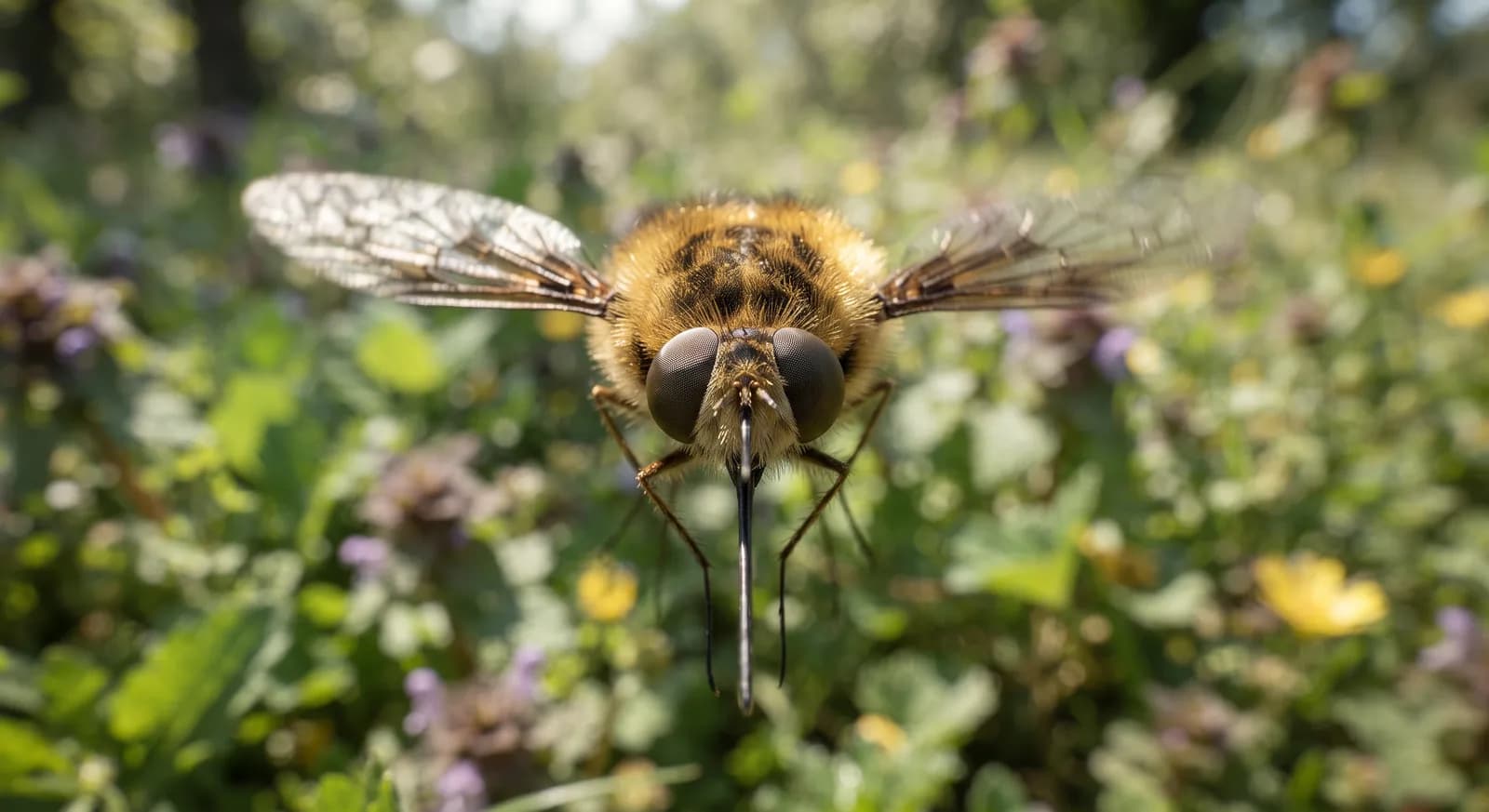
Its proboscis is rigid and cannot be folded away, so it carries it out in front like a lance, although it is completely harmless and does not sting.
From
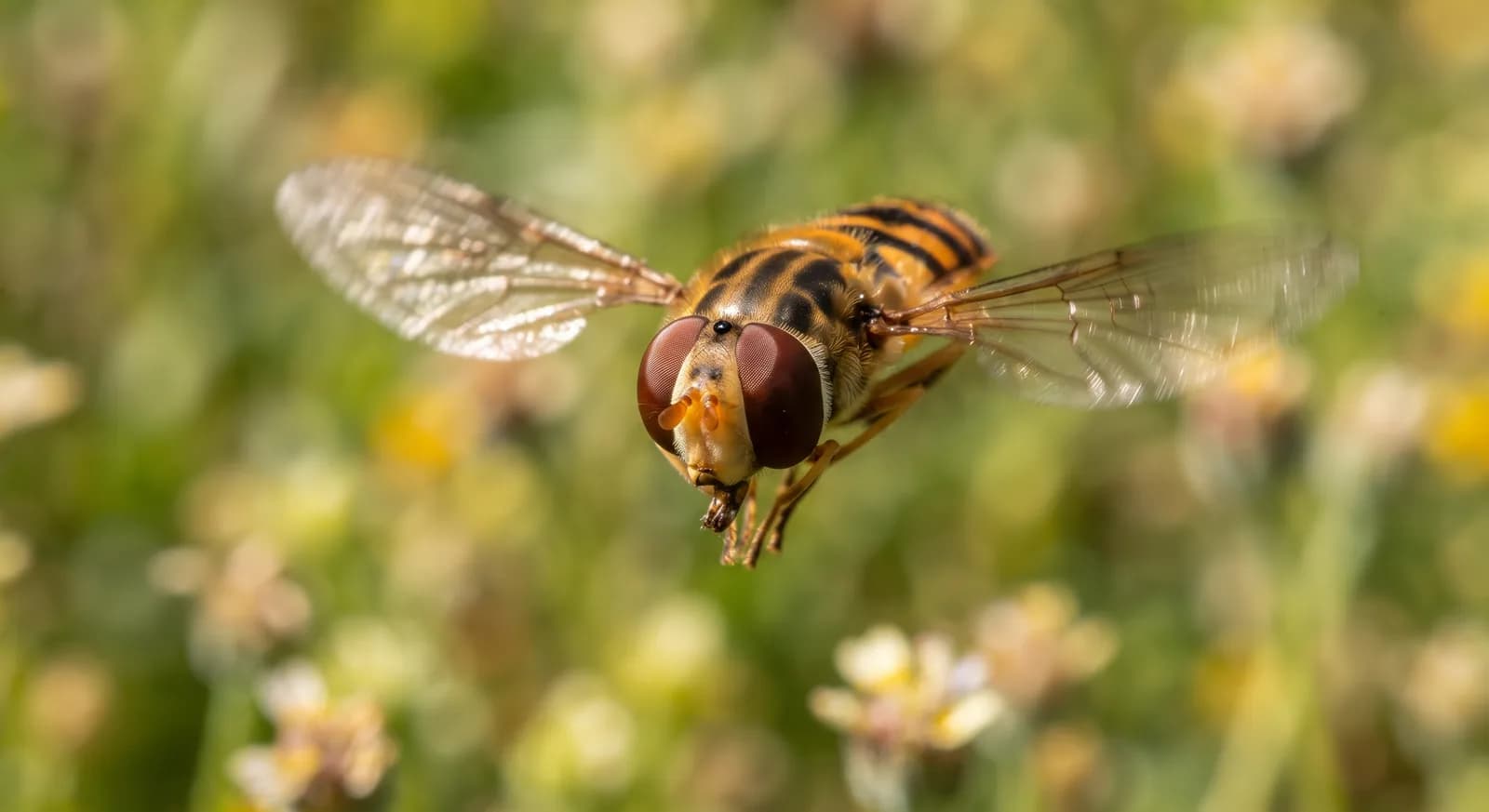
Its hovering flight, with the legs dangling and the wings almost invisible, is one of the most recognisable sights of early spring.
From
Its whole cycle from egg to adult can take only 7 to 10 days in ideal conditions.
·
Ranges calculated from the profiles that record the figure, not from all 15.
From
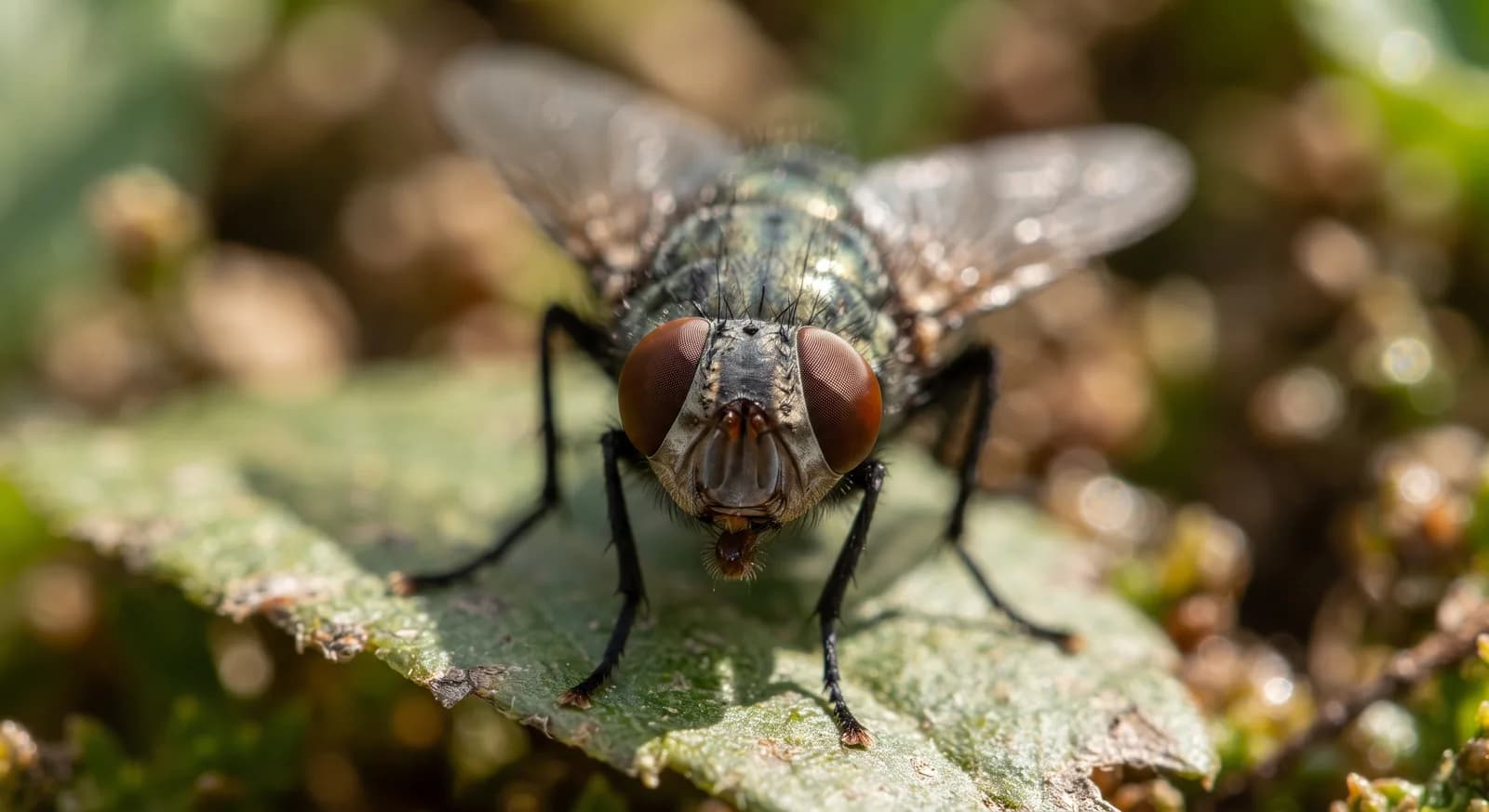
It feeds by suction and cannot take in solid food.
From