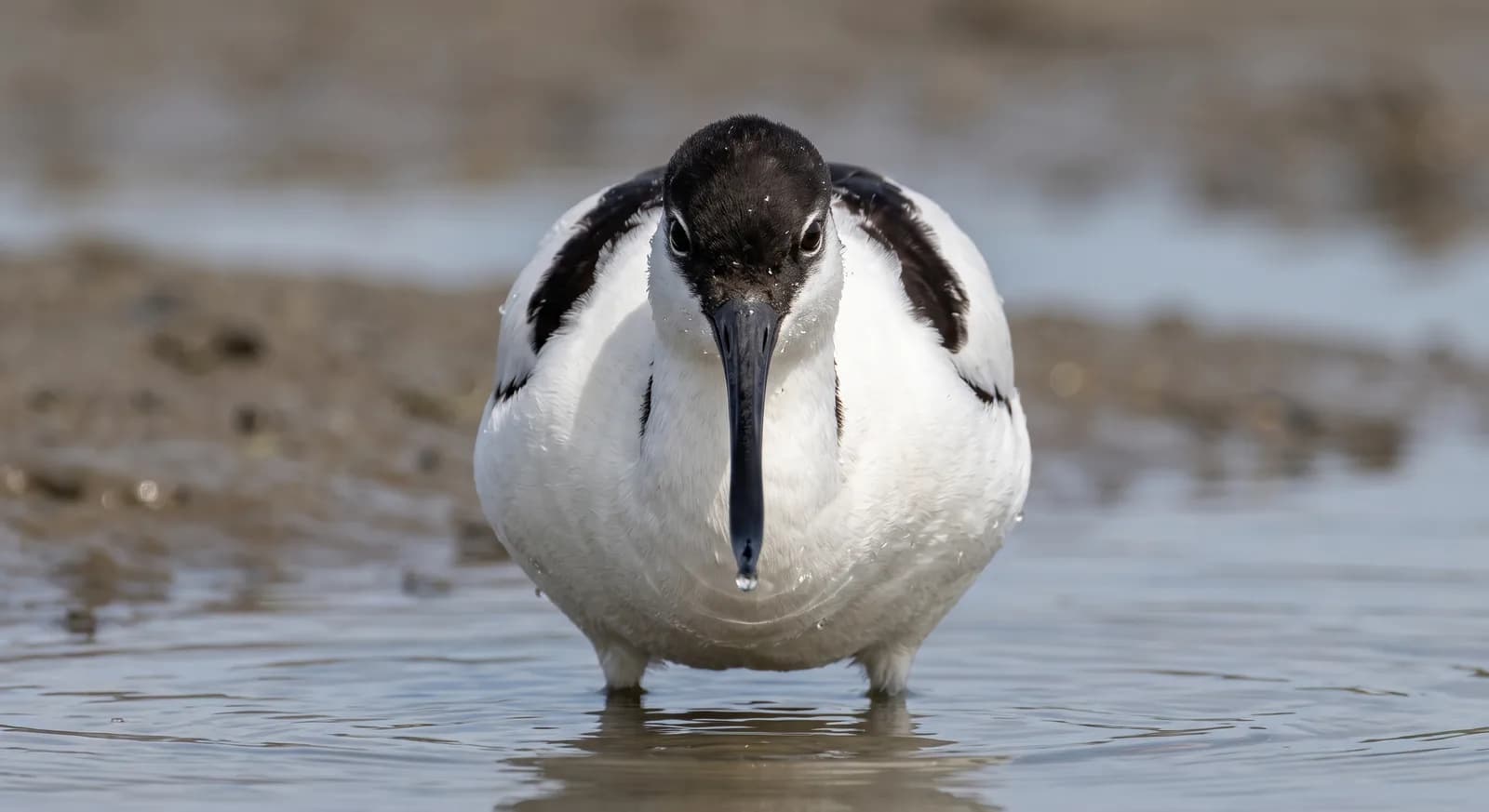
 Least Concern
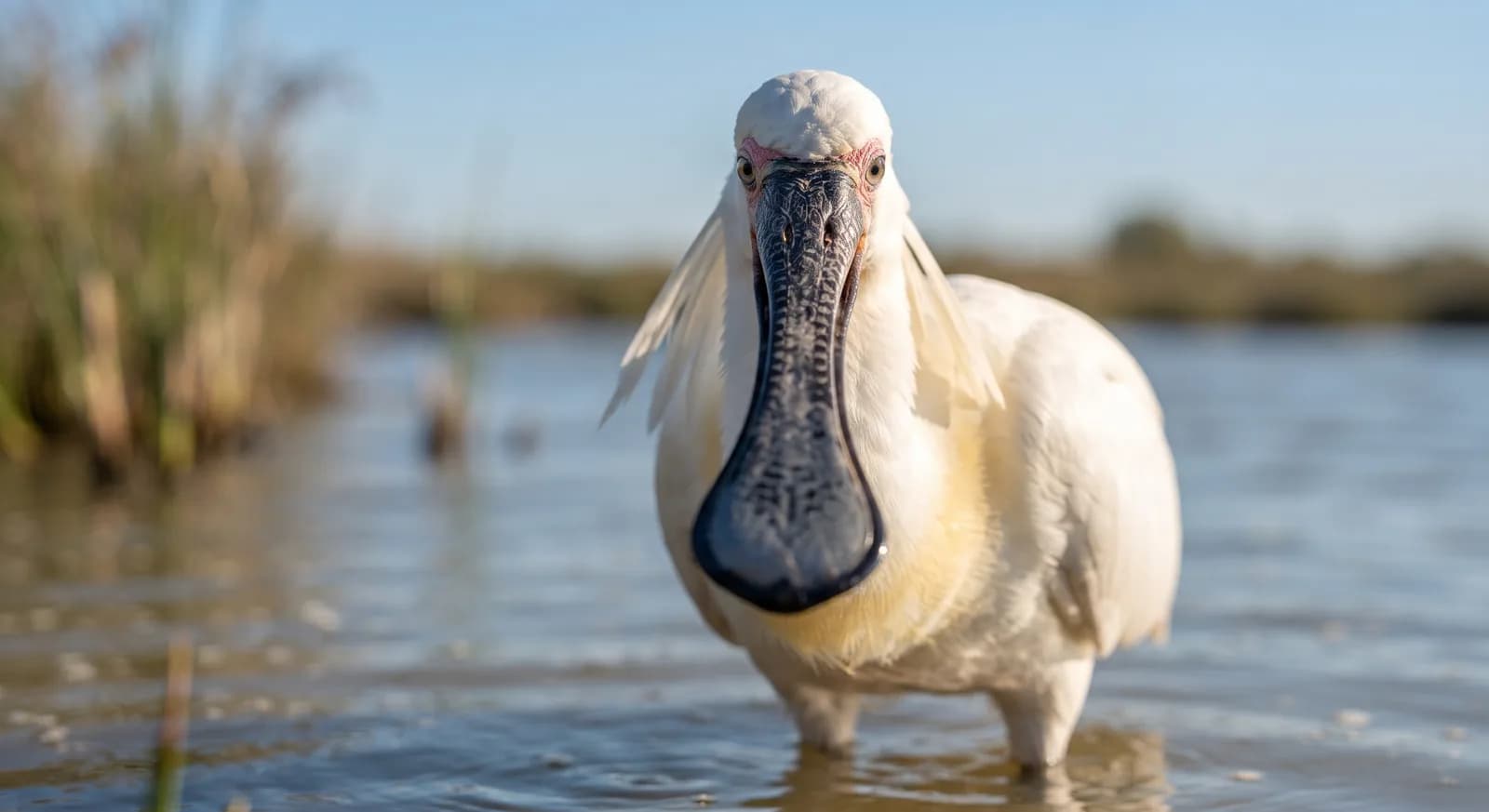
Pied Avocet
Recurvirostra avosetta
One of the 13 flies on WAnimals
Insects · Diptera · Simuliidae
Simulium erythrocephalum
It has not yet been assessed against the IUCN criteria.
A small, hump-backed blackfly whose females need blood to mature their eggs and bite by tearing the skin, which causes a far more dramatic reaction than a mosquito bite. Its larvae live attached to stones in fast, well-oxygenated stretches of river.
Size
0.2 cm – 0.5 cm
Life expectancy
1 year
Diet
Carnivore
Feeds mainly on other animals.
Activity
Diurnal
Active mainly during the day.
Social structure
Solitary
Lives and hunts alone, joining others only to breed.
Sources consulted: Adler y McCreadie (2019) · Science of the Total Environment (2024) · Organización Mundial de la Salud · IRAC, ficha Simulium spp · WCVM, Universidad de Saskatchewan · ScienceDirect (Hughes 1989) · Science Advances, How colonial animals evolve · Wikipedia, Zooid · EcoSpark · Animal Diversity Web, genero Simulium · Pennsylvania DEP · Pennsylvania DEP, biologia de la mosca negra · Animal Diversity Web
Best time: In temperate regions the adults emerge in late spring; in the tropics there are adults all year round. They bite by day, above all in the morning and the early afternoon, in shaded places
Other species in the catalogue with the most in common with Black Fly — same habitat, park, country, tags or family.
Based on what we already know about black fly.