Skip to content
WAnimals
  • Map
  • Species
  • Parks
  • Diving
Log inCreate account
WAnimals

The guide for travellers and animal lovers: discover, plan and share your wild adventures around the world.

Discover wildlife

  • Species
  • Ecosystems
  • Glossary
  • Tags

Explore places

  • Map
  • Countries
  • Parks
  • Diving

Plan experiences

  • Guides

Learn

  • Blog

Resources

  • Help centre
  • Contact
  • Install the app

Follow us

Account

  • Log in
  • Create account

© 2026 WAnimals. All rights reserved.

About usHow we build our profilesTerms of servicePrivacyLegal notice
MapSpeciesParksDiving
  1. Home
  2. Species
  3. Hornet Robberfly

One of the 15 flies on WAnimals

Insects · Diptera · Asilidae

Hornet Robberfly

Asilus crabroniformis

Not Evaluated

It has not yet been assessed against the IUCN criteria.

Spotted something wrong?

It is one of the largest flies in Europe, with a yellow-and-black abdomen that makes it look like a hornet. It is a predator that hunts beetles, grasshoppers and other flies on the wing, then settles with its prey and injects paralysing saliva to suck out the liquefied tissues.

Size

2 cm – 2.8 cm

Life expectancy

3 years

Diet

Carnivore

Feeds mainly on other animals.

Activity

Diurnal

Active mainly during the day.

Social structure

Solitary

Lives and hunts alone, joining others only to breed.

Sighting difficulty

Unknown

Grassland
3countries

Fun facts

  • Its larvae develop in the soil beneath cow and horse dung, where they prey on beetle grubs, so the species disappears from pastures without extensive grazing.
  • The beard of stiff bristles on its face protects it from the kicks of the prey it catches in flight.
  • It is considered a good indicator of well-preserved grassland under traditional livestock management.
  • It is one of the largest flies in Europe and a fearsome aerial predator: it hunts beetles, grasshoppers, bees and other flies on the wing, sometimes larger than itself.
  • It kills by injection: it grips the prey with its spiny legs, stabs it with its rigid rostrum and injects neurotoxic saliva and digestive enzymes that paralyse it and liquefy it in seconds.
  • Its appearance mimics that of a hornet, with a yellow-and-black abdomen, but it does not sting: it is Batesian mimicry.
  • It depends on livestock. Its larva lives in the soil beneath dung pats and is believed to hunt the dung beetle larvae that develop there, so the species only thrives where traditional extensive grazing survives.
  • That is why it is in decline across western Europe and is a priority conservation species in the United Kingdom: it disappears with the intensification of livestock farming and with the use of antiparasitic treatments that kill the fauna of the dung.
  • It has a dense beard of bristles between its eyes, called the mystax, which protects its face from prey that fight back.

Life cycle and biology

Skeleton type
Invertebrate - chitin exoskeleton (insect)
Habitat and environment
Dry grassland and wood pasture with cattle and horse dung
Sexual maturity
The adults begin to emerge in mid-June and the bulk appear in July; they hunt from a perch and catch their prey in mid-air
Gestation / incubation
The larva develops in and under droppings, mainly old cowpats and horse dung, and takes two to three years; the exact food of the larva remains unknown
Litter / clutch size
The female lays the eggs on or around herbivore droppings, preferring those whose surface has already dried

Sources consulted: Buglife; Natural England, planes de acción de especies; Pinheiro et al., trabajos sobre Asilidae; Worcestershire Biological Records Centre; Enciclopedia de la vida; Cumbria Wildlife Trust; Worcestershire Biological Records Centre, estudios de campo sobre Asilus crabroniformis; Ficha de especie de Asilus crabroniformis; Enciclopedia de la vida, ficha Hornet robberfly

Where to find it

Best time: July to September, in grazed grassland

Loading map…

Related species

Other species in the catalogue with the most in common with Hornet Robberfly — same habitat, park, country, tags or family.

Related to
Related to
Related to
Related to
Related to
Related to

Keep exploring

Based on what we already know about hornet robberfly.

Comments

Share an experience, a fun fact or a tip for seeing the hornet robberfly.

Be the first to comment.
See full glossary
This page in other languages: Español · Deutsch · Français · Português · Italiano
See its range on the interactive map→
Common BuzzardLeast Concern

Common Buzzard

Buteo buteo

Eurasian HoopoeLeast Concern

Eurasian Hoopoe

Upupa epops

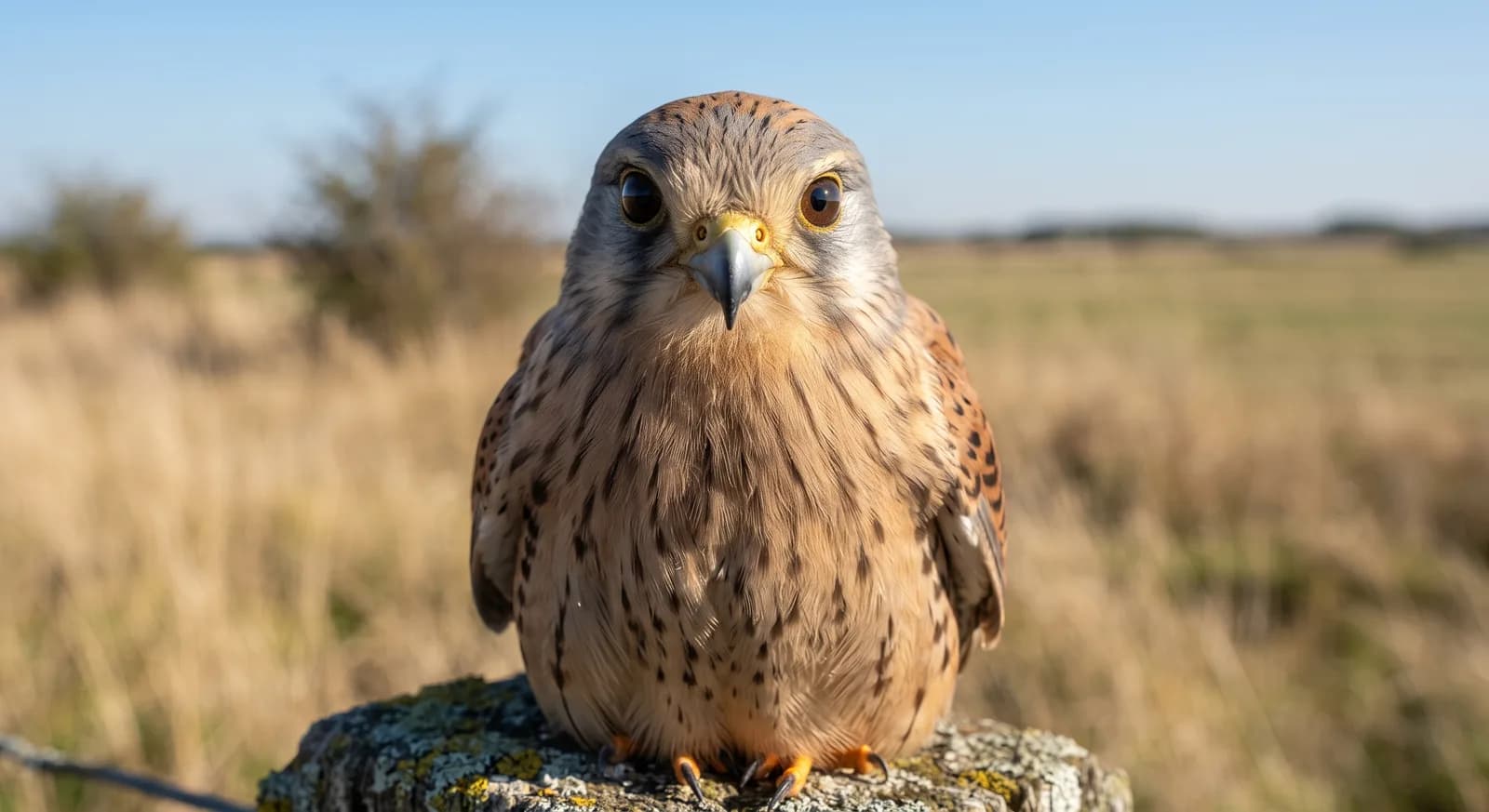
Common KestrelLeast Concern

Common Kestrel

Falco tinnunculus

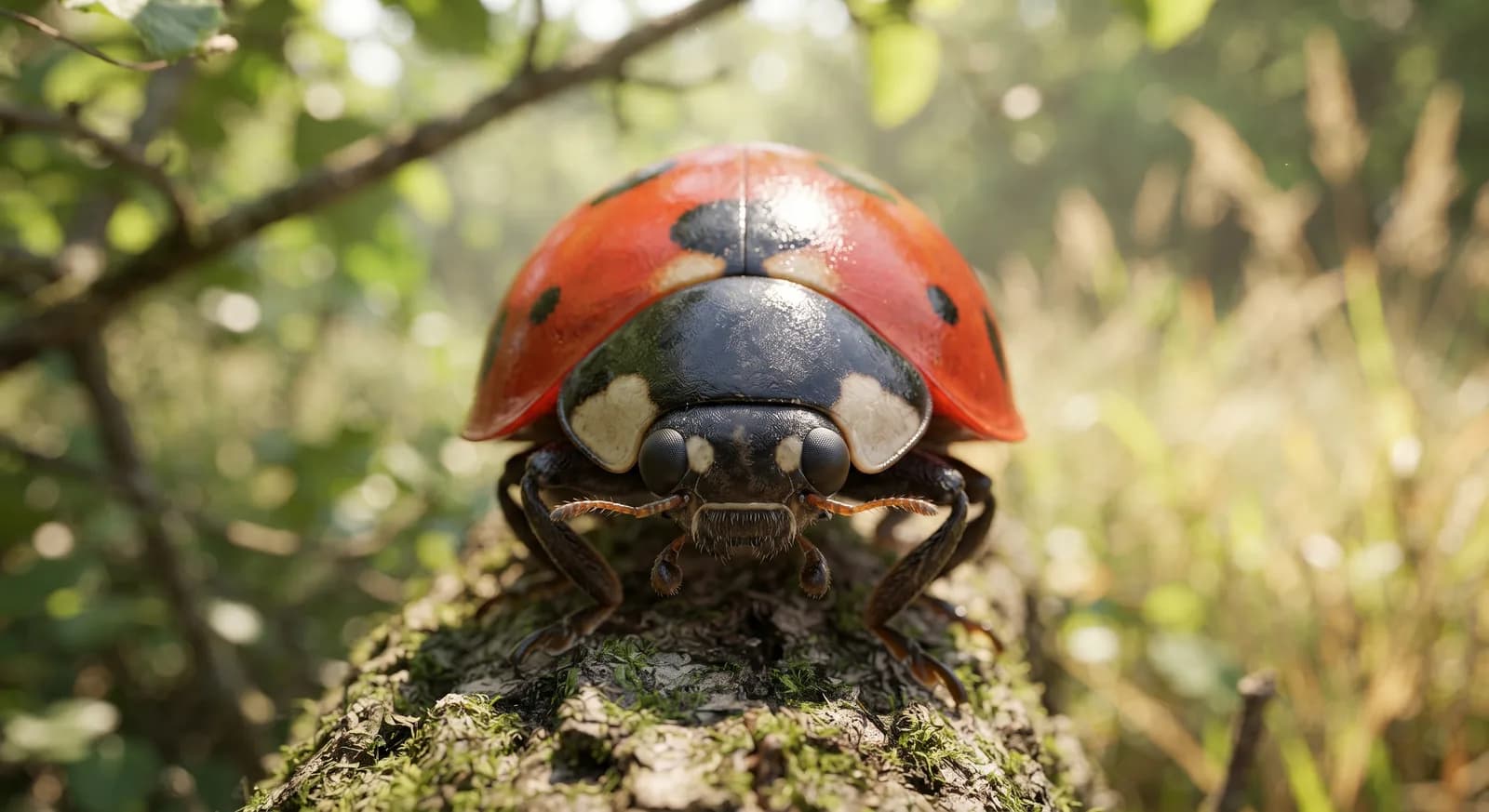
Seven-spotted Lady BeetleNot Evaluated

Seven-spotted Lady Beetle

Coccinella septempunctata

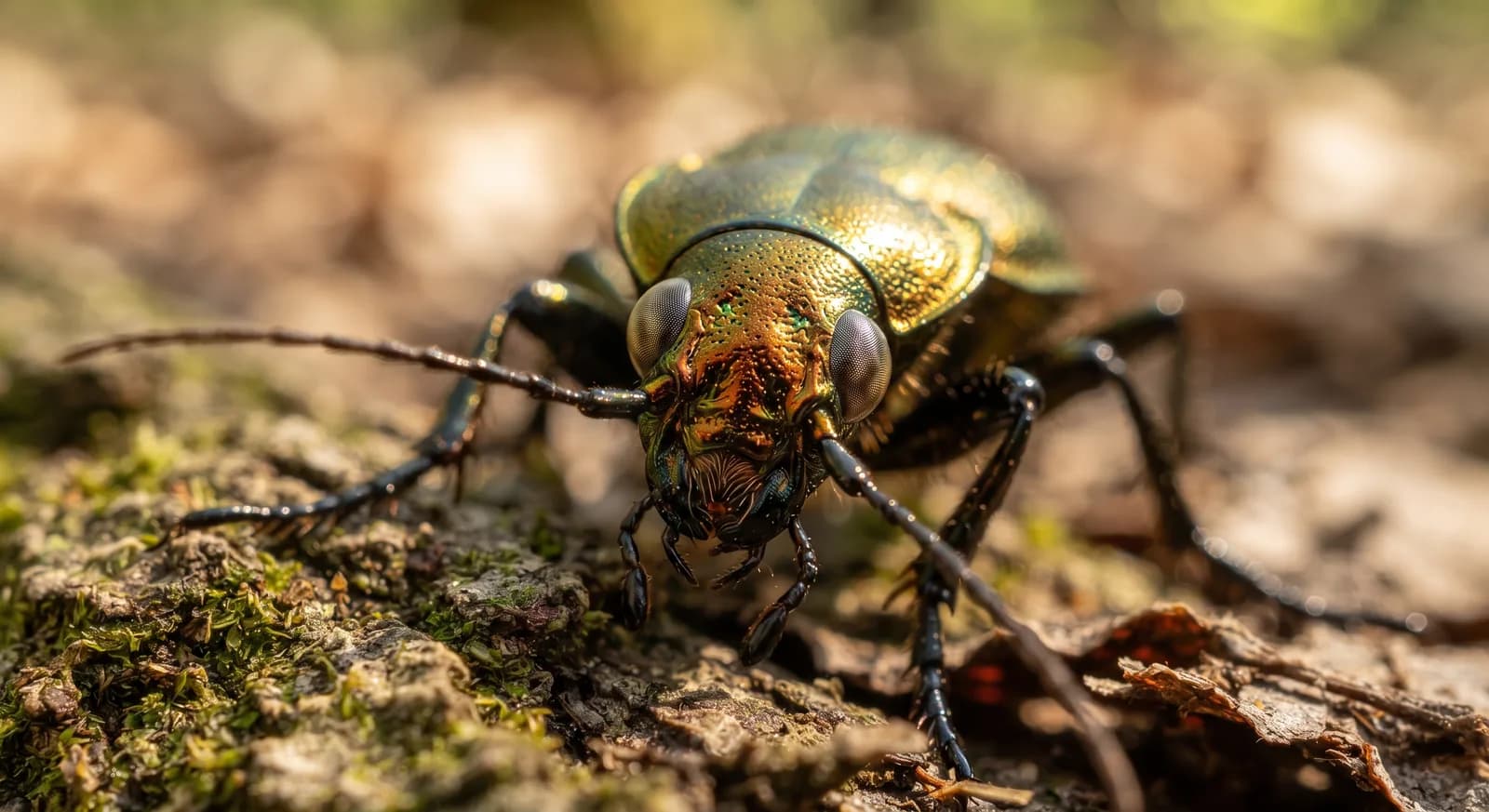
Golden Ground BeetleLeast Concern

Golden Ground Beetle

Carabus auratus

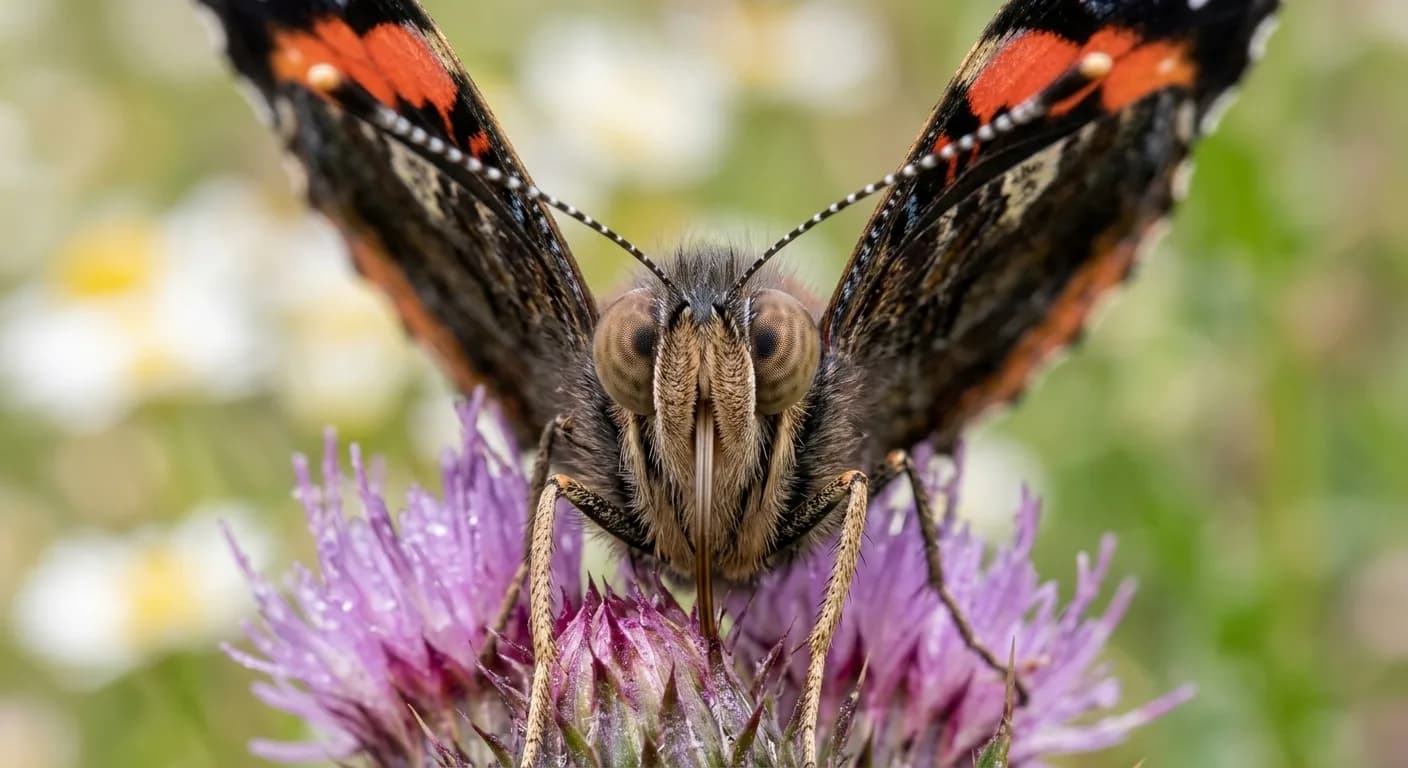
Red AdmiralLeast Concern

Red Admiral

Vanessa atalanta

CountriesFrance
TagsCarnivore
Carnivore
Diurnal
Solitary
Insect
Grassland
France
Germany
United Kingdom