One of the 15 flies on WAnimals
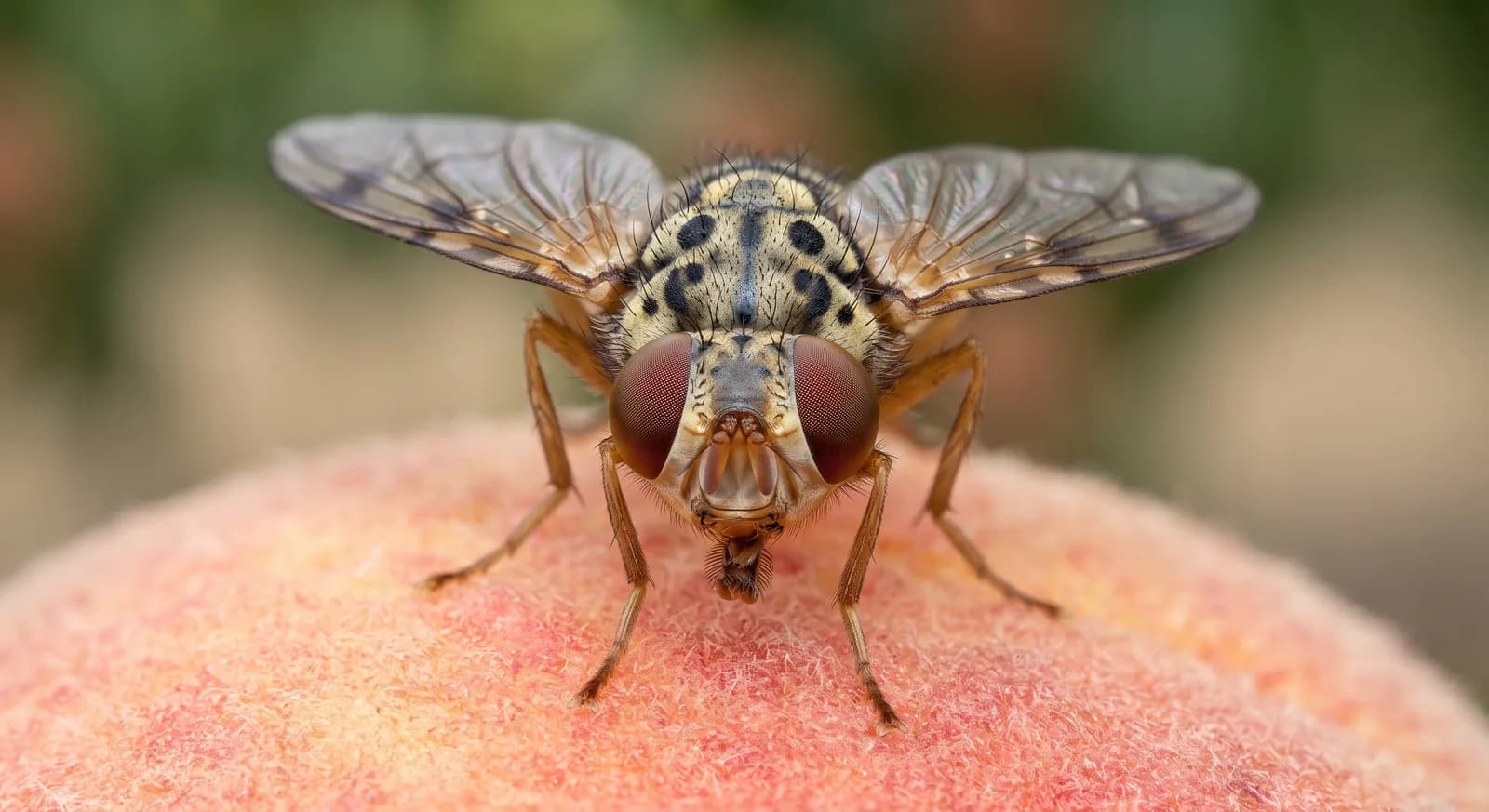
Insects · Diptera · Tephritidae
Ceratitis capitata
It has not yet been assessed against the IUCN criteria.
Ceratitis capitata is a brachyceran fly of the family Tephritidae, originally from the west coast of Africa, where very closely related species live. From there it spread to temperate, subtropical and tropical climates in both hemispheres. It is regarded as a cosmopolitan species because of its present worldwide spread, due in large part to the growth of the global fruit trade.
Size
0.3 cm – 0.5 cm
Diet
Herbivore
Feeds mainly on plants.
Activity
Diurnal
Active mainly during the day.
Social structure
Solitary
Lives and hunts alone, joining others only to breed.
Sighting difficulty
Unknown
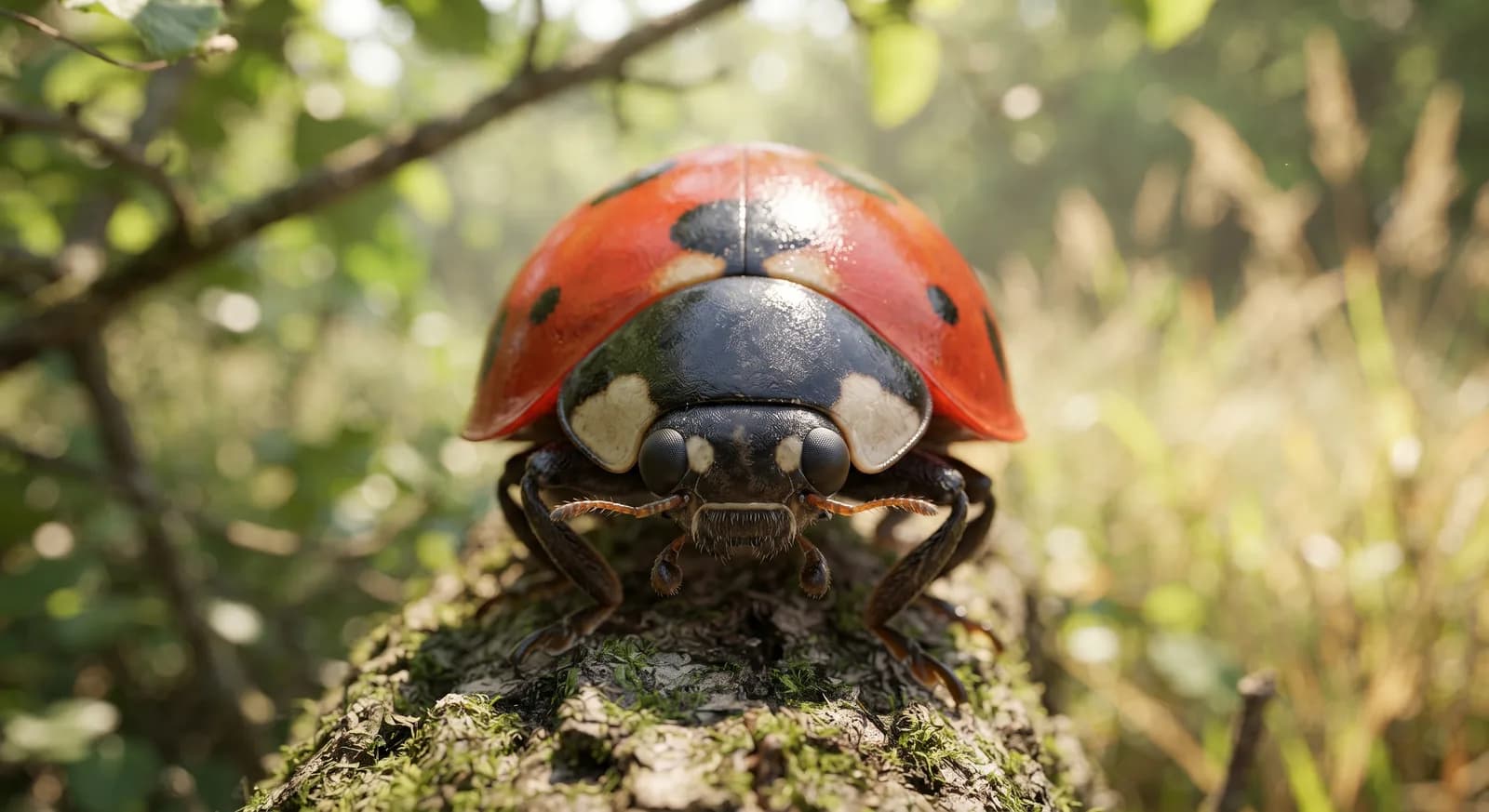
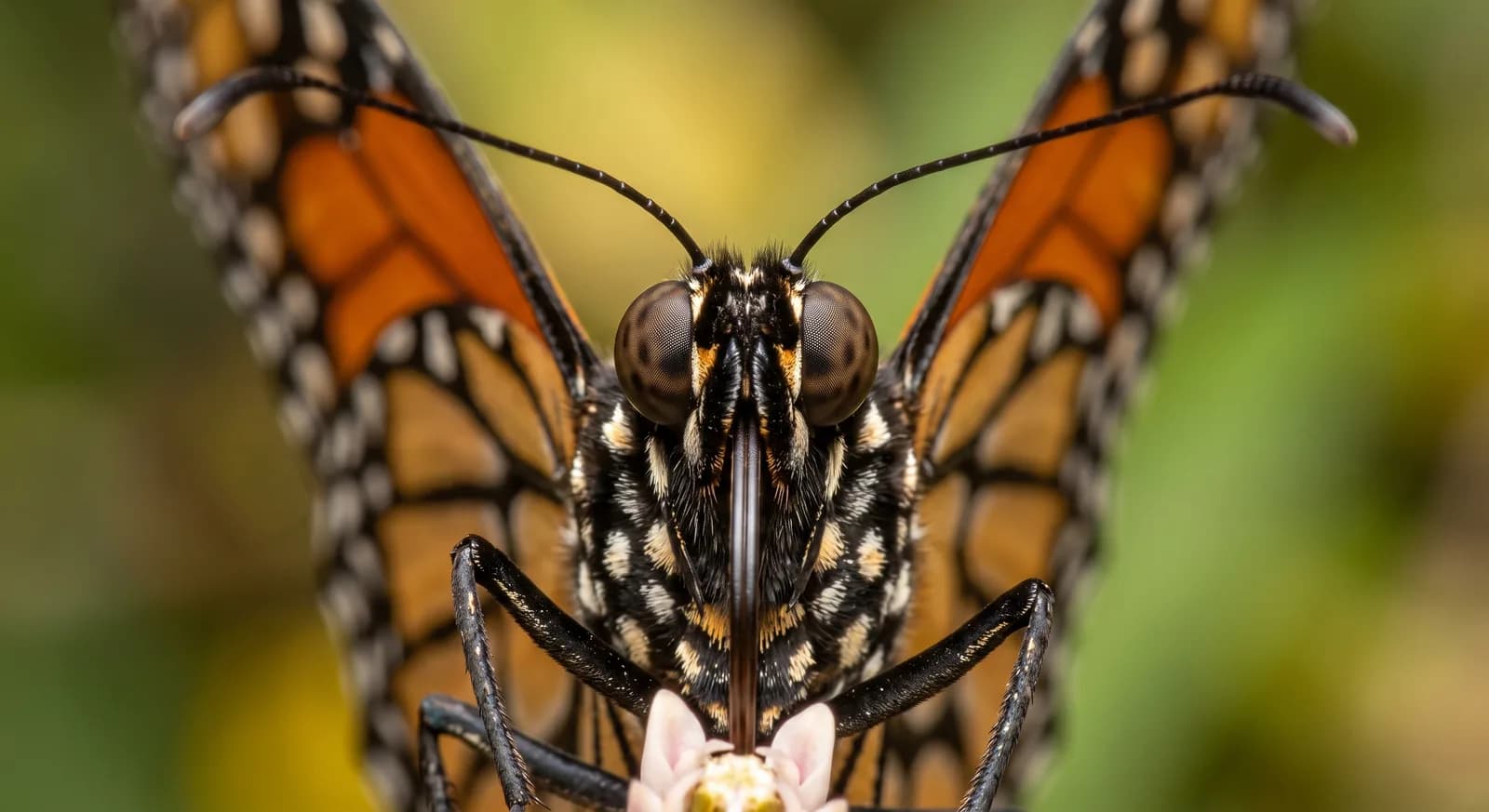
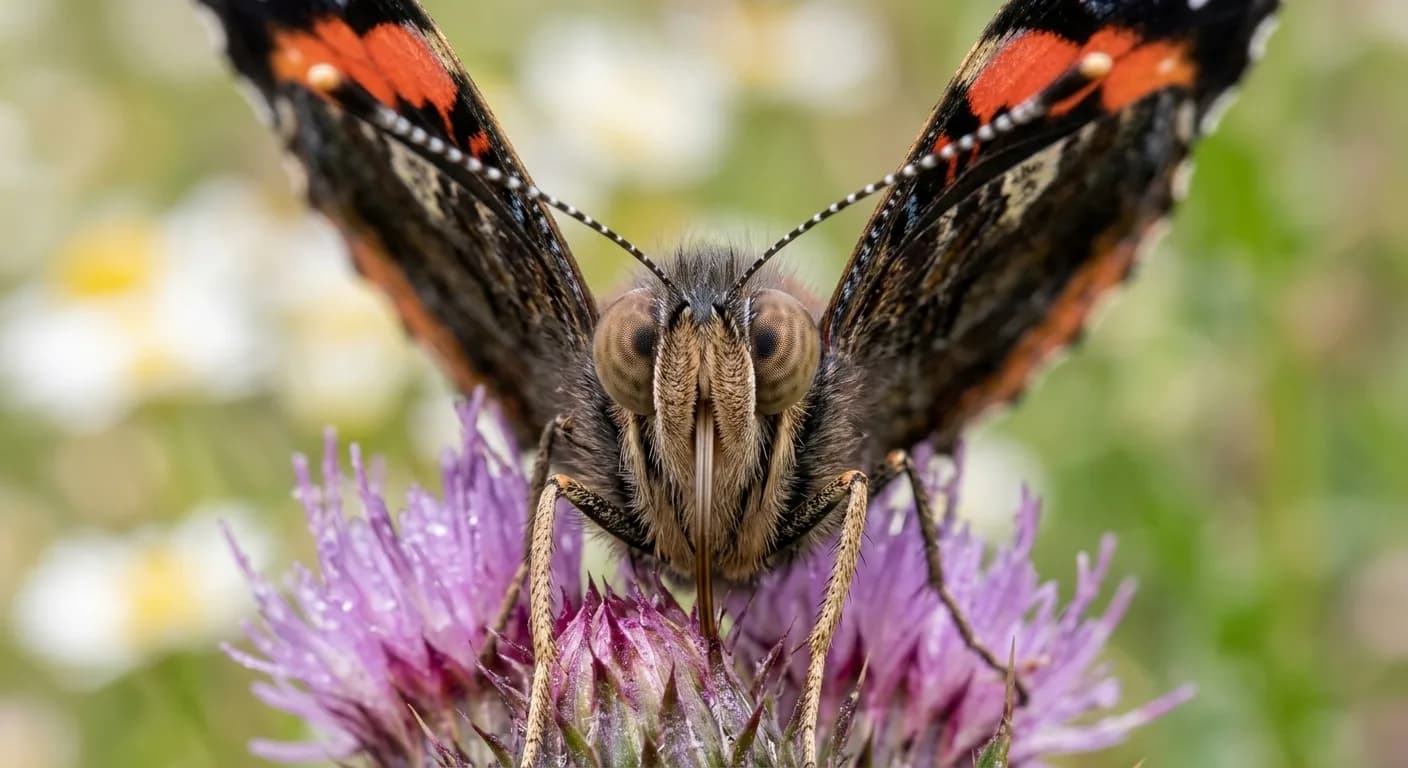
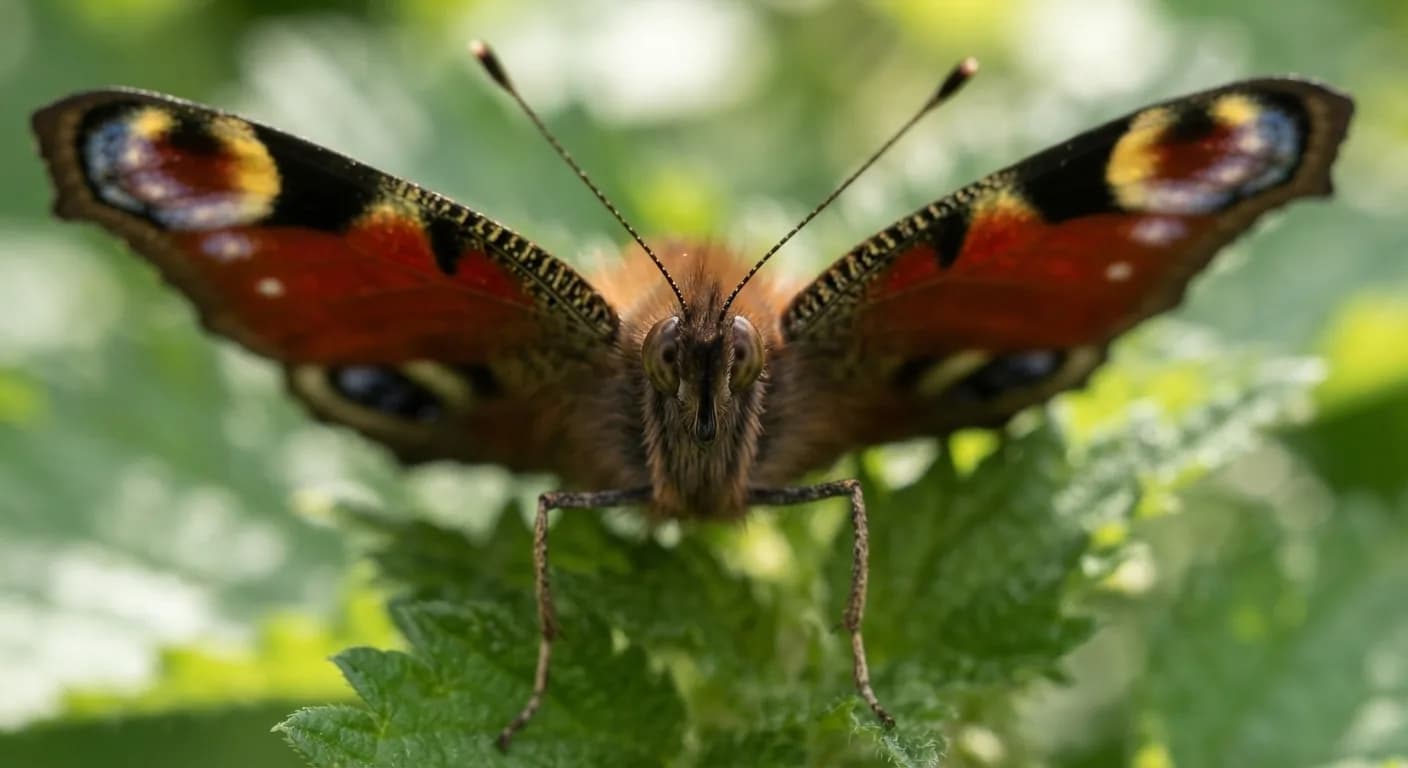
AI-generated images: illustrations, not photographs.
Sources consulted: https://es.wikipedia.org/wiki/Ceratitis_capitata; Animal Diversity Web; Carey et al. 2008 (PubMed 18314553); EPPO Datasheet CERTCA (Vargas et al. 1984); Russell IPM; IUCN GISD, ficha Ceratitis capitata; Animal Diversity Web, Ceratitis capitata; EPPO Datasheet CERTCA (Manrakhan & Lux 2006); Russell IPM, ficha Ceratitis capitata
Best time: In tropical and warm regions it breeds all year round; in a Mediterranean climate the peak coincides with the ripening of the fruit
Other species in the catalogue with the most in common with Mediterranean Fruit Fly — same habitat, park, country, tags or family.
Based on what we already know about mediterranean fruit fly.
Share an experience, a fun fact or a tip for seeing the mediterranean fruit fly.
Be the first to comment.