Skip to content
WAnimals
  • Map
  • Species
  • Parks
  • Diving
Log inCreate account
WAnimals

The guide for travellers and animal lovers: discover, plan and share your wild adventures around the world.

Discover wildlife

  • Species
  • Ecosystems
  • Glossary
  • Tags

Explore places

  • Map
  • Countries
  • Parks
  • Diving

Plan experiences

  • Guides

Learn

  • Blog

Resources

  • About us
  • How we build our profiles
  • Help centre
  • Contact
  • Install the app

Follow us

Account

  • Log in
  • Create account

© 2026 WAnimals. All rights reserved.

Terms of servicePrivacyCookiesLegal notice
MapSpeciesParksDiving
  1. Home
  2. Species
  3. Glasshouse Whitefly

Insects · Hemiptera · Aleyrodidae

Glasshouse Whitefly

Trialeurodes vaporariorum

Not Evaluated

It has not yet been assessed against the IUCN criteria.

Spotted something wrong?

Trialeurodes vaporariorum, commonly known as the whitefly or glasshouse whitefly, is a hemipteran insect of the family Aleyrodidae that lives in the warm regions of the Earth. It can become a pest of many agricultural crops of fruit, vegetables and ornamental plants; it is frequently found in glasshouses and other protective structures used in growing crops. The adults measure 1 to 2 mm long, their body is yellowish and they have four wings covered in a kind of wax, which at rest lie parallel to the insect's body.

Size

0.1 cm – 0.2 cm

Diet

Herbivore

Feeds mainly on plants.

Social structure

Solitary

Lives and hunts alone, joining others only to breed.

Grassland
6countries

Fun facts

  • GeneralIt is controlled by releasing parasitoid wasps rather than with insecticides.
  • Despite its name it is not a fly: it is a hemipteran, a relative of the aphids and scale insects, with the sucking mouthparts characteristic of the group.
  • Its juvenile stages are immobile, flattened and translucent, stuck to the underside of the leaf, and are mistaken for scale insects or dirt.
  • It was the first success of biological control under glass: the wasp Encarsia formosa has been used against it in British glasshouses since before 1930.
  • The main damage is not the sap it takes but the honeydew it excretes, on which a sooty mould grows that coats the leaf and reduces photosynthesis.
  • It transmits plant viruses, among them beet pseudo-yellows virus, described in California in 1965.
  • The release technique consists of hanging cards on the plant bearing already parasitised whitefly pupae, from which the wasps emerge.

Life cycle and biology

Skeleton type
Invertebrate - chitin exoskeleton (insect)
Habitat and environment
Glasshouses and vegetable crops
Sexual maturity
The females can mate less than 24 hours after emerging and begin to lay after three days
Gestation / incubation
The eggs hatch in about 8-10 days; the full cycle closes in 21-36 days at 21-27 °C and lengthens to 30-45 in cold conditions
Litter / clutch size
150 to 400 eggs per female, laid in a circle on the underside of the leaves; one study at 25 °C recorded 305 eggs per female

Sources consulted: Wikipedia (es): Trialeurodes vaporariorum · Estudio coreano de desarrollo a temperatura controlada (via AGRIS/FAO) · ScienceDirect (Hughes 1989) · Science Advances, How colonial animals evolve · Wikipedia, Zooid · ScienceDirect · Ficha de especie de Trialeurodes vaporariorum (CABI 2021) · Ficha de especie de Trialeurodes vaporariorum · guias de manejo en invernadero · UNH Extension, ficha Greenhouse whitefly

Where to find it

Best time: In a glasshouse all the stages overlap all year round; outdoors it does not survive harsh winters

Loading map…

Related species

Other species in the catalogue with the most in common with Glasshouse Whitefly — same habitat, park, country, tags or family.

Related to
Related to
Related to
Related to
Related to
Related to

Keep exploring

Based on what we already know about glasshouse whitefly.
Share an experience, a fun fact or a tip for seeing the glasshouse whitefly.
See full glossary
This page in other languages: Español · Deutsch · Français · Português · Italiano
See its range on the interactive map→
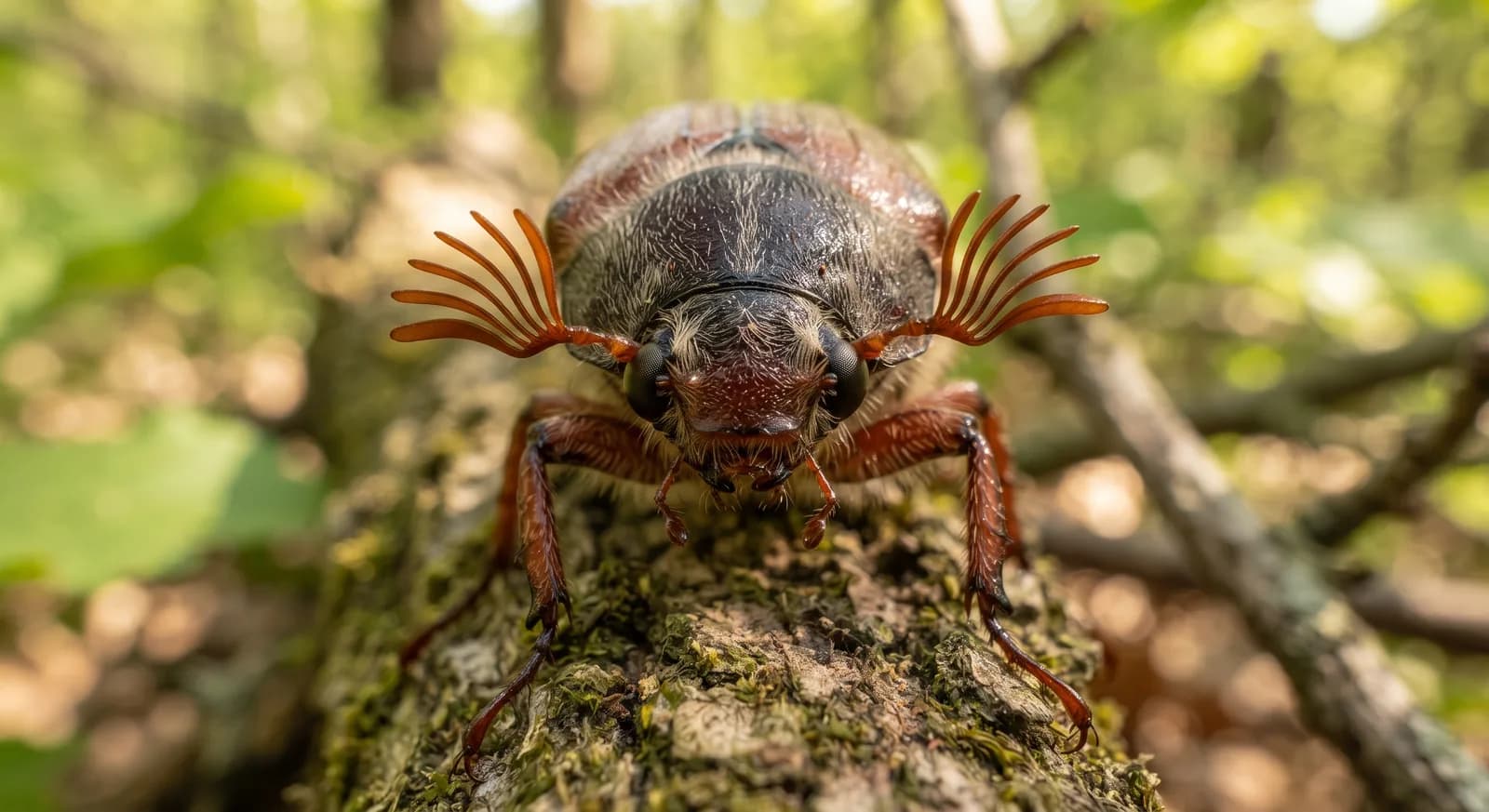
Common CockchaferNot Evaluated

Common Cockchafer

Melolontha melolontha

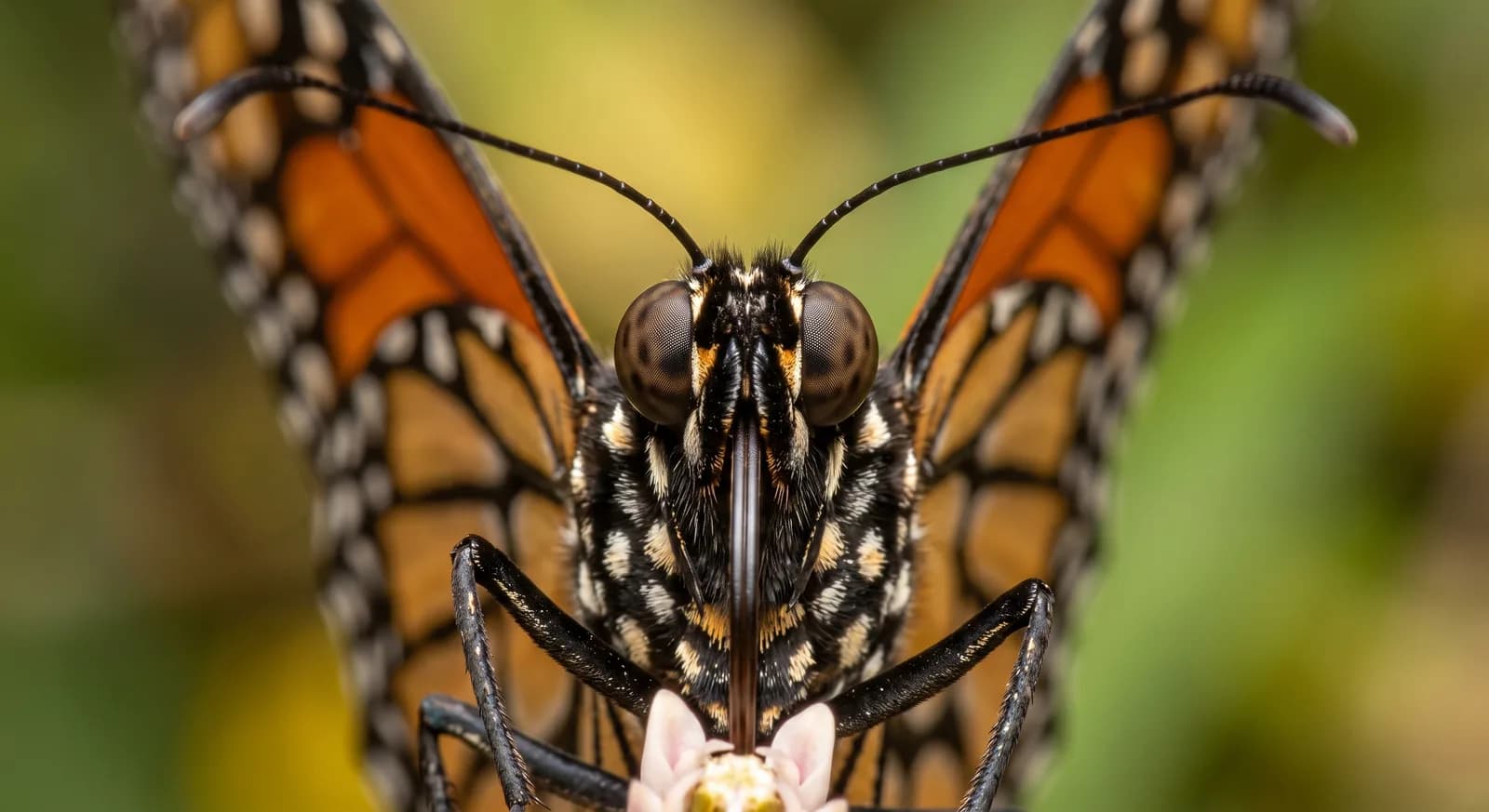
MonarchNot Evaluated

Monarch

Danaus plexippus

Not Evaluated

Pomace Fly

Drosophila melanogaster

Not Evaluated

Black Bean Aphid

Aphis fabae

Not Evaluated

Japanese Beetle

Popillia japonica

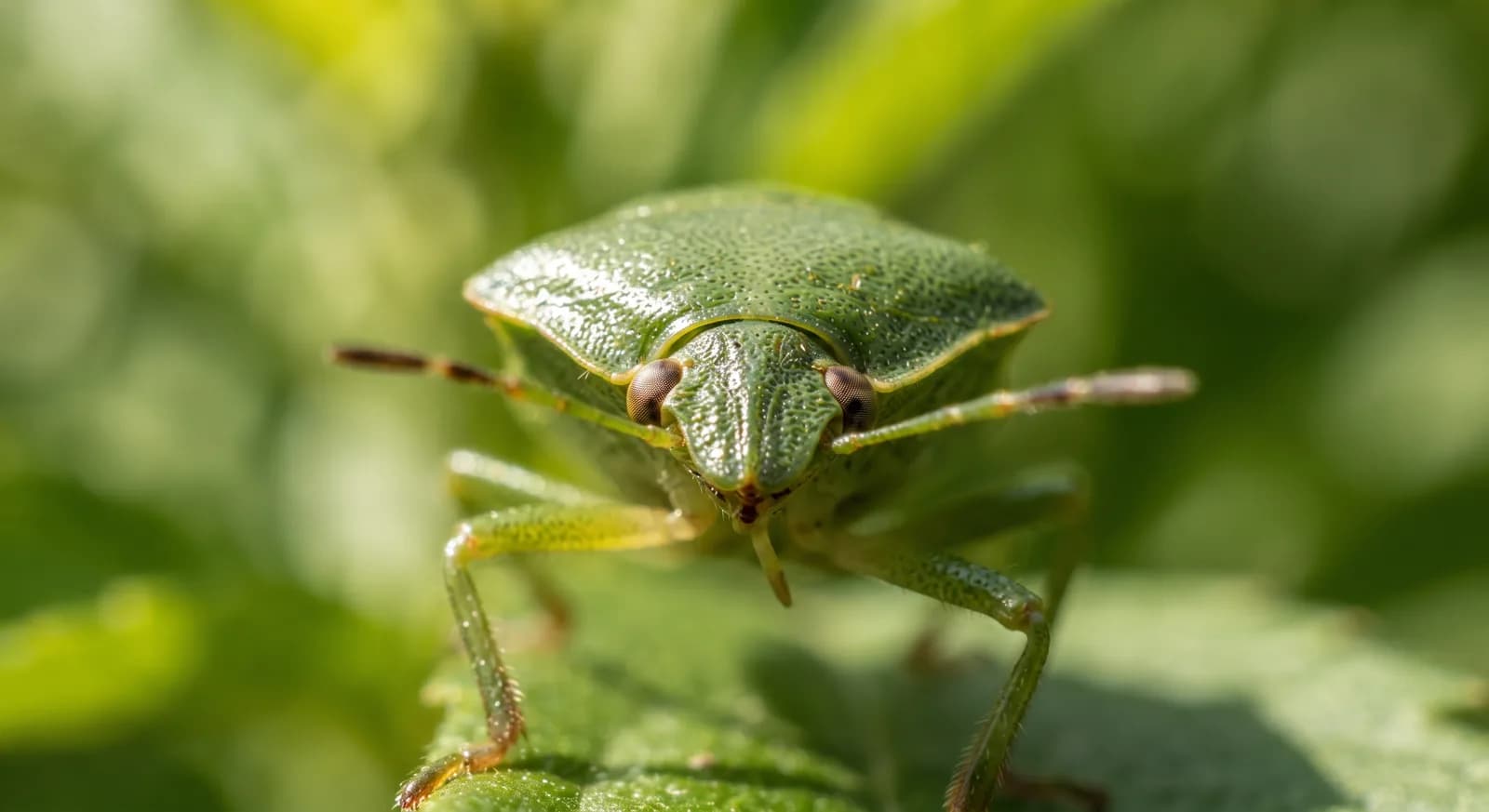
Southern Green ShieldbugNot Evaluated

Southern Green Shieldbug

Nezara viridula

CountriesColombia
TagsHerbivore
Herbivore
Colonial
Insect
Grassland
Colombia
Mexico
Netherlands
Spain
United Kingdom
United States