Skip to content
WAnimals
  • Map
  • Species
  • Parks
  • Diving
Log inCreate account
WAnimals

The guide for travellers and animal lovers: discover, plan and share your wild adventures around the world.

Discover wildlife

  • Species
  • Ecosystems
  • Glossary
  • Tags

Explore places

  • Map
  • Countries
  • Parks
  • Diving

Plan experiences

  • Guides

Learn

  • Blog

Resources

  • Help centre
  • Contact
  • Install the app

Follow us

Account

  • Log in
  • Create account

© 2026 WAnimals. All rights reserved.

About usHow we build our profilesTerms of servicePrivacyLegal notice
MapSpeciesParksDiving
  1. Home
  2. Species
  3. Japanese Beetle

One of the 24 beetles on WAnimals

Insects · Coleoptera · Scarabaeidae

Japanese Beetle

Popillia japonica

Not Evaluated

It has not yet been assessed against the IUCN criteria.

Spotted something wrong?

The Japanese beetle is a beetle of the order Coleoptera. It measures some 15 mm long and some 10 mm wide, its elytra are an iridescent copper and its thorax and head are green. It is not a particularly destructive species in Japan, where its population is kept in check by natural predators; in America, however, it is a major pest affecting some 200 plant species, including roses, grapevines, hops, canes, crape myrtles, birches and lime trees, among others.

Size

up to 1.2 cm

Life expectancy

1 year

Diet

Herbivore

Feeds mainly on plants.

Activity

Diurnal

Active mainly during the day.

Social structure

Solitary

Lives and hunts alone, joining others only to breed.

Sighting difficulty

Unknown

Grassland
11countries8same family

Fun facts

  • In Japan it is an unobtrusive insect kept in check by its natural enemies; it reached the United States around 1916 in a consignment of bulbs and became a devastating pest there.
  • It feeds in groups because the beetles already feeding release compounds that attract more of their kind, so that a plant can be covered in beetles within hours.
  • It has entered Europe through northern Italy and Switzerland, and its advance is under plant health surveillance across the European Union.
  • It reached the United States in 1916, detected in a New Jersey nursery, probably in the root ball of irises imported from Japan. Today it is found throughout the east of the country.
  • In Japan it is an unobtrusive insect, kept in check by its natural enemies; outside Japan, without them, it becomes a pest.
  • It is doubly harmful: the larva ruins lawns by eating roots from below, and the adult skeletonises leaves from above, leaving nothing but the veins.
  • It feeds on more than three hundred plant species, from roses and grapevines to maples and apple trees.
  • The adults aggregate in response to a pheromone and to the smell of damaged leaves, so damage attracts more damage and attacked plants become bait.
  • It was detected in Italy in 2014 and in Switzerland in 2023, and it is one of the European Union's priority pests: its arrival in Spain is an active risk.

Life cycle and biology

Skeleton type
Invertebrate - chitin exoskeleton (insect)
Habitat and environment
Grasslands, gardens and crops; the larva lives in the soil eating grass roots, and the adult devours the leaves, flowers and fruit of more than three hundred plant species
Size at birth
White, spherical and almost translucent egg about 2 mm across; the C-shaped larva reaches 25 to 32 mm
Sexual maturity
The adults emerge in late June or early July and live 30 to 45 days; virgin females release a sex pheromone and the first individuals to emerge release an aggregation pheromone that draws in the rest
Gestation / incubation
The eggs hatch between 8 and 14 days; the larvae go through three instars feeding on roots, overwinter 10-20 cm deep, move up as the soil warms and pupate in June, with a pupal stage of 8 to 20 days
Litter / clutch size
40 to 60 eggs per female over her lifetime, laid one to five at a time at between 5 and 15 cm deep, in several batches during July and August

Sources consulted: https://es.wikipedia.org/wiki/Popillia_japonica; CABI (Fleming 1972, Dalthorp et al. 2000); UMN Extension; Ohio State University Extension; ScienceDirect (Hughes 1989); Science Advances, How colonial animals evolve; Wikipedia, Zooid; NC State Extension, ficha Japanese beetle; Animal Diversity Web (Fleming 1972); CABI (Hadley & Hawley 1934, Barrows & Gordh 1978); Animal Diversity Web; NC State Extension

Where to find it

Best time: From June to August, when the adults feed in numbers

Loading map…

Related species

Other species in the catalogue with the most in common with Japanese Beetle — same habitat, park, country, tags or family.

Same taxonomic family

Keep exploring

Based on what we already know about japanese beetle.

Comments

Share an experience, a fun fact or a tip for seeing the japanese beetle.

Be the first to comment.
See full glossary
This page in other languages: Español · Deutsch · Français · Português · Italiano
See its range on the interactive map→
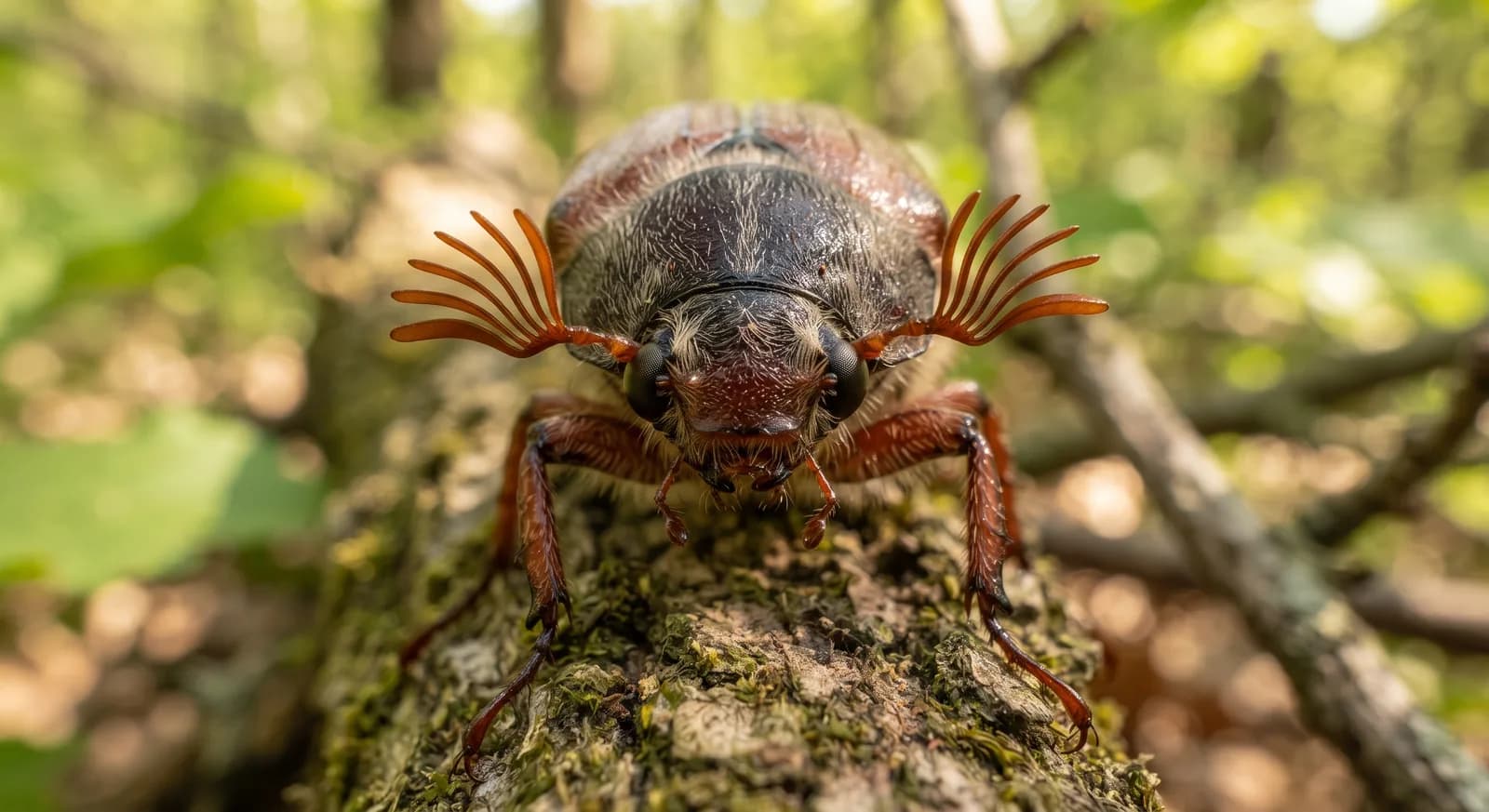
Common CockchaferNot Evaluated

Common Cockchafer

Melolontha melolontha

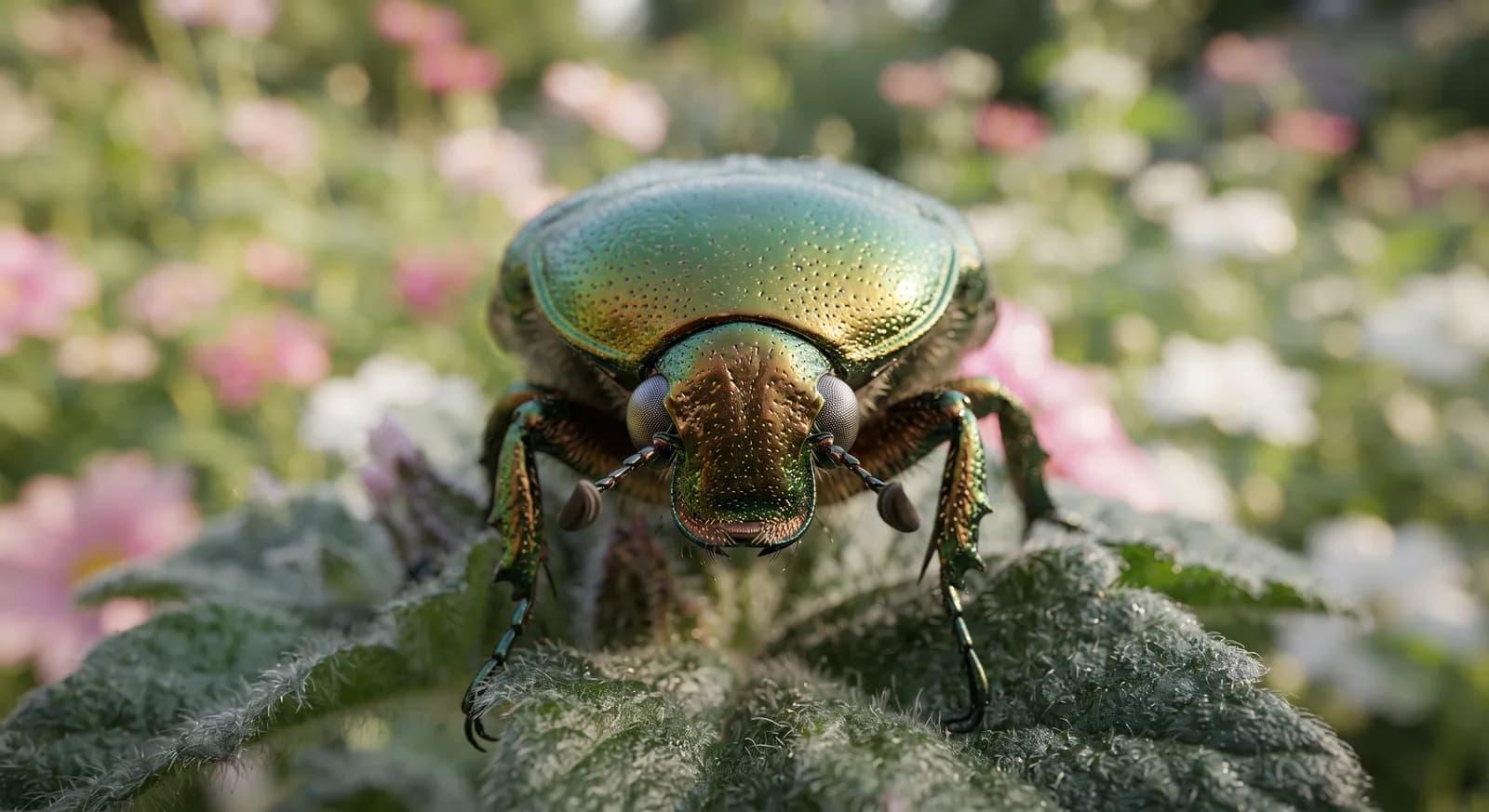
Rose ChaferNot Evaluated

Rose Chafer

Cetonia aurata

Not Evaluated

Rainbow Scarab

Phanaeus vindex

Not Evaluated

Dung Beetle

Onthophagus taurus

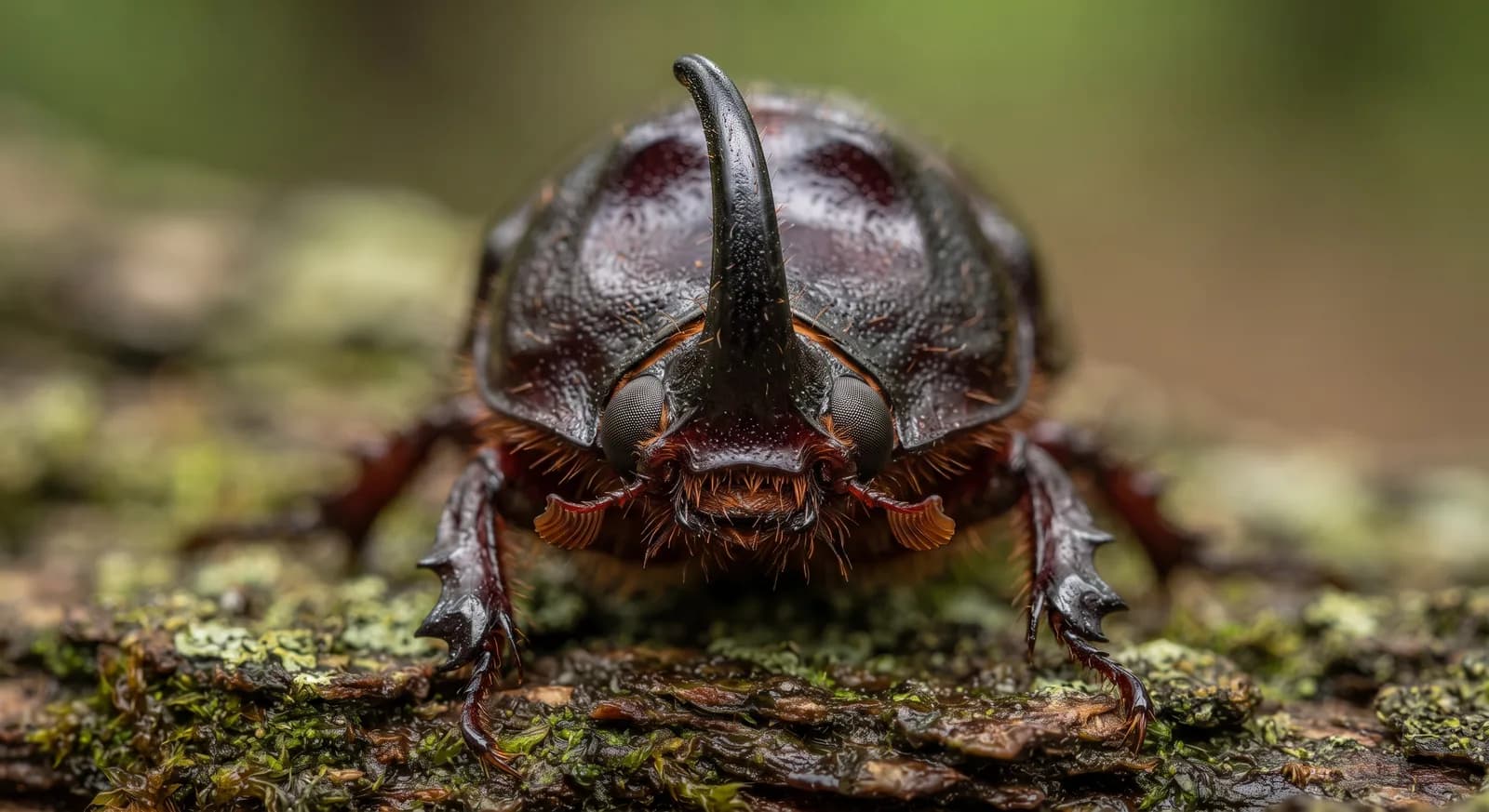
European Rhinoceros BeetleNot Evaluated

European Rhinoceros Beetle

Oryctes nasicornis

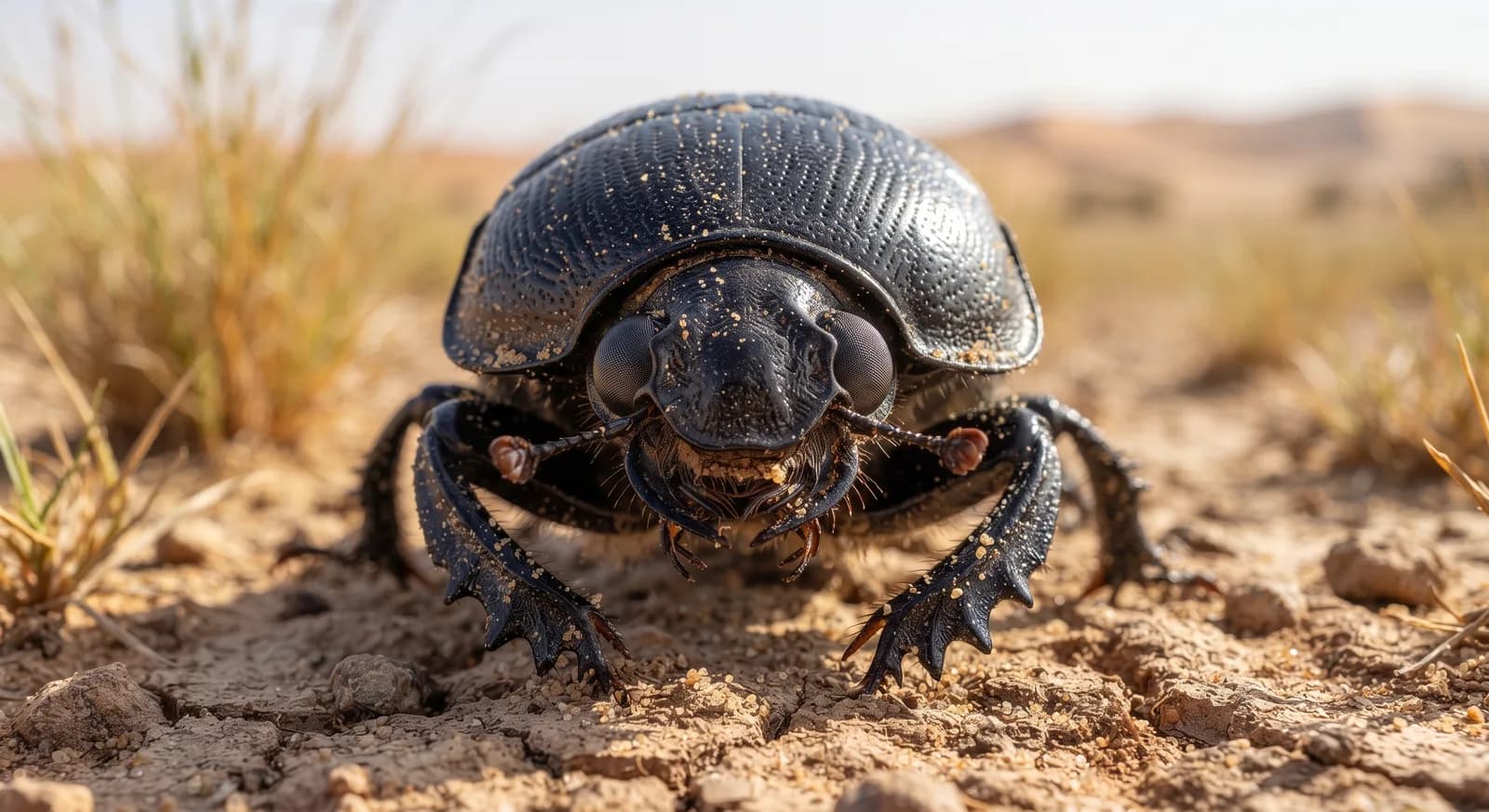
Sacred ScarabNot Evaluated

Sacred Scarab

Scarabaeus sacer

CountriesCanada
TagsHerbivore
Herbivore
Diurnal
Colonial
Insect
Grassland

Asia6

Europe3

North America2

Canada
China
Italy
Japan
North Korea
Portugal
China
Japan
North Korea
Russia
South Korea
Taiwan
Italy
Portugal
Switzerland
Canada
United States