Skip to content
WAnimals
  • Map
  • Species
  • Parks
  • Diving
Log inCreate account
WAnimals

The guide for travellers and animal lovers: discover, plan and share your wild adventures around the world.

Discover wildlife

  • Species
  • Ecosystems
  • Glossary
  • Tags

Explore places

  • Map
  • Countries
  • Parks
  • Diving

Plan experiences

  • Guides

Learn

  • Blog

Resources

  • Help centre
  • Contact
  • Install the app

Follow us

Account

  • Log in
  • Create account

© 2026 WAnimals. All rights reserved.

About usHow we build our profilesTerms of servicePrivacyLegal notice
MapSpeciesParksDiving
  1. Home
  2. Species
  3. Pomace Fly

One of the 15 flies on WAnimals

Insects · Diptera · Drosophilidae

Pomace Fly

Drosophila melanogaster

Not Evaluated

It has not yet been assessed against the IUCN criteria.

Spotted something wrong?

Drosophila melanogaster, also called the vinegar fly or fruit fly, is a brachyceran fly of the family Drosophilidae. It takes its name from the fact that it feeds on fermenting fruit such as apples, bananas, grapes and so on. It is a species frequently used in genetic experiments, since it has a small number of chromosomes and a short life cycle, and roughly 61% of known human disease genes have an identifiable counterpart in the fruit fly genome, while 50% of the fly's protein sequences have analogues in mammals.

Size

0.3 cm – 0.3 cm

Life expectancy

1 year

Diet

Herbivore

Feeds mainly on plants.

Activity

Diurnal

Active mainly during the day.

Social structure

Solitary

Lives and hunts alone, joining others only to breed.

Sighting difficulty

Unknown

Grassland
6countries

Fun facts

  • It is the most studied animal in the history of biology: research on this fly has been recognised with several Nobel Prizes, from the demonstration that genes lie on chromosomes to the discovery of circadian clocks and of innate immunity.
  • It shares about 60% of its genes with people, and around 75% of the genes associated with human disease have an equivalent in it.
  • Its genome was fully sequenced in 2000, before the human one, and served as a testbed for the techniques later applied to ours.
  • It is the most influential model organism in biology: eight Nobel Prizes have been awarded for work done wholly or partly with this fly.
  • Thomas Hunt Morgan chose it in 1909 because it was cheap and fitted in his small laboratory; in January 1910 he found a white-eyed male and showed that the gene lay on the X chromosome. It was the first time a specific gene had been located on a specific chromosome.
  • His student Alfred Sturtevant used it to build one of the first genetic maps in history.
  • The Nobels include Morgan's in 1933 for the role of chromosomes in heredity, Muller's in 1946 for X-ray-induced mutations, Lewis, Nüsslein-Volhard and Wieschaus's in 1995 for the genetic control of embryonic development, Hoffmann's in 2011 for innate immunity and Hall, Rosbash and Young's in 2017 for circadian rhythms.
  • Its genome was sequenced in 2000, one of the first for a multicellular organism.

Life cycle and biology

Skeleton type
Invertebrate - chitin exoskeleton (insect)
Habitat and environment
Ripe and fermenting fruit, cellars, kitchens and refuse
Size at birth
During the larval phase the body mass multiplies about 200 times and the brain goes from about 10,000 neurons to 130,000-140,000 in the adult
Sexual maturity
7 days
Gestation / incubation
About 24 hours of egg incubation

Sources consulted: https://es.wikipedia.org/wiki/Drosophila_melanogaster; ScienceDirect (Hughes 1989); Science Advances, How colonial animals evolve; Wikipedia, Zooid; Recopilacion de datos anatomicos de Drosophila melanogaster (Lints et al. 1983); Recopilacion de datos anatomicos de Drosophila melanogaster (arXiv 2510.15745); Recopilacion de datos anatomicos de Drosophila melanogaster (Church & Robertson 1966; Jiao et al. 2022)

Where to find it

Loading map…

Related species

Other species in the catalogue with the most in common with Pomace Fly — same habitat, park, country, tags or family.

Related to
Related to
Related to
Related to
Related to
Related to

Keep exploring

Based on what we already know about pomace fly.

Comments

Share an experience, a fun fact or a tip for seeing the pomace fly.

Be the first to comment.
See full glossary
This page in other languages: Español · Deutsch · Français · Português · Italiano
See its range on the interactive map→
Least Concern

Common Vole

Microtus arvalis

Least Concern

Budgerigar

Melopsittacus undulatus

Least Concern

Sulphur-crested Cockatoo

Cacatua galerita

Least Concern

Zebra Finch

Taeniopygia guttata

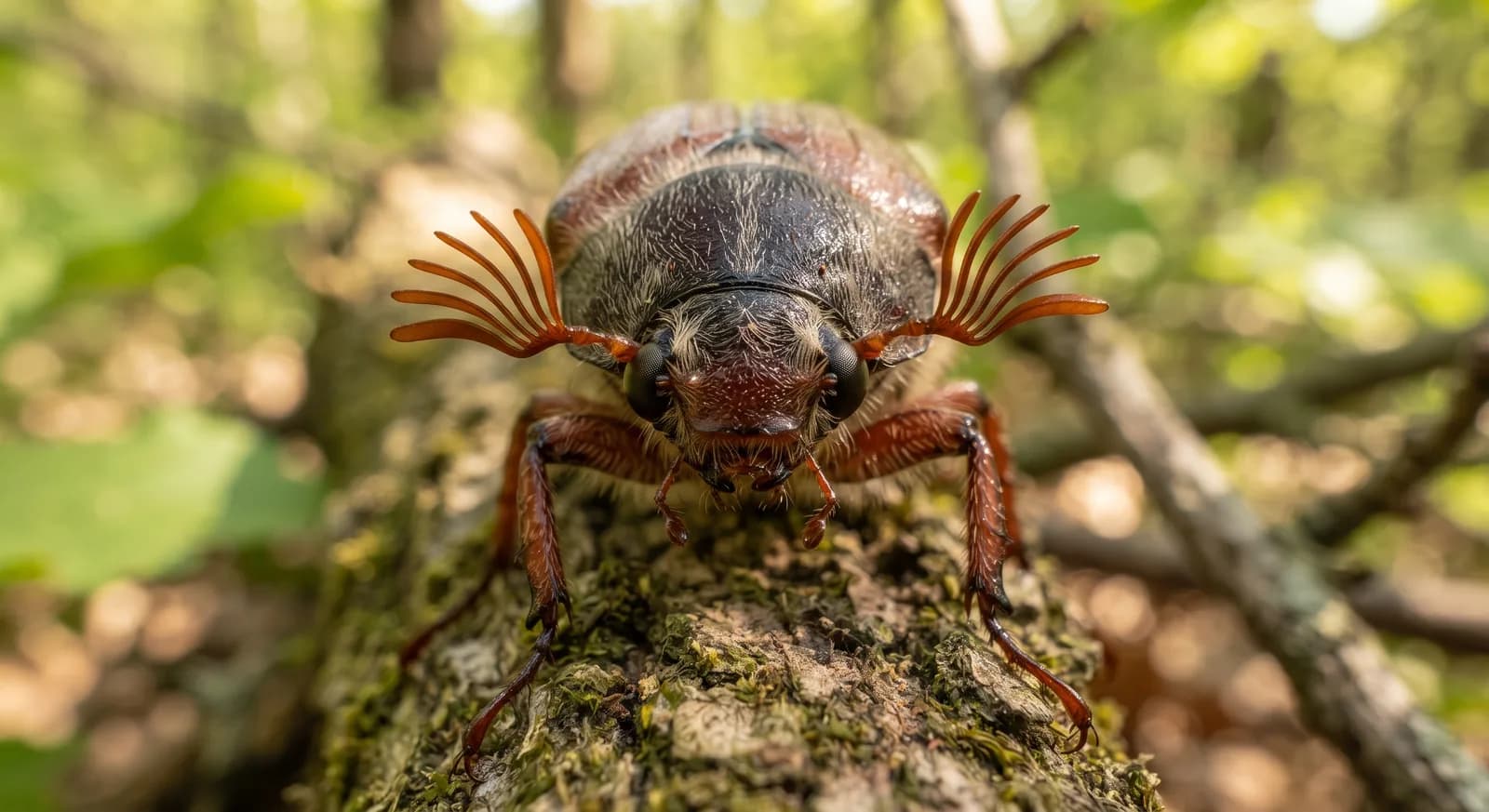
Common CockchaferNot Evaluated

Common Cockchafer

Melolontha melolontha

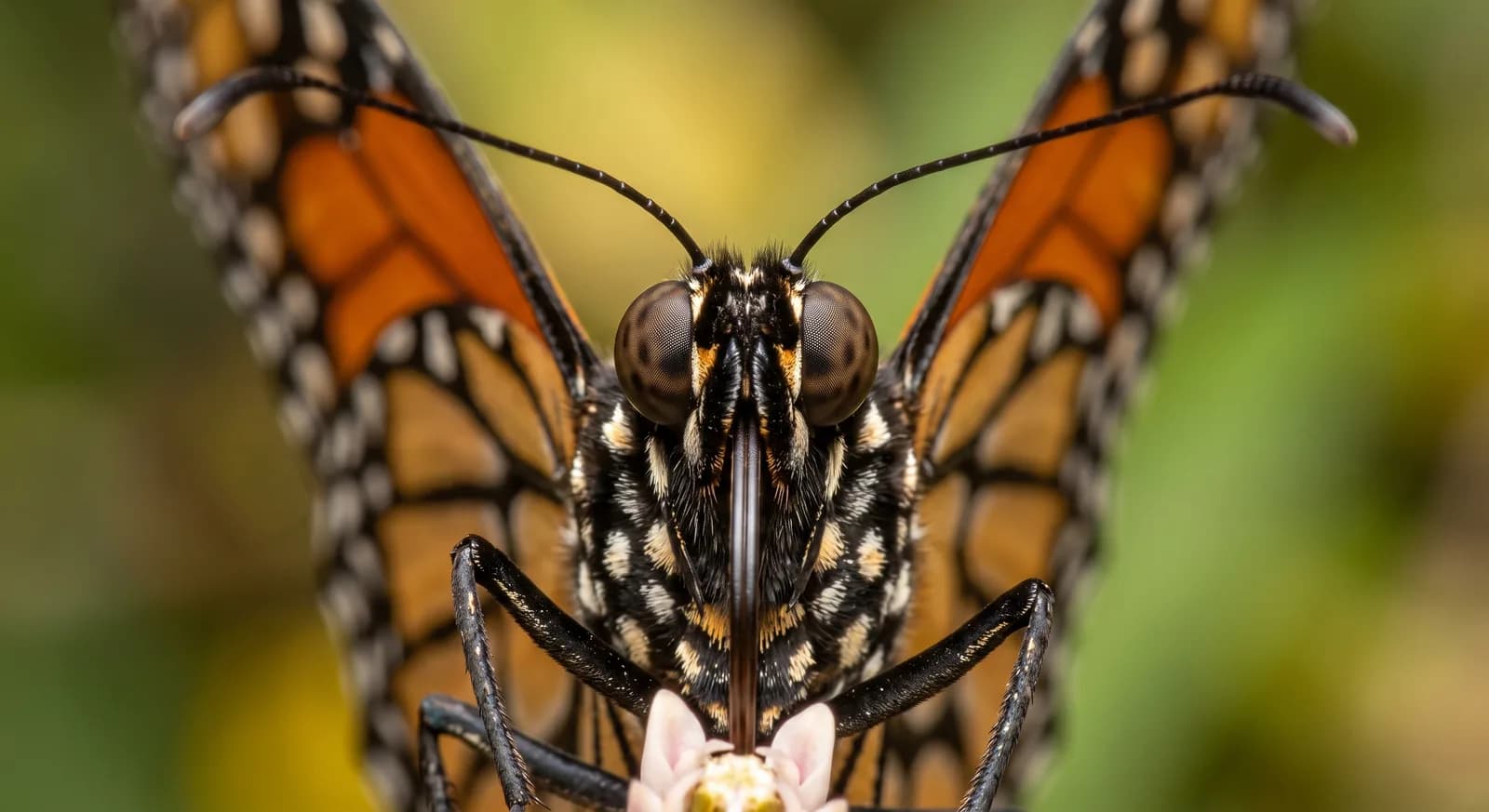
MonarchNot Evaluated

Monarch

Danaus plexippus

CountriesAustralia
TagsHerbivore
Herbivore
Diurnal
Colonial
Insect
Grassland
Australia
Brazil
Germany
Japan
Spain
United Kingdom