 Not Evaluated
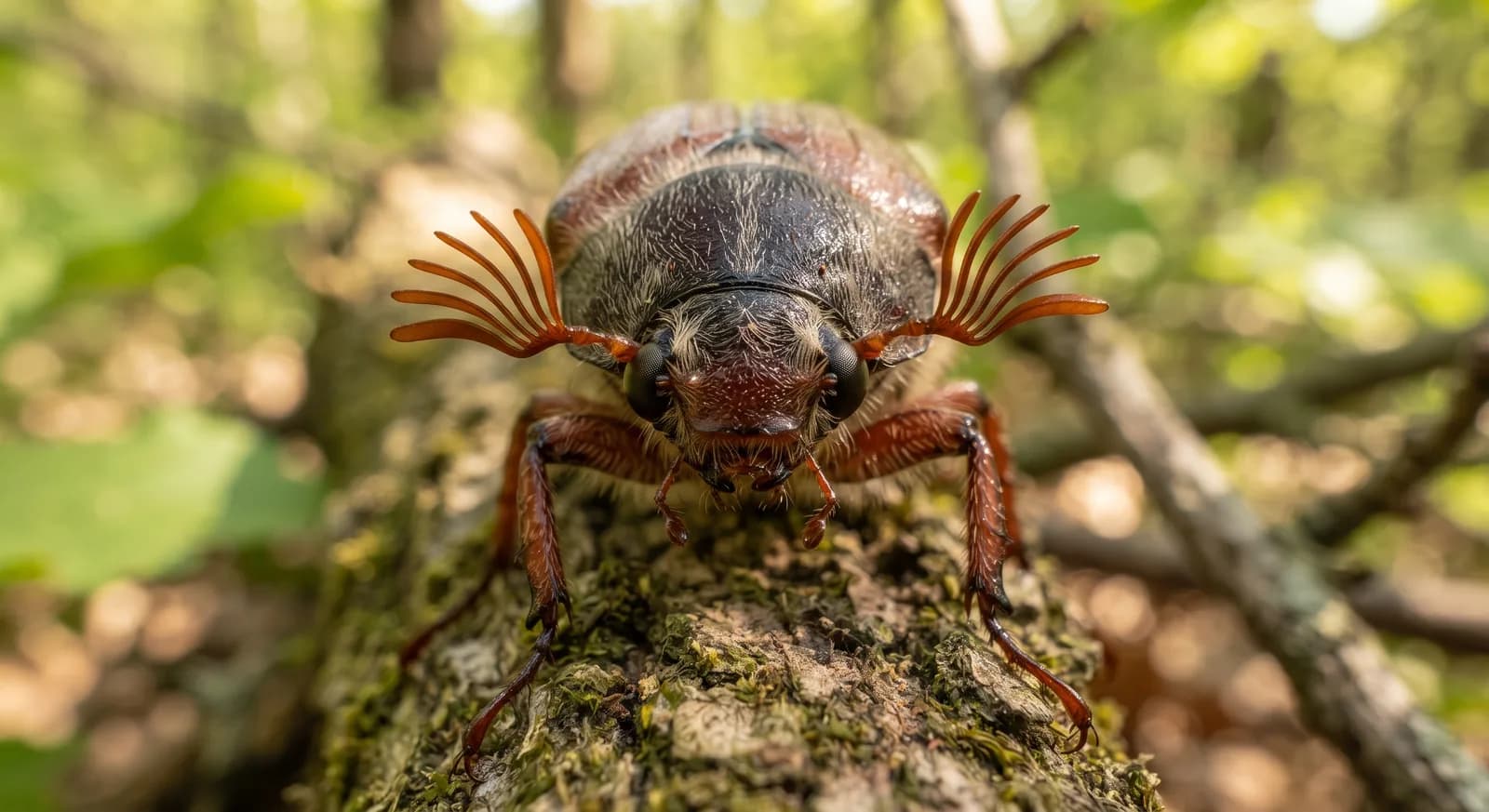
Common Cockchafer
Melolontha melolontha
One of the 2 aphids on WAnimals
Insects · Hemiptera · Aphididae
Aphis fabae
It has not yet been assessed against the IUCN criteria.
The aphid Aphis fabae is a small insect of the genus Aphis, family Aphididae. In the warm months it is found in great numbers on the undersides of the leaves of its host plants, which include many crop species. There are winged and wingless forms, and at this time of year they are all parthenogenetic females. They suck the sap of stems and leaves, causing deformities in the plants and ruining harvests. They can be vectors of viruses that cause plant diseases. The honeydew they produce can cause sooty mould. It breeds in great numbers at great speed. It is associated with ants that protect it. Its populations can be controlled by the presence of parasitic and predatory insects. In autumn winged forms appear, males and females that mate. The eggs overwinter.
Size
0.2 cm – 0.3 cm
Diet
Herbivore
Feeds mainly on plants.
Social structure
Solitary
Lives and hunts alone, joining others only to breed.
Sources consulted: Wikipedia (es): Aphis fabae · Koppert, ficha Black bean aphid · ficha de especie de Aphis fabae · ScienceDirect (Hughes 1989) · Science Advances, How colonial animals evolve · Wikipedia, Zooid · Koppert
Best time: Very large colonies in the warm months on shoots and the underside of leaves; in autumn the winged forms migrate back to the primary host
Other species in the catalogue with the most in common with Black Bean Aphid — same habitat, park, country, tags or family.
Based on what we already know about black bean aphid.