Skip to content
WAnimals
  • Map
  • Species
  • Parks
  • Diving
Log inCreate account
WAnimals

The guide for travellers and animal lovers: discover, plan and share your wild adventures around the world.

Discover wildlife

  • Species
  • Ecosystems
  • Glossary
  • Tags

Explore places

  • Map
  • Countries
  • Parks
  • Diving

Plan experiences

  • Guides

Learn

  • Blog

Resources

  • About us
  • How we build our profiles
  • Help centre
  • Contact
  • Install the app

Follow us

Account

  • Log in
  • Create account

© 2026 WAnimals. All rights reserved.

Terms of servicePrivacyCookiesLegal notice
MapSpeciesParksDiving
  1. Home
  2. Species
  3. Sheep-strike Greenbottle

One of the 13 flies on WAnimals

Insects · Diptera · Calliphoridae

Sheep-strike Greenbottle

Lucilia sericata

Not Evaluated

It has not yet been assessed against the IUCN criteria.

Spotted something wrong?

The common green bottle fly is a fly of the family Calliphoridae found in most parts of the world and the best known of the many greenbottle species. It is 10-14 mm long, slightly larger than a house fly, and has bright, metallic, blue-green or gold colouring with black markings. It has short, sparse black bristles (setae) on the thorax. The wings are transparent with light brown veins; the legs and antennae are black. The larvae are used in maggot therapy.

Size

1 cm – 1.4 cm

Diet

Omnivore

Combines animal and plant food depending on availability.

Activity

Diurnal

Active mainly during the day.

Social structure

Solitary

Lives and hunts alone, joining others only to breed.

Grassland
7countries

Fun facts

  • Its larvae, reared under sterile conditions, are used medically for maggot therapy: applied to an ulcer, they remove the necrotic tissue with a precision no scalpel can match, disinfect the wound and stimulate healing — a treatment authorised in several countries.
  • It is one of the reference species in forensic entomology: the age of its larvae allows the time since death to be estimated with considerable accuracy.
  • In sheep farming it causes flystrike by laying its eggs in damp or soiled wool, a serious health and economic problem.
  • Its larvae are used medically to clean chronic wounds: they eat only necrotic tissue and spare healthy tissue, and their secretions inhibit bacterial growth. The technique is called maggot therapy, and the FDA regulates the maggots as a medical device.
  • As early as the sixteenth century, Ambroise Paré described the healing of a skull wound in the presence of fly larvae.
  • It is one of the key species in forensic entomology: the age of its larvae allows the post-mortem interval to be estimated.
  • At the same time it is a serious pest of sheep, because its larvae attack living tissue as well.
  • Transgenic strains have been developed that secrete a human growth factor to speed healing.

Life cycle and biology

Skeleton type
Invertebrate - chitin exoskeleton (insect)
Habitat and environment
Carrion, refuse and animal wounds, in rural and urban areas
Gestation / incubation
The eggs hatch between 18 and 21 hours after laying
Litter / clutch size
Clutches of about 200 eggs; total output per female has been estimated in the field at between 130 and 172 eggs

Sources consulted: Wikipedia (es): Lucilia sericata · Animal Diversity Web y ScienceDirect (puesta) · PubMed 11583452 (fecundidad en campo) · Ficha de especie de Lucilia sericata · ScienceDirect · Animal Diversity Web, Lucilia sericata

Where to find it

Loading map…

Related species

Other species in the catalogue with the most in common with Sheep-strike Greenbottle — same habitat, park, country, tags or family.

Related to
Related to
Related to
Related to
Related to
Related to

Keep exploring

Based on what we already know about sheep-strike greenbottle.
Share an experience, a fun fact or a tip for seeing the sheep-strike greenbottle.
See full glossary
This page in other languages: Español · Deutsch · Français · Português · Italiano
See its range on the interactive map→
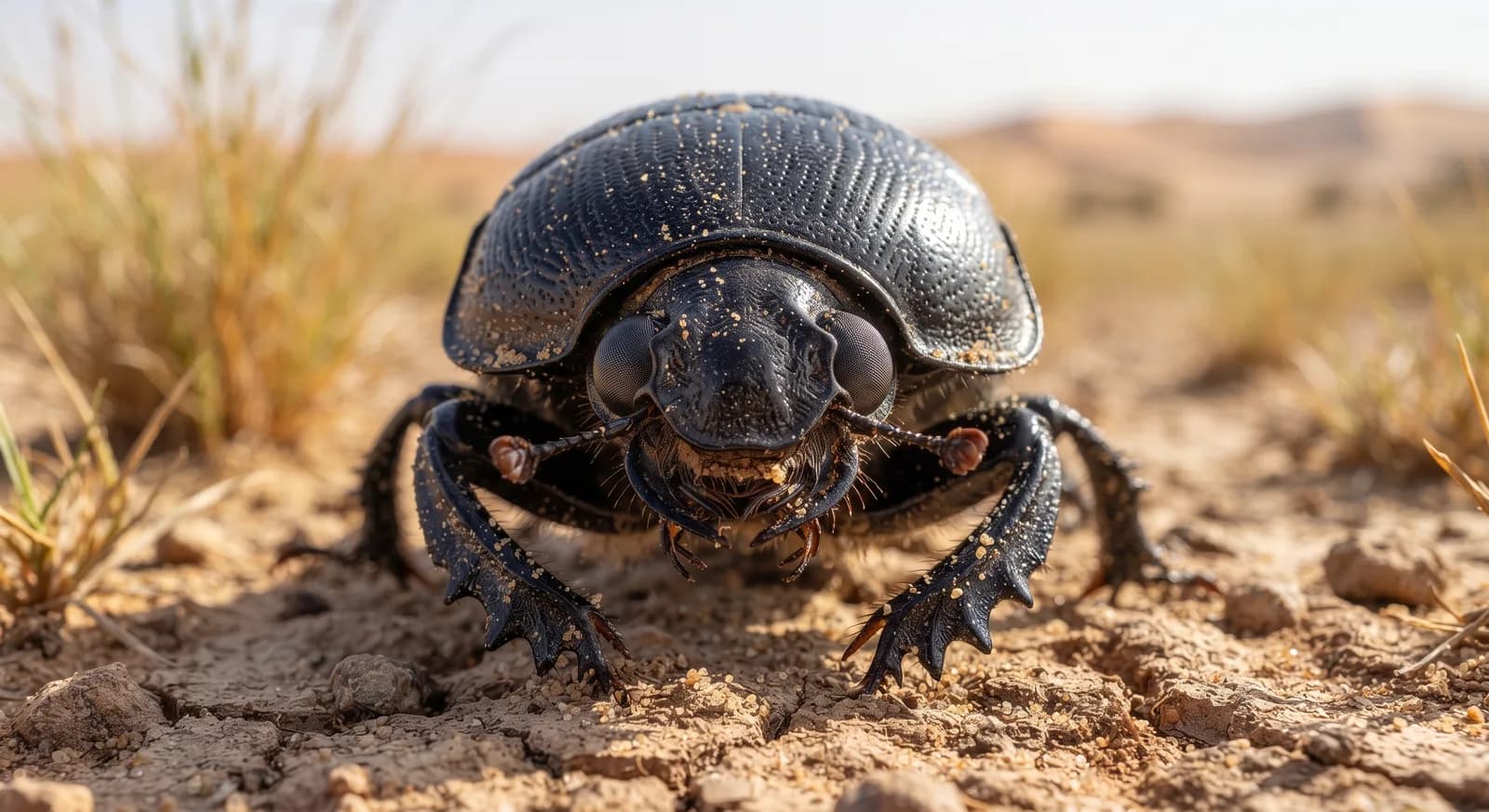
Sacred ScarabNot Evaluated

Sacred Scarab

Scarabaeus sacer

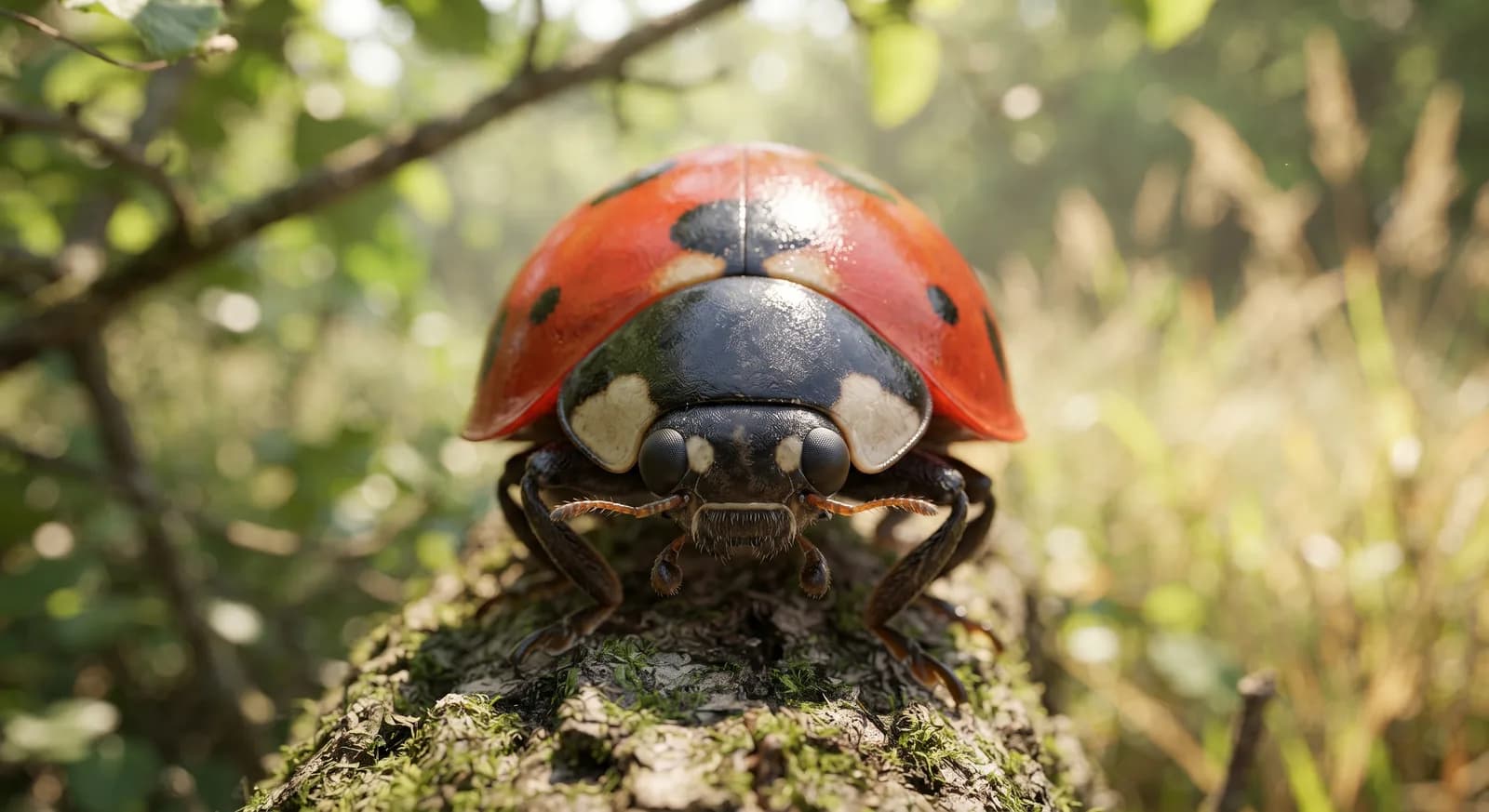
Seven-spotted Lady BeetleNot Evaluated

Seven-spotted Lady Beetle

Coccinella septempunctata

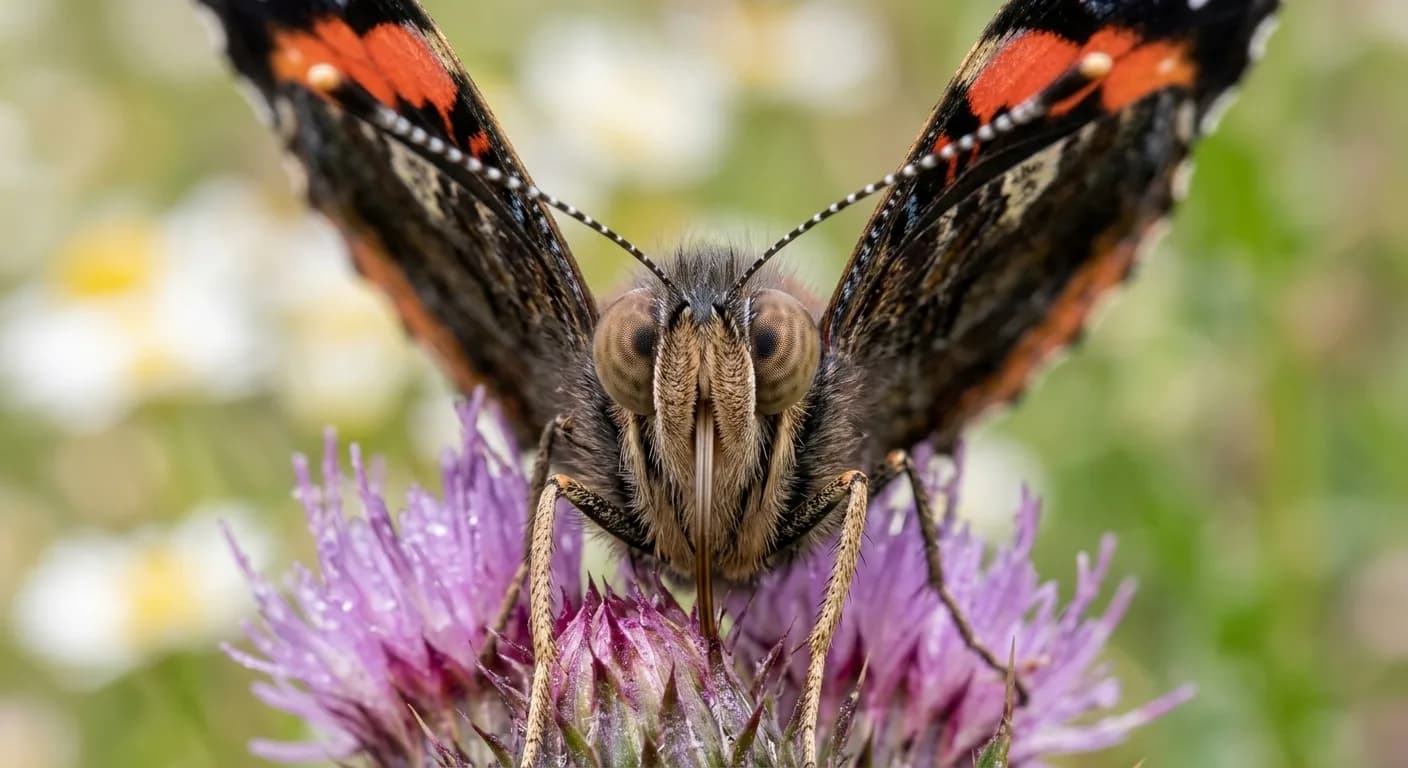
Red AdmiralLeast Concern

Red Admiral

Vanessa atalanta

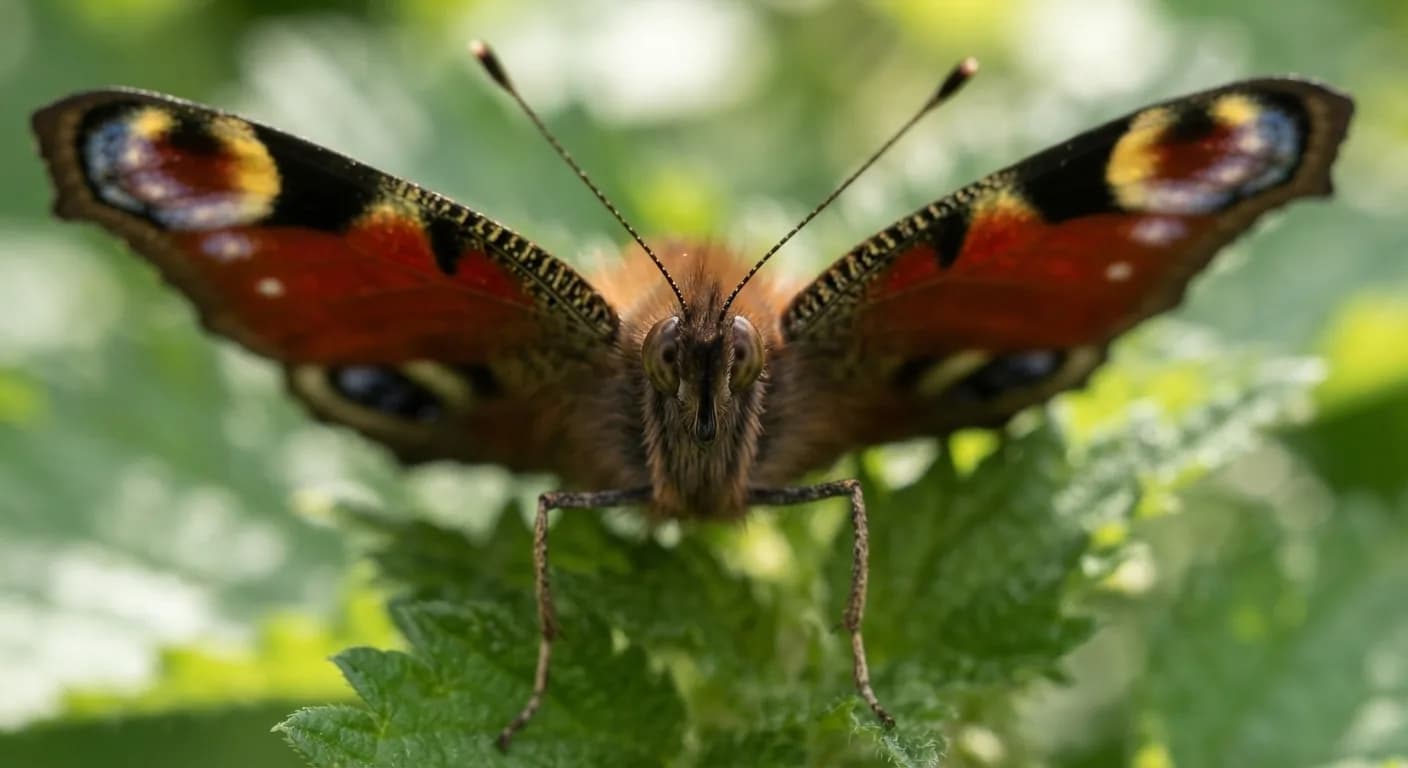
PeacockLeast Concern

Peacock

Aglais io

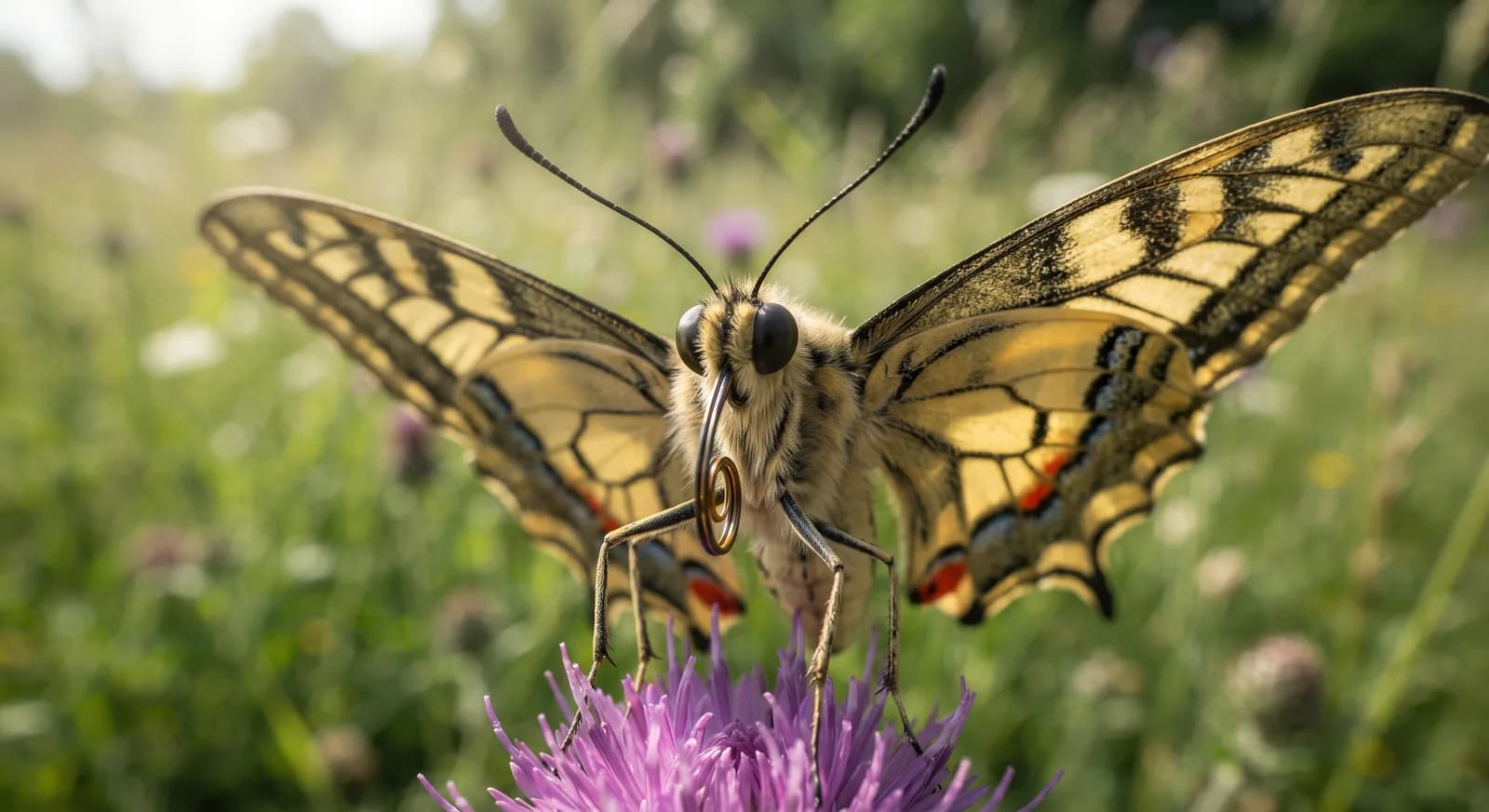
SwallowtailLeast Concern

Swallowtail

Papilio machaon

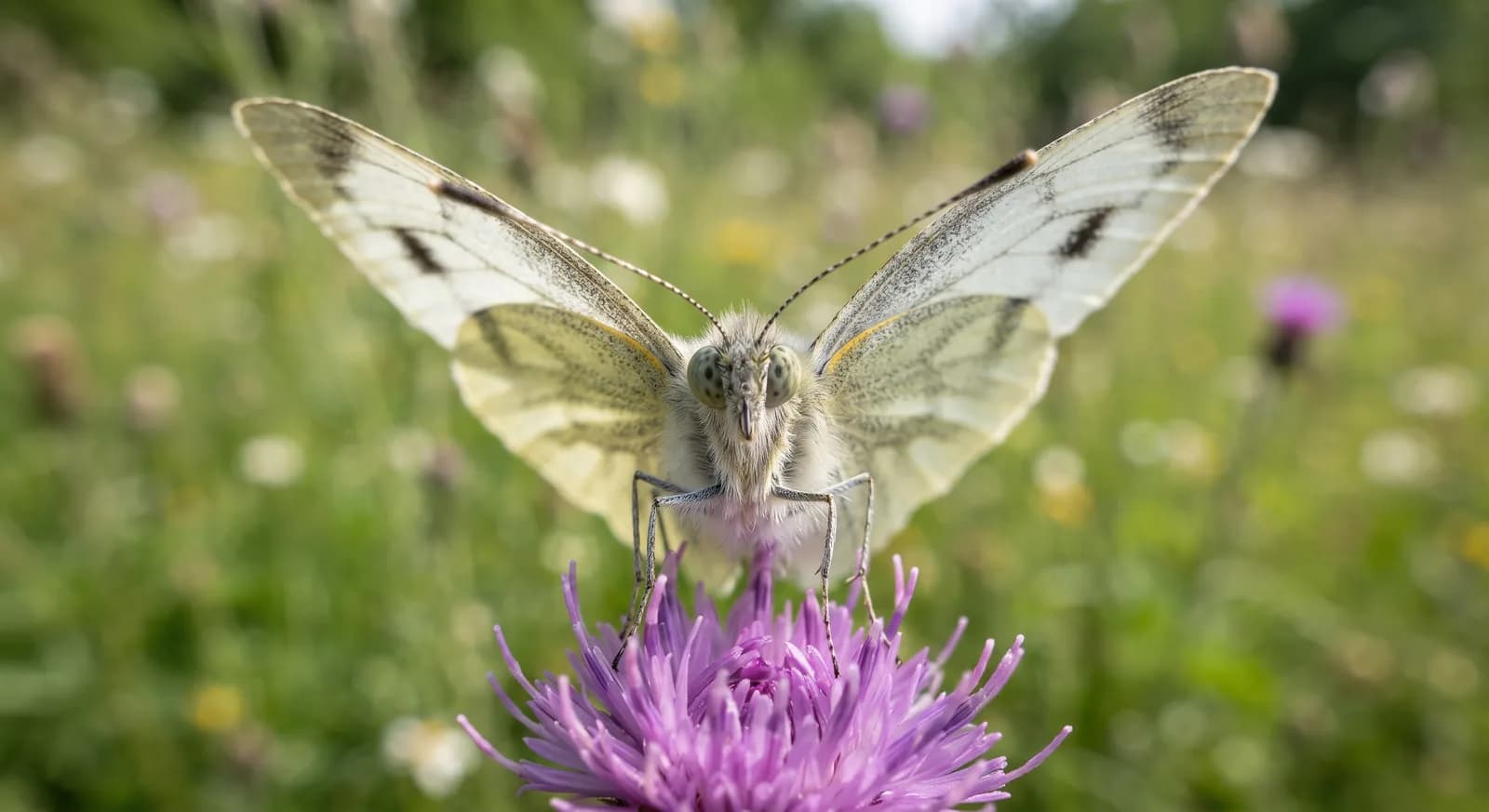
Large WhiteLeast Concern

Large White

Pieris brassicae

CountriesAustralia
TagsDiurnal
Diurnal
Solitary
Insect
Grassland
Australia
France
Germany
New Zealand
Spain
United Kingdom
United States