Skip to content
WAnimals
  • Map
  • Species
  • Parks
  • Diving
Log inCreate account
WAnimals

The guide for travellers and animal lovers: discover, plan and share your wild adventures around the world.

Discover wildlife

  • Species
  • Ecosystems
  • Glossary
  • Tags

Explore places

  • Map
  • Countries
  • Parks
  • Diving

Plan experiences

  • Guides

Learn

  • Blog

Resources

  • About us
  • How we build our profiles
  • Help centre
  • Contact
  • Install the app

Follow us

Account

  • Log in
  • Create account

© 2026 WAnimals. All rights reserved.

Terms of servicePrivacyCookiesLegal notice
MapSpeciesParksDiving
  1. Home
  2. Species
  3. Marmalade Hoverfly

One of the 13 flies on WAnimals

Marmalade Hoverfly (Episyrphus balteatus)

Insects · Diptera · Syrphidae

Marmalade Hoverfly

Episyrphus balteatus

Not Evaluated

It has not yet been assessed against the IUCN criteria.

Spotted something wrong?

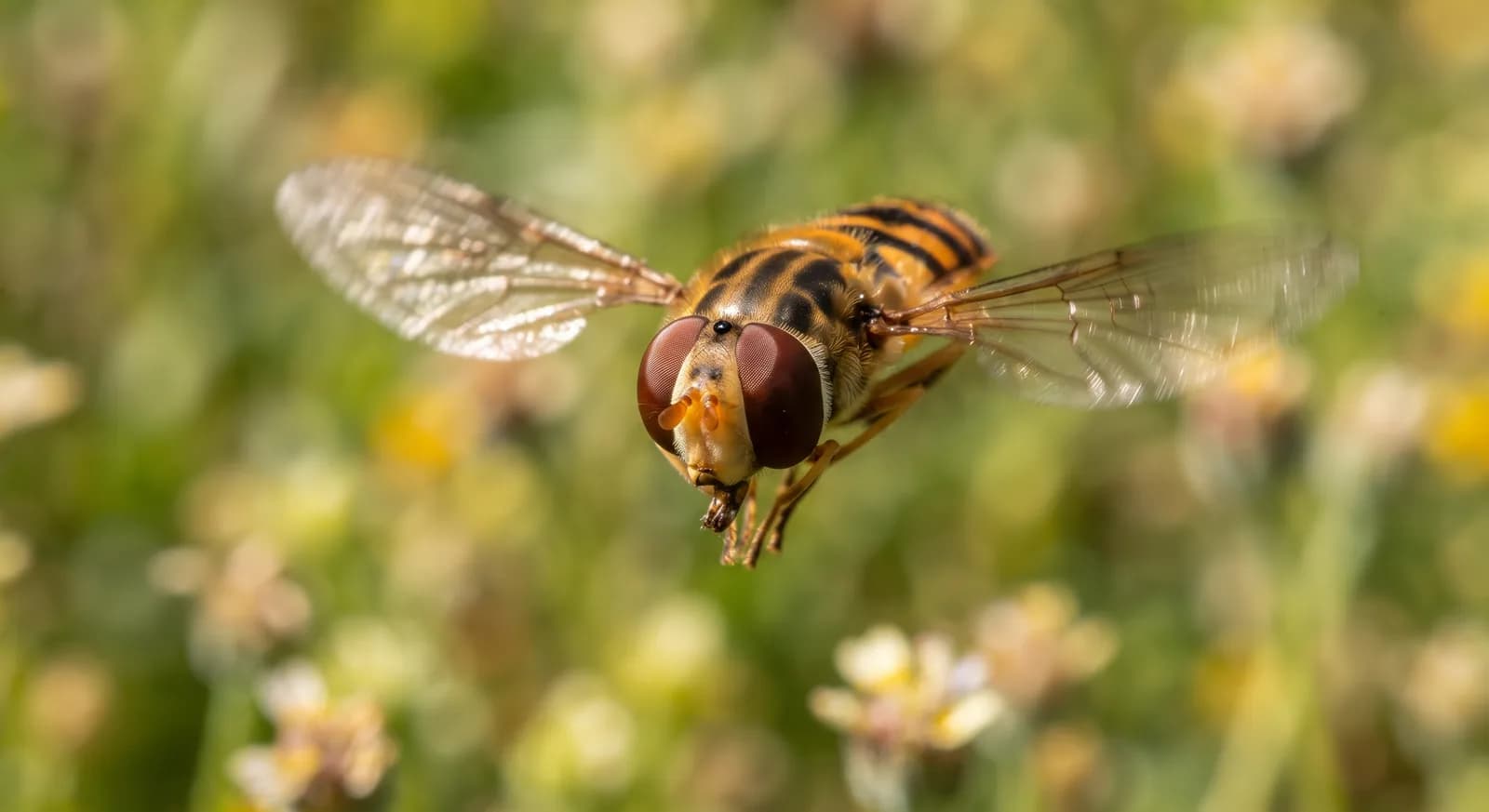
A hoverfly, unmistakable for the double black bands on the orange background of its abdomen, able to hold itself perfectly still in mid-air. The adults feed on nectar and pollen, and the larvae devour aphids at a rate of several hundred each.

Size

0.9 cm – 1.2 cm

Life expectancy

1 year

Diet

Omnivore

Combines animal and plant food depending on availability.

Activity

Diurnal

Active mainly during the day.

Social structure

Solitary

Lives and hunts alone, joining others only to breed.

Grassland
54countries

AI-generated images: illustrations, not photographs.

Fun facts

  • It is a long-distance migrant: every year hundreds of millions of individuals cross the Pyrenees and the Alps in a flow comparable to that of migratory birds, something only quantified in recent decades.
  • Its resemblance to a wasp is pure bluff: it has no sting and so cannot sting, and protects itself solely by mimicking a dangerous insect.
  • As a pollinator and as a predator of aphids it is one of the most useful insects in European agriculture, and the flower strips sown in crops are designed in good measure with it in mind.
  • It is a fly dressed up as a wasp: its black-and-yellow bands are pure Batesian mimicry. It has no sting and cannot sting.
  • Telling it apart is easy if you know what to look for: it has two wings instead of four, enormous eyes that take up almost the whole head, and extremely short antennae.
  • It hovers, hanging motionless in mid-air, which is where the name hoverfly comes from. It can hold perfectly still and then dart sideways in an instant.
  • Its larva is a voracious predator of aphids: each one can consume several hundred before pupating, which makes it one of the most valuable allies of horticulture.
  • It is a migrant, and a long-distance one: it has been estimated that billions of hoverflies cross southern England every year on seasonal migration, carrying pollen over enormous distances and providing a pollination and pest-control service on a continental scale.
  • The adults are important pollinators, above all of umbellifers and composites.

Life cycle and biology

Skeleton type
Invertebrate - chitin exoskeleton (insect)
Habitat and environment
Gardens, crops, meadows and roadsides throughout Europe
Size at birth
White egg laid within the aphid colony; a single larva consumes several hundred aphids during its two weeks of feeding
Sexual maturity
The species combines three overwintering strategies: migration, local overwintering in the pre-adult stage and local overwintering as an adult, with no genetic differentiation between them
Gestation / incubation
The eggs hatch after 6-8 days; the larva feeds for about two weeks and the pupa lasts 5 to 14 days, in the soil or attached to a stem
Litter / clutch size
Between 2,000 and 4,500 eggs per female over her adult life, laid one by one directly within the aphid colonies

Sources consulted: Wotton et al. (2019), Current Biology · Buglife · Rotheray y Gilbert, The Natural History of Hoverflies · Arthropoda Fotos, ficha Episyrphus balteatus · Fichas de especie de Episyrphus balteatus · Ficha de especie de Episyrphus balteatus · NCBI PMC3759392, estrategias de invernada de Episyrphus balteatus
Where to find it

Best time: Spring to autumn, peaking during the migrations

Loading map…

Related species

Other species in the catalogue with the most in common with Marmalade Hoverfly — same habitat, park, country, tags or family.

Related to
Related to
Related to
Related to
Related to
Related to

Keep exploring

Based on what we already know about marmalade hoverfly.

Share an experience, a fun fact or a tip for seeing the marmalade hoverfly.
See full glossary
This page in other languages: Español · Deutsch · Français · Português · Italiano
See its range on the interactive map→
Red KiteLeast Concern

Red Kite

Milvus milvus

Least Concern

Common Chaffinch

Fringilla coelebs

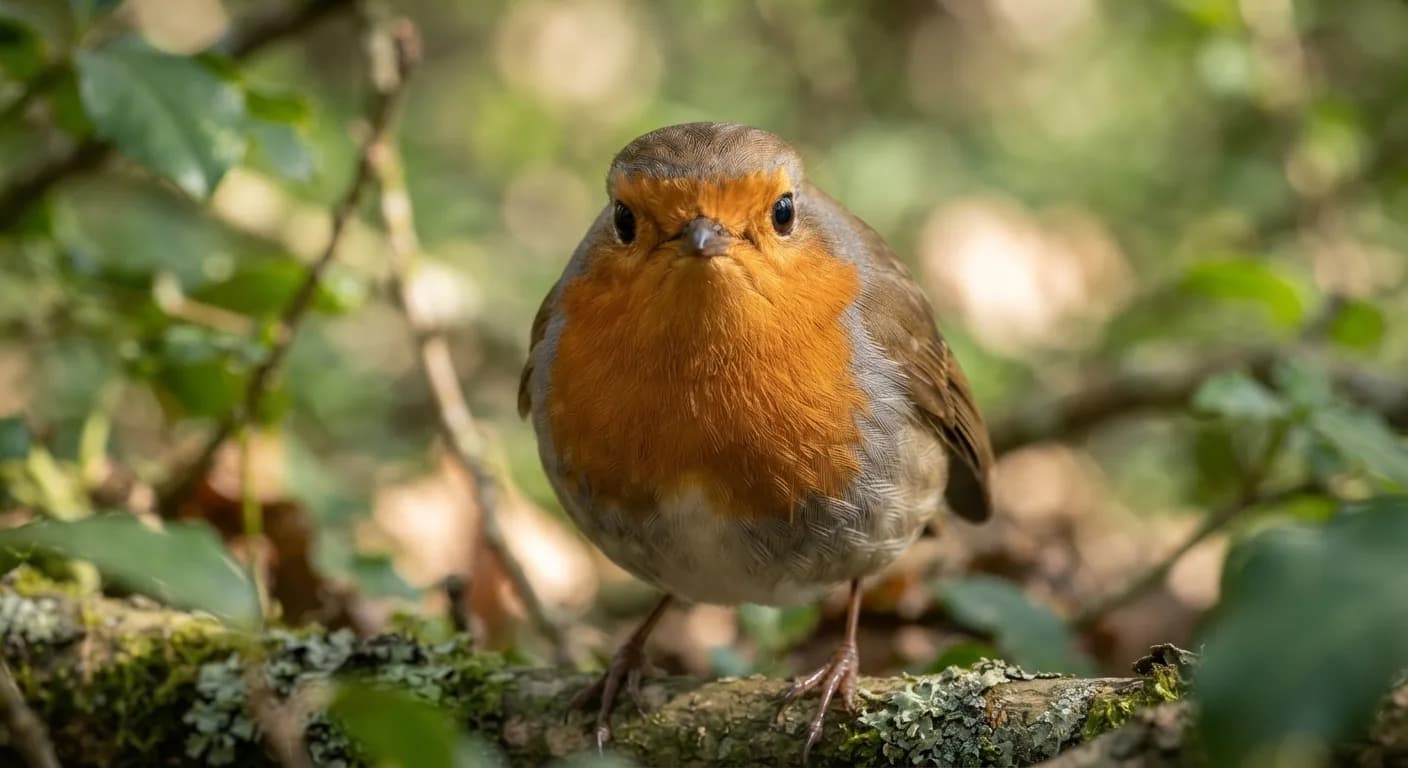
European RobinLeast Concern

European Robin

Erithacus rubecula

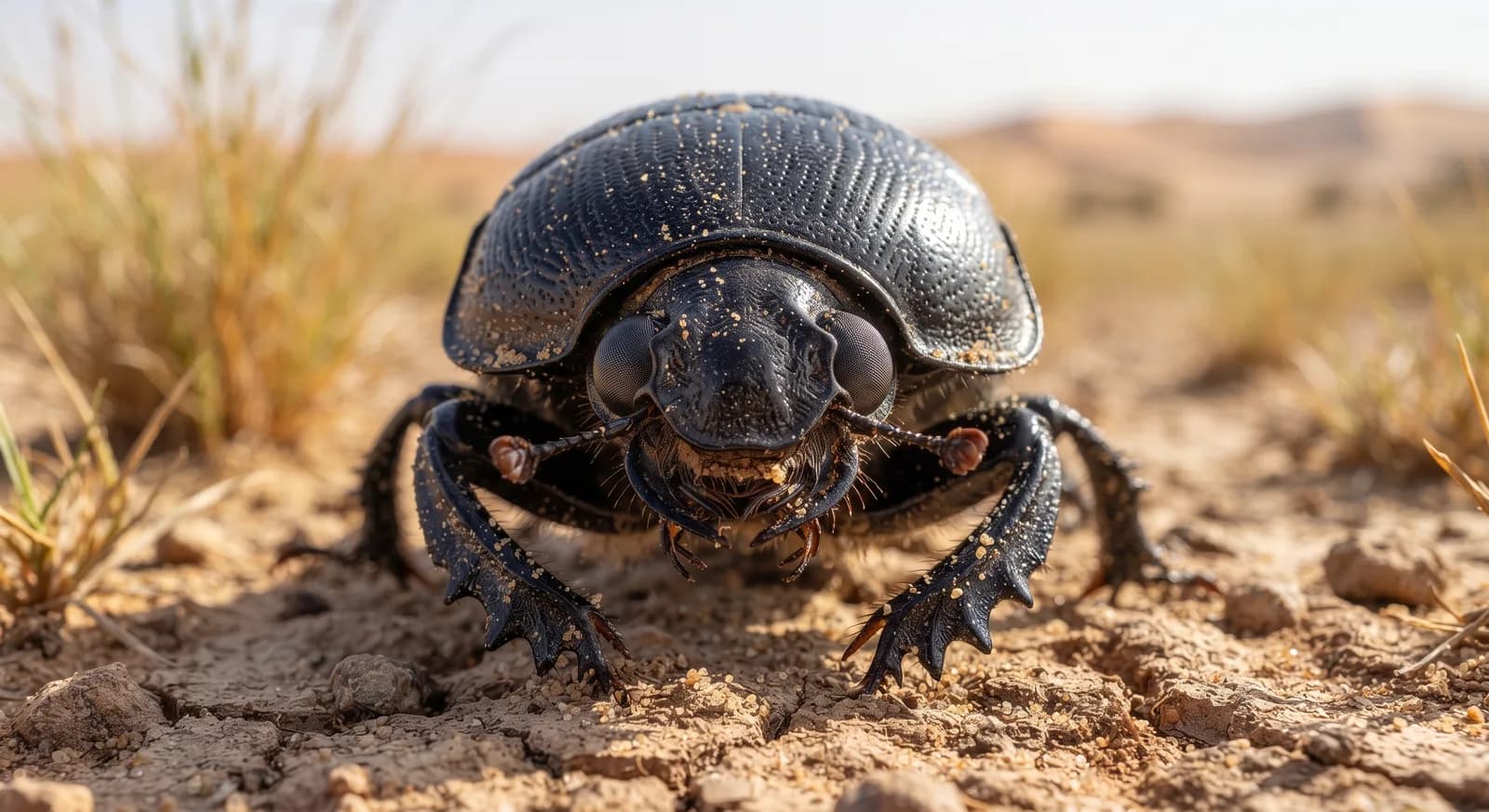
Sacred ScarabNot Evaluated

Sacred Scarab

Scarabaeus sacer

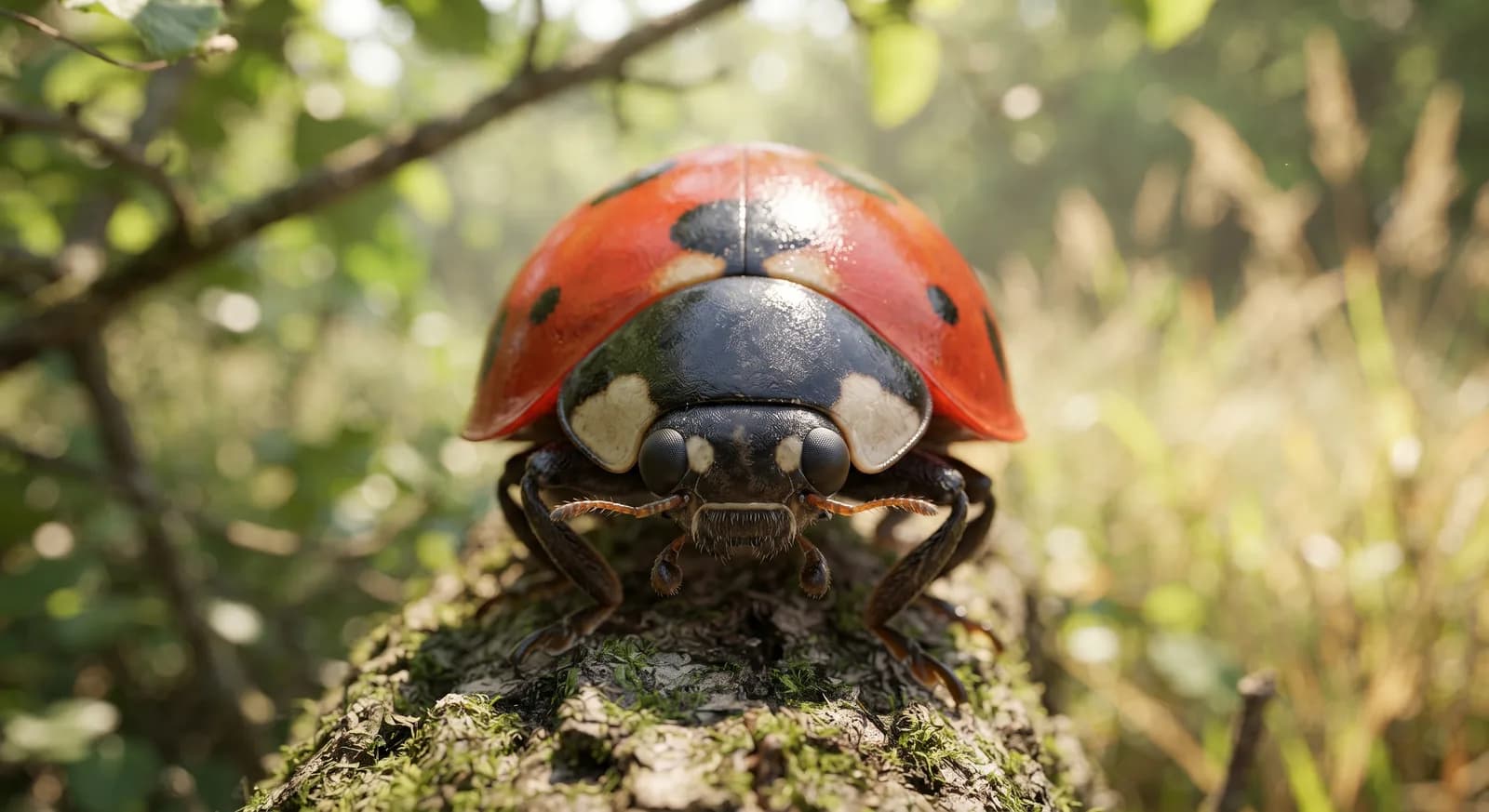
Seven-spotted Lady BeetleNot Evaluated

Seven-spotted Lady Beetle

Coccinella septempunctata

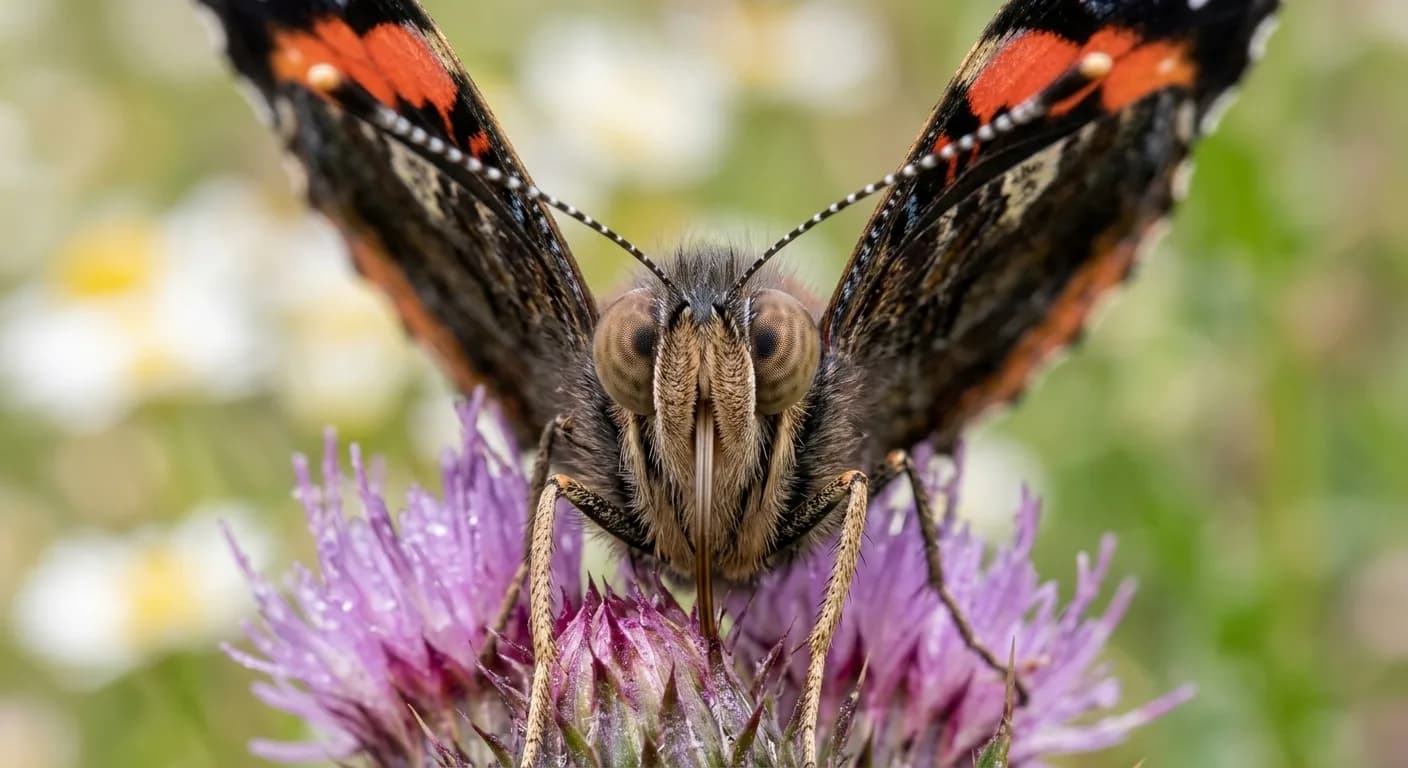
Red AdmiralLeast Concern

Red Admiral

Vanessa atalanta

CountriesAlbania
TagsOmnivore
Omnivore
Diurnal
Solitary
Insect
Grassland

Europe41

Asia10

Africa3

Albania
Algeria
Andorra
Armenia
Austria
Azerbaijan
Albania
Andorra
Austria
Belarus
Belgium
Bosnia and Herzegovina
Bulgaria
Croatia
Cyprus
Czechia
Denmark
Estonia
Finland
France
Germany
Greece
Hungary
Ireland
Italy
Latvia
Liechtenstein
Lithuania
Luxembourg
Malta
Moldova
Monaco
Montenegro
Netherlands
North Macedonia
Norway
Poland
Portugal
Romania
Serbia
Slovakia
Slovenia
Spain
Sweden
Switzerland
Ukraine
United Kingdom
Armenia
Azerbaijan
Georgia
Iran
Israel
Kazakhstan
Lebanon
Russia
Syria
Türkiye
Algeria
Morocco
Tunisia