Skip to content
WAnimals
  • Map
  • Species
  • Parks
  • Diving
Log inCreate account
WAnimals

The guide for travellers and animal lovers: discover, plan and share your wild adventures around the world.

Discover wildlife

  • Species
  • Ecosystems
  • Glossary
  • Tags

Explore places

  • Map
  • Countries
  • Parks
  • Diving

Plan experiences

  • Guides

Learn

  • Blog

Resources

  • About us
  • How we build our profiles
  • Help centre
  • Contact
  • Install the app

Follow us

Account

  • Log in
  • Create account

© 2026 WAnimals. All rights reserved.

Terms of servicePrivacyCookiesLegal notice
MapSpeciesParksDiving
  1. Home
  2. Species
  3. German Cockroach

One of the 5 cockroaches on WAnimals

Insects · Blattodea · Ectobiidae

German Cockroach

Blattella germanica

Not Evaluated

It has not yet been assessed against the IUCN criteria.

Spotted something wrong?

The most widespread cockroach in buildings worldwide, small, pale brown and with two dark lengthwise bands behind the head. It lives in kitchens, restaurants and bars, eats any organic scrap and depends entirely on heated surroundings: in temperate climates it does not survive outside buildings.

Size

1.3 cm – 1.6 cm

Life expectancy

1 year

Diet

Omnivore

Combines animal and plant food depending on availability.

Activity

Nocturnal

Active mainly at night.

Social structure

Solitary

Lives and hunts alone, joining others only to breed.

Grassland

Fun facts

  • GeneralThe hardest household cockroach to get rid of: one female produces as many as 300 offspring.
  • Unlike other cockroaches, the female carries the ootheca attached to her abdomen right up to the moment of hatching, which shields the eggs from insecticides and predators.
  • Whole populations have developed an aversion to glucose: sugary baits kill those that accept sugar and those that refuse it survive, a case of evolution observed within a few years inside people's homes.
  • Its allergens are a recognised cause of childhood asthma in homes with chronic infestations.
  • It is the most troublesome household cockroach in the world, and it owes that to three things: small size, a short life cycle and an extraordinary readiness to develop insecticide resistance.
  • A single female can leave between 200 and 400 descendants; at any given moment 75 to 80% of an infestation is nymphs, which means eggs and nymphs have to be targeted too, not just adults.
  • Resistance is documented to pyrethroids, fipronil, clothianidin, indoxacarb and hydramethylnon.
  • Its droppings, cast skins and corpses contain allergens that trigger asthma, and that is its main impact on health.

Life cycle and biology

Skeleton type
Invertebrate - chitin exoskeleton (insect)
Habitat and environment
Kitchens, restaurants, bars and warm damp premises
Size at birth
Ootheca 6 to 8 mm; the newly hatched nymph measures about 3 mm
Sexual maturity
Six to seven nymphal instars over 6 to 31 weeks; the females begin to mate four days after emerging
Gestation / incubation
3-4 weeks of ootheca incubation
Litter / clutch size
30-40 eggs per ootheca

Sources consulted: Wikipedia (es): Blattella germanica · ScienceDirect (Hughes 1989) · Science Advances, How colonial animals evolve · Wikipedia, Zooid · Rutgers NJAES, ficha German cockroach · University of Florida · University of Florida, ficha German cockroach · LSU AgCenter · Animal Diversity Web, Blattella germanica · ficha de identificacion de la especie · LSU AgCenter, ficha Blattella germanica · Insects Limited

Related species

Other species in the catalogue with the most in common with German Cockroach — same habitat, park, country, tags or family.

Related to
Related to
Related to
Related to
Related to
Related to

Keep exploring

Based on what we already know about german cockroach.
Share an experience, a fun fact or a tip for seeing the german cockroach.
See full glossary
This page in other languages: Español · Deutsch · Français · Português · Italiano
Least Concern

House Mouse

Mus musculus

Least Concern

Brown Rat

Rattus norvegicus

Least Concern

Black Rat

Rattus rattus

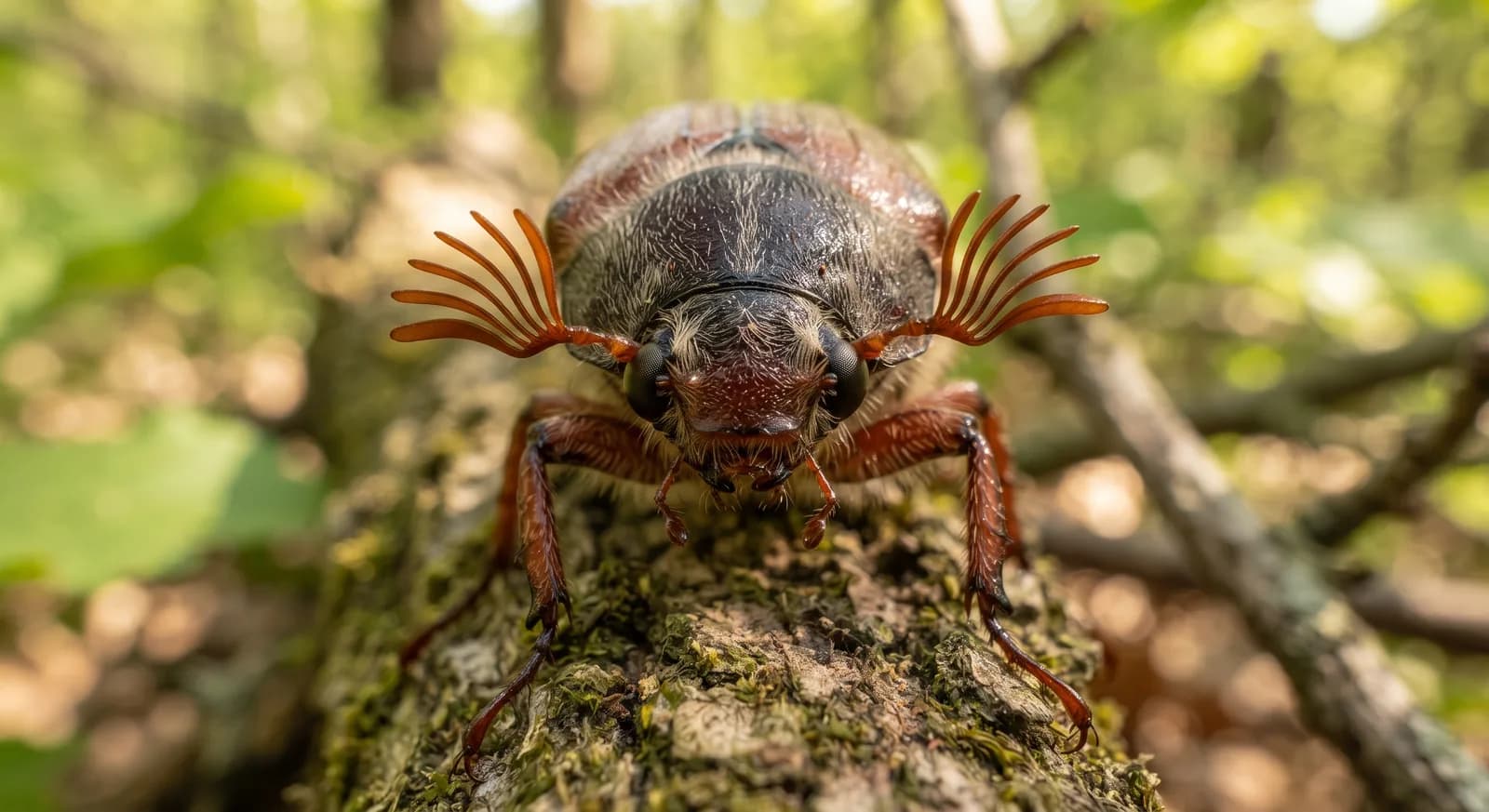
Common CockchaferNot Evaluated

Common Cockchafer

Melolontha melolontha

Not Evaluated

South American Fire Ant

Solenopsis invicta

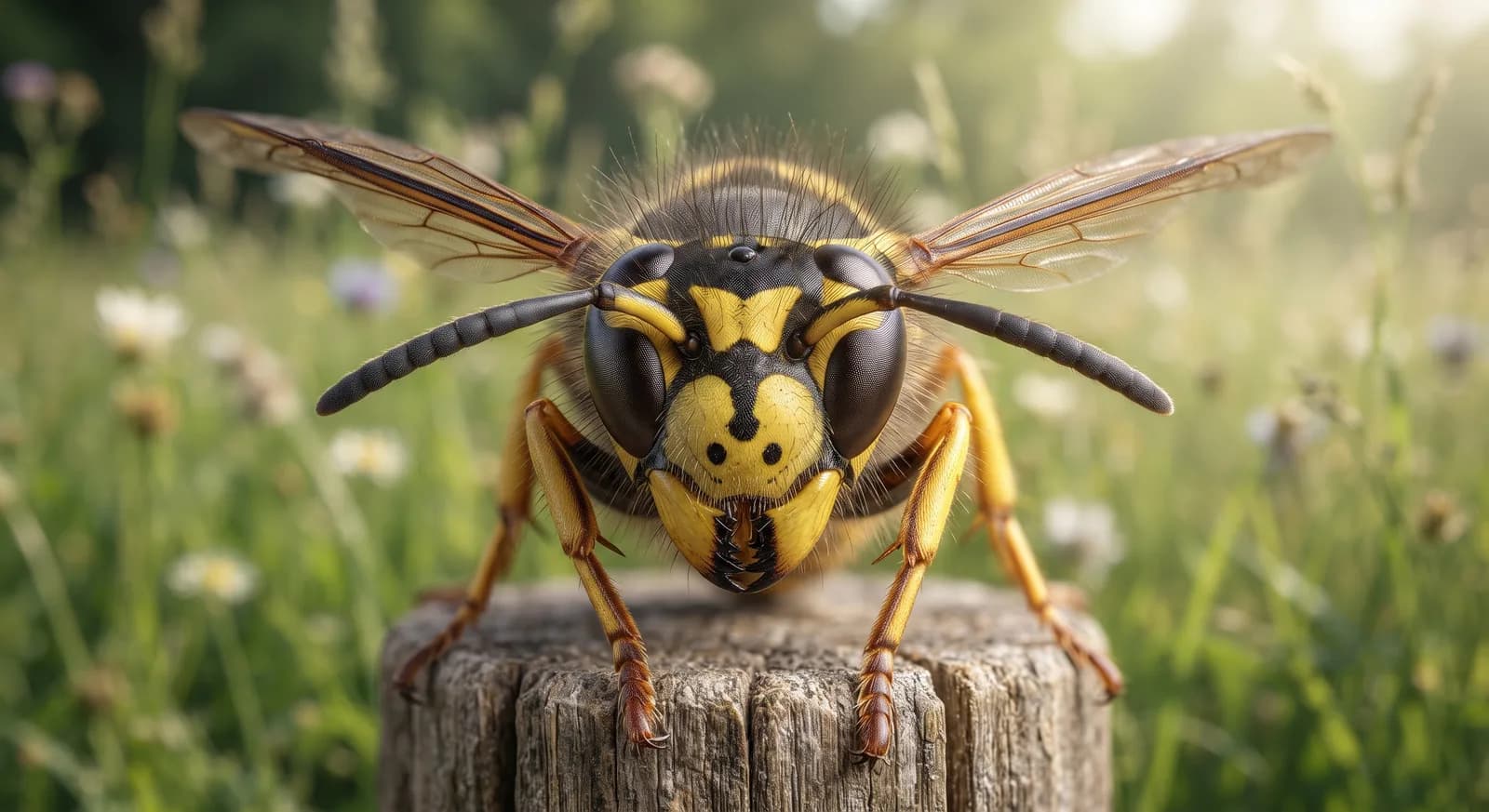
German WaspNot Evaluated

German Wasp

Vespula germanica

TagsOmnivore
Omnivore
Nocturnal
Colonial
Insect
Grassland