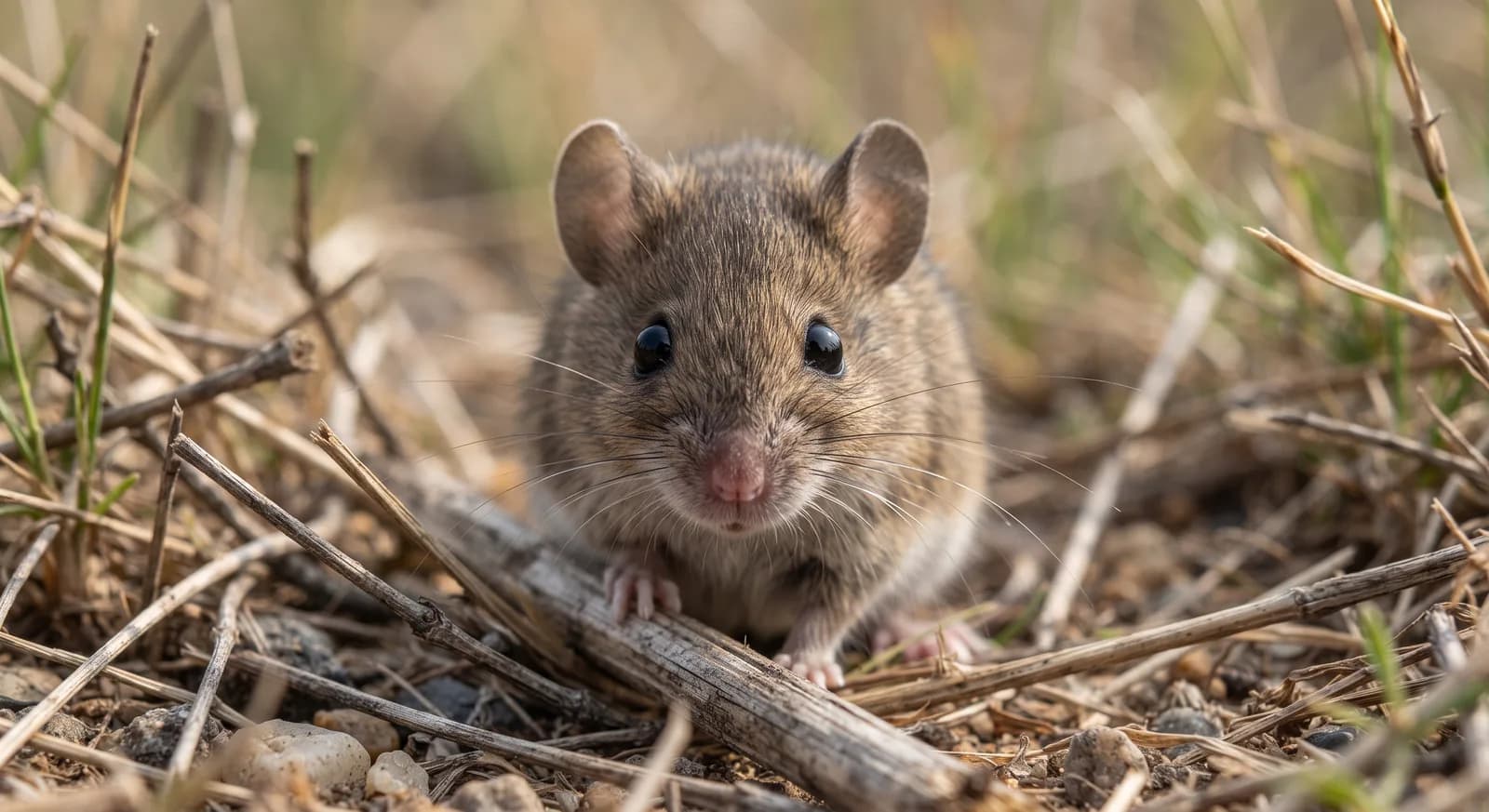
Mammals · Rodentia · Muridae
Mus musculus
The species is abundant and widely distributed; it faces no significant short-term risk.
It is one of the most widely used model organisms in biomedical research worldwide, central to the study of ageing, genetics and a great many human diseases.
Weight
12 g – 30 g
Size
up to 20 cm
Life expectancy
1 year
Diet
Omnivore
Combines animal and plant food depending on availability.
Activity
Nocturnal
Active mainly at night.
Social structure
Colony
Lives in large concentrations, often for breeding reasons.
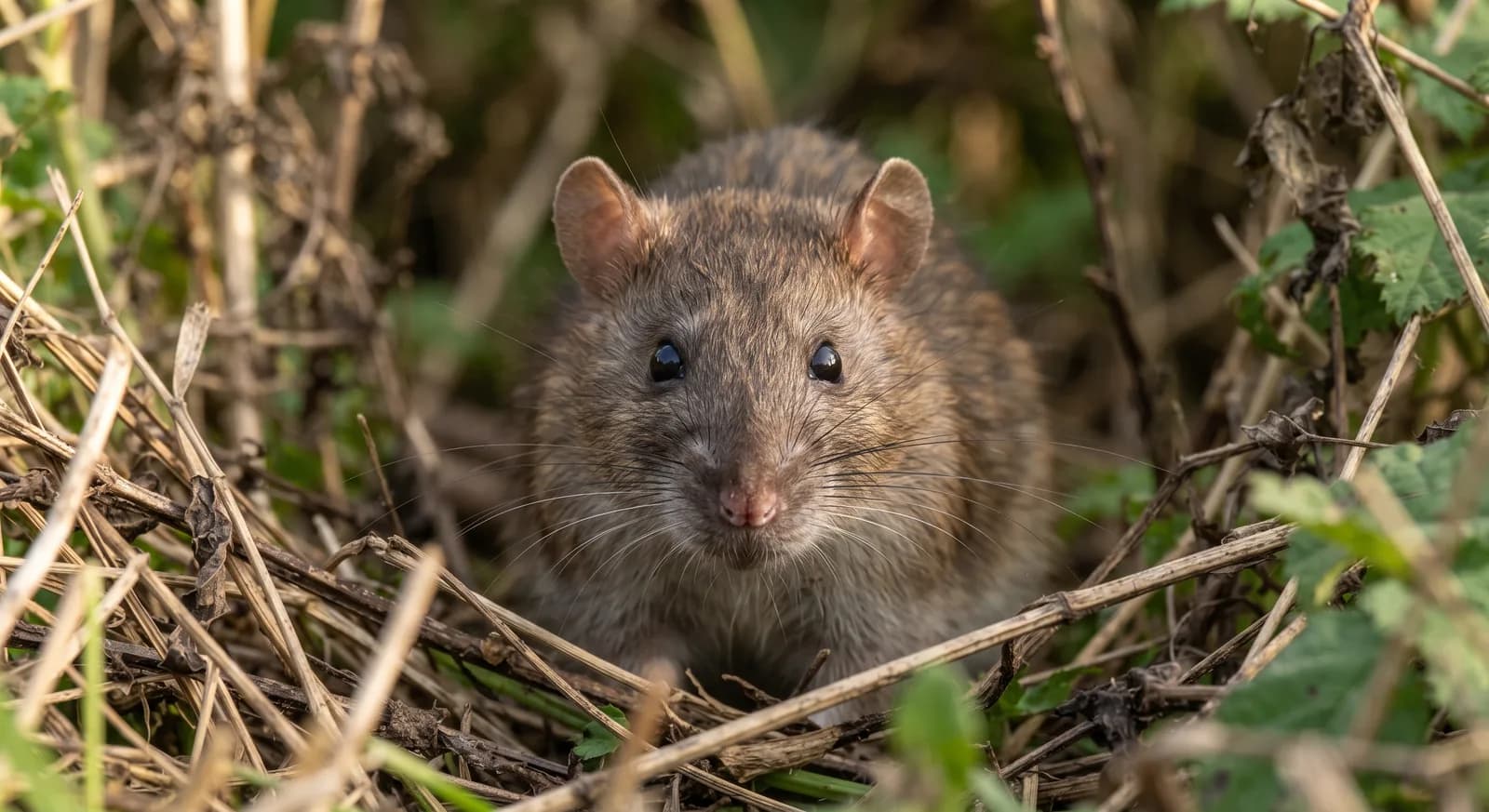
AI-generated images: illustrations, not photographs.
Sources consulted: AnAge (genomics.senescence.info) · Animal Diversity Web · Charles Darwin Foundation · arXiv (State of Brain Emulation Report) · Cascade Pest · Terminix · Orkin
Best time: All year round, at night; it is tied to human buildings almost everywhere in the world.
Other species in the catalogue with the most in common with House Mouse — same habitat, park, country, tags or family.
Based on what we already know about house mouse.