Skip to content
WAnimals
  • Map
  • Species
  • Parks
  • Diving
Log inCreate account
WAnimals

The guide for travellers and animal lovers: discover, plan and share your wild adventures around the world.

Discover wildlife

  • Species
  • Ecosystems
  • Glossary
  • Tags

Explore places

  • Map
  • Countries
  • Parks
  • Diving

Plan experiences

  • Guides

Learn

  • Blog

Resources

  • Help centre
  • Contact
  • Install the app

Follow us

Account

  • Log in
  • Create account

© 2026 WAnimals. All rights reserved.

About usHow we build our profilesTerms of servicePrivacyLegal notice
MapSpeciesParksDiving
  1. Home
  2. Species
  3. Wood Mouse

One of the 6 mice on WAnimals

Mammals · Rodentia · Muridae

Wood Mouse

Apodemus sylvaticus

Least Concern

The species is abundant and widely distributed; it faces no significant short-term risk.

Spotted something wrong?

A rodent with a bulky head, large prominent black eyes and ears proportionally larger than those of the mice of the genus Mus. The back is reddish yellow and the belly creamy white, the two sharply demarcated. Its very long hind legs let it move in bounds of more than a metre.

Weight

15 g – 35 g

Size

8 cm – 12 cm

Life expectancy

2 years

Diet

Omnivore

Combines animal and plant food depending on availability.

Activity

Nocturnal

Active mainly at night.

Social structure

Solitary

Lives and hunts alone, joining others only to breed.

Sighting difficulty

Easy

Estimated population

No numerical estimate; it is one of the most abundant small mammals in Spain, present throughout the peninsula, the Balearic Islands, Ceuta and Melilla

47countries153parks5same family

Fun facts

  • Litter size increases with latitude: the populations of southern Spain have the smallest litters in Europe.
  • It can shed the skin of its tail and regrow it as a defence against a predator.
  • The young eat the droppings of adults to obtain vitamin B12 and the bacteria they need in order to digest cellulose.

Life cycle and biology

Skeleton type
Vertebrate - internal bony skeleton (mammal)
Habitat and environment
Practically any setting with dense plant cover: woodland, scrub, meadows, stone walls and crops, from sea level up to about 1,850 m
Size at birth
The young are altricial: born hairless and blind, with the ear canal closed and unable to regulate their temperature
Sexual maturity
Within a few weeks of life; at around 3 months depending on the population
Gestation / incubation
25 - 26 days
Litter / clutch size
1-11 young per litter, with averages between 4.4 and 6.5, and 1 to 4 litters a year

Sources consulted: Sánchez-González, Navarro-Castilla, Hernández y Barja 2016, Enciclopedia Virtual de los Vertebrados Españoles (MNCN-CSIC); MITECO - Inventario Español de Especies Terrestres; SECEM; IUCN Red List; Torre, Arrizabalaga y Díaz 2002; Flowerdew 1985; Sans-Coma et al. 1987

Where to find it

Best time: All year round; it is nocturnal and hard to see, but it leaves characteristic traces on nuts

Loading map…

Where to see it

Parks and dive sites where this species has been documented — showing 10 of 153.

Related species

Other species in the catalogue with the most in common with Wood Mouse — same habitat, park, country, tags or family.

Same taxonomic family
Shares a park
Shares a park
Shares a park
Shares a park
Shares a park

Keep exploring

Based on what we already know about wood mouse.

Comments

Share an experience, a fun fact or a tip for seeing the wood mouse.

Be the first to comment.

See full glossary
This page in other languages: Español · Deutsch · Français · Português · Italiano

The pins mark the parks where its presence is documented.
See its range on the interactive map→
Doñana National ParkSpain
KillarneyIreland
Picos de EuropaSpain
Ordesa y Monte PerdidoSpain
Aiguestortes i Estany de Sant MauriciSpain
Peneda-GeresPortugal
Abruzzo, Lazio and MoliseItaly
Alta MurgiaItaly
Mount OlympusGreece
PlitviceCroatia
See all 153 parks
Least Concern

Harvest Mouse

Micromys minutus

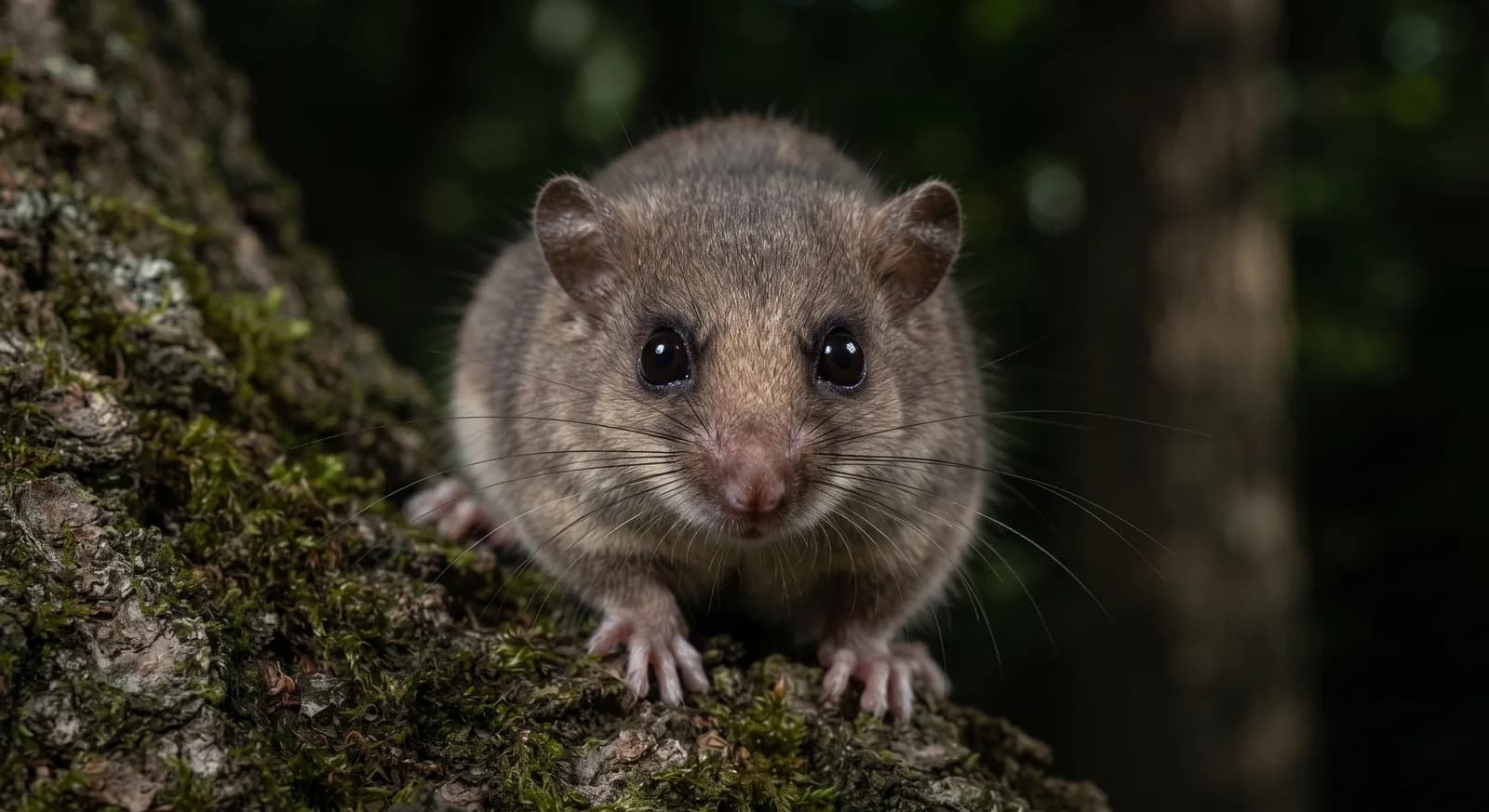
Fat DormouseLeast Concern

Fat Dormouse

Glis glis

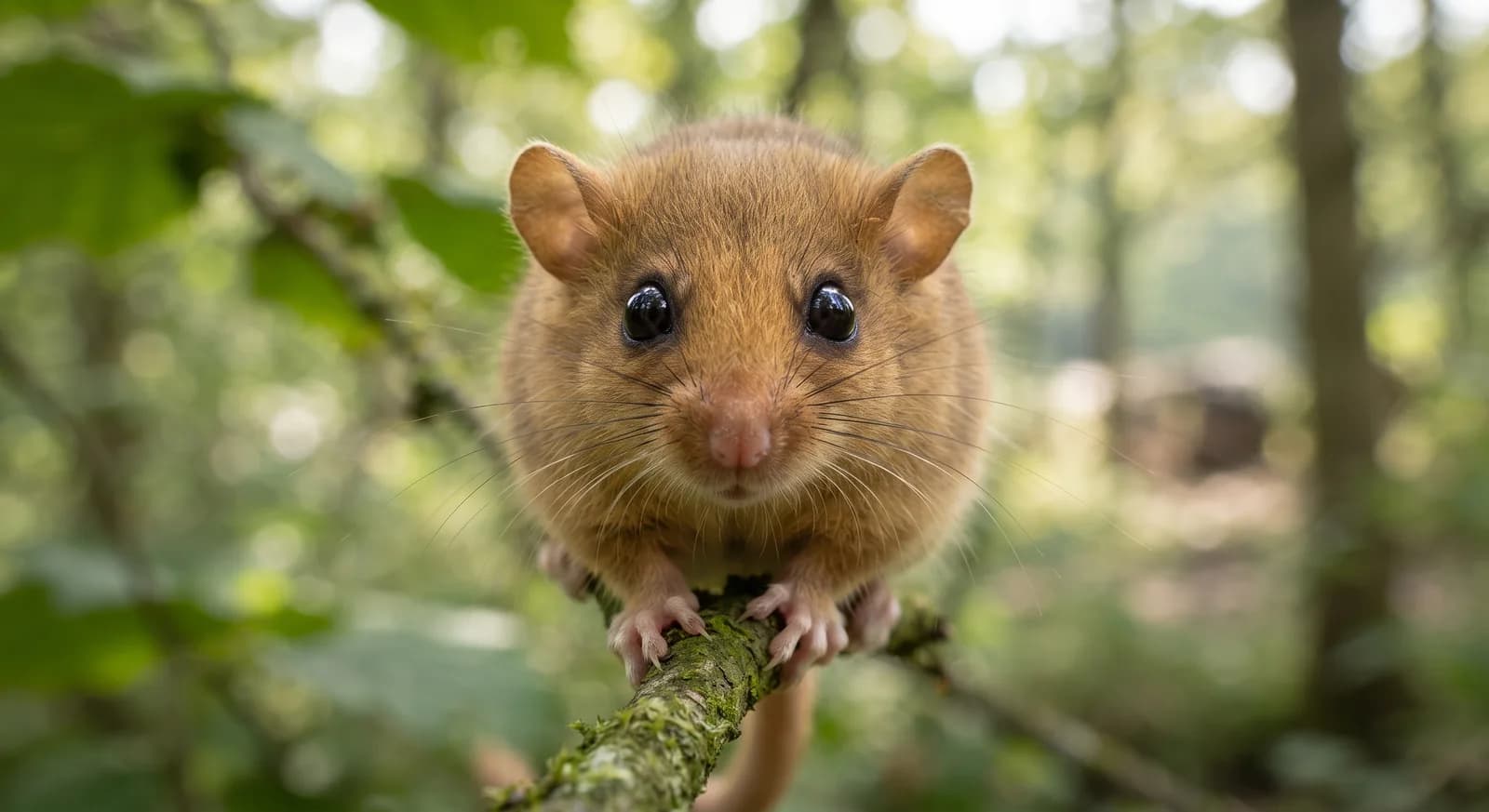
Hazel DormouseLeast Concern

Hazel Dormouse

Muscardinus avellanarius

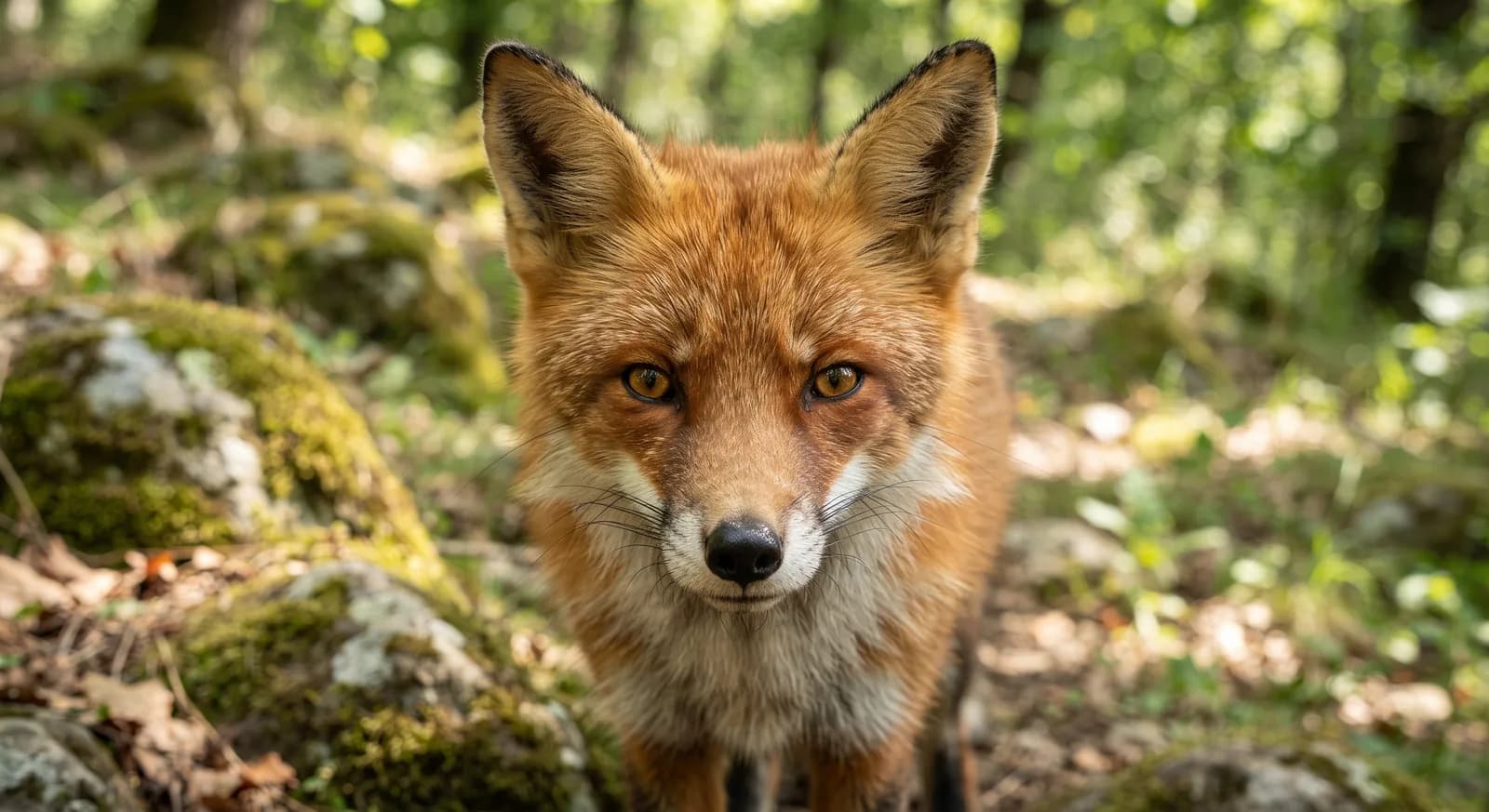
Red FoxLeast Concern

Red Fox

Vulpes vulpes

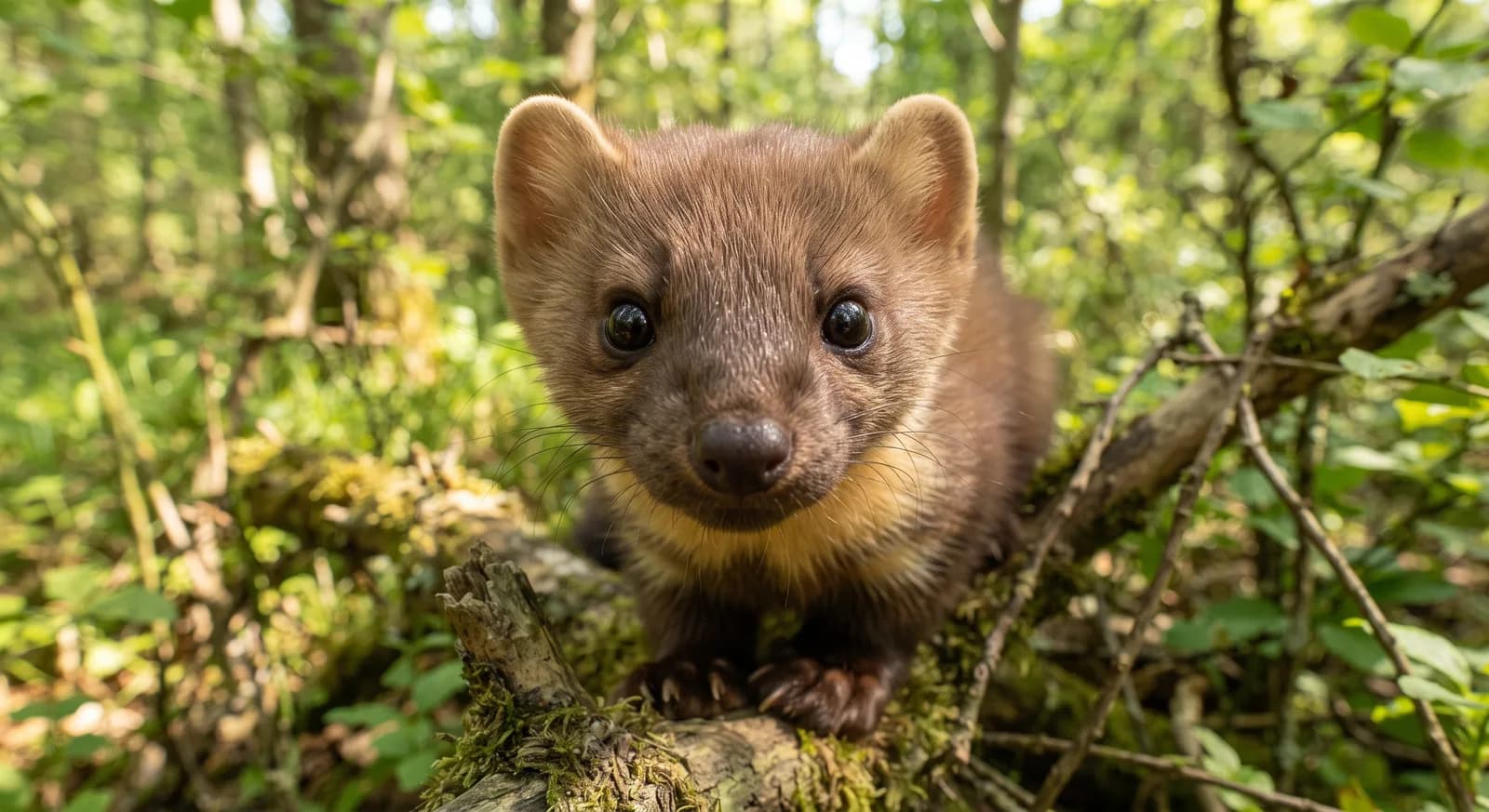
Pine MartenLeast Concern

Pine Marten

Martes martes

Least Concern

Common Genet

Genetta genetta

CountriesPoland
ParksDoñana National ParkSpain
TagsOmnivore
Omnivore
Nocturnal
Solitary
Mammal

Europe42

Asia5

Poland
Spain
Italy
Romania
Germany
Slovakia
Albania
Andorra
Austria
Belarus
Belgium
Bosnia and Herzegovina
Bulgaria
Croatia
Cyprus
Czechia
Denmark
Estonia
Finland
France
Germany
Greece
Hungary
Iceland
Ireland
Italy
Kosovo
Latvia
Liechtenstein
Lithuania
Luxembourg
Moldova
Montenegro
Netherlands
North Macedonia
Norway
Poland
Portugal
Romania
San Marino
Serbia
Slovakia
Slovenia
Spain
Sweden
Switzerland
Ukraine
United Kingdom
Armenia
Azerbaijan
Georgia
Russia
Türkiye