One of the 2 dormice on WAnimals
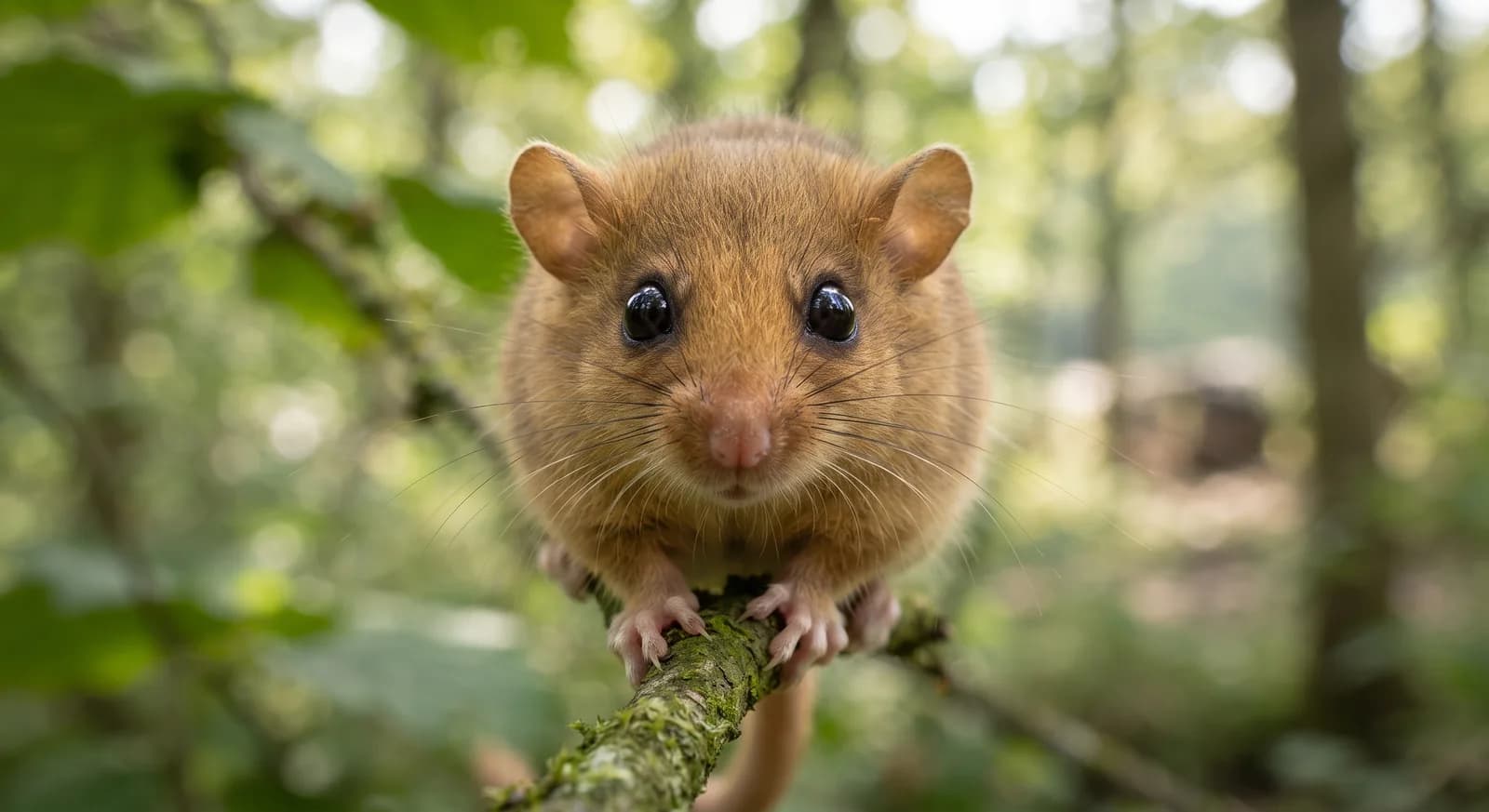
Mammals · Rodentia · Gliridae
Muscardinus avellanarius
The species is abundant and widely distributed; it faces no significant short-term risk.
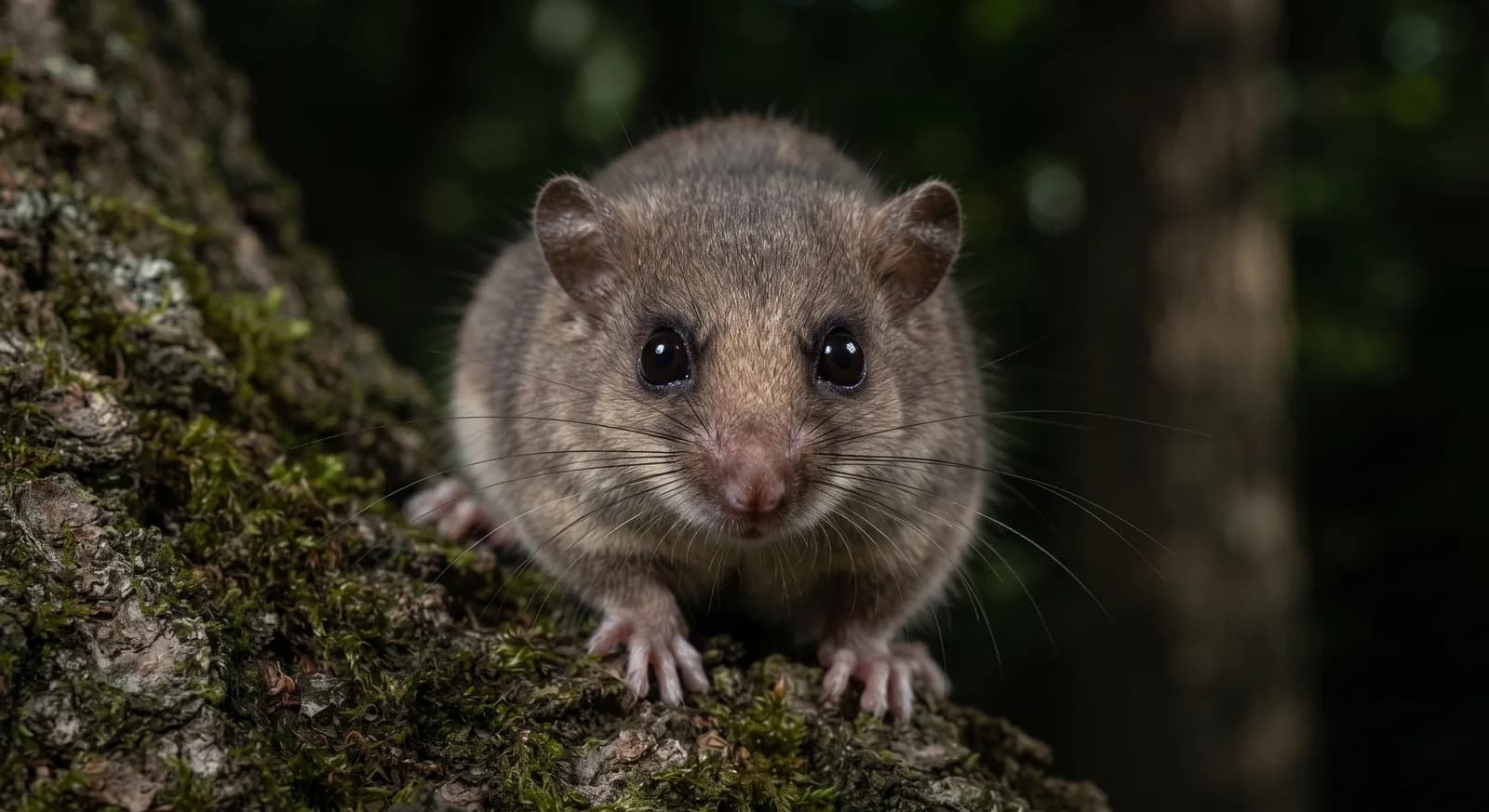
A tiny rodent with a stocky body and dense fur, with a striking contrast between the warm cinnamon-coloured back and the white belly. Its tail is long and bushy, unlike the scaly tail of mice. It is the only living species in the genus Muscardinus.
Weight
17 g – 40 g
Size
6 cm – 9 cm
Diet
Omnivore
Combines animal and plant food depending on availability.
Activity
Nocturnal
Active mainly at night.
Social structure
Solitary
Lives and hunts alone, joining others only to breed.
AI-generated images: illustrations, not photographs.
Sources consulted: IUCN Red List (e.T13992) · Wachtendorf 1951 (tipología de nidos) · Armitage et al. 2025, Oecologia · People's Trust for Endangered Species · Antropocene.it
Best time: From late April to October, outside the hibernation period
Parks and dive sites where this species has been documented — showing 10 of 165.
Other species in the catalogue with the most in common with Hazel Dormouse — same habitat, park, country, tags or family.
Based on what we already know about hazel dormouse.
The pins mark the parks where its presence is documented.