Skip to content
WAnimals
  • Map
  • Species
  • Parks
  • Diving
Log inCreate account
WAnimals

The guide for travellers and animal lovers: discover, plan and share your wild adventures around the world.

Discover wildlife

  • Species
  • Ecosystems
  • Glossary
  • Tags

Explore places

  • Map
  • Countries
  • Parks
  • Diving

Plan experiences

  • Guides

Learn

  • Blog

Resources

  • About us
  • How we build our profiles
  • Help centre
  • Contact
  • Install the app

Follow us

Account

  • Log in
  • Create account

© 2026 WAnimals. All rights reserved.

Terms of servicePrivacyCookiesLegal notice
MapSpeciesParksDiving
  1. Home
  2. Species
  3. Golden Buprestid

One of the 24 beetles on WAnimals

Insects · Coleoptera · Buprestidae

Golden Buprestid

Buprestis aurulenta

Not Evaluated

It has not yet been assessed against the IUCN criteria.

Spotted something wrong?

A jewel beetle of metallic emerald and copper with orange elytral margins, native to the conifer forests of western North America. Its larvae tunnel through the wood of weakened or recently dead pines, firs and spruces.

Size

1.3 cm – 2 cm

Life expectancy

4 years

Diet

Herbivore

Feeds mainly on plants.

Activity

Diurnal

Active mainly during the day.

Social structure

Solitary

Lives and hunts alone, joining others only to breed.

Temperate forest
2countries1same family

Fun facts

  • Its larvae can stay inside the wood for decades if it dries out: adults have emerged from beams and furniture more than forty years after the tree was felled, with a documented record of fifty-one years.
  • Its hard, iridescent elytra have been used as jewellery in several cultures.
  • It detects freshly burnt or damaged wood from a distance thanks to infrared receptors, an ability found in several jewel beetles.
  • Its metallic green and copper are structural colour, produced by layers of the cuticle, and they do not degrade with time: museum specimens keep their shine a century on.
  • It is famous for its extreme larval longevity in dry wood. Adults have been documented emerging from beams and furniture decades after the timber was cut; the most frequently cited record exceeds fifty years.
  • This happens because dry, worked wood is an extremely poor food, and the larva prolongs its development indefinitely until it has built up sufficient reserves.
  • Buprestids are called jewel beetles precisely because of these colours, and several cultures have used their elytra as ornament in embroidery and jewellery.
  • The adult is diurnal and heat-loving, and is seen on sunlit trunks in summer.

Life cycle and biology

Skeleton type
Invertebrate - chitin exoskeleton (insect)
Habitat and environment
Conifers of the forests of western North America
Size at birth
The larva is whitish, legless and flattened, with the thoracic segments wider than the abdomen, and reaches up to 38 mm
Gestation / incubation
The female lays the eggs in cracks in the bark of recently dead or dying conifers; the larva bores through the wood for 2 to 4 years under normal conditions

Sources consulted: Smith, revisiones de Buprestidae · Natural History Museum de Londres · Universidad Estatal de Oregón, Extension Service · Montana Public Radio, ficha Golden buprestid · ficha de especie de Buprestis aurulenta · ficha de especie · University of Wisconsin-Milwaukee Field Station

Where to find it

Best time: The adults fly in spring and summer and come to recently dead conifers, often affected by fire or lightning

Loading map…

Related species

Other species in the catalogue with the most in common with Golden Buprestid — same habitat, park, country, tags or family.

Same taxonomic family
Related to
Related to
Related to
Related to
Related to

Keep exploring

Based on what we already know about golden buprestid.
Share an experience, a fun fact or a tip for seeing the golden buprestid.
See full glossary
This page in other languages: Español · Deutsch · Français · Português · Italiano
See its range on the interactive map→
Not Evaluated

Emerald Ash Borer

Agrilus planipennis

Vulnerable

Gopher Tortoise

Gopherus polyphemus

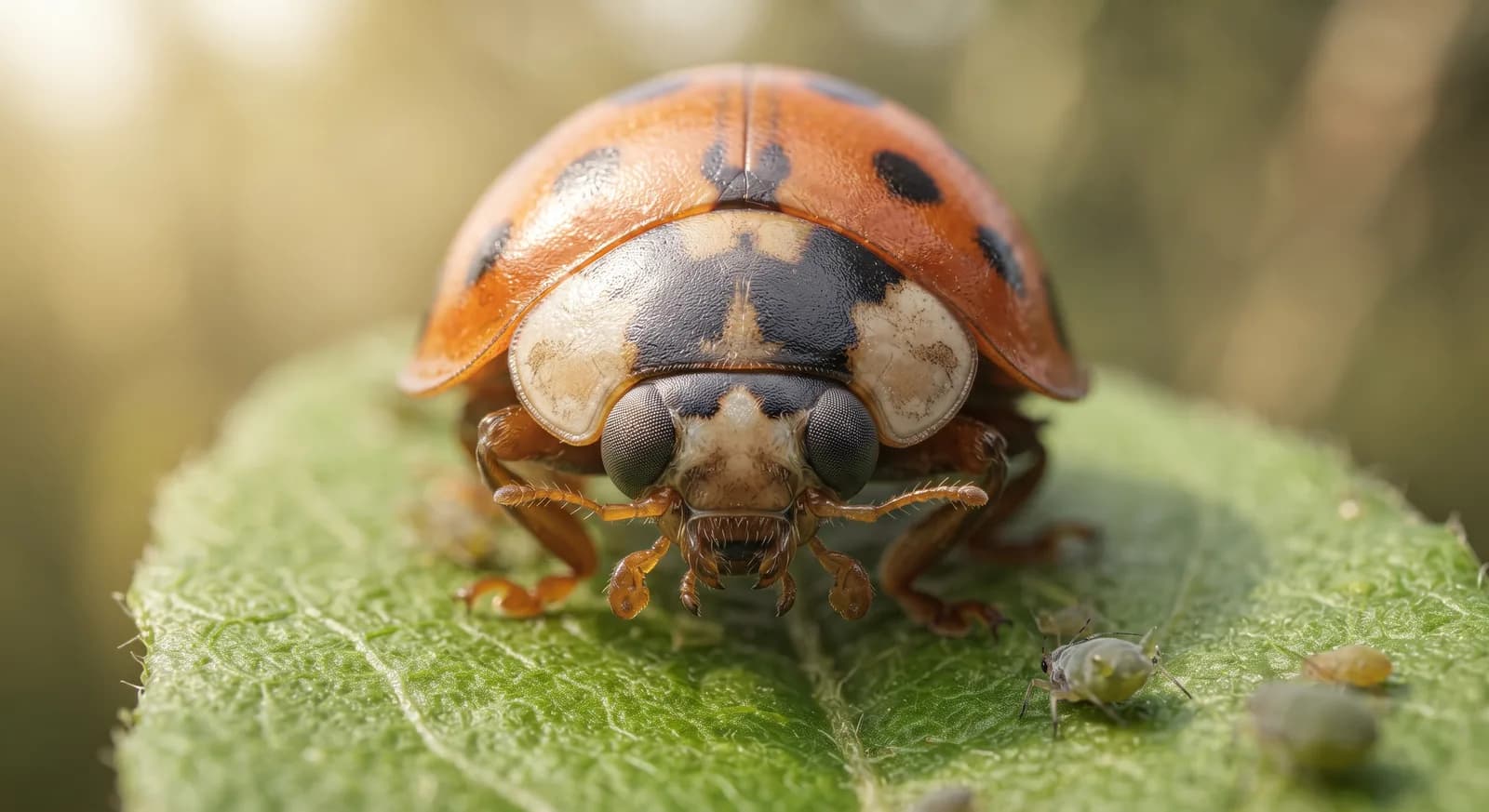
Harlequin LadybirdNot Evaluated

Harlequin Ladybird

Harmonia axyridis

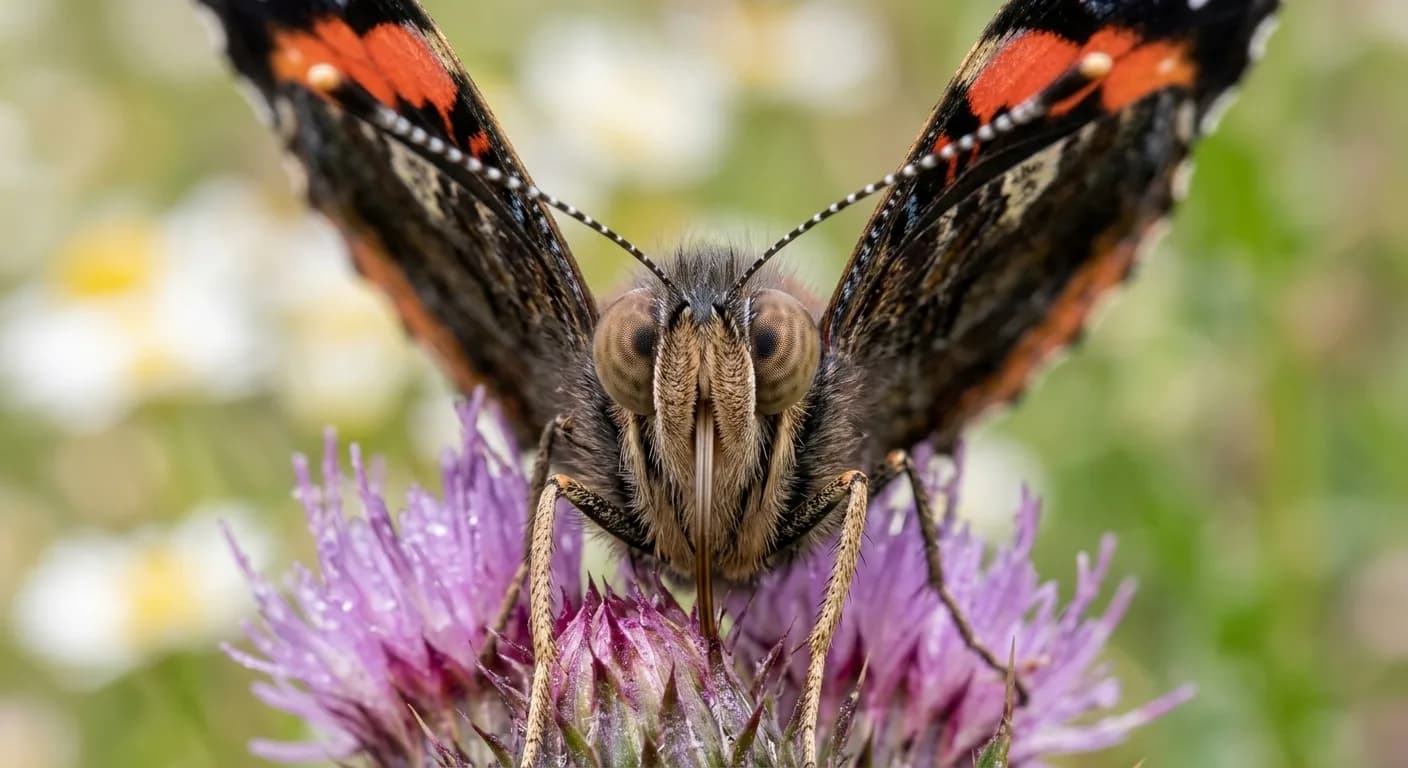
Red AdmiralLeast Concern

Red Admiral

Vanessa atalanta

Not Evaluated

North American Luna Moth

Actias luna

Near Threatened

Decim Periodical Cicada

Magicicada septendecim

CountriesCanada
TagsHerbivore
Herbivore
Diurnal
Solitary
Insect
Temperate forest
Canada
United States