Skip to content
WAnimals
  • Map
  • Species
  • Parks
  • Diving
Log inCreate account
WAnimals

The guide for travellers and animal lovers: discover, plan and share your wild adventures around the world.

Discover wildlife

  • Species
  • Ecosystems
  • Glossary
  • Tags

Explore places

  • Map
  • Countries
  • Parks
  • Diving

Plan experiences

  • Guides

Learn

  • Blog

Resources

  • About us
  • How we build our profiles
  • Help centre
  • Contact
  • Install the app

Follow us

Account

  • Log in
  • Create account

© 2026 WAnimals. All rights reserved.

Terms of servicePrivacyCookiesLegal notice
MapSpeciesParksDiving
  1. Home
  2. Species
  3. Decim Periodical Cicada

One of the 3 cicadas on WAnimals

Insects · Hemiptera · Cicadidae

Decim Periodical Cicada

Magicicada septendecim

Near Threatened

It could become threatened in the near future if current threats go unchecked.

Spotted something wrong?

It has the longest life cycle known in any insect, spending a full 17 years underground as a nymph before emerging all at once with millions of others of its generation.

Size

2.4 cm – 3.5 cm

Life expectancy

17 years

Diet

Herbivore

Feeds mainly on plants.

Activity

Diurnal

Active mainly during the day.

Social structure

Colony

Lives in large concentrations, often for breeding reasons.

Temperate forest
1countries9parks

Fun facts

  • Its mass emergence, which can exceed a million individuals per hectare, is a "predator satiation" strategy.
  • It feeds on xylem sap from tree roots as a nymph, and from branches as an adult.
  • The adult lives only 4 to 6 weeks after 17 years underground as a nymph.
  • It lives underground for seventeen years and emerges all at once, synchronised with millions of individuals of its own cohort, to breed and die within a few weeks.
  • The strategy is called predator satiation: they emerge in such enormous densities that predators are sated long before they can finish them off, and it is enough for a sufficient number to survive.
  • And it works because the number is prime. With 13 and 17 both prime cycles, the cohorts of different species hardly ever coincide — the 13- and 17-year ones only overlap once every 221 years — which avoids competition and accidental hybridisation.
  • It also prevents any specialised predator from synchronising its own cycle with the cicada's: no predator can wait seventeen years.
  • The individuals are slow, clumsy and easy to catch — just the opposite of what you would expect. At those densities, the individual risk is so low that investing in escape does not pay.
  • The populations are organised into cohorts called broods, numbered with Roman numerals, each with its own emergence year and its own geographical area.
  • They exist only in eastern North America; no other region of the world has periodical cicadas.

Life cycle and biology

Skeleton type
Invertebrate - chitin exoskeleton (insect)
Habitat and environment
Deciduous woodland of the central and eastern United States, the nymphs feeding underground on tree roots
Birth weight
A tiny newly hatched nymph, out of an egg laid on twigs
Size at birth
A tiny nymph on hatching from the egg
Sexual maturity
17 years, the age at which it emerges as a breeding adult
Gestation / incubation
A full nymphal cycle of 17 years underground, through several successive stages
Litter / clutch size
Hundreds of eggs laid on tree twigs by each female

Sources consulted: Animal Diversity Web · Britannica · Chicago Botanic Garden · Cicada Mania · Grokipedia (Magicicada septendecim) · Penn State Extension · PMC (life-cycle control study, gut microbiome study)

Where to find it

Loading map…

The pins mark the parks where its presence is documented.

Where to see it

Parks and dive sites where this species has been documented.

Related species

Other species in the catalogue with the most in common with Decim Periodical Cicada — same habitat, park, country, tags or family.

Shares a park
Shares a park
Shares a park
Shares a park
Shares a park
Shares a park

Keep exploring

Based on what we already know about decim periodical cicada.

Share an experience, a fun fact or a tip for seeing the decim periodical cicada.
See full glossary
This page in other languages: Español · Deutsch · Français · Português · Italiano
See its range on the interactive map→
Great Smoky MountainsUnited States
Mammoth CaveUnited States
CongareeUnited States
ShenandoahUnited States
Cuyahoga ValleyUnited States
Indiana DunesUnited States
Assateague IslandUnited States
Hot SpringsUnited States
New River GorgeUnited States
Near Threatened

Northern Bobwhite

Colinus virginianus

Not Evaluated

Eastern Subterranean Termite

Reticulitermes flavipes

Near Threatened

Indiana Bat

Myotis sodalis

Least Concern

Mourning Dove

Zenaida macroura

Vulnerable

Chimney Swift

Chaetura pelagica

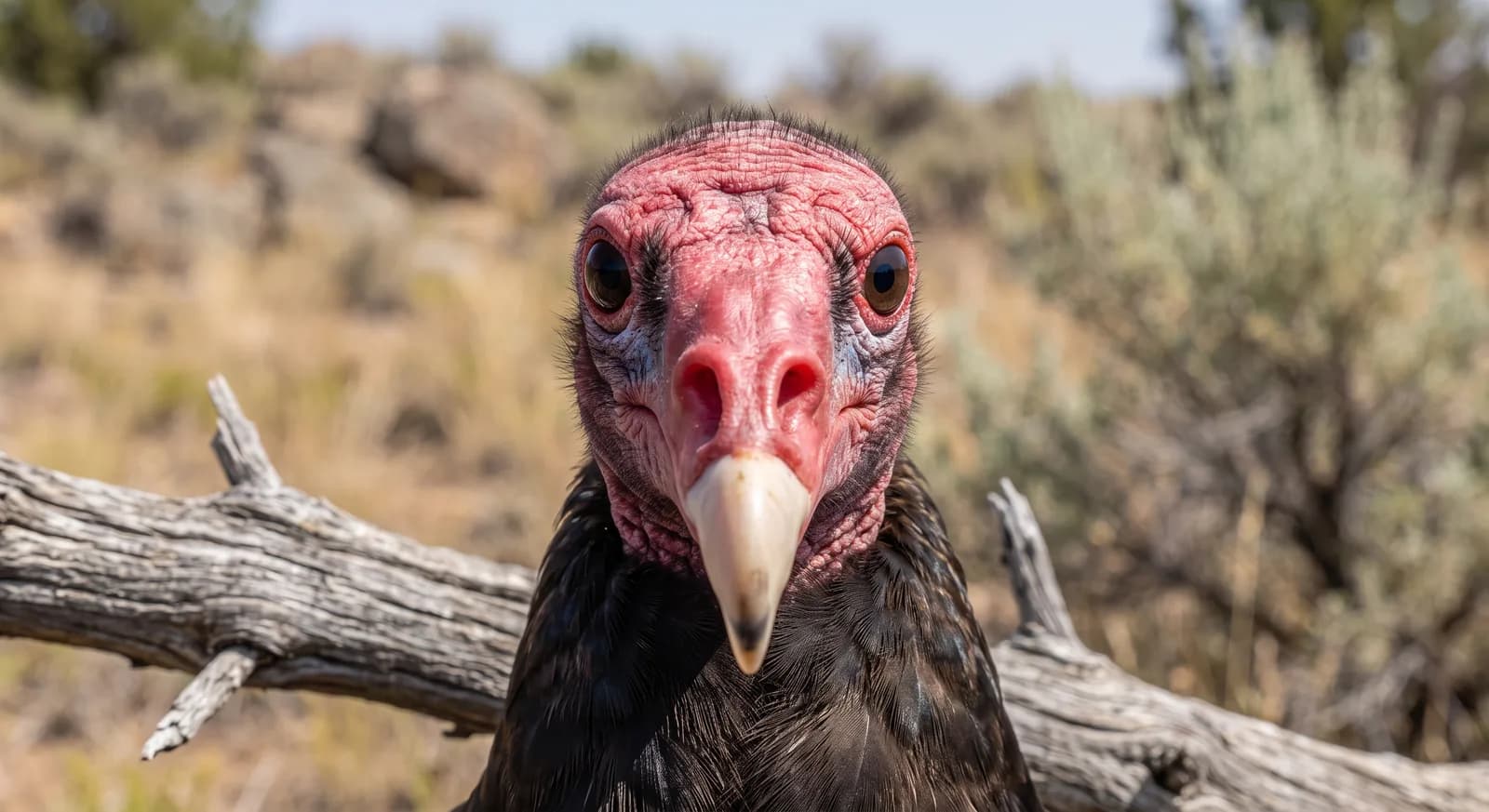
Turkey VultureLeast Concern

Turkey Vulture

Cathartes aura

CountriesUnited States
ParksGreat Smoky MountainsUnited States
TagsHerbivore
Herbivore
Diurnal
Colonial
Near Threatened
Insect
Temperate forest
United States