 Near Threatened
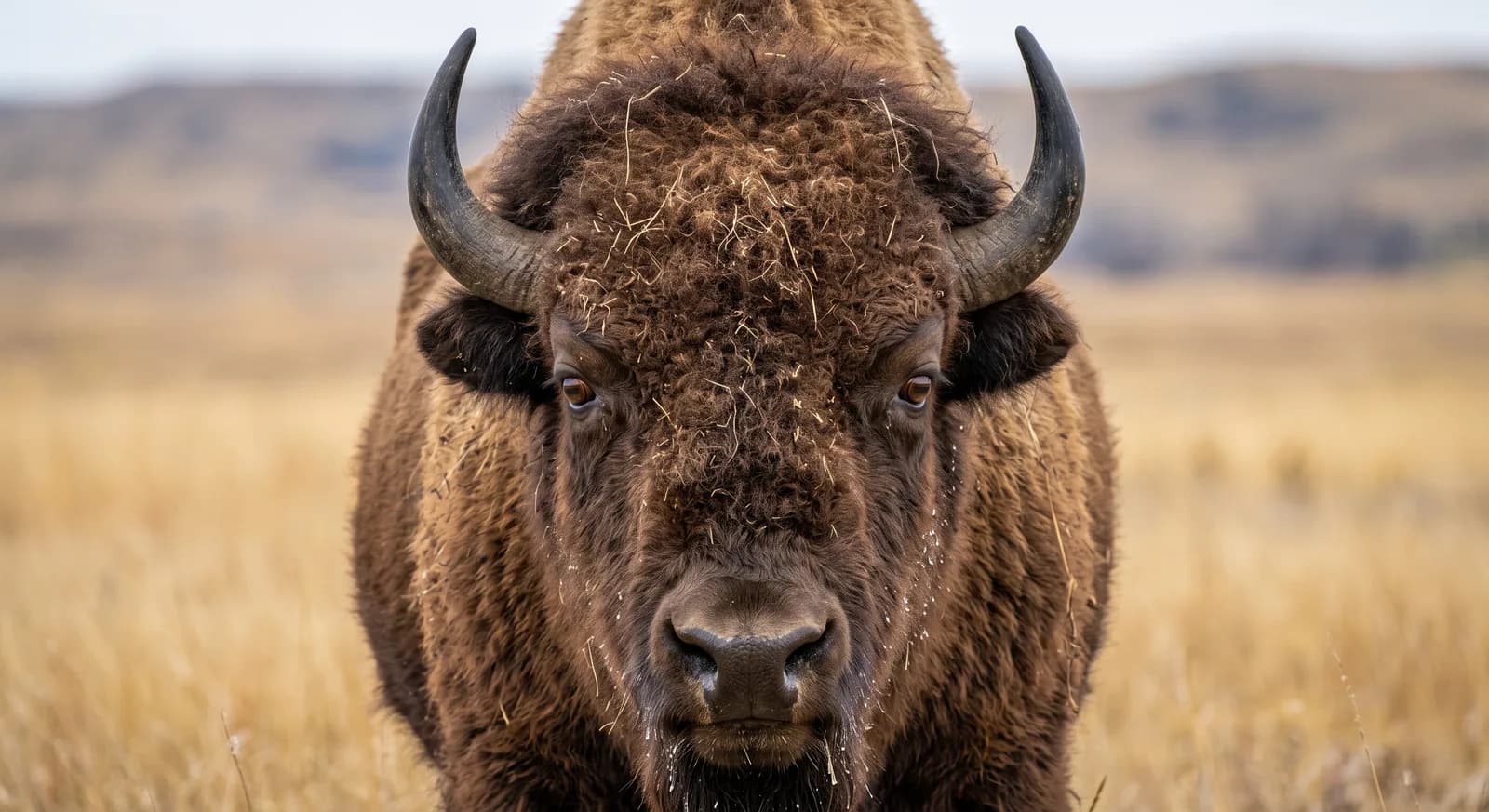
American Bison
Bison bison
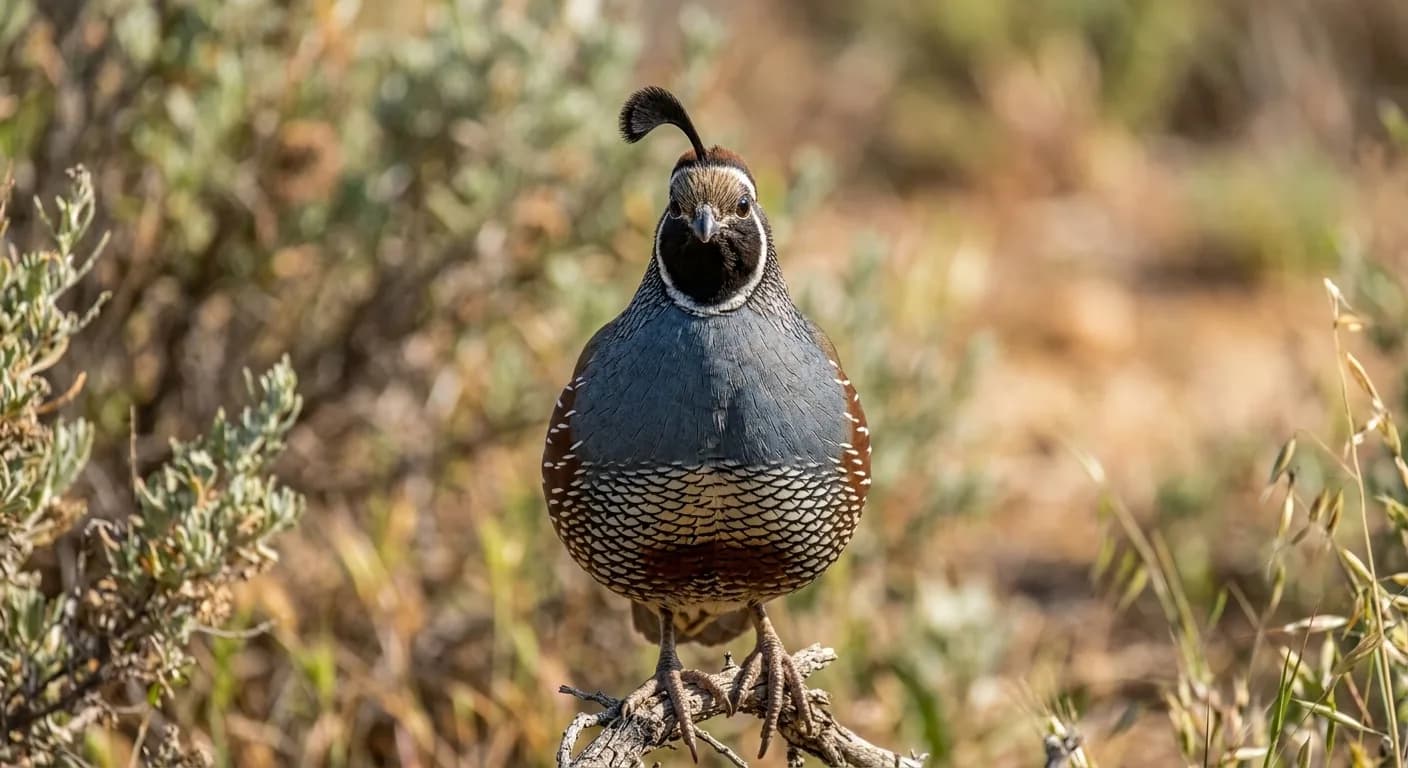
One of the 4 quail on WAnimals
Birds · Galliformes · Odontophoridae
Colinus virginianus
It could become threatened in the near future if current threats go unchecked.
The northern bobwhite is a bird of the family Odontophoridae. This chunky bird measures roughly 23 cm long and has a short tail; the female is smaller. The species varies from region to region; in Mexico five basic types have been identified, all conspecific and able to interbreed. The females are similar to one another, with pale brown supercilia and throat. This quail lives in the central and eastern United States, and also in Cuba, Mexico and Guatemala. The species has been introduced to Hispaniola, Puerto Rico and Santa Cruz Island, and to the islands of Andros and New Providence in the Bahamas. In Mexico it is distributed across the east of the country along the Gulf plain, from the Rio Grande to Tabasco. On the Pacific coast it occurs in Sonora and from Nayarit and Jalisco onwards through the Sierra Madre del Sur and as far as the state of Chiapas. On the Iberian Peninsula it has been introduced for shooting, causing conflicts with other species and with consequences that can be serious. It prefers savanna, grassland and farmland. The IUCN 2019-1 assessment classes the species as Near Threatened. It has a white meat much prized by shooters.
Weight
130 g – 250 g
Size
24 cm – 28 cm
Life expectancy
6 years
Diet
Herbivore
Feeds mainly on plants.
Activity
Diurnal
Active mainly during the day.
Social structure
Family group
Lives in small family groups with close bonds.
Sighting difficulty
Moderate
Sources consulted: https://es.wikipedia.org/wiki/Colinus_virginianus
Best time: All year round in the eastern United States and Mexico, by day; in spring the male repeats his whistled call from posts and fences.
The pins mark the parks where its presence is documented.
Parks and dive sites where this species has been documented — showing 10 of 13.
Other species in the catalogue with the most in common with Northern Bobwhite — same habitat, park, country, tags or family.
Based on what we already know about northern bobwhite.
Share an experience, a fun fact or a tip for seeing the northern bobwhite.
Be the first to comment.