Skip to content
WAnimals
  • Map
  • Species
  • Parks
  • Diving
Log inCreate account
WAnimals

The guide for travellers and animal lovers: discover, plan and share your wild adventures around the world.

Discover wildlife

  • Species
  • Ecosystems
  • Glossary
  • Tags

Explore places

  • Map
  • Countries
  • Parks
  • Diving

Plan experiences

  • Guides

Learn

  • Blog

Resources

  • Help centre
  • Contact
  • Install the app

Follow us

Account

  • Log in
  • Create account

© 2026 WAnimals. All rights reserved.

About usHow we build our profilesTerms of servicePrivacyLegal notice
MapSpeciesParksDiving
  1. Home
  2. Species
  3. Piping Plover

One of the 6 plovers on WAnimals

Piping Plover (Charadrius melodus)

Birds · Charadriiformes · Charadriidae

Piping Plover

Charadrius melodus

Near Threatened

It could become threatened in the near future if current threats go unchecked.

Spotted something wrong?

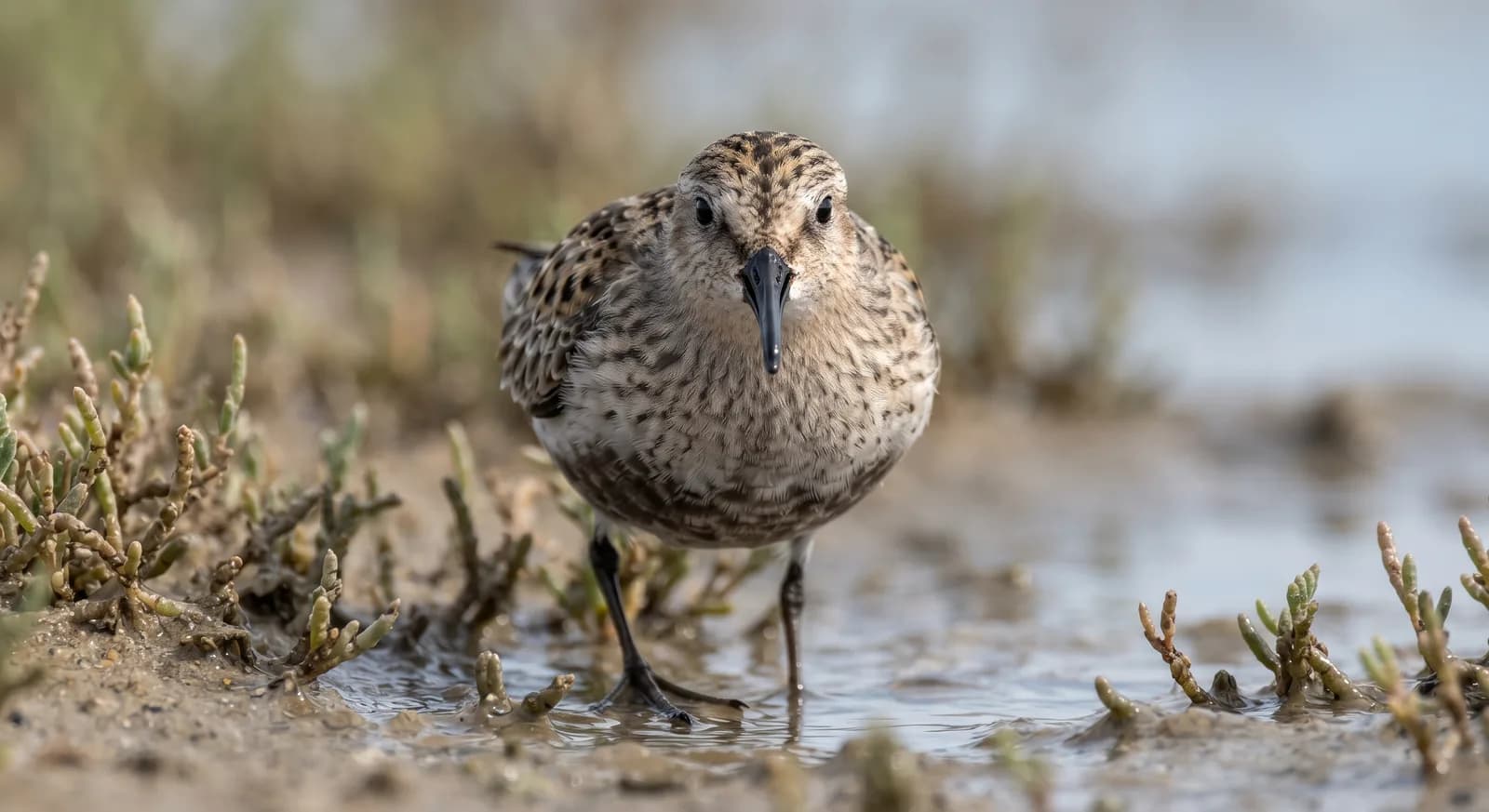
The piping plover is a small, pale wader that nests directly on the sand of beaches and river bars in North America, in a simple scrape with no plant material. That habitat coincides exactly with the beaches busiest with bathers and vehicles, which brought it to the brink of collapse in the 1980s. Programmes of nest fencing and beach access restrictions have allowed a notable recovery.

Weight

43 g – 63 g

Size

15 cm – 19 cm

Life expectancy

14 years
Diet

Insectivore

Feeds mainly on insects and other invertebrates.

Activity

Diurnal

Active mainly during the day.

Social structure

In pairs

Usually lives in pairs, sometimes for life.

Sighting difficulty

Moderate

Estimated population

Around 8,000 breeding pairs

OceanFreshwaterGrassland
5countries15parks10same family

AI-generated images: illustrations, not photographs.

Fun facts

  • Its recovery rests on exclosures placed over the nests: cages that let the plover through but keep foxes, gulls and raccoons out, and that have multiplied breeding success on the Atlantic beaches.
  • It is so pale and its eggs so well matched to the sand and pebbles that most losses on busy beaches are due to accidental treading, not predation.

Life cycle and biology

Skeleton type
Vertebrate - internal bony skeleton (bird)
Habitat and environment
Sandy beaches, dunes and the shores of alkaline lakes in eastern and central North America
Sexual maturity
12 months
Gestation / incubation
28 days
Litter / clutch size
4

Sources consulted: https://es.wikipedia.org/wiki/Charadrius_melodus

Where to find it

Loading map…

The pins mark the parks where its presence is documented.

Where to see it

Parks and dive sites where this species has been documented — showing 10 of 15.

Related species

Other species in the catalogue with the most in common with Piping Plover — same habitat, park, country, tags or family.

Same taxonomic family
Shares a park
Shares a park
Shares a park
Same taxonomic family

Keep exploring

Based on what we already know about piping plover.

Comments

Share an experience, a fun fact or a tip for seeing the piping plover.

Be the first to comment.

See full glossary
This page in other languages: Español · Deutsch · Français · Português · Italiano
See its range on the interactive map→
EvergladesUnited States
AcadiaUnited States
FundyCanada
BadlandsUnited States
Theodore RooseveltUnited States
BiscayneUnited States
GuanahacabibesCuba
Assateague IslandUnited States
Cape CodUnited States
GrasslandsCanada
See all 15 parks
Least Concern

Grey Plover

Pluvialis squatarola

Least Concern

American Golden Plover

Pluvialis dominica

Near Threatened

Eastern Meadowlark

Sturnella magna

Near Threatened

Northern Bobwhite

Colinus virginianus

Semipalmated SandpiperNear Threatened

Semipalmated Sandpiper

Calidris pusilla

Kentish PloverLeast Concern

Kentish Plover

Charadrius alexandrinus

CountriesUnited States
ParksEvergladesUnited States
TagsInsectivore
Insectivore
Diurnal
In pairs
Near Threatened
Bird
Ocean
Freshwater
Grassland
United States
Canada
Cuba
Mexico
Bahamas