Skip to content
WAnimals
  • Map
  • Species
  • Parks
  • Diving
Log inCreate account
WAnimals

The guide for travellers and animal lovers: discover, plan and share your wild adventures around the world.

Discover wildlife

  • Species
  • Ecosystems
  • Glossary
  • Tags

Explore places

  • Map
  • Countries
  • Parks
  • Diving

Plan experiences

  • Guides

Learn

  • Blog

Resources

  • About us
  • How we build our profiles
  • Help centre
  • Contact
  • Install the app

Follow us

Account

  • Log in
  • Create account

© 2026 WAnimals. All rights reserved.

Terms of servicePrivacyCookiesLegal notice
MapSpeciesParksDiving
  1. Home
  2. Species
  3. Chimney Swift

One of the 6 swifts on WAnimals

Birds · Caprimulgiformes · Apodidae

Chimney Swift

Chaetura pelagica

Vulnerable

At high risk of extinction in the wild over the medium term.

Spotted something wrong?

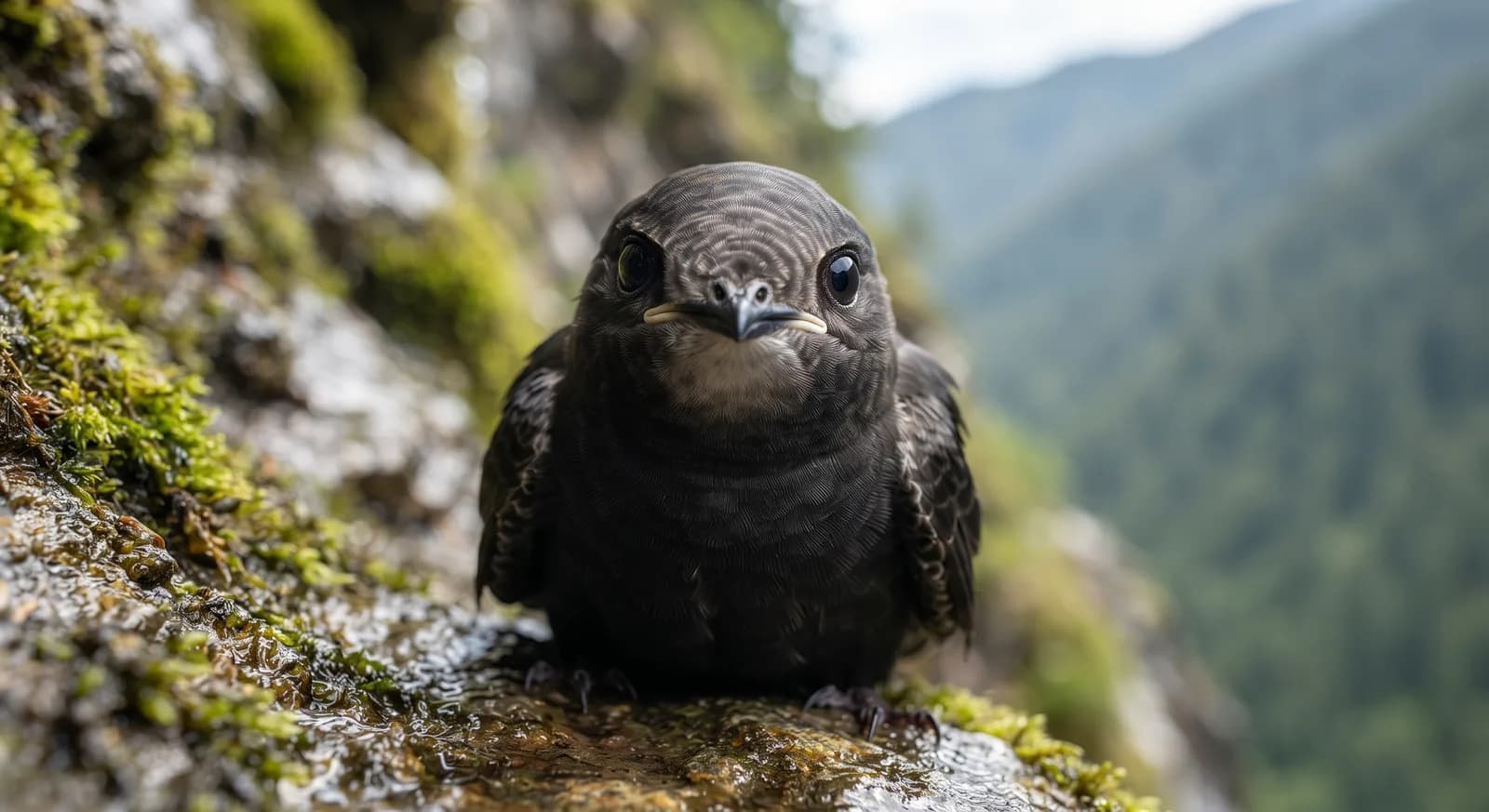
The chimney swift is a small brown swift that has tied its fate to that of humans: it originally nested in hollow trees and today breeds almost exclusively in brick chimneys. Its population has fallen by more than sixty per cent in fifty years, and the main cause is the disappearance of those chimneys, which are demolished or lined with smooth metal.

Weight

17 g – 30 g

Size

12 cm – 15 cm

Life expectancy

14 years

Diet

Insectivore

Feeds mainly on insects and other invertebrates.

Activity

Diurnal

Active mainly during the day.

Social structure

Colony

Lives in large concentrations, often for breeding reasons.

Temperate forestGrassland
8countries27parks6same family

Fun facts

  • Its decline has a very specific cause: the brick chimneys it nests in are demolished or lined with smooth metal, and the bird cannot grip that surface. Artificial brick towers are now built specifically for them.
  • Its migratory roosts are an urban spectacle: thousands of swifts spiral above a chimney at dusk and drop inside within minutes, a phenomenon that draws crowds of spectators in several North American cities.
  • It cannot perch on branches or wires: its feet allow it only to cling to vertical surfaces, and it sleeps hanging inside the chimney.

Life cycle and biology

Skeleton type
Vertebrate - internal bony skeleton (bird)
Habitat and environment
Towns and cities of eastern North America; it nests in chimneys and hollow vertical structures
Sexual maturity
12 months
Gestation / incubation
20 days
Litter / clutch size
4.5 (average)

Sources consulted: IUCN Red List · Animal Diversity Web · Wikipedia (es)

Where to find it

Loading map…

The pins mark the parks where its presence is documented.

Where to see it

Parks and dive sites where this species has been documented — showing 10 of 27.

Related species

Other species in the catalogue with the most in common with Chimney Swift — same habitat, park, country, tags or family.

Shares a park
Shares a park
Same taxonomic family
Shares a park
Shares a park
Shares a park

How to help

The chimney swift is classified as vulnerable. Organisations such as the IUCN, WWF and the Wildlife Conservation Society work specifically on its conservation and that of its habitat; looking into their programmes is a good starting point if you want to get involved.

It's documented in 10 protected areas — one reason why protecting these places matters for its conservation.

Keep exploring

Based on what we already know about chimney swift.

Share an experience, a fun fact or a tip for seeing the chimney swift.
See full glossary
This page in other languages: Español · Deutsch · Français · Português · Italiano
See its range on the interactive map→
EvergladesUnited States
Great Smoky MountainsUnited States
AcadiaUnited States
Mammoth CaveUnited States
FundyCanada
Point PeleeCanada
ManuPeru
TambopataPeru
Cordillera AzulPeru
VoyageursUnited States
See all 27 parks
Vulnerable

Gopher Tortoise

Gopherus polyphemus

Vulnerable

Eastern Box Turtle

Terrapene carolina

Black SwiftVulnerable

Black Swift

Cypseloides niger

Least Concern

Big Brown Bat

Eptesicus fuscus

Least Concern

Mourning Dove

Zenaida macroura

Least Concern

Smooth-billed Ani

Crotophaga ani

CountriesUnited States
ParksEvergladesUnited States
TagsInsectivore
Insectivore
Diurnal
Colonial
Vulnerable
Bird
Temperate forest
Grassland
United States
Canada
Peru
Brazil
Chile
Colombia
Ecuador
Mexico