Skip to content
WAnimals
  • Map
  • Species
  • Parks
  • Diving
Log inCreate account
WAnimals

The guide for travellers and animal lovers: discover, plan and share your wild adventures around the world.

Discover wildlife

  • Species
  • Ecosystems
  • Glossary
  • Tags

Explore places

  • Map
  • Countries
  • Parks
  • Diving

Plan experiences

  • Guides

Learn

  • Blog

Resources

  • About us
  • How we build our profiles
  • Help centre
  • Contact
  • Install the app

Follow us

Account

  • Log in
  • Create account

© 2026 WAnimals. All rights reserved.

Terms of servicePrivacyCookiesLegal notice
MapSpeciesParksDiving
  1. Home
  2. Species
  3. Harlequin Ladybird

One of the 4 lady beetles on WAnimals
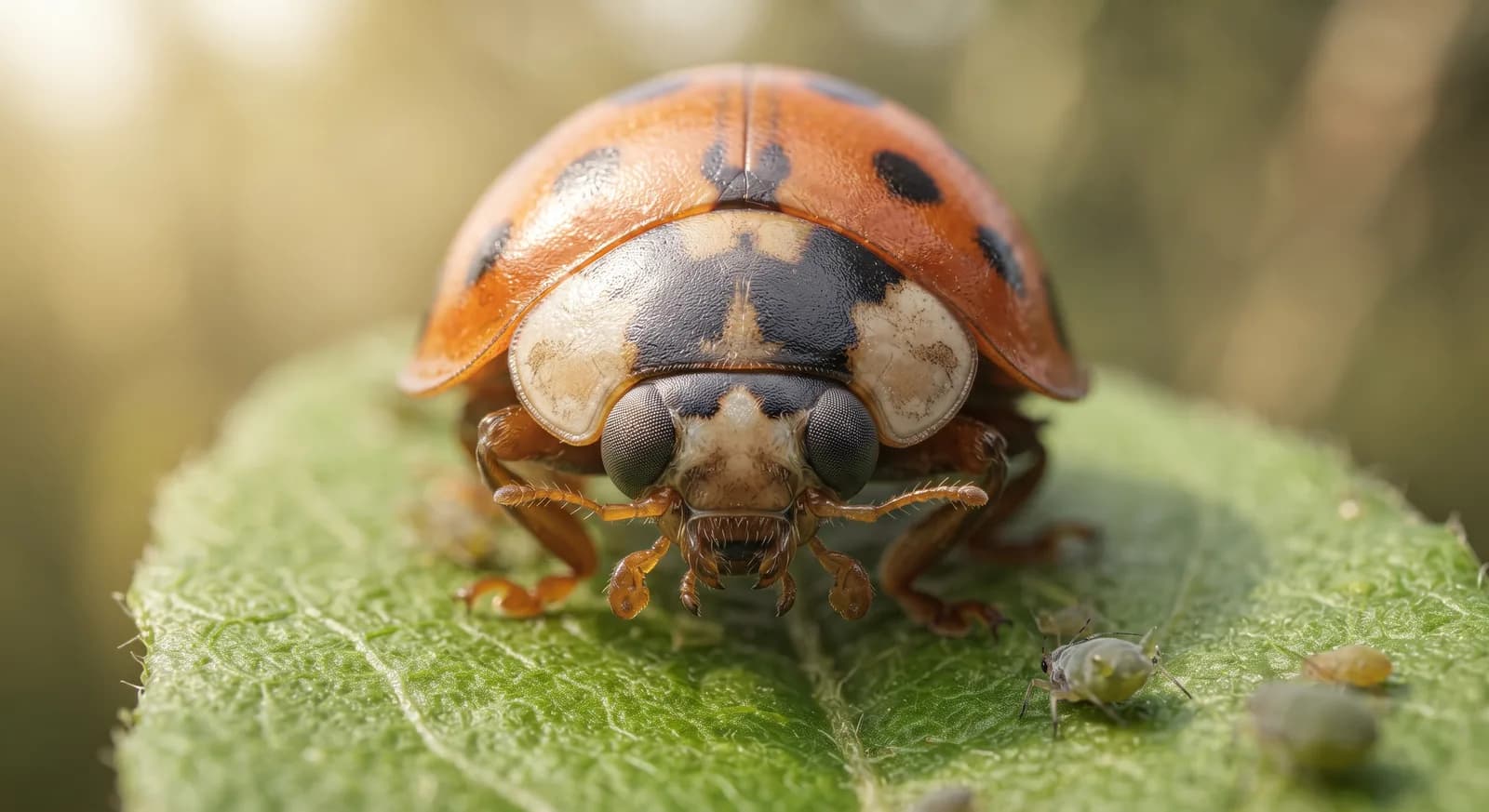
Harlequin Ladybird (Harmonia axyridis)

Insects · Coleoptera · Coccinellidae

Harlequin Ladybird

Harmonia axyridis

Not Evaluated

It has not yet been assessed against the IUCN criteria.

Spotted something wrong?

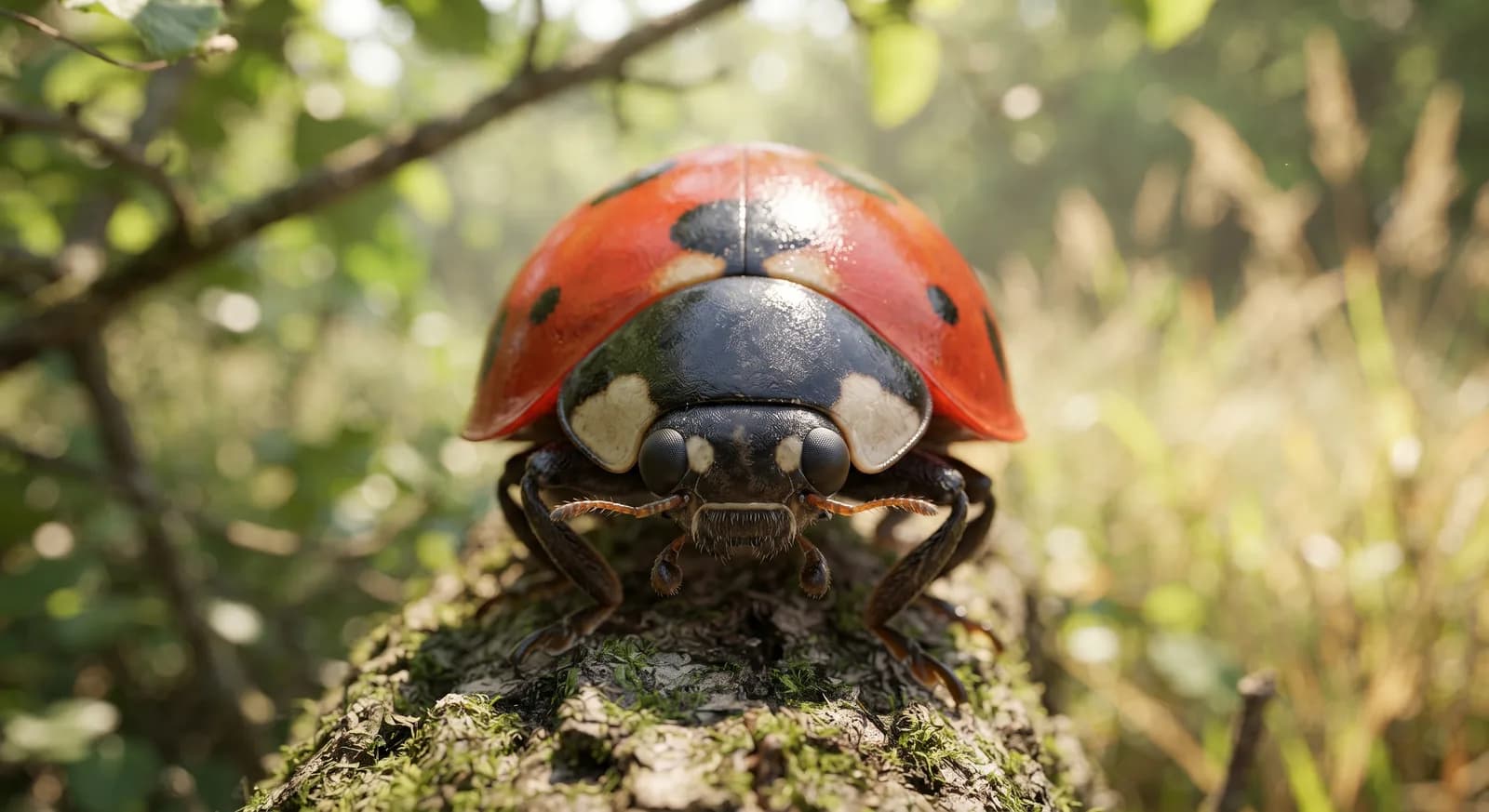
The harlequin ladybird is a beetle of the family Coccinellidae. It is a ladybird originally from Asia that has been introduced into North America, Europe and South America in order to control aphids. It has spread widely across all those regions and continues to expand. Unfortunately, it has become a pest in many places where it is not native; it invades the insides of houses in autumn looking for somewhere to overwinter and has a negative effect on native ladybird populations.

Life expectancy

1 year

Diet

Carnivore

Feeds mainly on other animals.

Activity

Diurnal
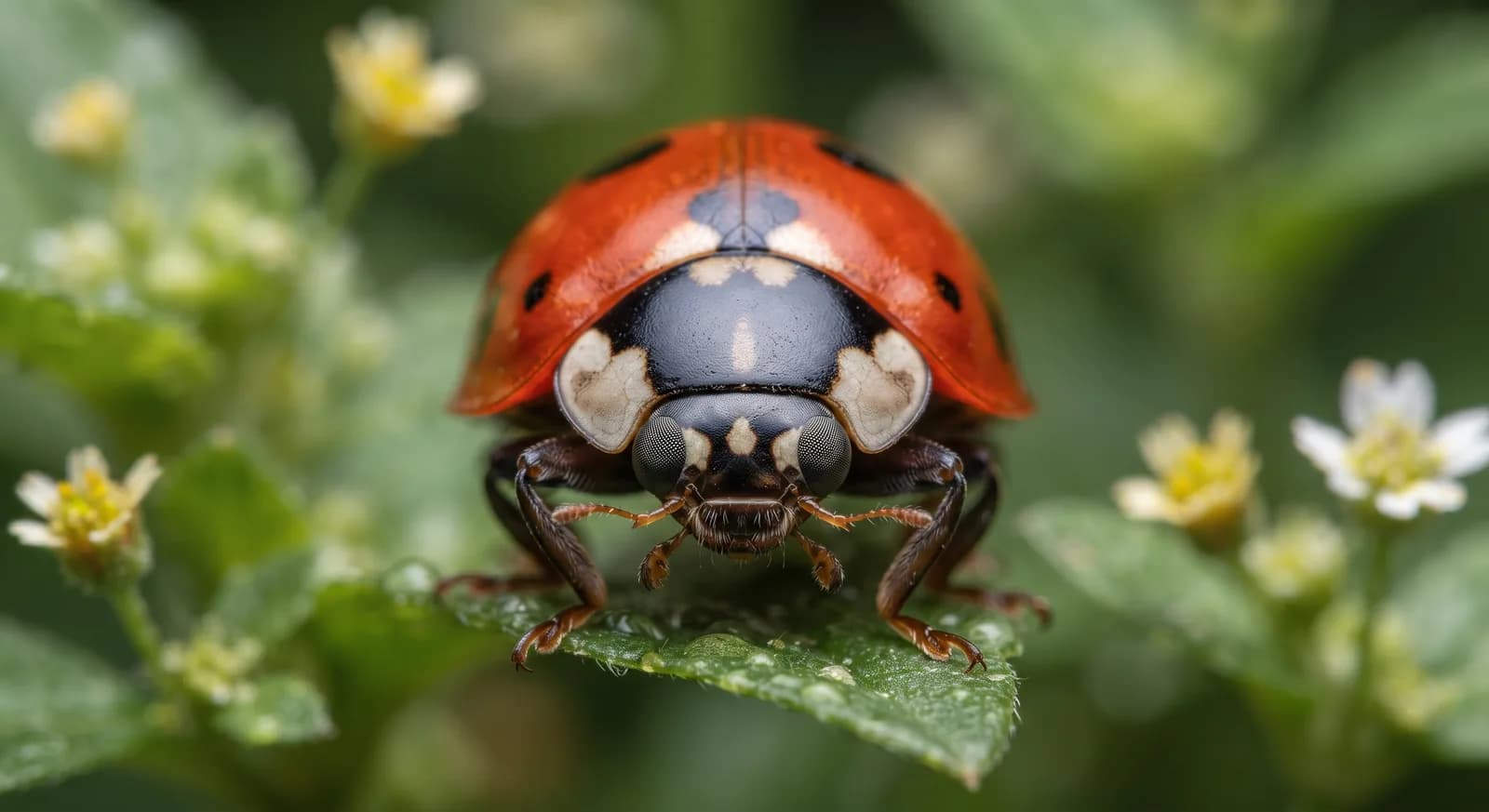
Active mainly during the day.

Social structure

Solitary

Lives and hunts alone, joining others only to breed.

Temperate forest
52countries3same family

AI-generated images: illustrations, not photographs.

Fun facts

  • It was introduced deliberately as biological control for aphids and scale insects, and ended up an invader: it is established in at least 59 countries outside its native range.
  • It is an intraguild predator: as well as aphids it eats the eggs and larvae of other ladybirds, including native ones.
  • An eleven-year study in eastern England recorded native ladybirds falling from 99.8% of the total in 2006 to 30.7% in 2016.
  • The European species most at risk is the two-spot ladybird, Adalia bipunctata.
  • It has spread to every continent except Australia and Antarctica in about thirty years.

Life cycle and biology

Skeleton type
Invertebrate - chitin exoskeleton (insect)
Habitat and environment
Deciduous woodland, crops, orchards and gardens; in autumn it gathers en masse to overwinter, often inside buildings
Gestation / incubation
Development from egg to adult requires 15 to 25 days depending on the temperature and the availability of food
Litter / clutch size
20 to 30 eggs a day and between 1,600 and 3,800 eggs per female over her lifetime; one comparative study recorded an average of 1,029 eggs per female

Sources consulted: Wikipedia (es): Harmonia axyridis · Landcare Research / Plant & Food Research (Nueva Zelanda) · Pesquisa Agropecuaria Brasileira 48(11), 2013 · Compilacion sobre ecologia de Harmonia axyridis basada en la Global Invasive Species Database · Buglife, ficha Harlequin ladybird

Where to find it

Best time: The adults begin to be active when the temperature reaches 12 °C; two or more overlapping generations a year and overwintering in groups, often inside buildings in autumn

Loading map…

Related species

Other species in the catalogue with the most in common with Harlequin Ladybird — same habitat, park, country, tags or family.

Same taxonomic family
Related to
Related to
Related to

Keep exploring

Based on what we already know about harlequin ladybird.

Share an experience, a fun fact or a tip for seeing the harlequin ladybird.
See full glossary
This page in other languages: Español · Deutsch · Français · Português · Italiano
See its range on the interactive map→
Two-spotted Lady BeetleNot Evaluated

Two-spotted Lady Beetle

Adalia bipunctata

Seven-spotted Lady BeetleNot Evaluated

Seven-spotted Lady Beetle

Coccinella septempunctata

Not Evaluated

Convergent Lady Beetle

Hippodamia convergens

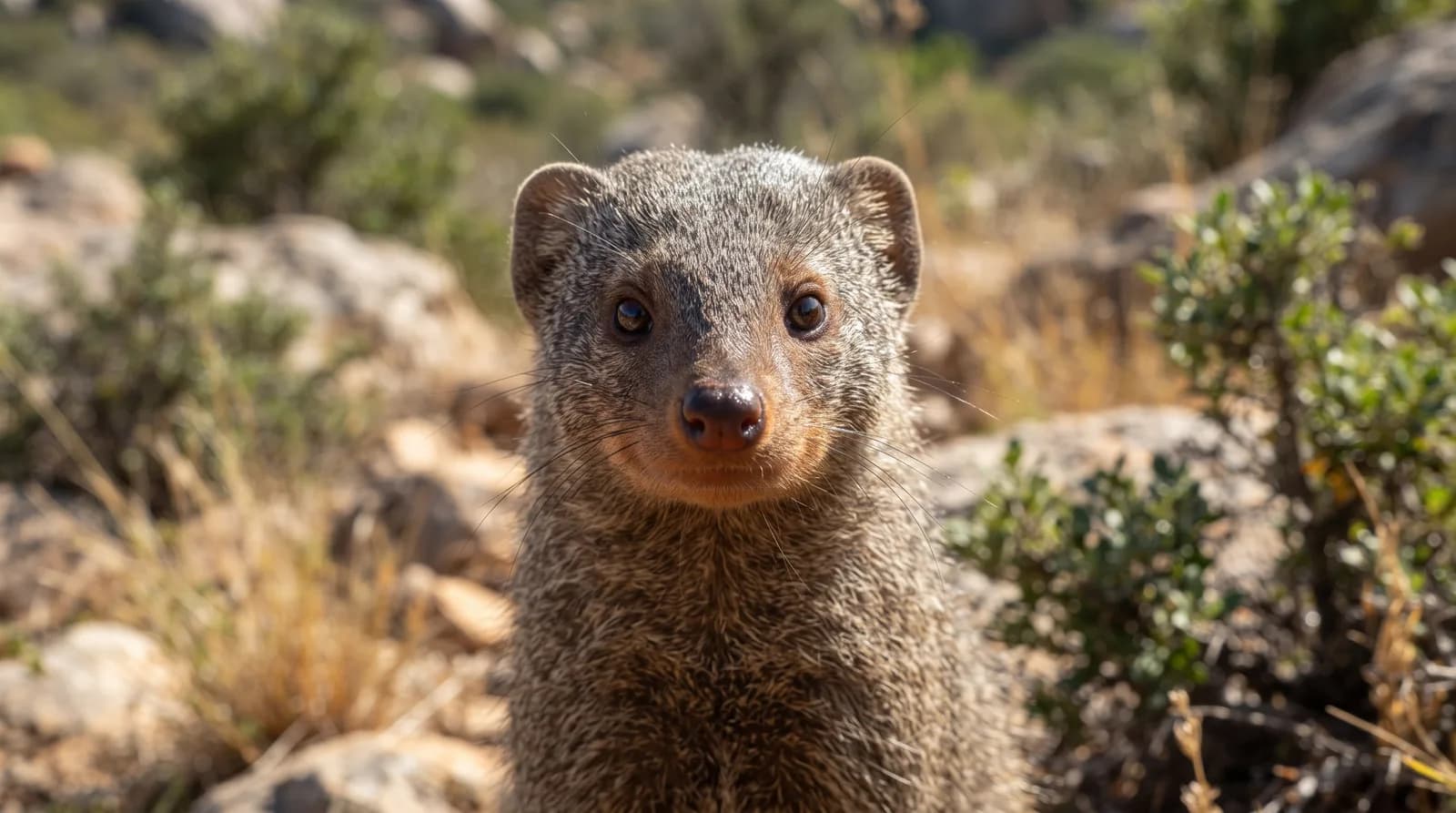
Egyptian MongooseLeast Concern

Egyptian Mongoose

Herpestes ichneumon

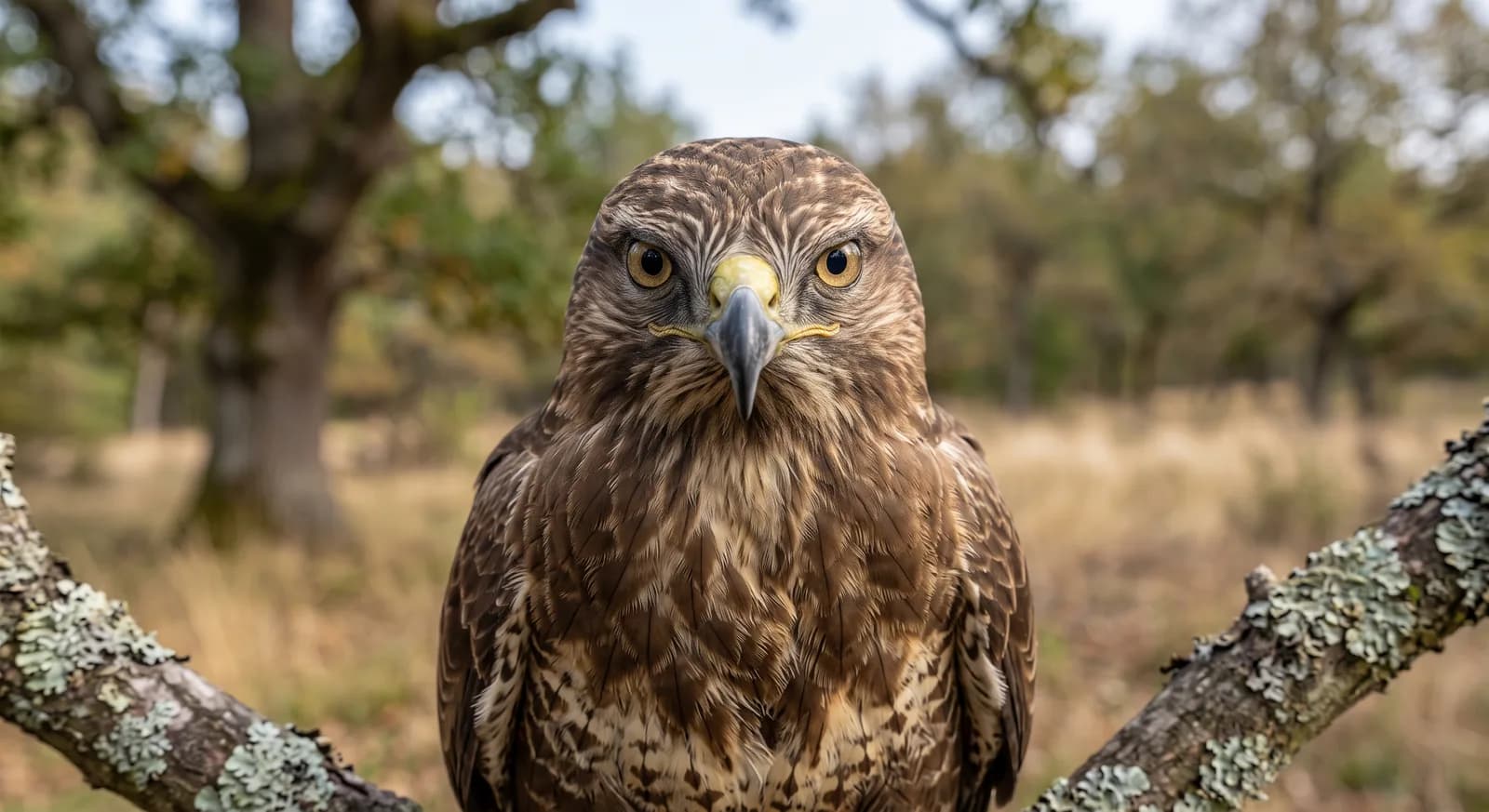
Common BuzzardLeast Concern

Common Buzzard

Buteo buteo

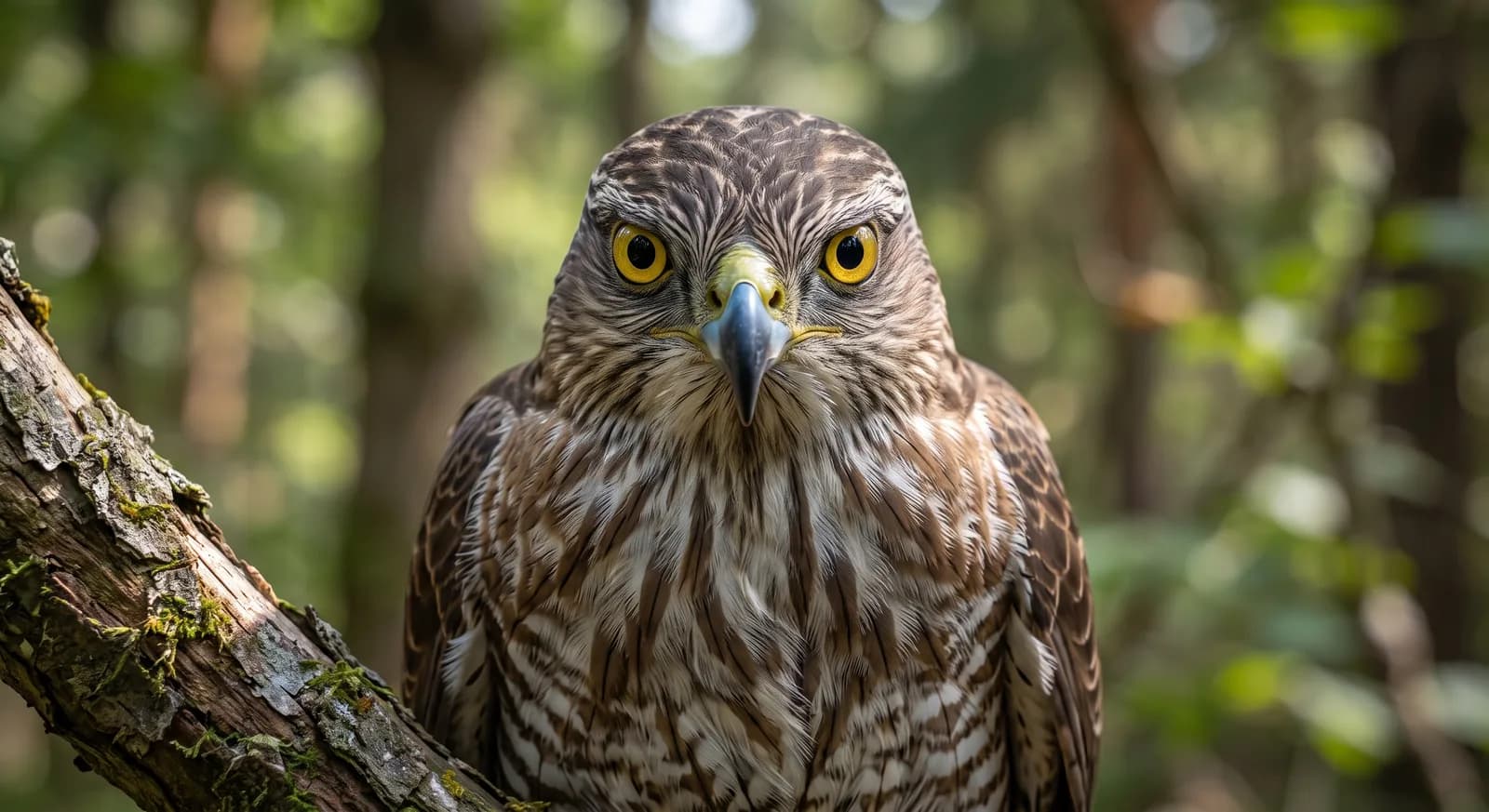
Eurasian SparrowhawkLeast Concern

Eurasian Sparrowhawk

Accipiter nisus

CountriesAlbania
TagsCarnivore
Carnivore
Diurnal
Solitary
Insect
Temperate forest

Europe37

Asia7

North America3

South America3

Africa2

Albania
Argentina
Austria
Belarus
Belgium
Bosnia and Herzegovina
Albania
Austria
Belarus
Belgium
Bosnia and Herzegovina
Bulgaria
Croatia
Cyprus
Czechia
Denmark
Estonia
Finland
France
Germany
Greece
Hungary
Ireland
Italy
Latvia
Lithuania
Luxembourg
Malta
Moldova
Montenegro
Netherlands
Norway
Poland
Portugal
Romania
Serbia
Slovakia
Slovenia
Spain
Sweden
Switzerland
Ukraine
United Kingdom
China
Japan
Kazakhstan
Mongolia
Russia
South Korea
Türkiye
Canada
Mexico
United States
Argentina
Brazil
Chile
Egypt
South Africa