Skip to content
WAnimals
  • Map
  • Species
  • Parks
  • Diving
Log inCreate account
WAnimals

The guide for travellers and animal lovers: discover, plan and share your wild adventures around the world.

Discover wildlife

  • Species
  • Ecosystems
  • Glossary
  • Tags

Explore places

  • Map
  • Countries
  • Parks
  • Diving

Plan experiences

  • Guides

Learn

  • Blog

Resources

  • Help centre
  • Contact
  • Install the app

Follow us

Account

  • Log in
  • Create account

© 2026 WAnimals. All rights reserved.

About usHow we build our profilesTerms of servicePrivacyLegal notice
MapSpeciesParksDiving
  1. Home
  2. Species
  3. Convergent Lady Beetle

One of the 4 lady beetles on WAnimals

Insects · Coleoptera · Coccinellidae

Convergent Lady Beetle

Hippodamia convergens

Not Evaluated

It has not yet been assessed against the IUCN criteria.

Spotted something wrong?

The convergent lady beetle is a cucujoid beetle of the family Coccinellidae. It is native to North America, where it is found throughout the continent. It has been introduced into South America for biological control of aphids, on which it preys.

Size

0.6 cm – 0.7 cm

Life expectancy

1 year

Diet

Carnivore

Feeds mainly on other animals.

Activity

Diurnal

Active mainly during the day.

Social structure

Solitary

Lives and hunts alone, joining others only to breed.

Sighting difficulty

Unknown

Grassland
18countries71parks3same family

Fun facts

  • It owes its name to the two converging white marks on its thorax.
  • It gathers in its millions to overwinter in the mountains of California, and those aggregations are collected with portable vacuums and sold: several billion individuals a year are reckoned to be harvested and traded.
  • The practice dates from the early twentieth century, but the University of California has long advised against releasing ladybirds collected this way: on arrival they tend to disperse rather than stay.
  • They also carry parasites: microsporidia have been found in individuals from thirteen of twenty-two commercial shipments tested, and an infected female lays barely half as many eggs.
  • A single adult can eat more than 5,000 aphids over its lifetime.

Life cycle and biology

Skeleton type
Invertebrate - chitin exoskeleton (insect)
Habitat and environment
Any habitat with aphid-infested plants; in California it spends summer and winter aggregated in mountain canyons and comes down to the valleys in late winter
Size at birth
Oblong yellow egg of about 1 mm, laid upright in clusters of 10 to 30
Sexual maturity
Between 5 and 13 days from the emergence of the adult to the first laying
Gestation / incubation
From egg to adult, between 4 and 7 weeks
Litter / clutch size
Clutches of 10 to 30 eggs, and several hundred per female

Sources consulted: https://es.wikipedia.org/wiki/Hippodamia_convergens; Animal Diversity Web, Hippodamia convergens; Michigan State University, guia de enemigos naturales; Ficha tecnica de cria de Hippodamia convergens; Animal Diversity Web; UC IPM; UC IPM, ficha Convergent lady beetle

Where to find it

Best time: Bivoltine: one generation in spring and another in autumn; in winter it forms aggregations in low vegetation of damp areas and mountain foothills

Loading map…

Where to see it

Parks and dive sites where this species has been documented — showing 10 of 71.

Related species

Other species in the catalogue with the most in common with Convergent Lady Beetle — same habitat, park, country, tags or family.

Shares a park
Shares a park
Shares a park
Shares a park
Shares a park
Shares a park

Keep exploring

Based on what we already know about convergent lady beetle.

Comments

Share an experience, a fun fact or a tip for seeing the convergent lady beetle.

Be the first to comment.

See full glossary
This page in other languages: Español · Deutsch · Français · Português · Italiano

The pins mark the parks where its presence is documented.
See its range on the interactive map→
Yellowstone National ParkUnited States
YosemiteUnited States
Grand CanyonUnited States
GlacierUnited States
Great Smoky MountainsUnited States
Death ValleyUnited States
ZionUnited States
AcadiaUnited States
OlympicUnited States
Big BendUnited States
See all 71 parks
Not Evaluated

Great Black Digger Wasp

Sphex pensylvanicus

Greater RoadrunnerLeast Concern

Greater Roadrunner

Geococcyx californianus

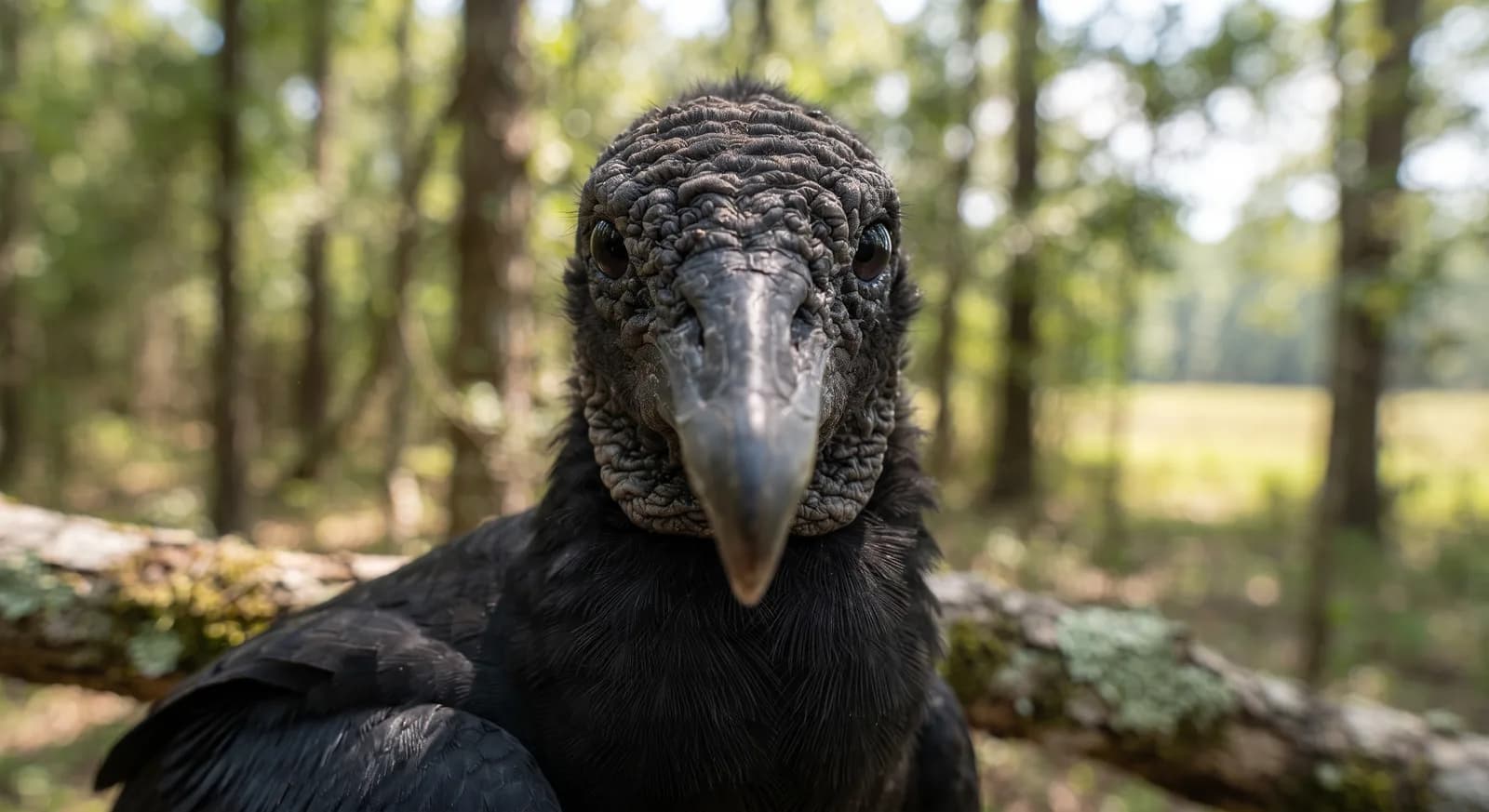
Black VultureLeast Concern

Black Vulture

Coragyps atratus

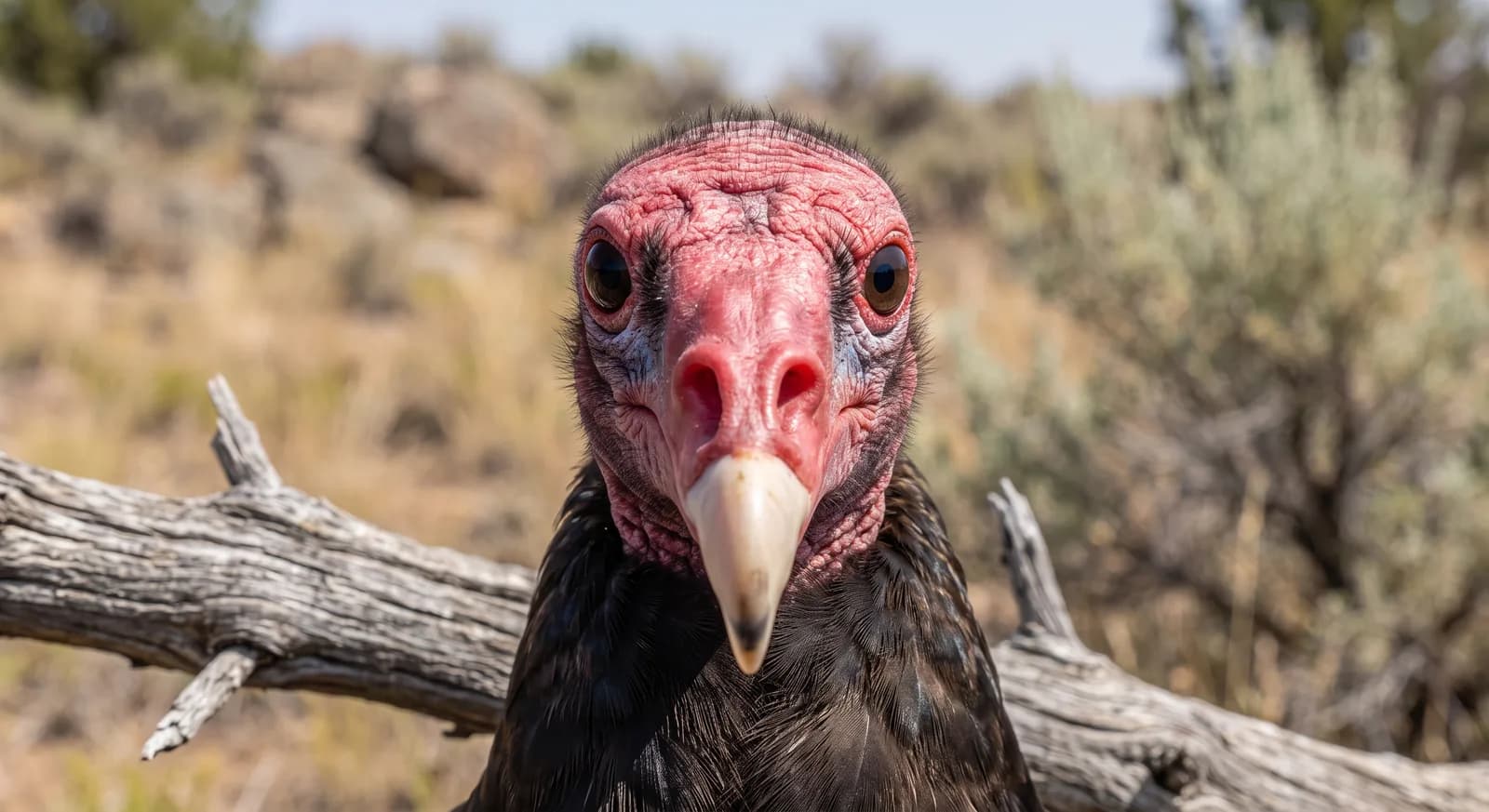
Turkey VultureLeast Concern

Turkey Vulture

Cathartes aura

Least Concern

Common Kingsnake

Lampropeltis getula

Least Concern

Common Garter Snake

Thamnophis sirtalis

CountriesUnited States
ParksYellowstone National ParkUnited States
TagsCarnivore
Carnivore
Diurnal
Insect
Grassland

North America10

South America8

United States
Canada
Mexico
Argentina
Belize
Bolivia
Belize
Canada
Costa Rica
El Salvador
Guatemala
Honduras
Mexico
Nicaragua
Panama
United States
Argentina
Bolivia
Brazil
Chile
Colombia
Ecuador
Peru
Venezuela