Skip to content
WAnimals
  • Map
  • Species
  • Parks
  • Diving
Log inCreate account
WAnimals

The guide for travellers and animal lovers: discover, plan and share your wild adventures around the world.

Discover wildlife

  • Species
  • Ecosystems
  • Glossary
  • Tags

Explore places

  • Map
  • Countries
  • Parks
  • Diving

Plan experiences

  • Guides

Learn

  • Blog

Resources

  • Help centre
  • Contact
  • Install the app

Follow us

Account

  • Log in
  • Create account

© 2026 WAnimals. All rights reserved.

About usHow we build our profilesTerms of servicePrivacyLegal notice
MapSpeciesParksDiving
  1. Home
  2. Species
  3. Green-backed Firecrown

Birds · Apodiformes · Trochilidae

Green-backed Firecrown

Sephanoides sephaniodes

Least Concern

The species is abundant and widely distributed; it faces no significant short-term risk.

Spotted something wrong?

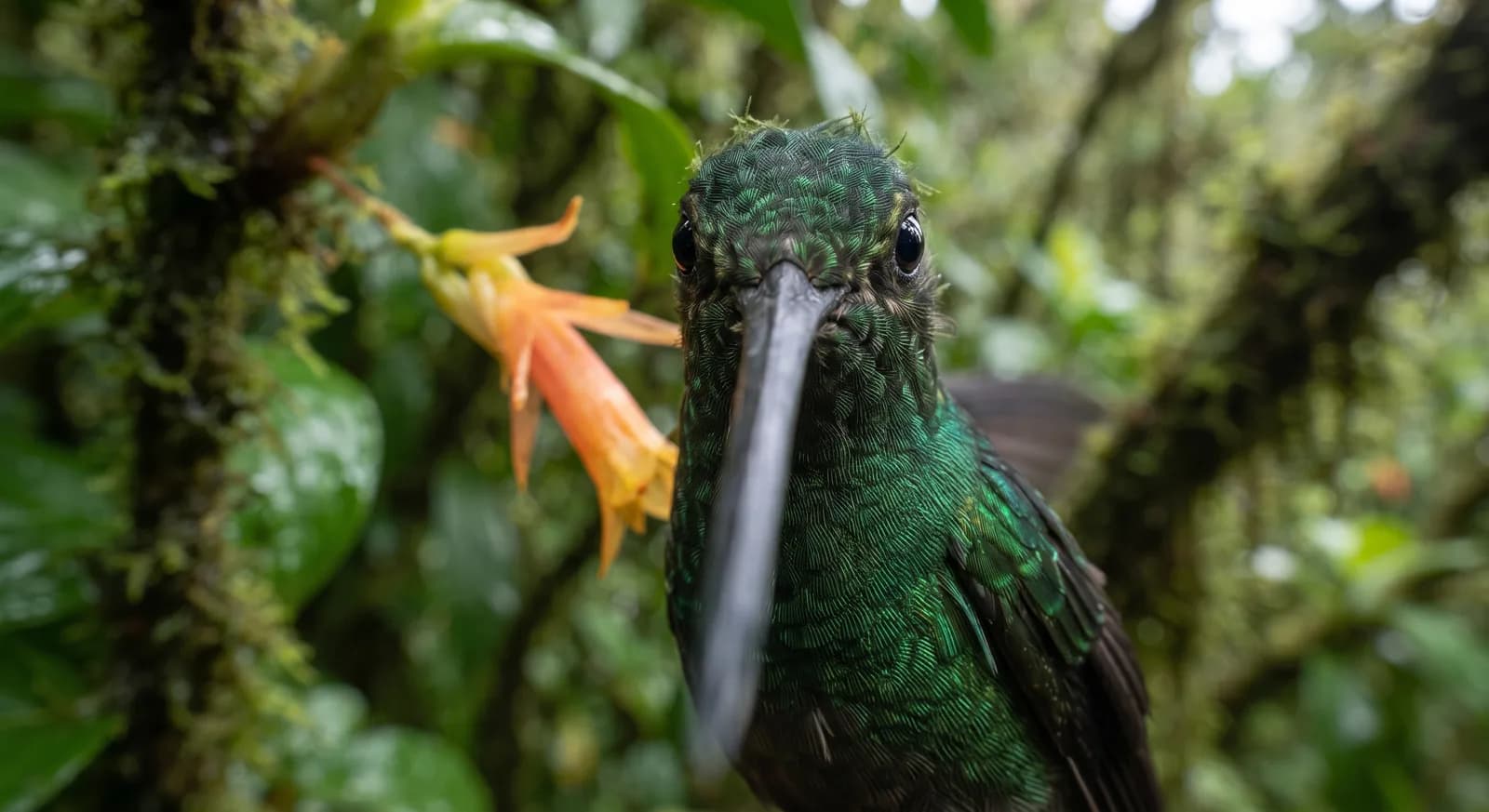
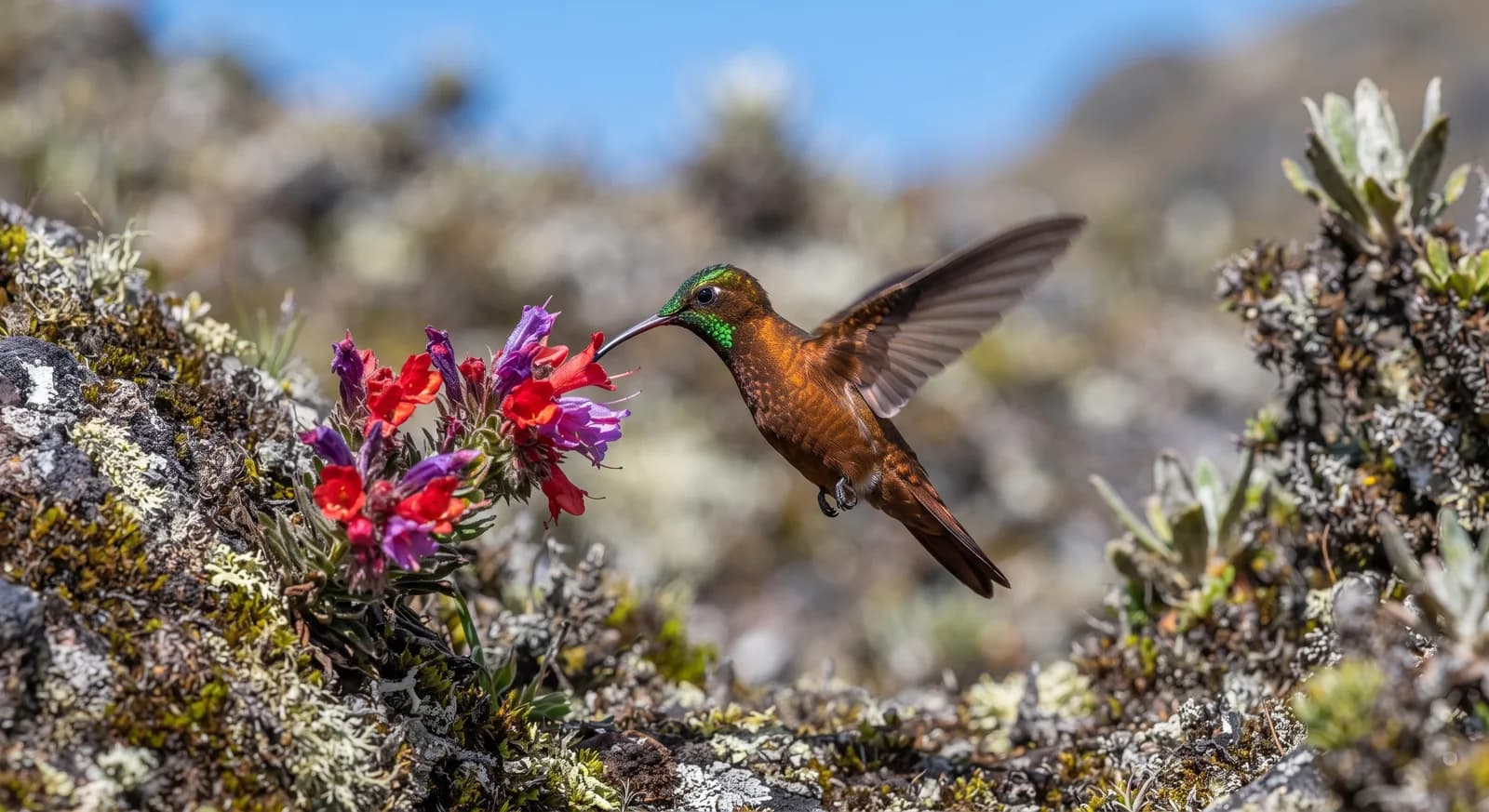
The green-backed firecrown is an apodiform bird of the family Trochilidae, one of the two belonging to the genus Sephanoides. It is the most southerly hummingbird in the Americas, native to Chile and Argentina. It is one of eleven hummingbird species in Chile, and an important bird for indigenous cultures, especially at the southern tip of the American continent. It lives in woodland with flowering areas, near water and in gardens, where it feeds on nectar and insects.

Weight

5 g – 6 g

Size

10 cm – 12 cm

Life expectancy

8 years

Diet

Nectarivore

Feeds mainly on flower nectar.

Activity

Diurnal

Active mainly during the day.

Social structure

Solitary

Lives and hunts alone, joining others only to breed.

Sighting difficulty

Easy

Temperate forestMountain
2countries9parks15same family

Fun facts

  • It is the most southerly hummingbird on the planet: there are populations in Tierra del Fuego, beyond 54 degrees south, in forests that are covered in snow in winter.
  • It is the keystone of pollination in the Valdivian forest: it pollinates close to twenty per cent of the ecosystem's woody plants, and several plant species depend on it alone in order to reproduce.
  • It migrates seasonally: the southern populations move towards northern Chile in winter, a migratory movement uncommon among hummingbirds.

Life cycle and biology

Skeleton type
Vertebrate - internal bony skeleton (bird)
Habitat and environment
Valdivian temperate rainforest, scrub and gardens of southern Chile and Argentina
Sexual maturity
12 months
Gestation / incubation
15 days of incubation
Litter / clutch size
2 eggs

Sources consulted: https://es.wikipedia.org/wiki/Sephanoides_sephaniodes

Where to find it

Loading map…

The pins mark the parks where its presence is documented.

Where to see it

Parks and dive sites where this species has been documented.

Related species

Other species in the catalogue with the most in common with Green-backed Firecrown — same habitat, park, country, tags or family.

Same taxonomic family
Shares a park
Shares a park

Keep exploring

Based on what we already know about green-backed firecrown.

Comments

Share an experience, a fun fact or a tip for seeing the green-backed firecrown.

Be the first to comment.
See full glossary
This page in other languages: Español · Deutsch · Français · Português · Italiano
See its range on the interactive map→
IberáArgentina
El PalmarArgentina
Iguazú National ParkArgentina
ChacoArgentina
Pre-DeltaArgentina
Sierra de las QuijadasArgentina
Campos del TuyuArgentina
Quebrada del CondoritoArgentina
Río PilcomayoArgentina
Least Concern

Giant Hummingbird

Patagona gigas

Sword-billed HummingbirdLeast Concern

Sword-billed Hummingbird

Ensifera ensifera

Shining SunbeamLeast Concern

Shining Sunbeam

Aglaeactis cupripennis

Critically Endangered

Juan Fernandez Firecrown

Sephanoides fernandensis

Andean CondorVulnerable

Andean Condor

Vultur gryphus

PumaLeast Concern

Puma

Puma concolor

CountriesArgentina
ParksIberáArgentina
TagsNectarivore
Nectarivore
Diurnal
Solitary
Bird
Temperate forest
Mountain
Argentina
Chile