Species group · Bony fish
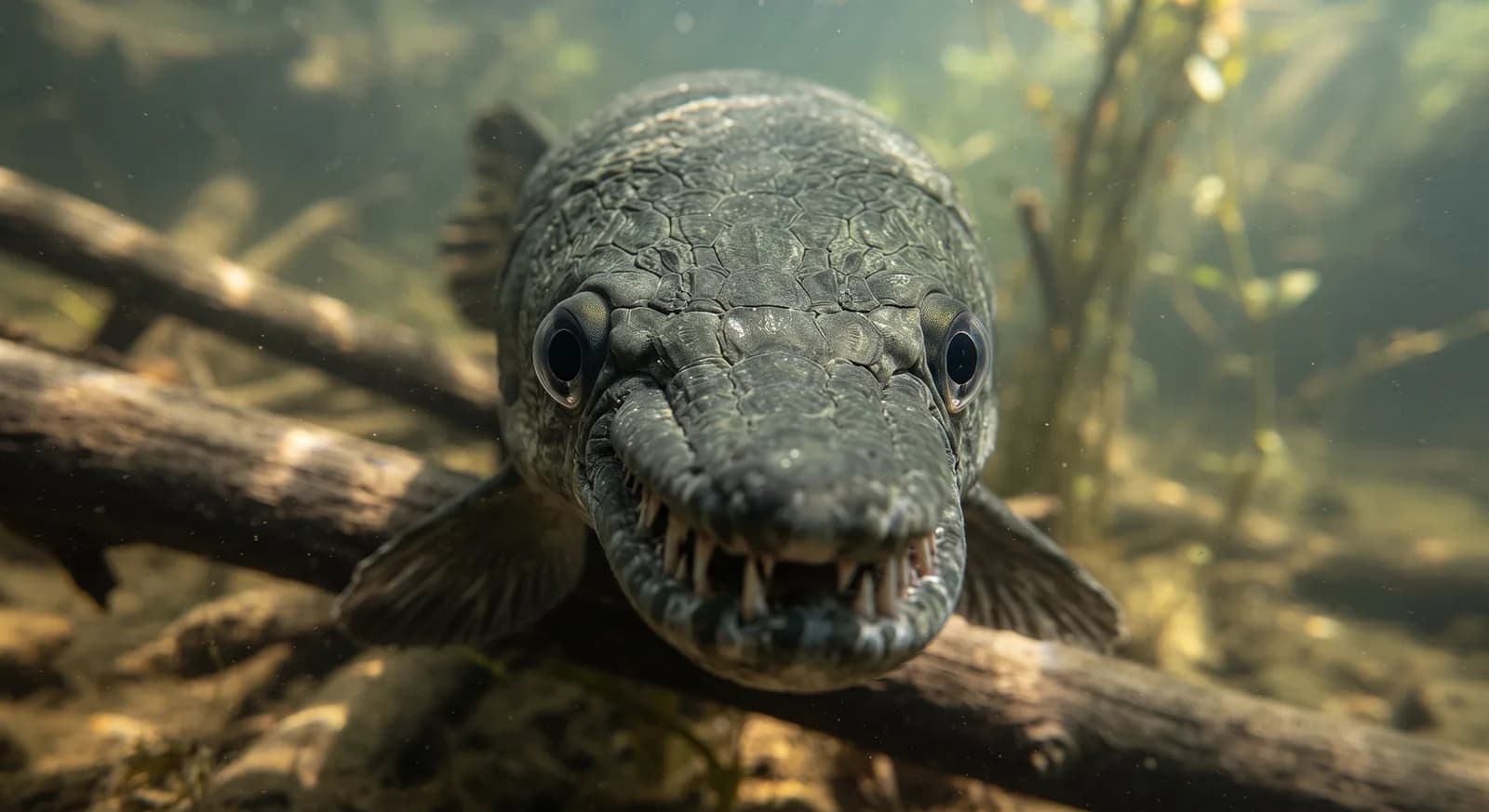
Gars
WAnimals has 2 species of gar, in the family Lepisosteidae.
- 2 species
- 1 family
- 3 countries
- 20 parks
- Weight
- 12.5 kg – 137 kg
- Length
- 2 m – 2.6 m
- Lifespan
- 39 – 50 years
Ranges calculated from the profiles that record the figure, not from all 2.
All 2 species of gars on WAnimals
Each one has its own full profile. This group does not replace them: it brings them together.
Conservation status
2 Least Concern
No species documented in this group is genuinely at risk according to the IUCN, with the data available today.
Where they live
Recorded in 3 countries. The ones with the most species in the group:
Where to see them
- Congaree2 species
- Cuyahoga Valley2 species
- Everglades2 species
- Gulf Islands2 species
- Hot Springs2 species
- Mammoth Cave2 species
- Apostle Islands1 species
- Assateague Island1 species
- Big Bend1 species
- Biscayne1 species
- Bruce Peninsula1 species
- Calakmul1 species
- Crystal River (manatees)diving
- Ginnie Springsdiving
- Devil's Dendiving
- Fathom Five National Marine Park (Tobermory)diving
- Isle Royale National Parkdiving
- Thunder Bay National Marine Sanctuarydiving
Did you know…?
It is one of the largest freshwater fish in North America: the published record is around 137 kg.
From Alligator Gar
Its roe is toxic to humans even though the flesh is edible.
From Alligator Gar
Its scales are ganoid: diamond-shaped, enamelled and interlocking like plate armour. They are so hard that the indigenous peoples of North America used them as arrowheads and ornaments.
From Longnose Gar
Like the bowfin, it breathes air with its swim bladder, which allows it to live in warm waters devoid of oxygen.
From Longnose Gar
Its eggs are toxic to people and to many predators, an unusual defence among freshwater fishes.
From Longnose Gar