Skip to content
WAnimals
  • Map
  • Species
  • Parks
  • Diving
Log inCreate account
WAnimals

The guide for travellers and animal lovers: discover, plan and share your wild adventures around the world.

Discover wildlife

  • Species
  • Ecosystems
  • Glossary
  • Tags

Explore places

  • Map
  • Countries
  • Parks
  • Diving

Plan experiences

  • Guides

Learn

  • Blog

Resources

  • Help centre
  • Contact
  • Install the app

Follow us

Account

  • Log in
  • Create account

© 2026 WAnimals. All rights reserved.

About usHow we build our profilesTerms of servicePrivacyLegal notice
MapSpeciesParksDiving
  1. Home
  2. Species
  3. Longnose Gar

One of the 2 gars on WAnimals

Bony fish · Lepisosteiformes · Lepisosteidae

Longnose Gar

Lepisosteus osseus

Least Concern

The species is abundant and widely distributed; it faces no significant short-term risk.

Spotted something wrong?

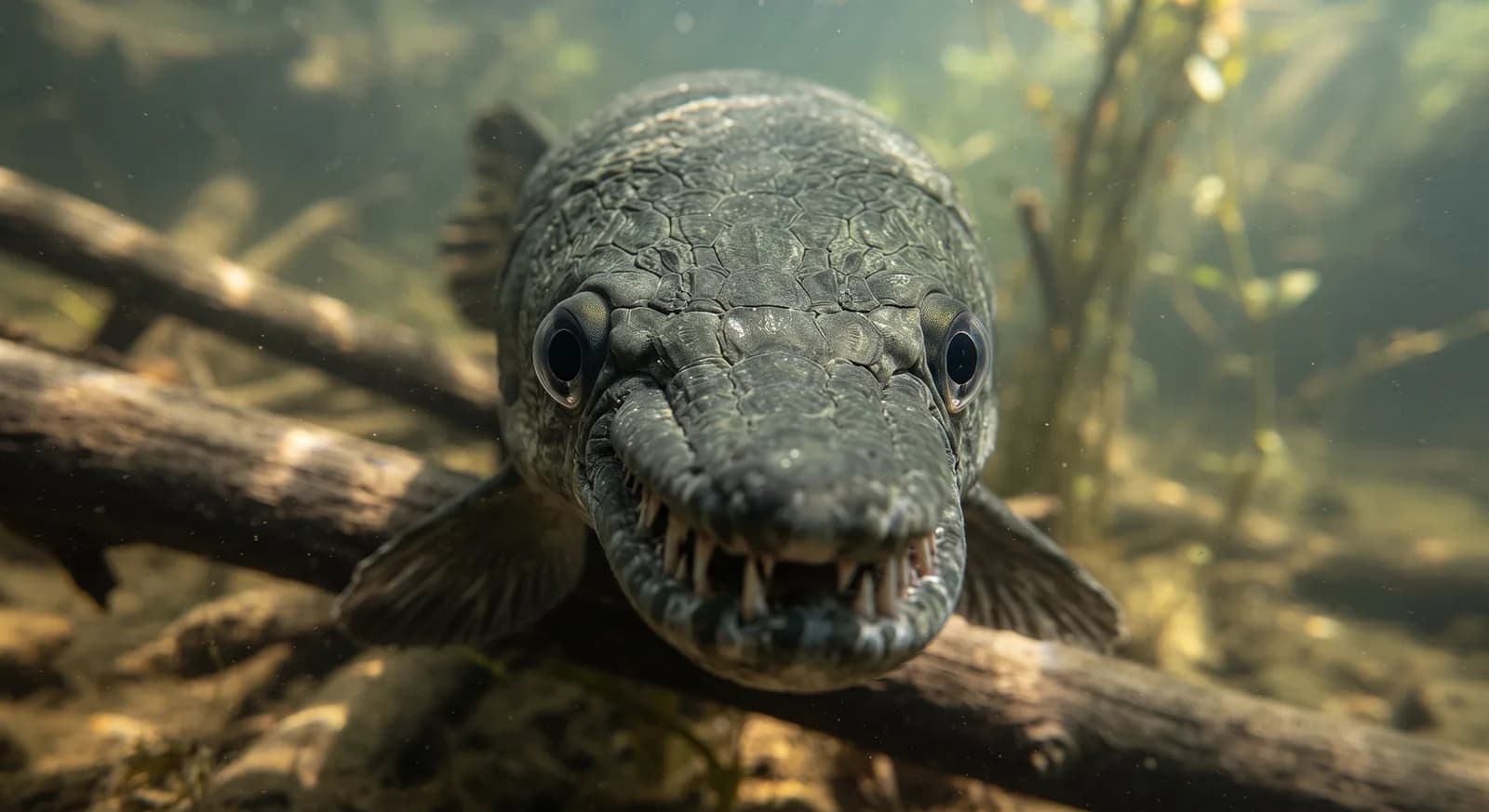
The longnose gar is a holostean ray-finned fish of the family Lepisosteidae. It is found in the eastern half of North America. It is a species prized by anglers.

Weight

12.5 kg on average

Size

up to 2 m

Life expectancy

39 years

Diet

Carnivore

Feeds mainly on other animals.

Activity

Nocturnal

Active mainly at night.

Social structure

Solitary

Lives and hunts alone, joining others only to breed.

Sighting difficulty

Easy

Freshwater
3countries8parks7dive sites1same family

Fun facts

  • Its scales are ganoid: diamond-shaped, enamelled and interlocking like plate armour. They are so hard that the indigenous peoples of North America used them as arrowheads and ornaments.
  • Like the bowfin, it breathes air with its swim bladder, which allows it to live in warm waters devoid of oxygen.
  • Its eggs are toxic to people and to many predators, an unusual defence among freshwater fishes.
  • It hunts by ambush, motionless near the surface, and strikes sideways with a lightning-fast snap of its extremely long snout full of fine teeth.
  • Its lineage split from that of the other ray-finned fishes some 250 to 300 million years ago; today seven species of gar remain in the world, all of them American.

Life cycle and biology

Skeleton type
Vertebrate - internal bony skeleton (bony fish)
Habitat and environment
Slow-moving rivers, oxbow lagoons and lakes of eastern North America, often near the surface and among vegetation
Sexual maturity
6 years

Sources consulted: https://en.wikipedia.org/wiki/Longnose_gar

Where to find it

Loading map…

The pins mark the parks and dive sites where its presence is documented.

Where to see it

Parks and dive sites where this species has been documented.

Related species

Other species in the catalogue with the most in common with Longnose Gar — same habitat, park, country, tags or family.

Same taxonomic family
Shares a park
Shares a park
Shares a park
Shares a park
Shares a park

Keep exploring

Based on what we already know about longnose gar.

Comments

Share an experience, a fun fact or a tip for seeing the longnose gar.

Be the first to comment.
See full glossary
This page in other languages: Español · Deutsch · Français · Português · Italiano
See its range on the interactive map→
EvergladesUnited States
Mammoth CaveUnited States
CongareeUnited States
Cuyahoga ValleyUnited States
BiscayneUnited States
Assateague IslandUnited States
Gulf IslandsCanada
Hot SpringsUnited States
Devil's DenUnited States
Fathom Five National Marine Park (Tobermory)Canada
Crystal River (manatees)United States
Thunder Bay National Marine SanctuaryUnited States
White Star QuarryUnited States
Ginnie SpringsUnited States
Isle Royale National ParkUnited States
Alligator GarLeast Concern

Alligator Gar

Atractosteus spatula

Least Concern

American Bullfrog

Lithobates catesbeianus

Least Concern

Eastern Newt

Notophthalmus viridescens

Least Concern

Greater Siren

Siren lacertina

Least Concern

Two-toed Amphiuma

Amphiuma means

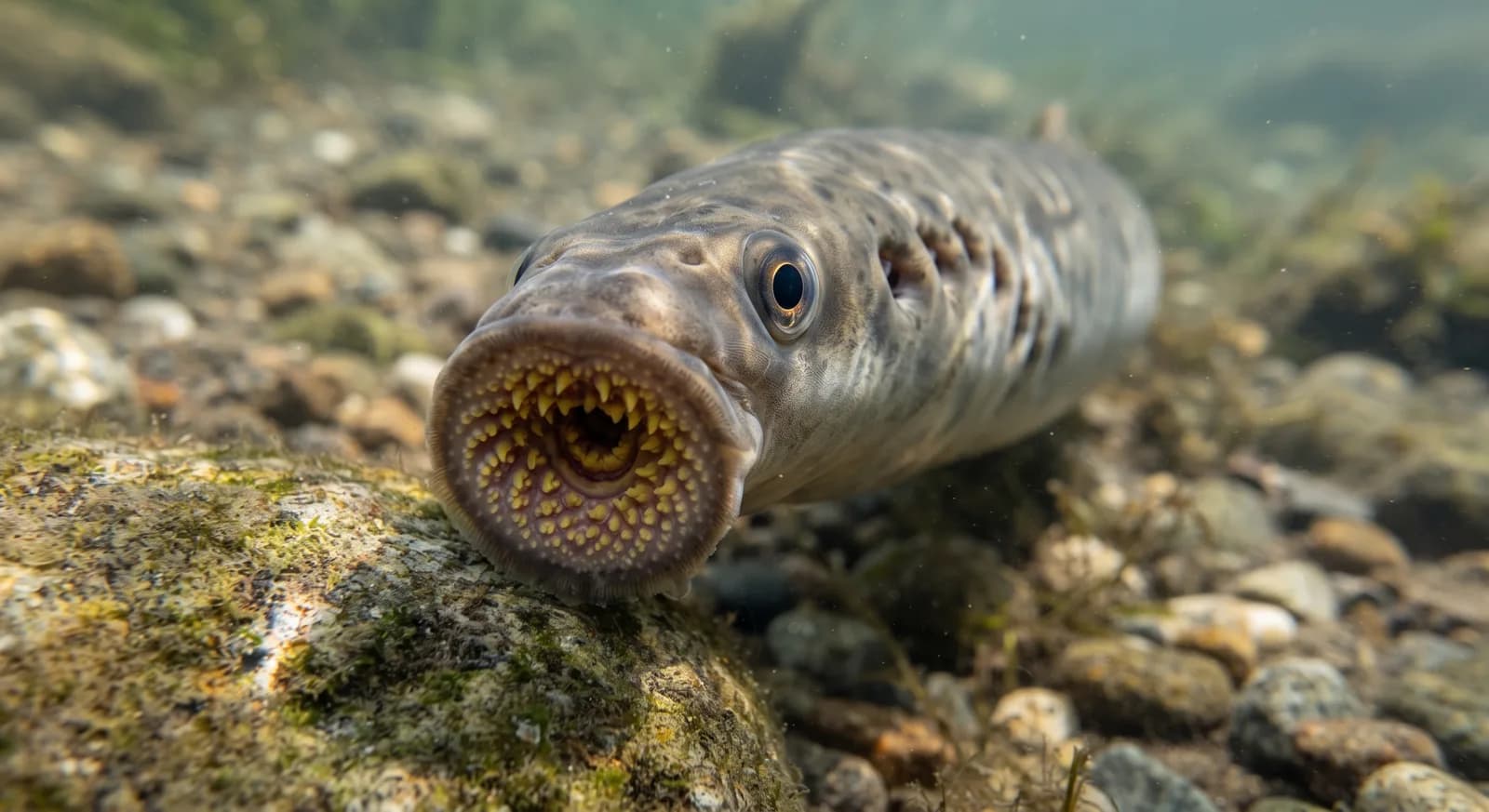
Sea LampreyLeast Concern

Sea Lamprey

Petromyzon marinus

CountriesUnited States
ParksEvergladesUnited States
TagsCarnivore
Carnivore
Nocturnal
Solitary
Fish
Freshwater
United States
Canada
Mexico