Skip to content
WAnimals
  • Map
  • Species
  • Parks
  • Diving
Log inCreate account
WAnimals

The guide for travellers and animal lovers: discover, plan and share your wild adventures around the world.

Discover wildlife

  • Species
  • Ecosystems
  • Glossary
  • Tags

Explore places

  • Map
  • Countries
  • Parks
  • Diving

Plan experiences

  • Guides

Learn

  • Blog

Resources

  • Help centre
  • Contact
  • Install the app

Follow us

Account

  • Log in
  • Create account

© 2026 WAnimals. All rights reserved.

About usHow we build our profilesTerms of servicePrivacyLegal notice
MapSpeciesParksDiving
  1. Home
  2. Species
  3. Eastern Newt

One of the 10 newts on WAnimals

Amphibians · Caudata · Salamandridae

Eastern Newt

Notophthalmus viridescens

Least Concern

The species is abundant and widely distributed; it faces no significant short-term risk.

Spotted something wrong?

It goes through one of the most complex metamorphoses in the animal kingdom, with three distinct life stages, among them a bright orange juvenile land stage known as the red eft. Its skin produces tetrodotoxin.

Weight

5 g – 11 g

Size

6 cm – 13 cm

Life expectancy

13 years

Diet

Carnivore

Feeds mainly on other animals.

Activity

Nocturnal

Active mainly at night.

Social structure

Solitary

Lives and hunts alone, joining others only to breed.

Sighting difficulty

Easy

Temperate forestFreshwater
2countries29parks4dive sites13same family

Fun facts

  • biologíaIt goes through a strikingly coloured juvenile land stage, the eft, before returning to the water as a breeding adult.

Life cycle and biology

Skeleton type
Vertebrate - internal bony skeleton (amphibian)
Habitat and environment
Small freshwater lakes, ponds and streams of eastern North America, with a juvenile land stage in nearby woodland
Birth weight
Larva 1.27 cm on hatching
Size at birth
1.27 cm long on hatching as an aquatic larva
Sexual maturity
3 years
Gestation / incubation
1-2 months for the egg to hatch (3-5 weeks according to another source)
Litter / clutch size
200 to 400 eggs a season, laid singly on submerged vegetation

Sources consulted: Dimensions.com; iNaturalist; NHPBS NatureWorks; Animal Diversity Web; USGS Species Profile; Tennessee Wildlife Resources Agency; The Animal Facts; Vermont Fish & Wildlife Department; Wikipedia (Eastern newt)

Where to find it

Best time: Spring to autumn; the terrestrial juvenile stage, the orange-red eft, is seen walking on the forest floor on damp days.

Loading map…

The pins mark the parks and dive sites where its presence is documented.

Where to see it

Parks and dive sites where this species has been documented — showing 14 of 33.

Related species

Other species in the catalogue with the most in common with Eastern Newt — same habitat, park, country, tags or family.

Shares a park
Shares a park
Shares a park
Shares a park
Shares a park
Shares a park

Keep exploring

Based on what we already know about eastern newt.

Comments

Share an experience, a fun fact or a tip for seeing the eastern newt.

Be the first to comment.
See full glossary
This page in other languages: Español · Deutsch · Français · Português · Italiano
See its range on the interactive map→
Great Smoky MountainsUnited States
AcadiaUnited States
Mammoth CaveUnited States
Gros MorneCanada
FundyCanada
Point PeleeCanada
VoyageursUnited States
Isle RoyaleUnited States
CongareeUnited States
ShenandoahUnited States
Fathom Five National Marine Park (Tobermory)Canada
Thunder Bay National Marine SanctuaryUnited States
White Star QuarryUnited States
Isle Royale National ParkUnited States
See all 29 parks
Least Concern

American Bullfrog

Lithobates catesbeianus

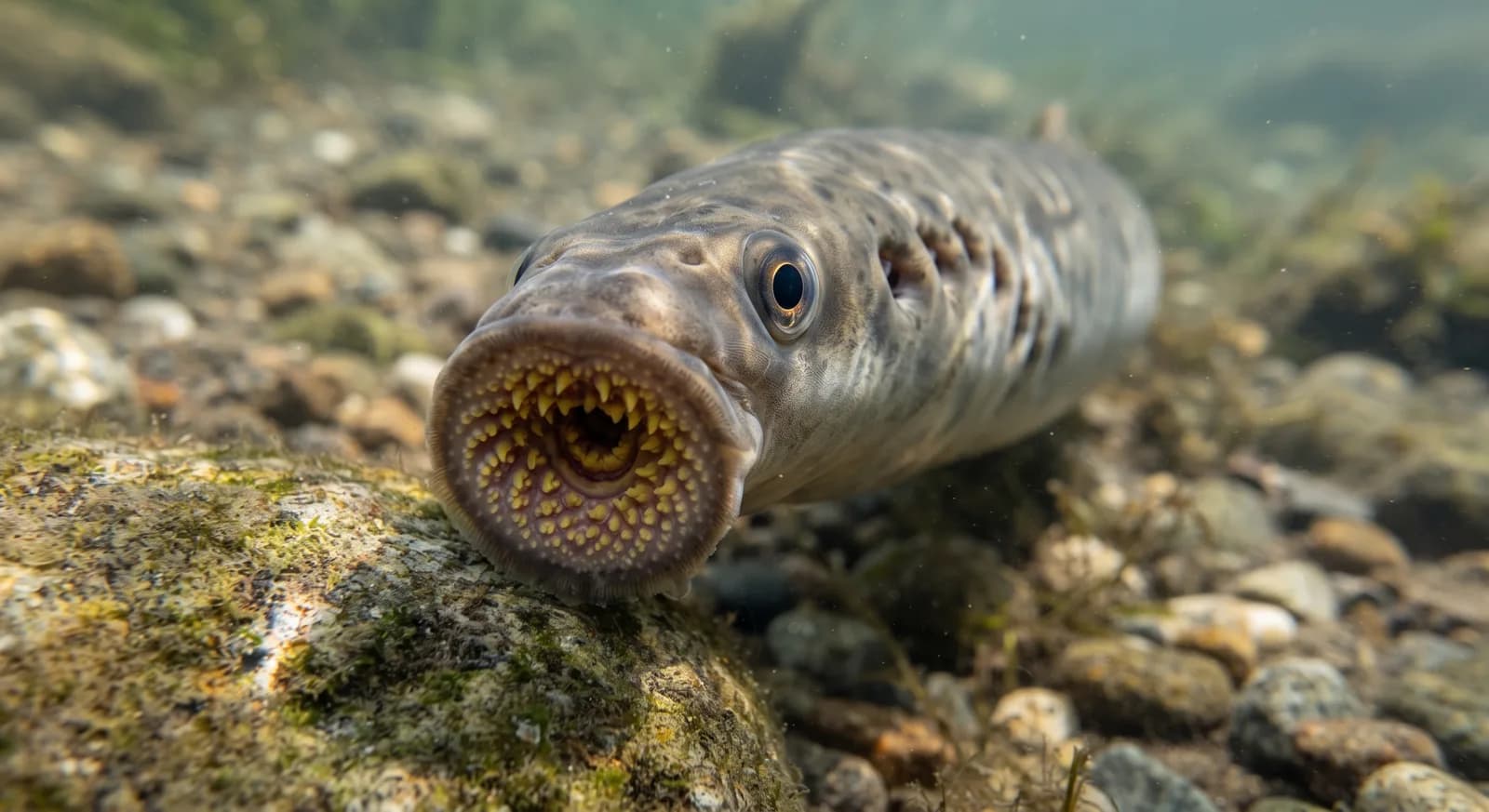
Sea LampreyLeast Concern

Sea Lamprey

Petromyzon marinus

Least Concern

Longnose Gar

Lepisosteus osseus

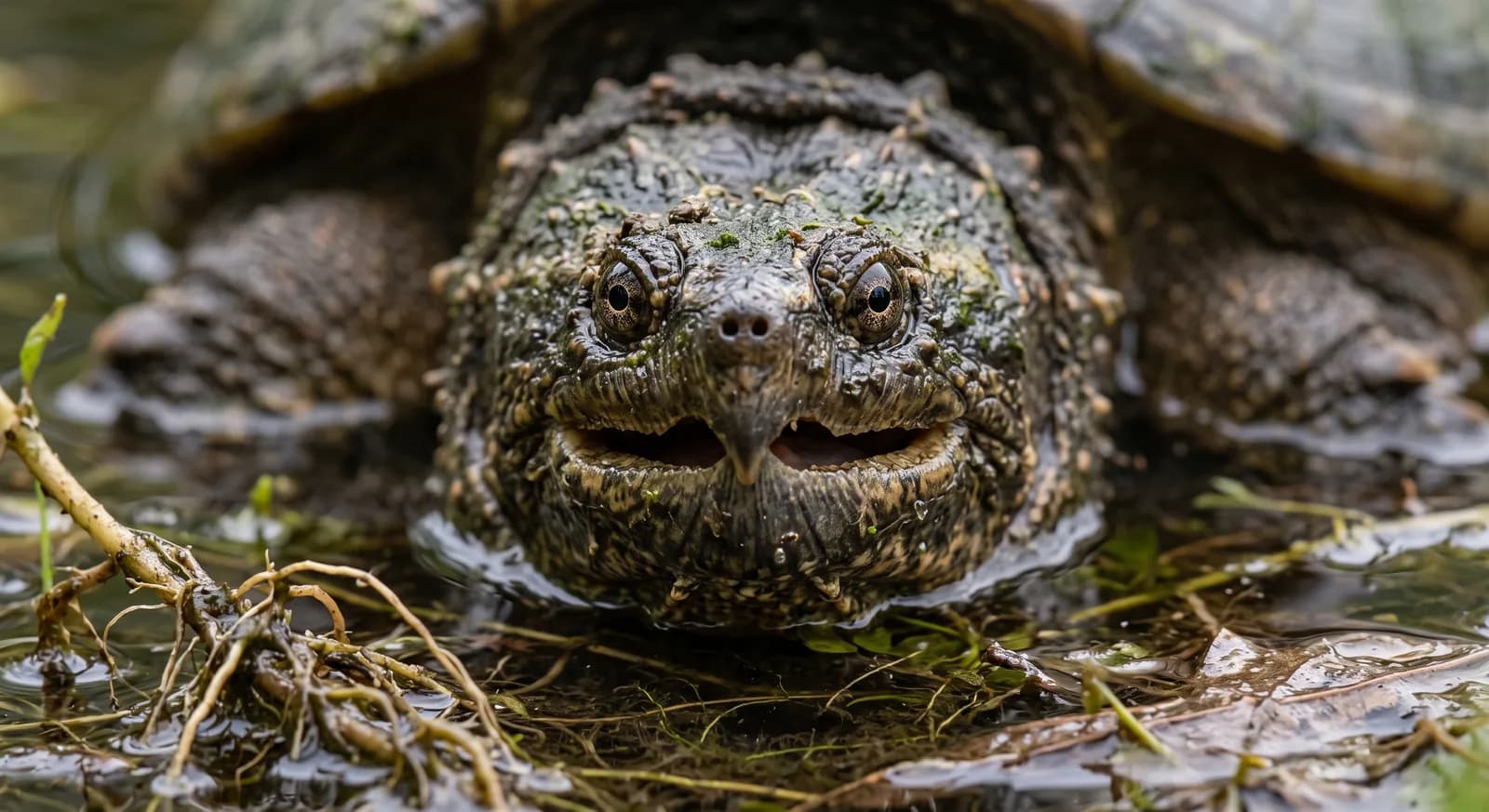
Common Snapping TurtleLeast Concern

Common Snapping Turtle

Chelydra serpentina

Least Concern

Spiny Softshell Turtle

Apalone spinifera

Channel CatfishLeast Concern

Channel Catfish

Ictalurus punctatus

CountriesUnited States
ParksGreat Smoky MountainsUnited States
TagsCarnivore
Carnivore
Nocturnal
Solitary
Amphibian
Temperate forest
Freshwater
United States
Canada