Skip to content
WAnimals
  • Map
  • Species
  • Parks
  • Diving
Log inCreate account
WAnimals

The guide for travellers and animal lovers: discover, plan and share your wild adventures around the world.

Discover wildlife

  • Species
  • Ecosystems
  • Glossary
  • Tags

Explore places

  • Map
  • Countries
  • Parks
  • Diving

Plan experiences

  • Guides

Learn

  • Blog

Resources

  • Help centre
  • Contact
  • Install the app

Follow us

Account

  • Log in
  • Create account

© 2026 WAnimals. All rights reserved.

About usHow we build our profilesTerms of servicePrivacyLegal notice
MapSpeciesParksDiving
  1. Home
  2. Species
  3. Largemouth Bass

One of the 5 perch on WAnimals

Bony fish · Perciformes · Centrarchidae

Largemouth Bass

Micropterus salmoides

Least Concern

The species is abundant and widely distributed; it faces no significant short-term risk.

Spotted something wrong?

It is one of the most popular sport fish in North America, with the male taking on all the parental care of the eggs and young.

Weight

up to 10 kg

Size

up to 97 cm

Life expectancy

10 years

Diet

Carnivore

Feeds mainly on other animals.

Activity

Diurnal

Active mainly during the day.

Social structure

Solitary

Lives and hunts alone, joining others only to breed.

Sighting difficulty

Easy

Freshwater
3countries34parks7dive sites1same family

Fun facts

  • The male builds the nest, fertilises the eggs and guards them aggressively for weeks, going without food for much of that time.
  • It eats small fish, crayfish, frogs and aquatic insects.
  • It lives in lakes, ponds, swamps and slow-flowing rivers of North America.
  • ecologíaIt has been introduced to many ecosystems outside North America, where it has sometimes markedly altered native fish communities.

Life cycle and biology

Skeleton type
Vertebrate - bony skeleton (fish)
Habitat and environment
Lakes, ponds, swamps and slow-flowing rivers of North America; widely introduced worldwide
Birth weight
A tiny, transparent larva on hatching
Sexual maturity
2-3 years
Gestation / incubation
3-6 days of egg development
Litter / clutch size
2,000 to 100,000 eggs per female

Sources consulted: Illinois DNR; U.S. Fish & Wildlife Service; FishBase; Lake Life Fishing; Chesapeake Bay Program; Outdoor Doer; AnAge (genomics.senescence.info); Texas 4-H Study Guide

Where to find it

Loading map…

The pins mark the parks and dive sites where its presence is documented.

Where to see it

Parks and dive sites where this species has been documented — showing 17 of 41.

Related species

Other species in the catalogue with the most in common with Largemouth Bass — same habitat, park, country, tags or family.

Same taxonomic family
Shares a park
Shares a park
Shares a park
Shares a park
Shares a park

Keep exploring

Based on what we already know about largemouth bass.

Comments

Share an experience, a fun fact or a tip for seeing the largemouth bass.

Be the first to comment.

See full glossary
This page in other languages: Español · Deutsch · Français · Português · Italiano
See its range on the interactive map→
EvergladesUnited States
Great Smoky MountainsUnited States
AcadiaUnited States
Mammoth CaveUnited States
Gros MorneCanada
FundyCanada
Point PeleeCanada
VoyageursUnited States
Isle RoyaleUnited States
CongareeUnited States
Devil's DenUnited States
Fathom Five National Marine Park (Tobermory)Canada
Crystal River (manatees)United States
Thunder Bay National Marine SanctuaryUnited States
White Star QuarryUnited States
Ginnie SpringsUnited States
Isle Royale National ParkUnited States
See all 34 parks
Least Concern

Bluegill Sunfish

Lepomis macrochirus

Least Concern

Spiny Softshell Turtle

Apalone spinifera

Least Concern

Longnose Gar

Lepisosteus osseus

Least Concern

Northern Map Turtle

Graptemys geographica

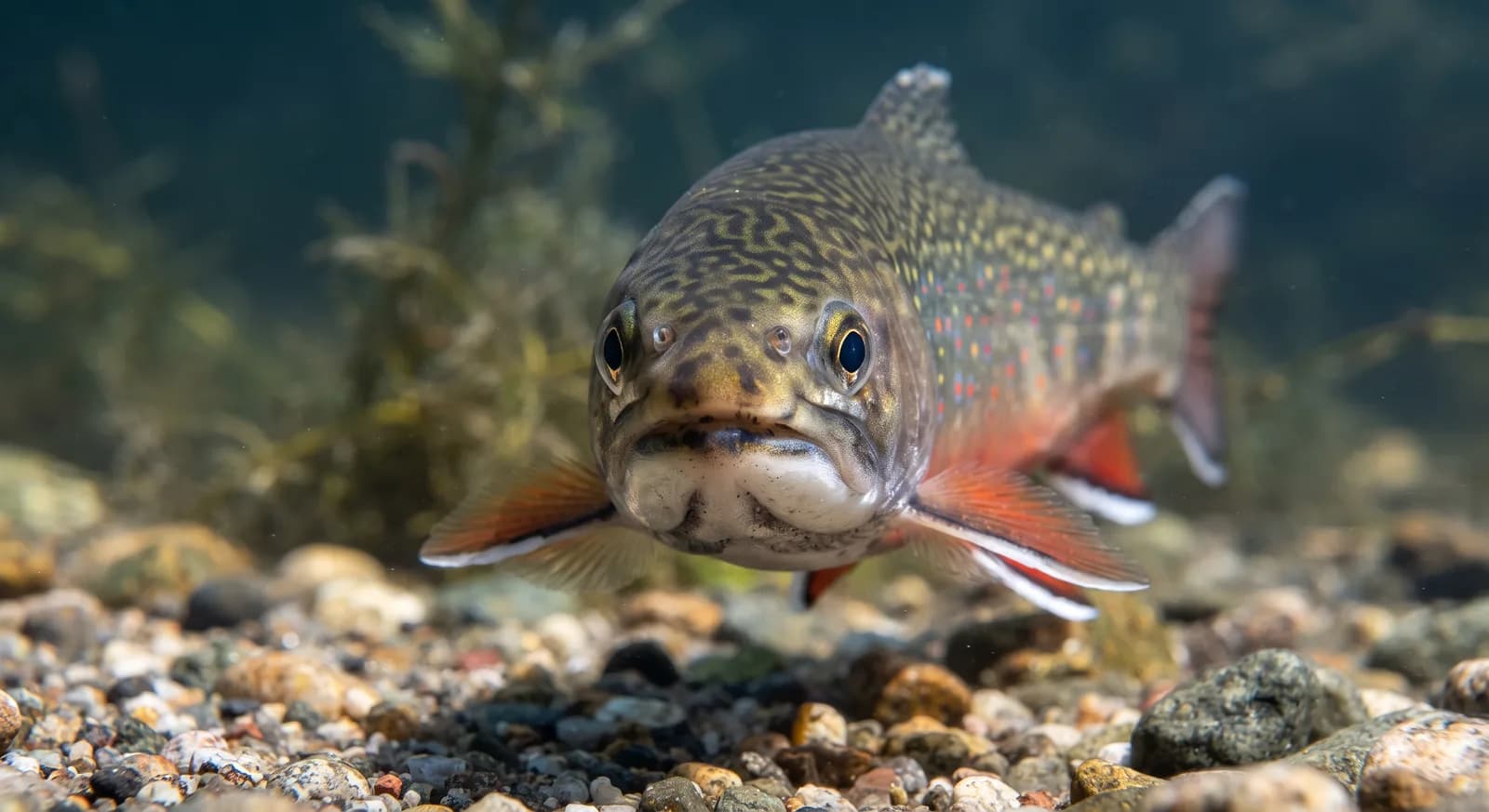
Brook TroutLeast Concern

Brook Trout

Salvelinus fontinalis

Least Concern

Pond Slider

Trachemys scripta

CountriesUnited States
ParksEvergladesUnited States
TagsCarnivore
Carnivore
Diurnal
Solitary
Fish
Freshwater
United States
Canada
Mexico