Skip to content
WAnimals
  • Map
  • Species
  • Parks
  • Diving
Log inCreate account
WAnimals

The guide for travellers and animal lovers: discover, plan and share your wild adventures around the world.

Discover wildlife

  • Species
  • Ecosystems
  • Glossary
  • Tags

Explore places

  • Map
  • Countries
  • Parks
  • Diving

Plan experiences

  • Guides

Learn

  • Blog

Resources

  • About us
  • How we build our profiles
  • Help centre
  • Contact
  • Install the app

Follow us

Account

  • Log in
  • Create account

© 2026 WAnimals. All rights reserved.

Terms of servicePrivacyCookiesLegal notice
MapSpeciesParksDiving
  1. Home
  2. Species
  3. Perentie

One of the 6 monitors on WAnimals

Reptiles · Squamata · Varanidae

Perentie

Varanus giganteus

Least Concern

The species is abundant and widely distributed; it faces no significant short-term risk.

Spotted something wrong?

The perentie is the largest lizard in Australia and the fourth largest in the world, with individuals over two metres long. It lives in the rocky desert of the interior, where it hunts mammals, birds and other reptiles, and shelters in deep crevices. Like all monitors, it runs upright on its legs and can rear up on its hind legs to survey the ground.

Weight

8 kg – 20 kg

Size

1.5 m – 2.5 m

Life expectancy

20 years

Diet

Carnivore

Feeds mainly on other animals.

Activity

Diurnal

Active mainly during the day.

Social structure

Solitary

Lives and hunts alone, joining others only to breed.

DesertMountain
1countries12parks6same family

Fun facts

  • GeneralThe largest lizard in Australia, at 2.5 m; it runs upright on its hind legs.
  • It is the largest lizard in Australia and the fourth largest in the world, behind only the Komodo dragon and two Asian monitors.
  • It has a prominent place in the culture of several Aboriginal peoples of the Australian desert, where it has been an important food source for millennia and appears in Dreaming stories.
  • It props itself up on its hind legs and tail to look out over the scrub, a tripod posture shared by several monitors that lets it spot prey and danger at a distance.

Life cycle and biology

Skeleton type
Vertebrate - internal bony skeleton (reptile)
Habitat and environment
Rocky desert, canyons and outcrops of the arid interior of Australia
Sexual maturity
4 years
Gestation / incubation
200 days of incubation
Litter / clutch size
8 eggs

Sources consulted: Wikipedia (es): Varanus giganteus

Where to find it

Loading map…

The pins mark the parks where its presence is documented.

Where to see it

Parks and dive sites where this species has been documented — showing 10 of 12.

Related species

Other species in the catalogue with the most in common with Perentie — same habitat, park, country, tags or family.

Same taxonomic family
Shares a park
Shares a park
Shares a park
Shares a park
Shares a park

Keep exploring

Based on what we already know about perentie.
Share an experience, a fun fact or a tip for seeing the perentie.
See full glossary
This page in other languages: Español · Deutsch · Français · Português · Italiano
See its range on the interactive map→
Uluru-Kata TjutaAustralia
Purnululu (Bungle Bungle)Australia
Ikara-Flinders RangesAustralia
Shark BayAustralia
KarijiniAustralia
Cape RangeAustralia
Mungo (Willandra Lakes)Australia
Nambung (the Pinnacles Desert)Australia
Watarrka (Kings Canyon)Australia
Tjoritja (West MacDonnell)Australia
See all 12 parks
Least Concern

Sand Monitor

Varanus gouldii

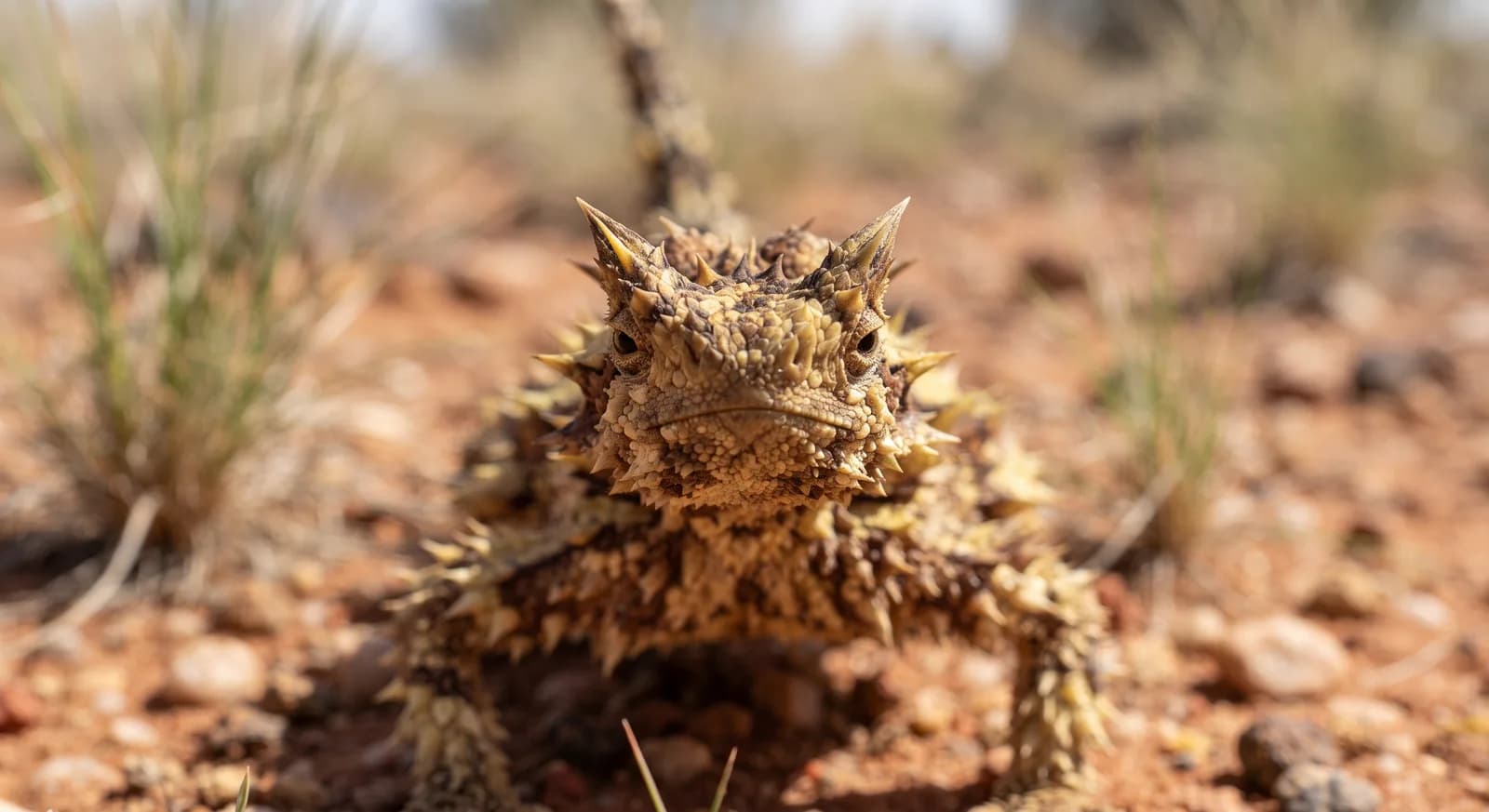
Thorny DevilLeast Concern

Thorny Devil

Moloch horridus

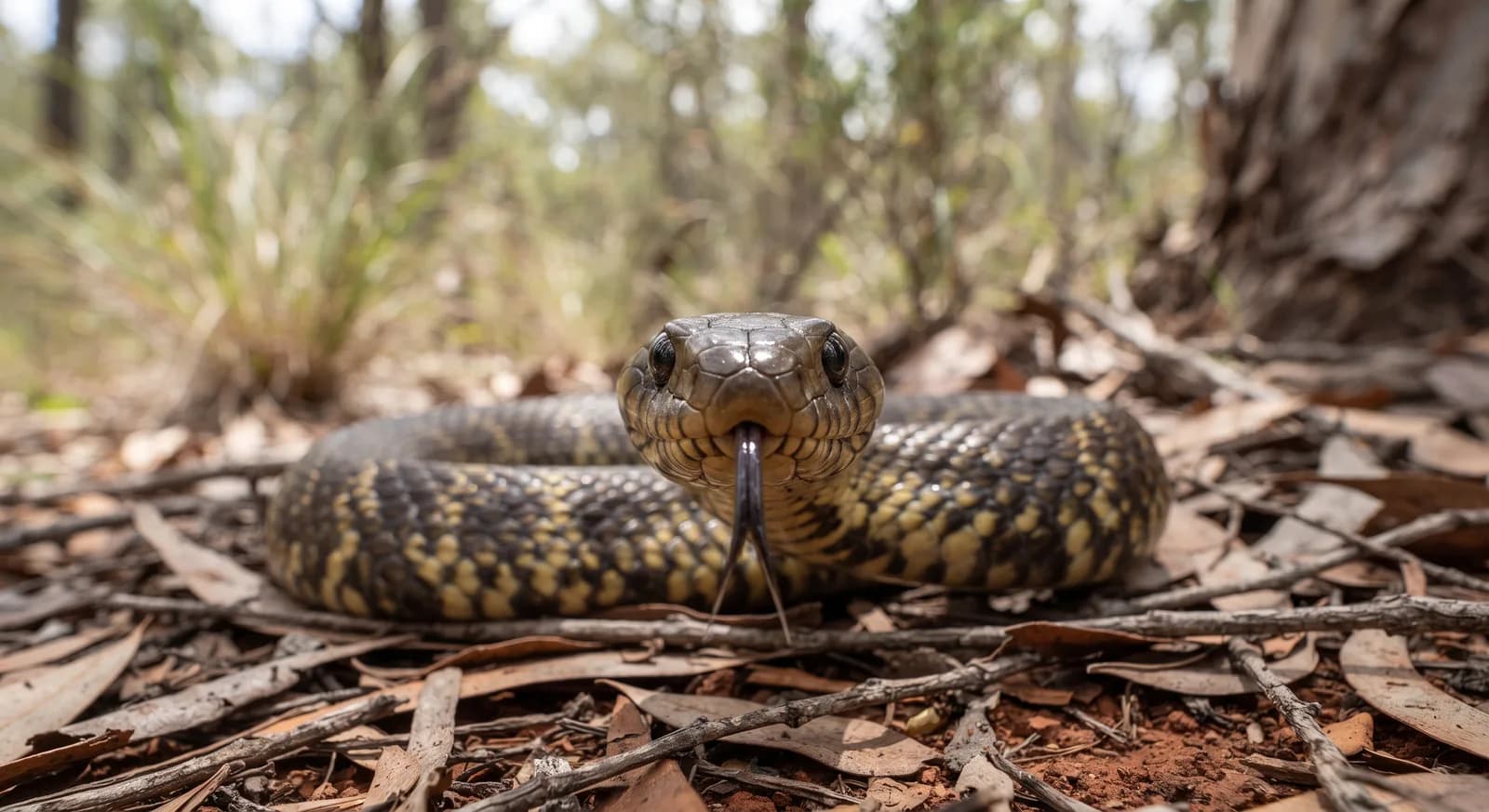
Tiger SnakeLeast Concern

Tiger Snake

Notechis scutatus

Least Concern

Eastern Snake-necked Turtle

Chelodina longicollis

Least Concern

Eastern Brown Snake

Pseudonaja textilis

Least Concern

Rough Knob-tail

Nephrurus asper

CountriesAustralia
ParksUluru-Kata TjutaAustralia
TagsCarnivore
Carnivore
Diurnal
Solitary
Reptile
Desert
Mountain
Australia