Skip to content
WAnimals
  • Map
  • Species
  • Parks
  • Diving
Log inCreate account
WAnimals

The guide for travellers and animal lovers: discover, plan and share your wild adventures around the world.

Discover wildlife

  • Species
  • Ecosystems
  • Glossary
  • Tags

Explore places

  • Map
  • Countries
  • Parks
  • Diving

Plan experiences

  • Guides

Learn

  • Blog

Resources

  • About us
  • How we build our profiles
  • Help centre
  • Contact
  • Install the app

Follow us

Account

  • Log in
  • Create account

© 2026 WAnimals. All rights reserved.

Terms of servicePrivacyCookiesLegal notice
MapSpeciesParksDiving
  1. Home
  2. Species
  3. Pileated Woodpecker

Birds · Piciformes · Picidae

Pileated Woodpecker

Dryocopus pileatus

Least Concern

The species is abundant and widely distributed; it faces no significant short-term risk.

Spotted something wrong?

One of the largest woodpeckers in North America, black-plumaged with a striking red crest and white markings on the face and neck. It belongs to the same genus as the European black woodpecker, with which it shares its size and the power of its pecking.

Weight

364 g on average

Size

40 cm – 49 cm

Diet

Insectivore

Feeds mainly on insects and other invertebrates.

Activity

Diurnal

Active mainly during the day.

Social structure

In pairs

Usually lives in pairs, sometimes for life.

Temperate forest
2countries45parks14same family

Fun facts

  • It shares a genus with the European black woodpecker, already in this catalogue: the Dryocopus are the great cavity excavators of the northern hemisphere.
  • Its feeding holes are characteristically rectangular, not round like those of most woodpeckers.
  • It is one of the species cited as a possible source of confusion in unconfirmed sightings of the ivory-billed woodpecker, with which it shares size and silhouette.
  • It leaves unmistakable rectangular holes as it digs into rotting wood in search of carpenter ants. Its cavities, 15 to 21 cm across inside, are so large that many other species use them afterwards, which makes it a keystone species of its forest.

Life cycle and biology

Skeleton type
Vertebrate - internal bony skeleton (bird)
Habitat and environment
Mature North American woodland with large trees, where it chisels big rectangular cavities in the trunks
Sexual maturity
11.6 months
Gestation / incubation
18 days
Litter / clutch size
4

Sources consulted: IUCN Red List · Bernis et al., Ardeola (nombres castellanos SEO) · Freeman et al. 2025, Frontiers in Parasitology · Linnaeus 1758

Where to find it

Best time: All year round in mature North American forests

Loading map…

Where to see it

Parks and dive sites where this species has been documented — showing 10 of 45.

Related species

Other species in the catalogue with the most in common with Pileated Woodpecker — same habitat, park, country, tags or family.

Same taxonomic family
Shares a park
Shares a park
Shares a park
Shares a park

Keep exploring

Based on what we already know about pileated woodpecker.

Share an experience, a fun fact or a tip for seeing the pileated woodpecker.
See full glossary
This page in other languages: Español · Deutsch · Français · Português · Italiano

The pins mark the parks where its presence is documented.

See its range on the interactive map→
EvergladesUnited States
Great Smoky MountainsUnited States
RedwoodUnited States
AcadiaUnited States
OlympicUnited States
Mammoth CaveUnited States
Channel IslandsUnited States
Crater LakeUnited States
Gros MorneCanada
FundyCanada
See all 45 parks
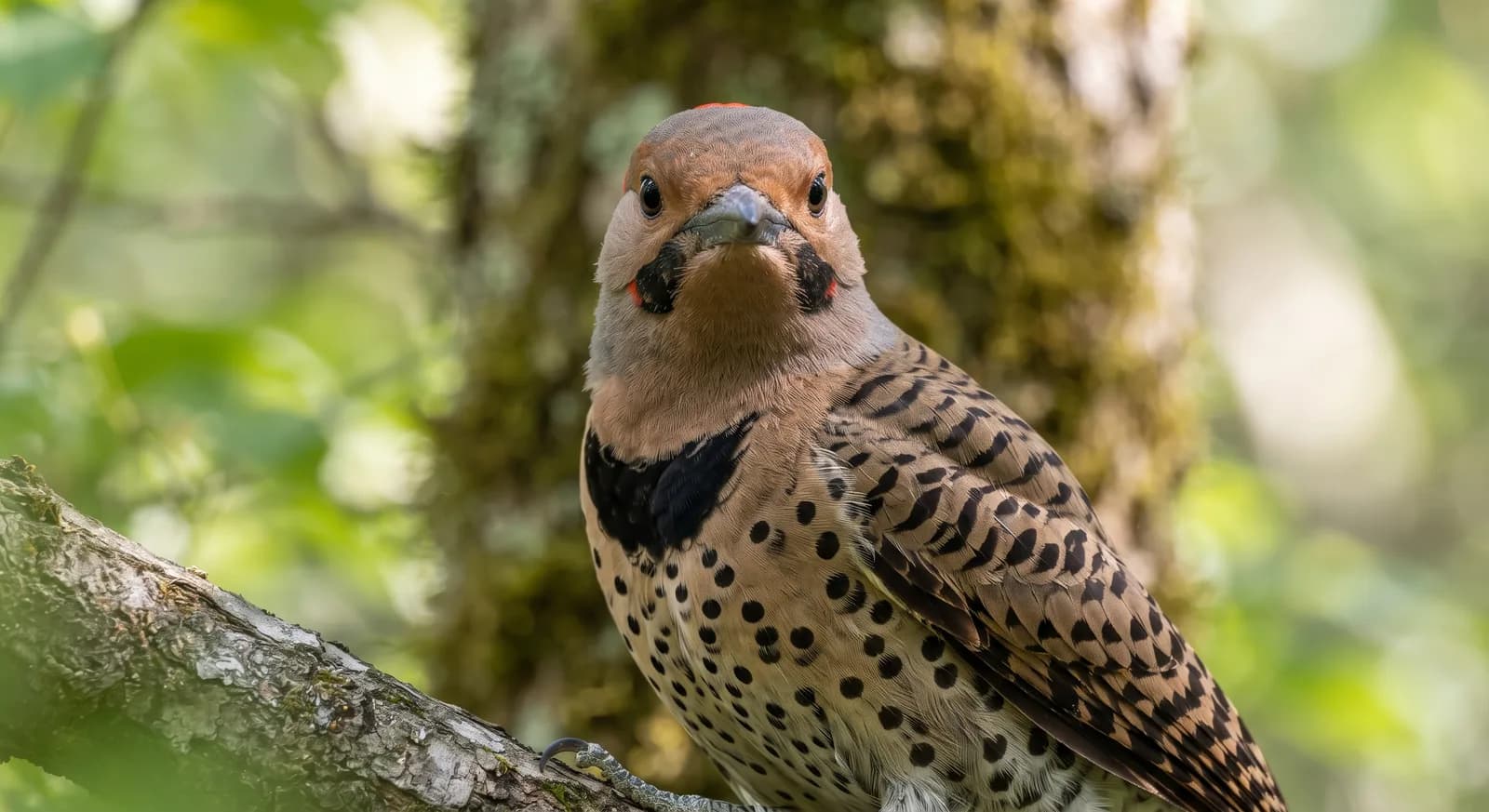
Northern FlickerLeast Concern

Northern Flicker

Colaptes auratus

Least Concern

Acorn Woodpecker

Melanerpes formicivorus

Bald EagleLeast Concern

Bald Eagle

Haliaeetus leucocephalus

Least Concern

Wood Duck

Aix sponsa

Least Concern

Mourning Dove

Zenaida macroura

Least Concern

Blue Jay

Cyanocitta cristata

CountriesUnited States
ParksEvergladesUnited States
TagsInsectivore
Insectivore
Diurnal
In pairs
Bird
Temperate forest
United States
Canada