Least Concern
Common Coqui
Eleutherodactylus coqui
Birds · Caprimulgiformes · Caprimulgidae
Antrostomus noctitherus
At very high risk of extinction in the wild in the near future.
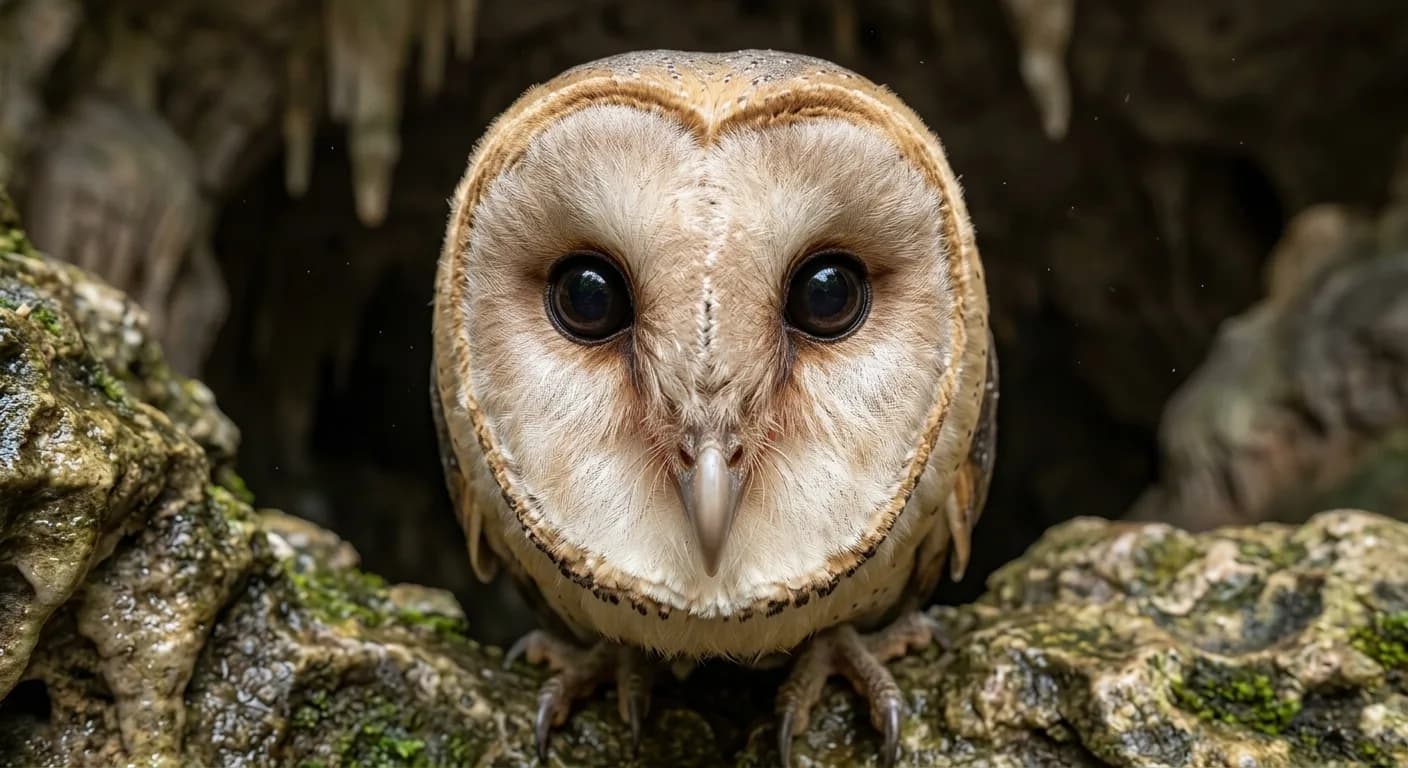
A small nightjar with plumage mottled in black, brown and grey that camouflages it as it rests on the leaf litter. Males have a black throat with a fine horizontal white line and white patches on the underside of the tail, visible in flight; in females those areas are cream rather than white. It has large, very black eyes, a short grey bill and stiff bristles around the bill for catching insects in flight.
Weight
39 g – 41 g
Size
22 cm – 23 cm
Diet
Insectivore
Feeds mainly on insects and other invertebrates.
Activity
Nocturnal
Active mainly at night.
Social structure
In pairs
Usually lives in pairs, sometimes for life.
Estimated population
1,400-2,000 mature individuals, roughly the same figure as in 1984
Sources consulted: IUCN Red List 2016 (BirdLife International, e.T22689809A93248623) · U.S. Fish and Wildlife Service (perfil de especie) · Vilella 1995, Bird Conservation International 5 · González 2010 · Cleere y Nurney 1998, Nightjars · Raffaele et al. 1998 · Wetmore 1919
Best time: At twilight, from February to May, when its breeding activity is at its height
The pins mark the parks where its presence is documented.
Parks and dive sites where this species has been documented.
Other species in the catalogue with the most in common with Puerto Rican Nightjar — same habitat, park, country, tags or family.
The puerto rican nightjar is classified as endangered. Organisations such as the IUCN, WWF and the Wildlife Conservation Society work specifically on its conservation and that of its habitat; looking into their programmes is a good starting point if you want to get involved.
It's documented in 1 protected area — one reason why protecting these places matters for its conservation.
Based on what we already know about puerto rican nightjar.