Skip to content
WAnimals
  • Map
  • Species
  • Parks
  • Diving
Log inCreate account
WAnimals

The guide for travellers and animal lovers: discover, plan and share your wild adventures around the world.

Discover wildlife

  • Species
  • Ecosystems
  • Glossary
  • Tags

Explore places

  • Map
  • Countries
  • Parks
  • Diving

Plan experiences

  • Guides

Learn

  • Blog

Resources

  • Help centre
  • Contact
  • Install the app

Follow us

Account

  • Log in
  • Create account

© 2026 WAnimals. All rights reserved.

About usHow we build our profilesTerms of servicePrivacyLegal notice
MapSpeciesParksDiving
  1. Home
  2. Species
  3. Spotted Ctenopoma

Bony fish · Perciformes · Anabantidae

Spotted Ctenopoma

Ctenopoma acutirostre

Least Concern

The species is abundant and widely distributed; it faces no significant short-term risk.

Spotted something wrong?

Ctenopoma acutirostre, known as the spotted ctenopoma, is a freshwater fish, a member of the family Anabantidae, which forms part of a group popularly known as the labyrinth fish.

Size

12 cm – 20 cm

Diet

Carnivore

Feeds mainly on other animals.

Activity

Nocturnal

Active mainly at night.

Social structure

Solitary

Lives and hunts alone, joining others only to breed.

Sighting difficulty

Easy

Freshwater
1countries5parks1same family

Fun facts

  • Its irregular mottling and its habit of drifting at an angle among submerged leaf litter make it pass for a dead leaf, a camouflage it uses to get close to its prey.
  • Like the rest of the anabantids, it has a labyrinth organ and breathes atmospheric air.
  • The name climbing perch comes from the ability of its Asian relatives to move about out of water by levering themselves on their gill covers.
  • It hunts by pretending to be a leaf. Its pattern of irregular spots and its habit of drifting on its side, motionless, mimic a dead leaf adrift; when prey comes close, it sucks it in with a sudden gulp.
  • It is an anabantid: it breathes air with a labyrinth organ, which allows it to live in warm waters with very little oxygen.
  • It can swallow prey of a surprising size for its build, thanks to a highly protrusible mouth.
  • In the aquarium it has a reputation for being peaceful with large fish and lethal with small ones: it is not aggressive, it simply eats them.
  • It is called a "climbing" fish because anabantids of its genus can travel short distances out of the water, although in this species the behaviour is uncommon.

Life cycle and biology

Skeleton type
Vertebrate - internal bony skeleton (fish)
Habitat and environment
Backwaters and slow, vegetated waters of the Congo basin

Sources consulted: https://es.wikipedia.org/wiki/Ctenopoma_acutirostre

Where to find it

Loading map…

The pins mark the parks where its presence is documented.

Where to see it

Parks and dive sites where this species has been documented.

Related species

Other species in the catalogue with the most in common with Spotted Ctenopoma — same habitat, park, country, tags or family.

Shares a park
Shares a park
Shares a park
Shares a park
Shares a park
Shares a park

Keep exploring

Based on what we already know about spotted ctenopoma.

Comments

Share an experience, a fun fact or a tip for seeing the spotted ctenopoma.

Be the first to comment.
See full glossary
This page in other languages: Español · Deutsch · Français · Português · Italiano
See its range on the interactive map→
VirungaDemocratic Republic of the Congo
SalongaDemocratic Republic of the Congo
GarambaDemocratic Republic of the Congo
Kahuzi-BiegaDemocratic Republic of the Congo
Okapi Wildlife ReserveDemocratic Republic of the Congo
Least Concern

African Electric Catfish

Malapterurus electricus

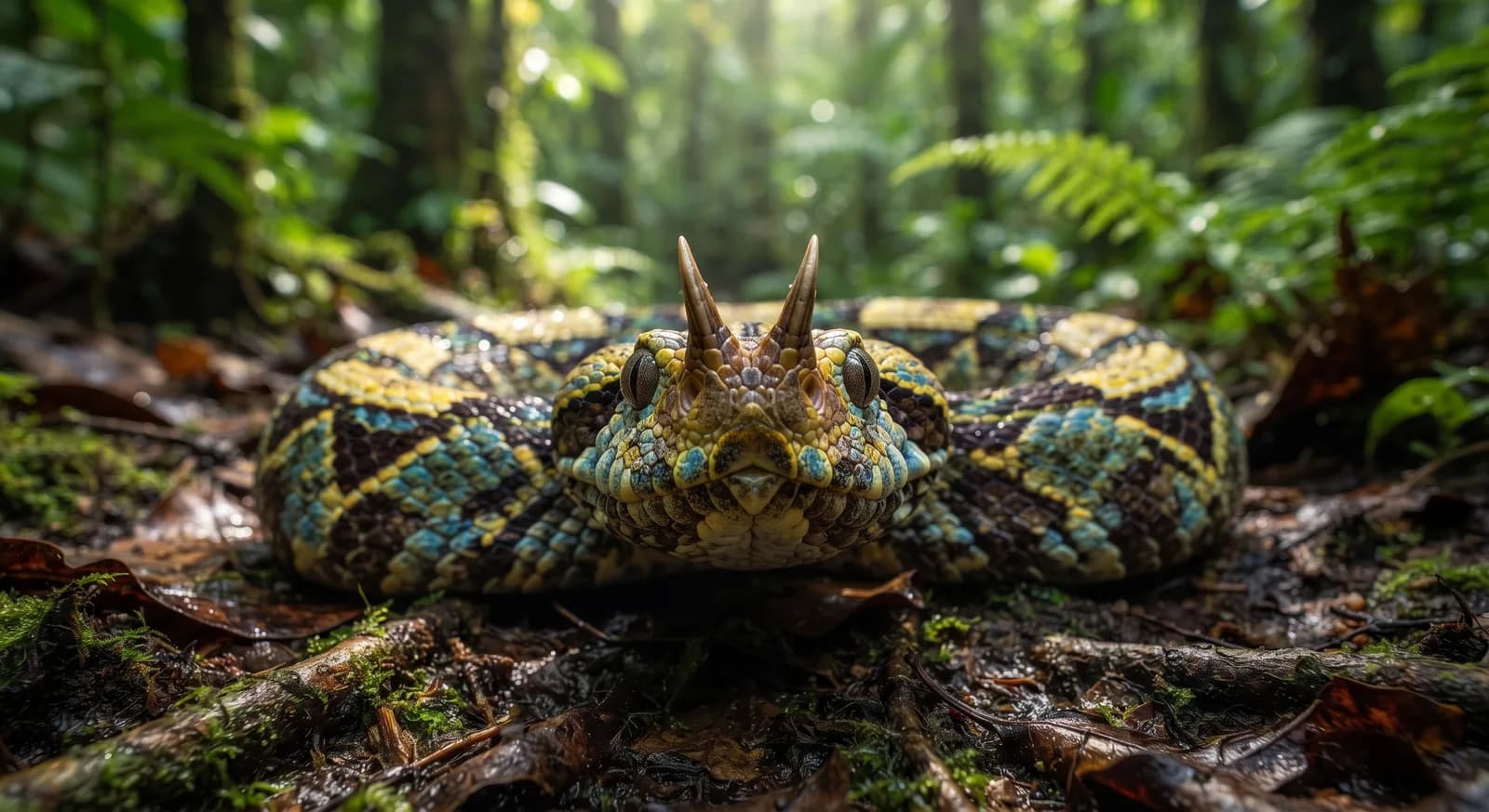
Rhinoceros ViperLeast Concern

Rhinoceros Viper

Bitis nasicornis

Least Concern

Elephantnose Fish

Gnathonemus petersii

Least Concern

Giant Tigerfish

Hydrocynus goliath

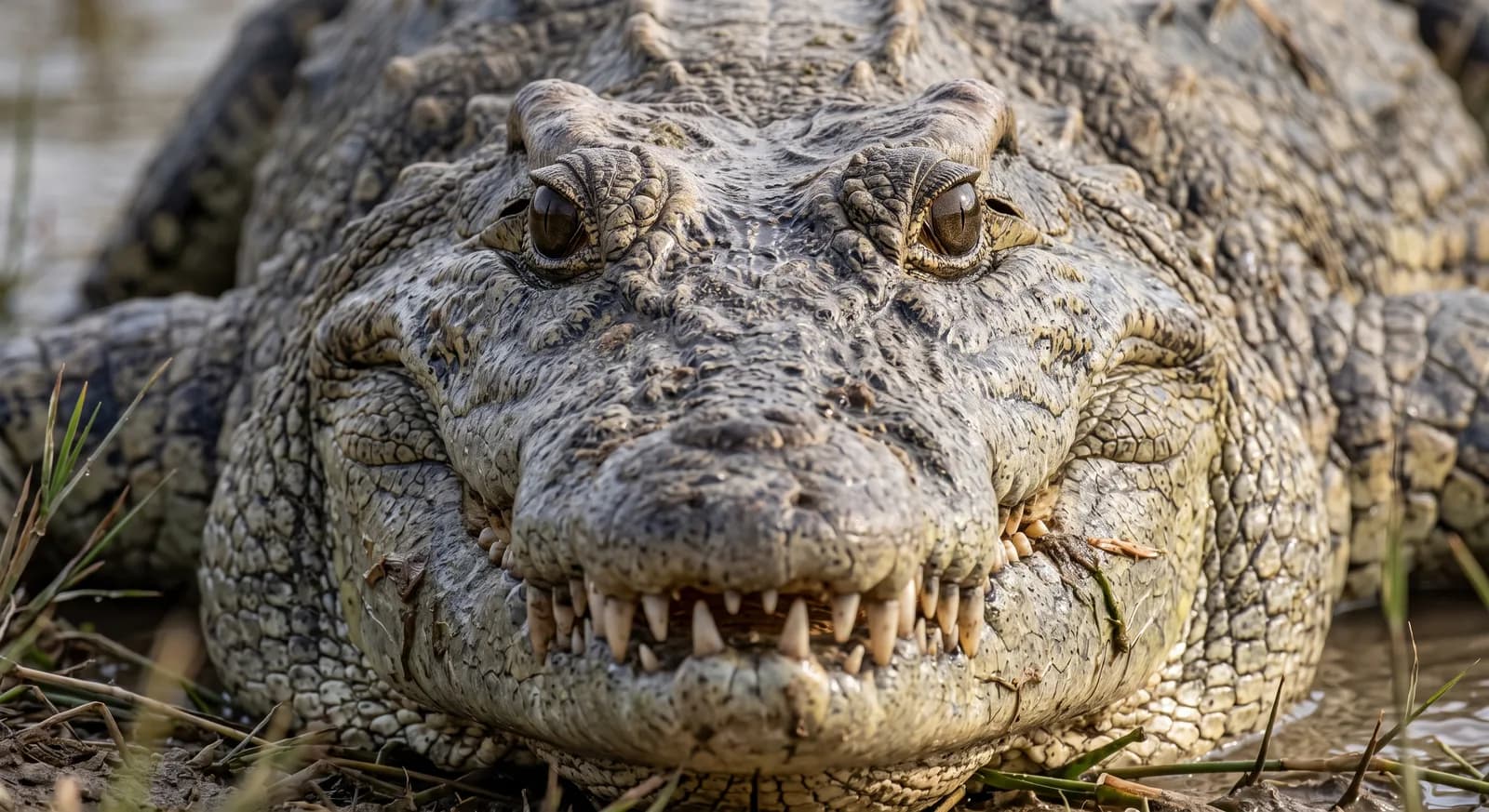
Nile CrocodileLeast Concern

Nile Crocodile

Crocodylus niloticus

Vulnerable

African Dwarf Crocodile

Osteolaemus tetraspis

CountriesDemocratic Republic of the Congo
ParksVirungaDemocratic Republic of the Congo
TagsCarnivore
Carnivore
Nocturnal
Solitary
Fish
Freshwater
Democratic Republic of the Congo