Skip to content
WAnimals
  • Map
  • Species
  • Parks
  • Diving
Log inCreate account
WAnimals

The guide for travellers and animal lovers: discover, plan and share your wild adventures around the world.

Discover wildlife

  • Species
  • Ecosystems
  • Glossary
  • Tags

Explore places

  • Map
  • Countries
  • Parks
  • Diving

Plan experiences

  • Guides

Learn

  • Blog

Resources

  • Help centre
  • Contact
  • Install the app

Follow us

Account

  • Log in
  • Create account

© 2026 WAnimals. All rights reserved.

About usHow we build our profilesTerms of servicePrivacyLegal notice
MapSpeciesParksDiving
  1. Home
  2. Species
  3. Spotted Pardalote

Birds · Passeriformes · Pardalotidae

Spotted Pardalote

Pardalotus punctatus

Least Concern

The species is abundant and widely distributed; it faces no significant short-term risk.

Spotted something wrong?

The spotted pardalote is one of the smallest birds in Australia, with a black back flecked with white spots and a brightly coloured rump and eyebrows. It lives in the crowns of eucalypts, where it gathers lerps, the sugary coverings that certain sap-sucking insects secrete on the leaves. Its nest is a peculiarity: it digs a horizontal tunnel into an earth bank, sometimes a considerable distance from the woodland where it feeds.

Weight

6 g – 10 g

Size

8 cm – 10 cm

Life expectancy

6 years

Diet

Insectivore

Feeds mainly on insects and other invertebrates.

Activity

Diurnal

Active mainly during the day.

Social structure

In pairs

Usually lives in pairs, sometimes for life.

Sighting difficulty

Easy

Temperate forest
1countries51parks

Fun facts

  • It lives in the treetops and nests underground: it digs a tunnel up to half a metre long into a bank, a roadside cutting or even a flowerpot, and builds a bark-lined chamber at the end.
  • It feeds mainly on lerps, the sugary coverings that psyllids make on eucalypt leaves, and its presence helps keep those pests in check in Australian woodlands.

Life cycle and biology

Skeleton type
Vertebrate - internal bony skeleton (bird)
Habitat and environment
Eucalypt crowns in woodland, parks and gardens of southern and eastern Australia
Sexual maturity
12 months
Gestation / incubation
16 days of incubation
Litter / clutch size
4 eggs

Sources consulted: https://es.wikipedia.org/wiki/Pardalotus_punctatus

Where to find it

Loading map…

The pins mark the parks where its presence is documented.

Where to see it

Parks and dive sites where this species has been documented — showing 10 of 51.

Related species

Other species in the catalogue with the most in common with Spotted Pardalote — same habitat, park, country, tags or family.

Shares a park
Shares a park
Shares a park
Shares a park
Shares a park
Shares a park

Keep exploring

Based on what we already know about spotted pardalote.

Comments

Share an experience, a fun fact or a tip for seeing the spotted pardalote.

Be the first to comment.
See full glossary
This page in other languages: Español · Deutsch · Français · Português · Italiano
See its range on the interactive map→
KakaduAustralia
Uluru-Kata TjutaAustralia
DaintreeAustralia
Blue MountainsAustralia
K'gari (Fraser Island)Australia
Purnululu (Bungle Bungle)Australia
FreycinetAustralia
KosciuszkoAustralia
Nitmiluk (Katherine Gorge)Australia
LitchfieldAustralia
See all 51 parks
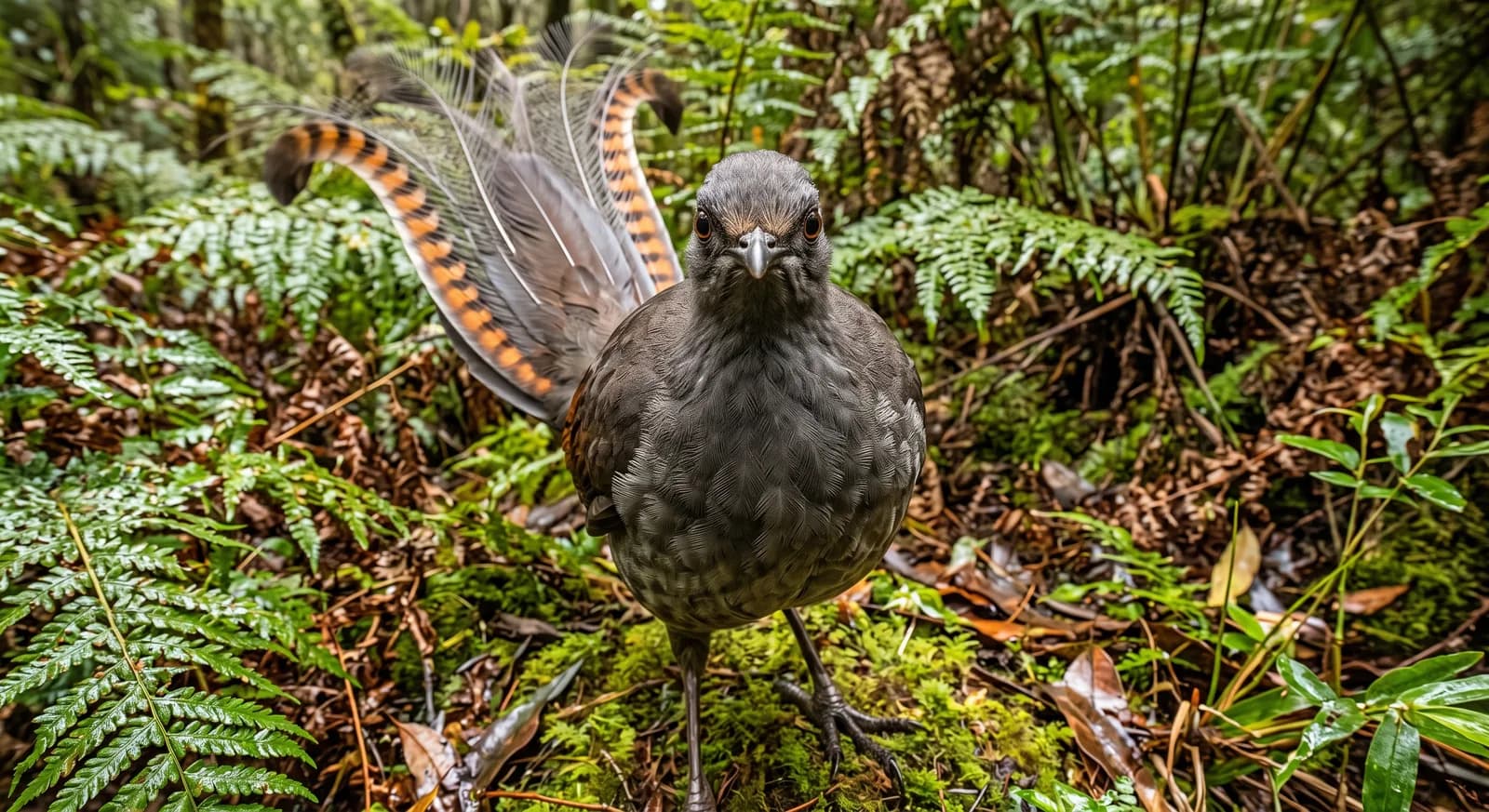
Superb LyrebirdLeast Concern

Superb Lyrebird

Menura novaehollandiae

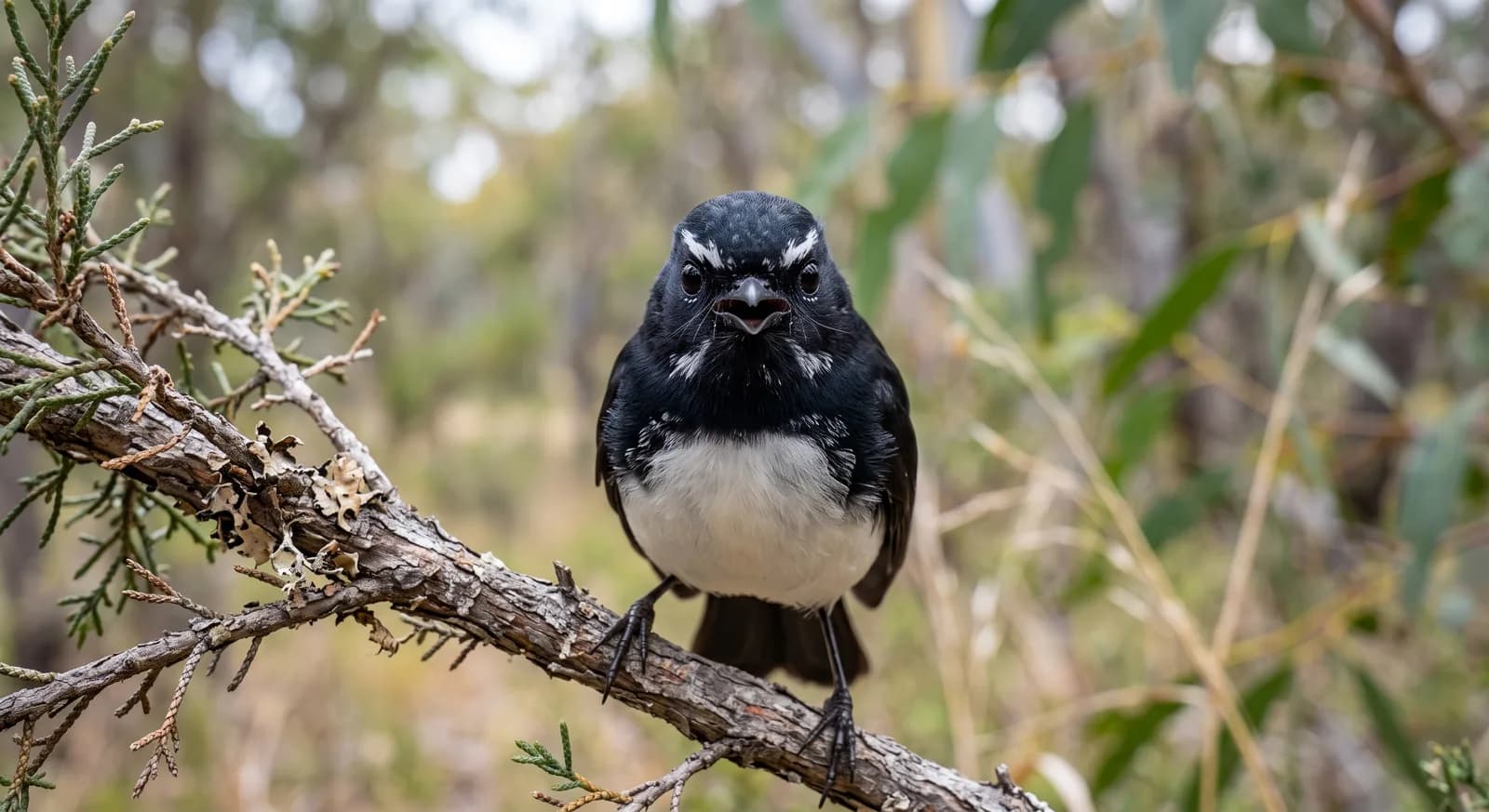
Willie WagtailLeast Concern

Willie Wagtail

Rhipidura leucophrys

Least Concern

Black-Faced Cuckooshrike

Coracina novaehollandiae

Least Concern

Superb Fairywren

Malurus cyaneus

Least Concern

Common Myna

Acridotheres tristis

Least Concern

Australian Brushturkey

Alectura lathami

CountriesAustralia
ParksKakaduAustralia
TagsInsectivore
Insectivore
Diurnal
In pairs
Bird
Temperate forest
Australia