One of the 9 wasps on WAnimals
Insects · Hymenoptera · Ampulicidae
Emerald Cockroach Wasp
Ampulex compressa
It has not yet been assessed against the IUCN criteria. See full glossary
The emerald cockroach wasp is an apocritan hymenopteran of the family Ampulicidae. Like others of its genus, it is known for its unusual reproductive cycle, which consists of taking control of live cockroaches in order to lead them to the nest, where they become hosts for its larvae.
Size
15 cm – 22 cm
Diet
Carnivore
Feeds mainly on other animals.
Activity
Diurnal
Active mainly during the day.
Social structure
Solitary
Lives and hunts alone, joining others only to breed.
Sighting difficulty
Unknown
Fun facts
- GeneralIt injects venom into a cockroach's brain and walks it alive, like a zombie, to its nest.
- parasitismoIt injects venom straight into a cockroach's brain to switch off its escape reflex, then leads it as though on a lead to its nest, where the larva will feed on it alive for days.
- The first sting, to the thorax, temporarily paralyses the front legs; the second goes straight to two specific ganglia in the cockroach's brain and removes its will to flee, without immobilising it.
- It lays an egg on the living cockroach, seals the chamber, and the larva feeds on it for days, eating the non-vital organs first so as to keep it fresh for as long as possible.
- It stings twice: first in the thorax, which paralyses the front legs for a few minutes, and then directly into the cockroach's brain, guided by sensors in the sting.
- The dopamine in the venom brings on half an hour of compulsive grooming, and then one to three weeks of hypokinesia: the cockroach is not paralysed but apathetic, and lets itself be led by a tug on one antenna all the way to the burrow.
- The wasp lays an egg on the middle leg of the living cockroach; the larva feeds first from outside, then burrows in and devours the internal organs, and spins its cocoon inside the hollow corpse.
- The larvae disinfect their host by secreting a mixture of antimicrobials.
Life cycle & biology
- Habitat & environment
- Warm tropical areas with cockroaches
- Gestation / incubation
- The egg hatches after three days and the adult emerges from the cocoon one to two months later
- Litter / clutch size
- A single egg per parasitised cockroach
Sources consulted: https://es.wikipedia.org/wiki/Ampulex_compressa
Where to watch it
Parks and dive sites where this species has been documented.
Related species
Other species in the catalogue with the most in common with Emerald Cockroach Wasp — same habitat, park, country, tags or family.
King Cobra
Ophiophagus hannah
Common Water Monitor
Varanus salvator
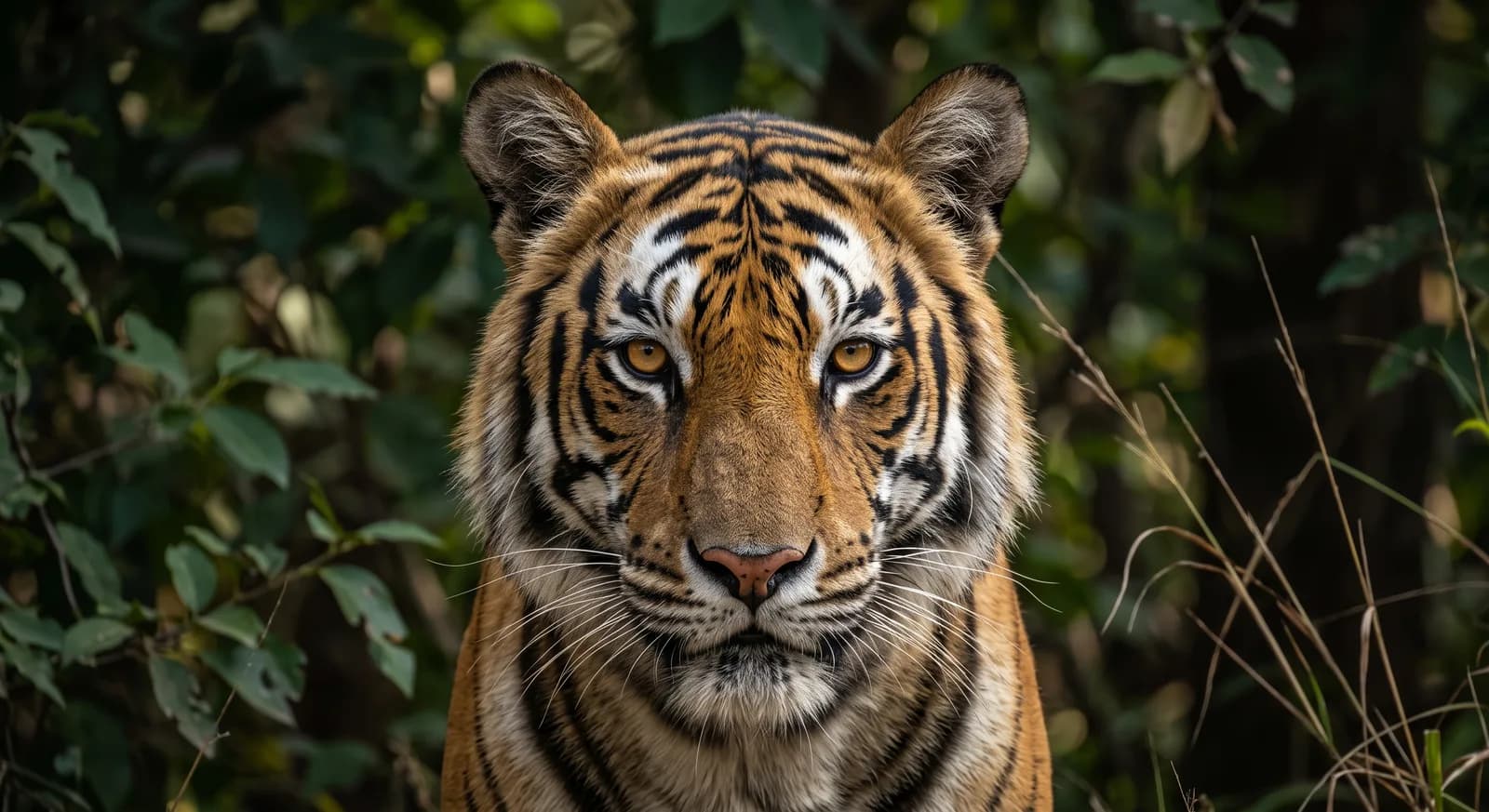 Endangered
Bengal Tiger
Panthera tigris tigris
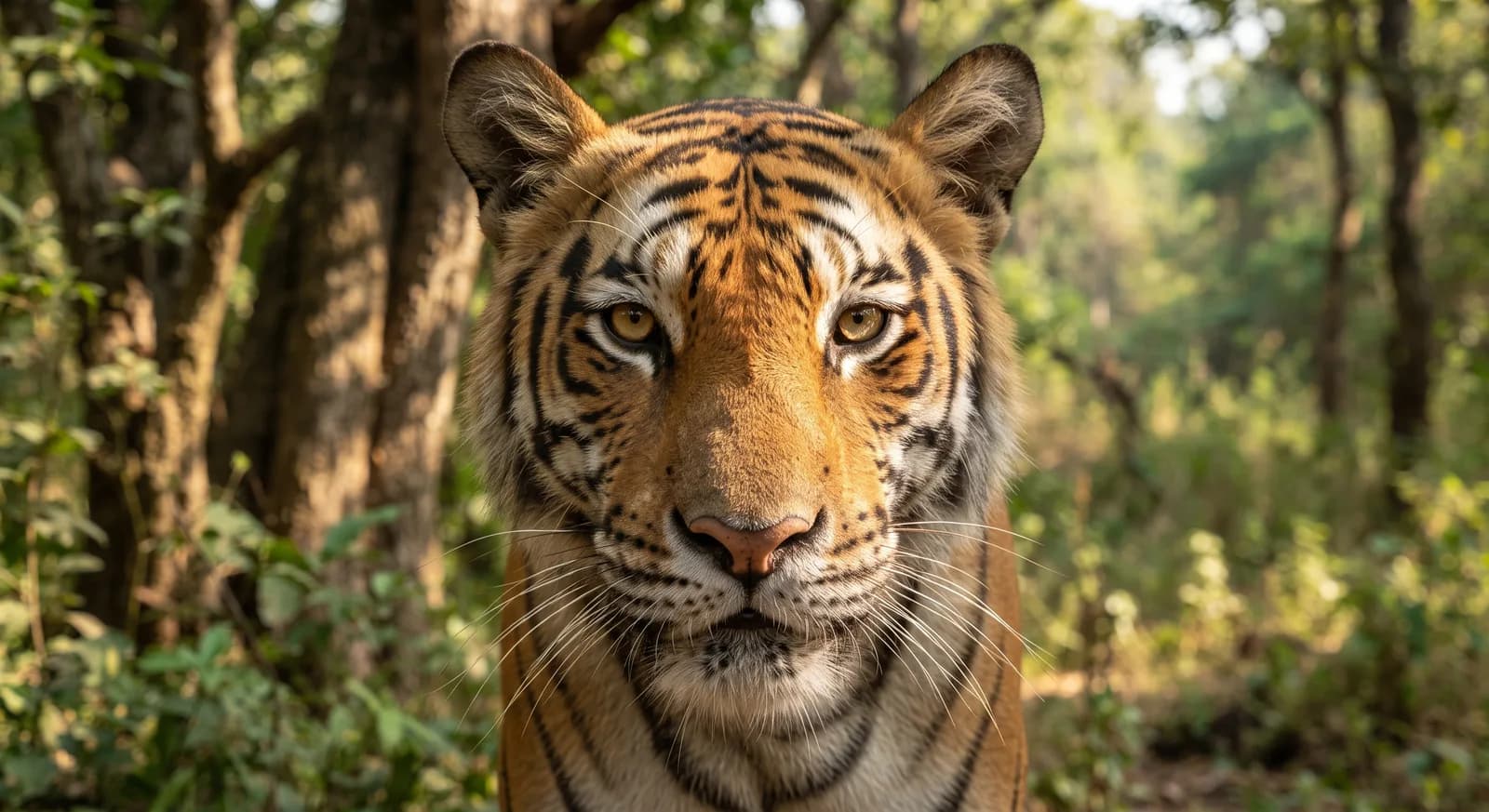 Endangered
Tiger
Panthera tigris
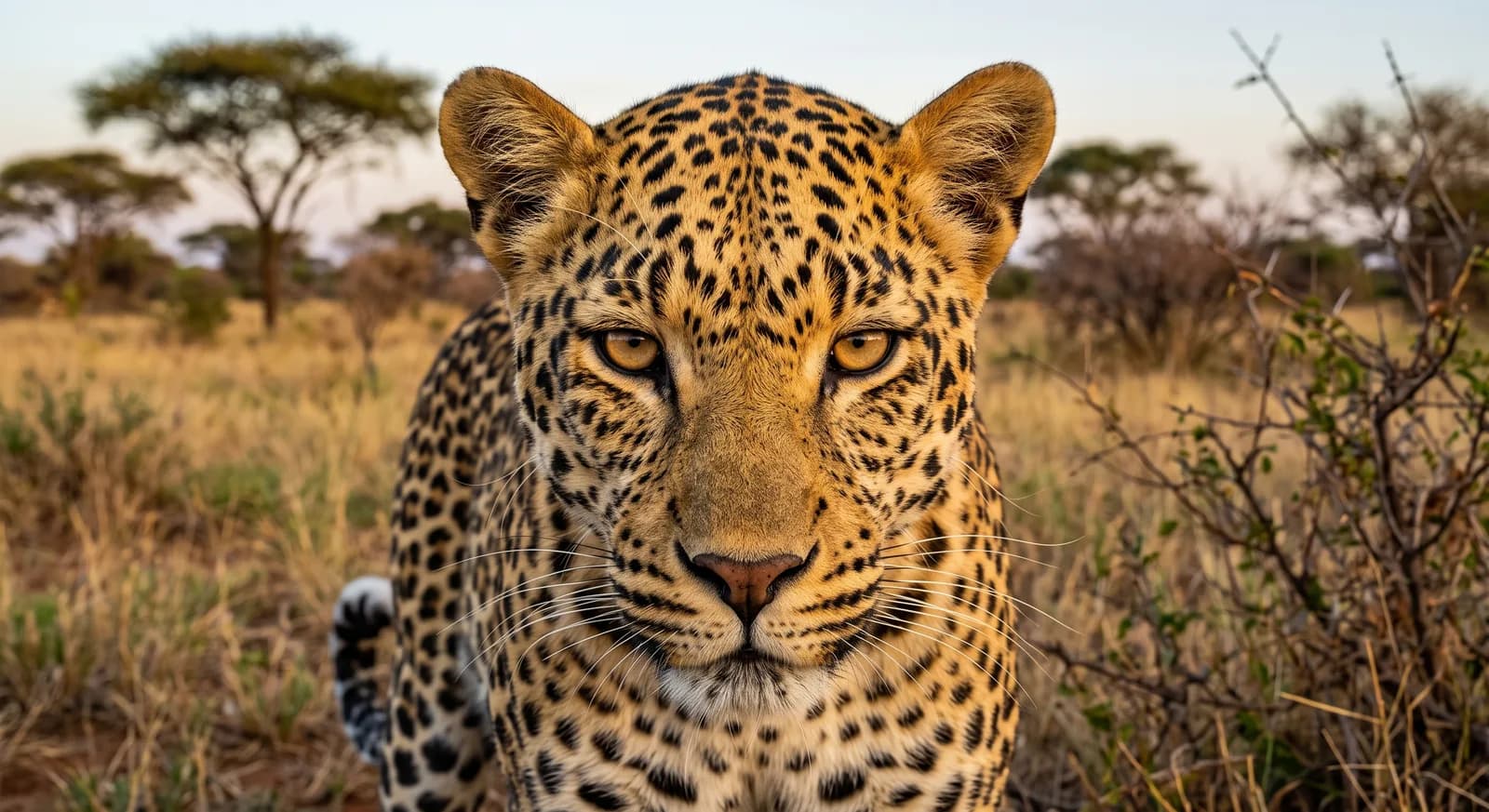 Vulnerable
Leopard
Panthera pardus
Fishing Cat
Prionailurus viverrinus
Keep exploring
Based on what we already know about emerald cockroach wasp.
Comments
Share an experience, a fun fact or a tip for seeing the emerald cockroach wasp.
Be the first to comment.