Mammals · Diprotodontia · Potoroidae
Brush-tailed Bettong
Bettongia penicillata
It faces an extremely high risk of imminent extinction in the wild. See full glossary
Its populations collapsed by 90% between 1999 and the early 2010s, a sudden and still not fully explained decline that took it from conservation success story to critically endangered.
Weight
1.1 kg – 1.6 kg
Size
30 cm – 38 cm
Lifespan
5 years
Diet
Omnivore
Combines animal and plant food depending on availability.
Activity
Nocturnal
Active mainly at night.
Social structure
Solitary
Lives and hunts alone, joining others only to breed.
Sighting difficulty
Very hard
Fun facts
- Its populations collapsed by 90% between 1999 and the early 2010s.
- Its long prehensile tail works as a genuine fifth limb for carrying nesting material.
- It feeds mainly on underground fungi (truffles).
Life cycle & biology
- Skeleton type
- Vertebrate - internal bony skeleton (marsupial mammal)
- Habitat & environment
- Open woodland and scrub of south-western Western Australia, with low dense grass or shrub cover
- Birth weight
- Exact weight at birth not found as a precise figure
- Size at birth
- Extremely undeveloped at birth, finishing its development in the pouch over some 98-100 days
- Sexual maturity
- 170-180 days (~6 months)
- Gestation / incubation
- 21 days
- Litter / clutch size
- 1 young, up to 3 times a year
- Lifespan in captivity
- Documented record of up to 14-18.8 years in captivity
Sources consulted: Alice Springs Desert Park; WWF Australia; Animal Diversity Web; Smithsonian National Zoo; Animalia.bio; AnAge (genomics.senescence.info); National Zoo & Aquarium Australia; PMC (trypanosome population decline study)
Where to find it
See its range on the interactive mapBest time: All year round, at night, on the fenced reserves and islands of south-western Australia where it still survives.
Related species
Other species in the catalogue with the most in common with Brush-tailed Bettong — same habitat, park, country, tags or family.
Long-nosed Potoroo
Potorous tridactylus
Desert Rat-kangaroo
Caloprymnus campestris
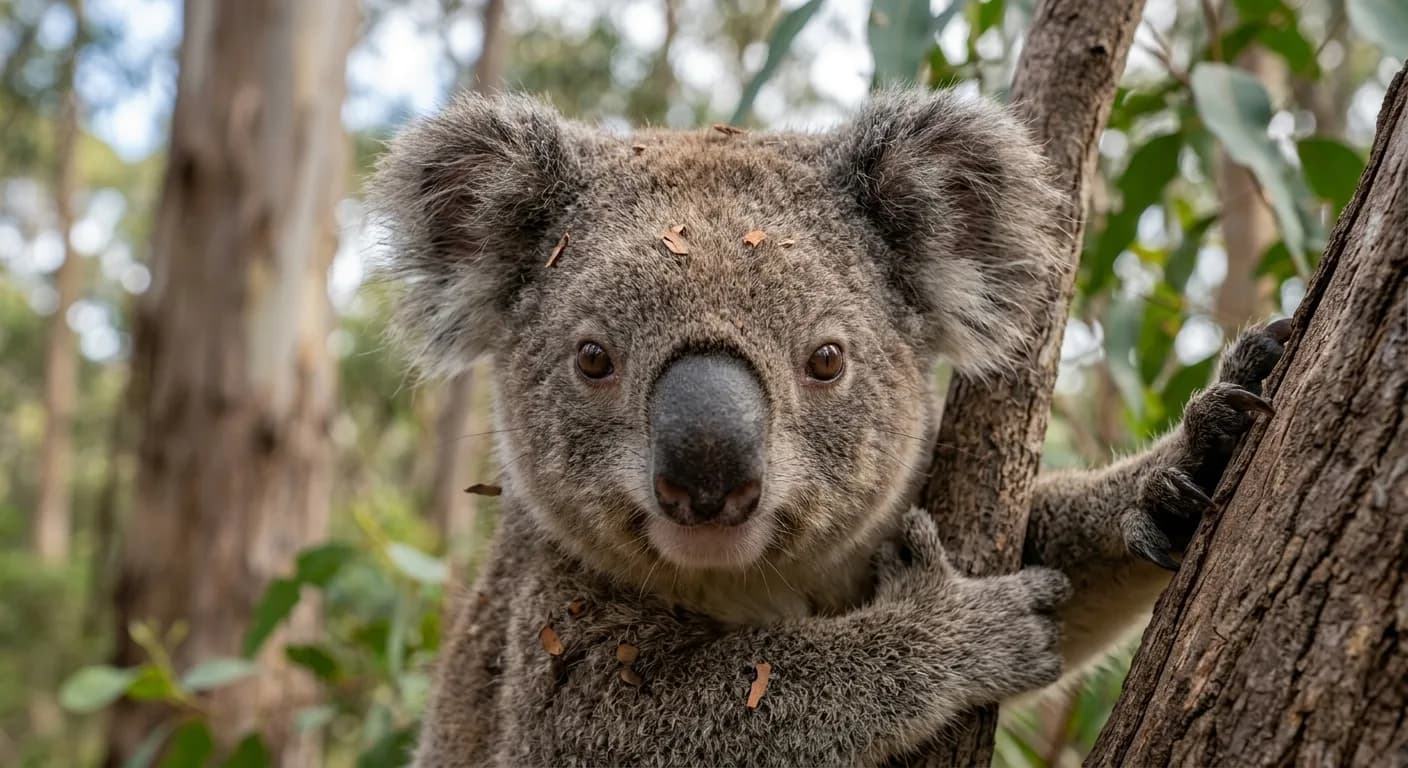 Vulnerable
Koala
Phascolarctos cinereus
 Endangered
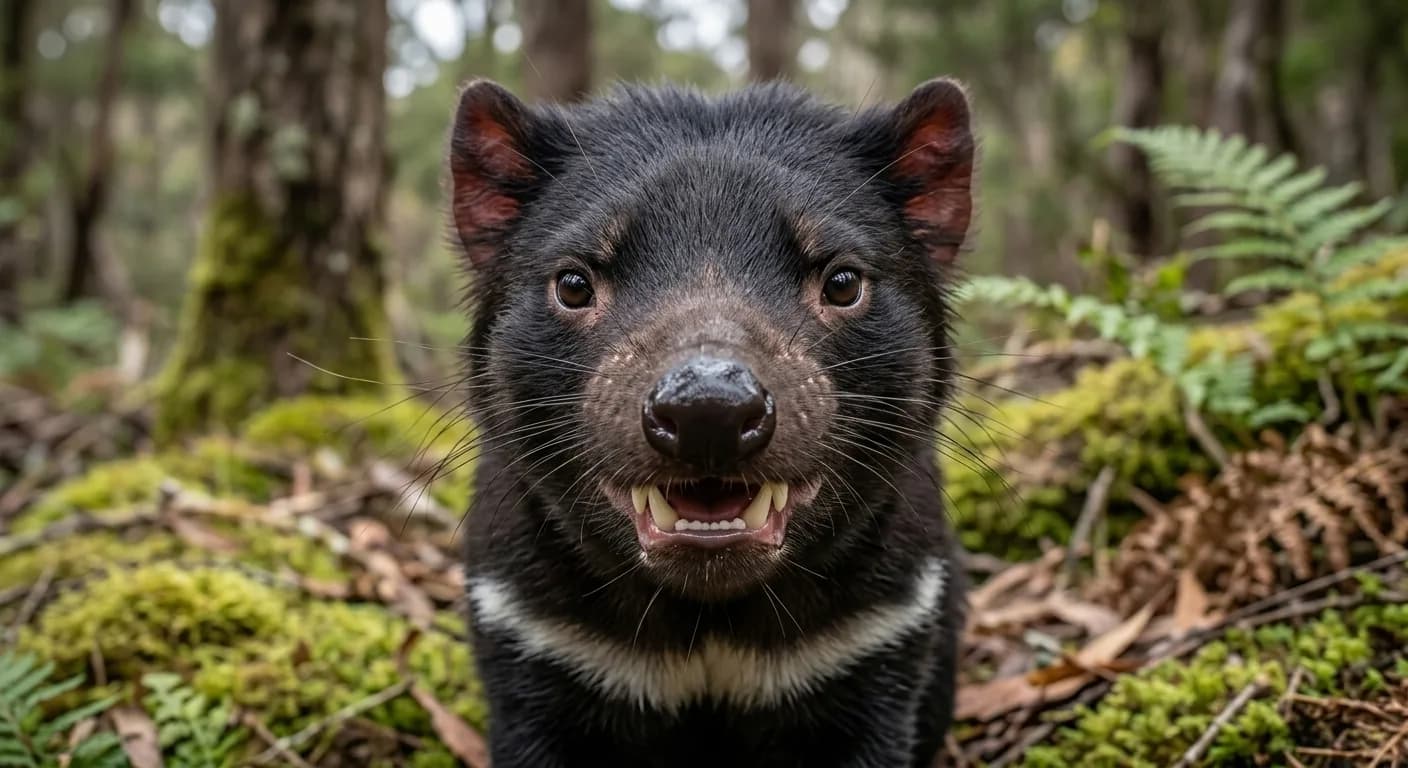
Tasmanian Devil
Sarcophilus harrisii
 Near Threatened
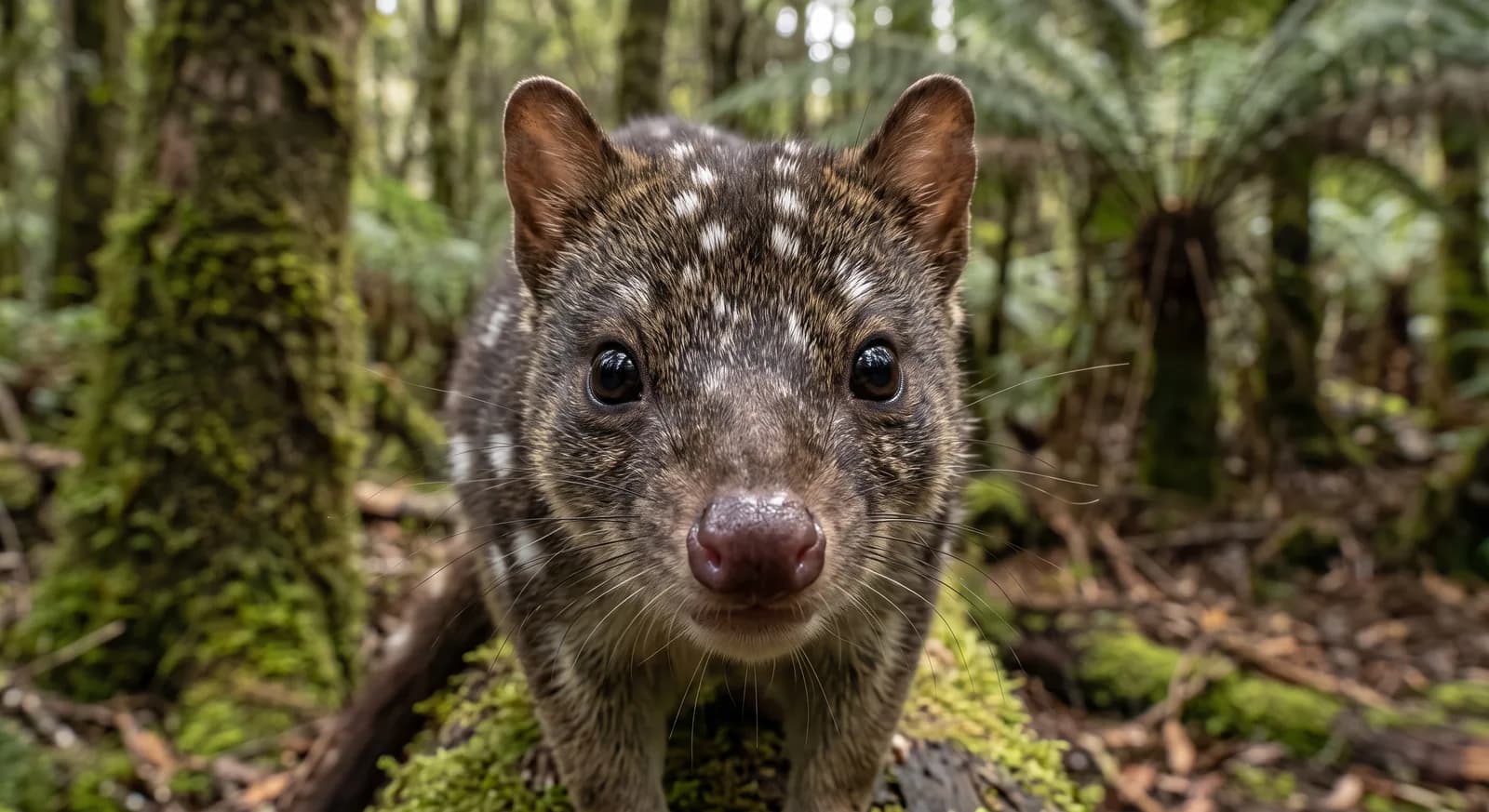
Spotted-tailed Quoll
Dasyurus maculatus
Brown Antechinus
Antechinus stuartii
How to help
The brush-tailed bettong is classified as critically endangered. Organizations such as UICN, WWF y Wildlife Conservation Society work specifically on its conservation and that of its habitat; looking into their programs is a good starting point if you want to get involved.
Keep exploring
Based on what we already know about brush-tailed bettong.
Comments
Share an experience, a fun fact or a tip for seeing the brush-tailed bettong.
Be the first to comment.