Mammals · Primates · Hominidae
Bonobo
Pan paniscus
It faces a very high risk of extinction in the wild in the near future. See full glossary
It is known for its exceptionally peaceable, matriarchal society, in which females form strong alliances that keep male aggression in check.
Weight
27 kg – 61 kg
Size
71 cm – 84 cm
Lifespan
45 years
Diet
Omnivore
Combines animal and plant food depending on availability.
Activity
Diurnal
Active mainly during the day.
Social structure
Family group
Lives in small family groups with close bonds.
Sighting difficulty
Hard
Estimated population
Estimated at between 15,000 and 20,000 animals south of the Congo River, although the figures are very uncertain because the area is so hard to survey.
Fun facts
- It shares roughly 98.7% of its genome with humans and is, alongside the chimpanzee, our closest living relative.
- It feeds mainly on fruit, supplemented with leaves, seeds, fungi, eggs and the occasional small vertebrate.
- It lives only in the lowland rainforest south of the Congo River, in the DR Congo.
- comportamientoIt uses sexual contact as a social tool to defuse tension and settle conflicts within the group, well beyond its reproductive purpose.
- comportamientoIn recent years wild females have been recorded adopting unrelated infants from another group, a behaviour previously described only anecdotally.
Life cycle & biology
- Skeleton type
- Vertebrate - internal bony skeleton (mammal)
- Habitat & environment
- Lowland tropical rainforest south of the Congo River, in the DR Congo
- Birth weight
- ~1.33 kg
- Size at birth
- Wholly dependent, clinging to its mother's belly from birth
- Sexual maturity
- 9-15 years (figures vary; most sources give 12-13 years)
- Gestation / incubation
- 220-240 days (7.5-8 months)
- Litter / clutch size
- 1 young, with an interval between births of 4.5-5 years
- Lifespan in captivity
- Documented record of 50.1-55 years in captivity
Sources consulted: AnAge (genomics.senescence.info); UN-GRASP; Britannica Kids; A-Z Animals; Facts About Animals; Animal Diversity Web; SDZWA Library Fact Sheet
Where to find it
See its range on the interactive mapBest time: All year round in the Democratic Republic of the Congo, by day; it is only easy to watch in habituated groups, such as those at Wamba or Lomako.
Where to watch it
Parks and dive sites where this species has been documented.
Related species
Other species in the catalogue with the most in common with Bonobo — same habitat, park, country, tags or family.
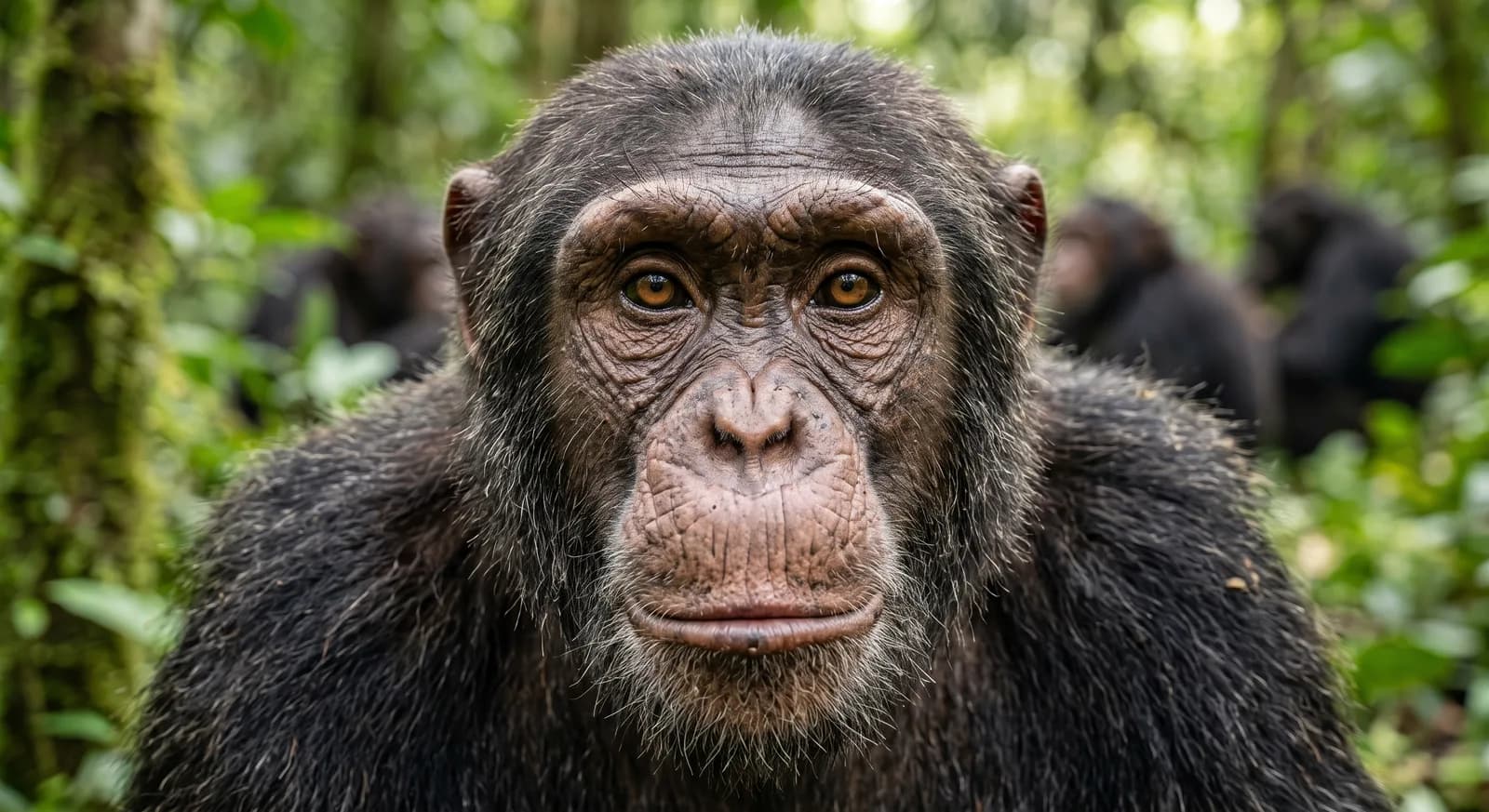 Endangered
Chimpanzee
Pan troglodytes
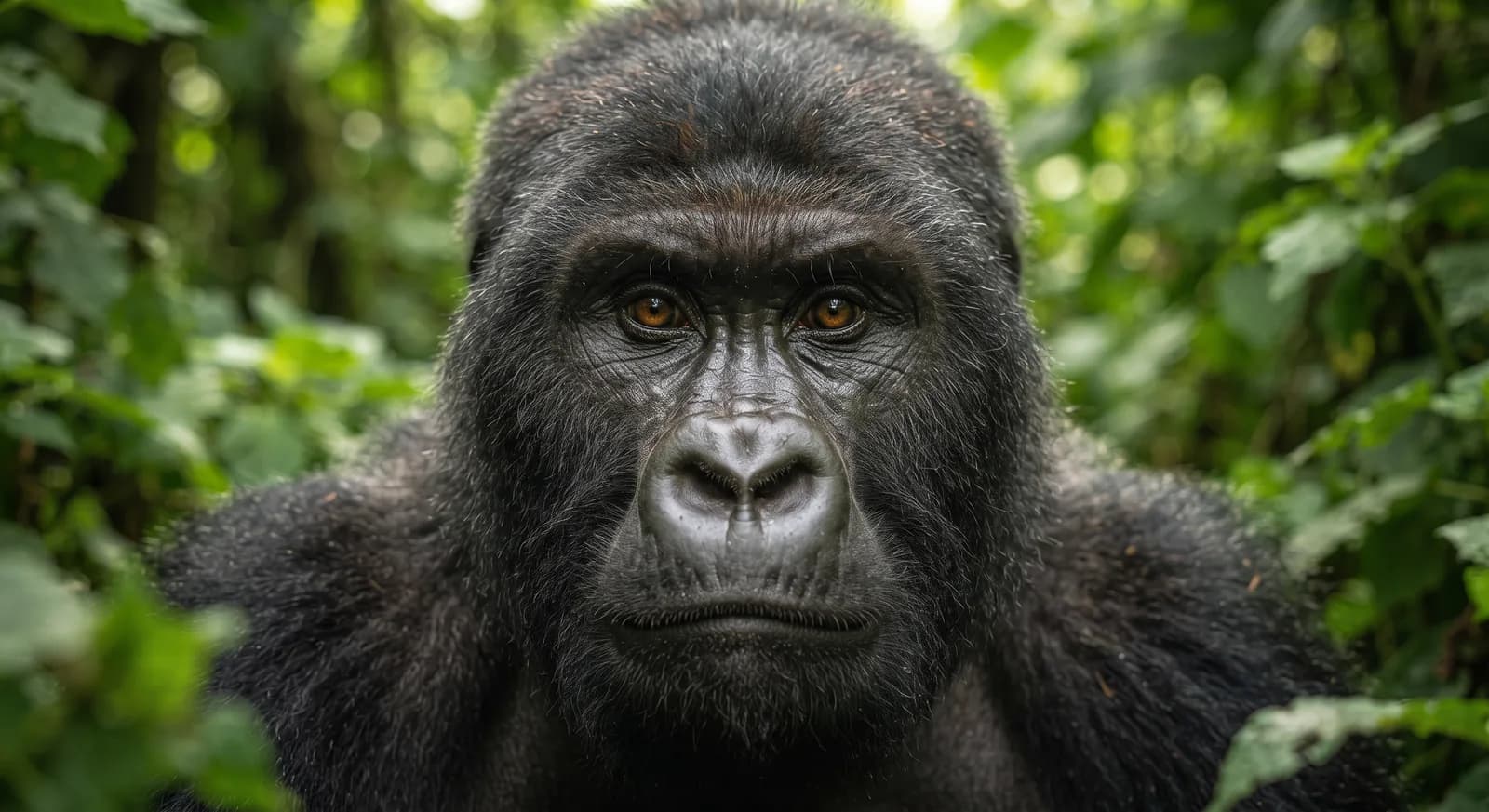 Critically Endangered
Western Gorilla
Gorilla gorilla
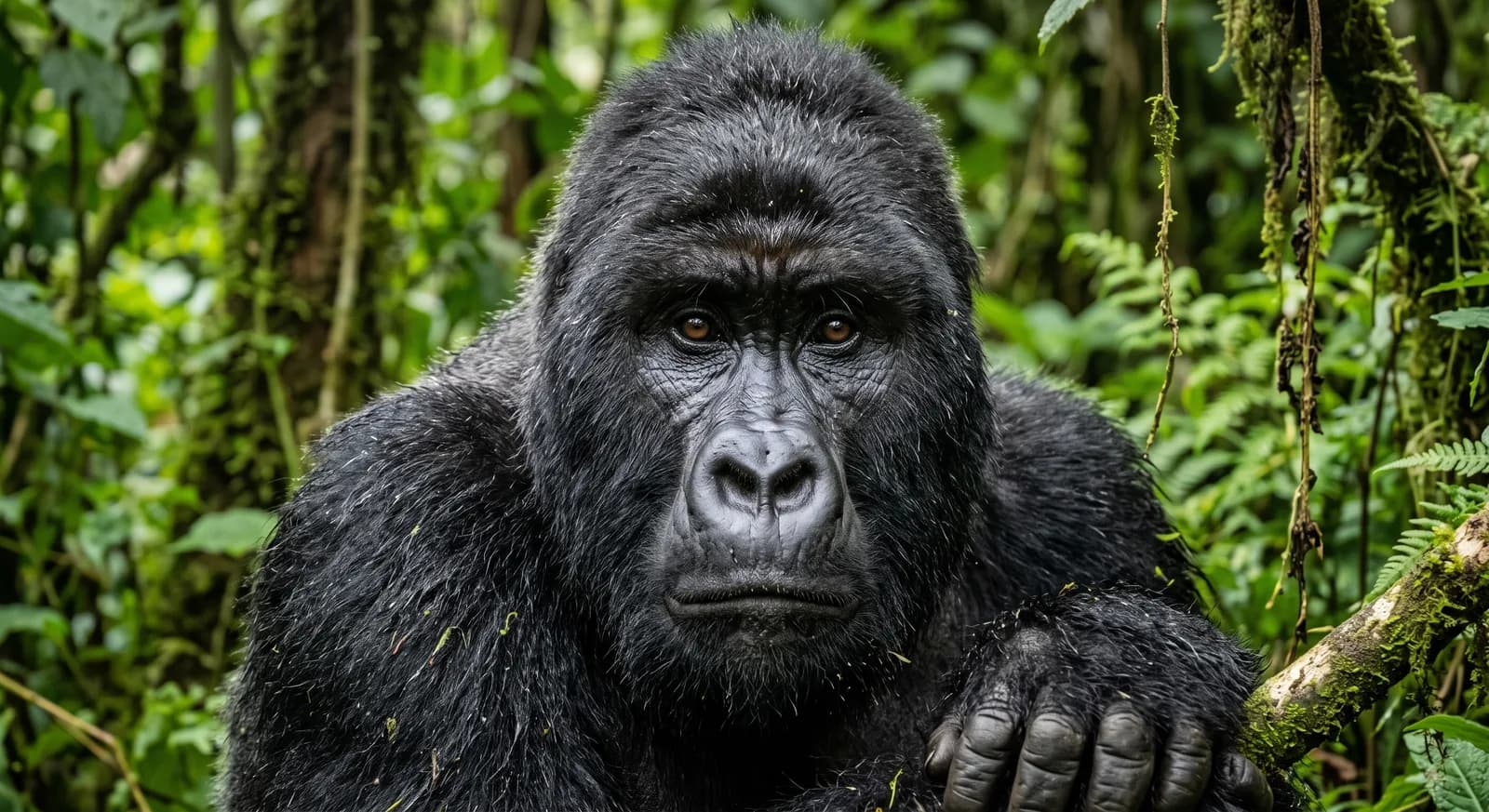 Critically Endangered
Eastern Gorilla
Gorilla beringei
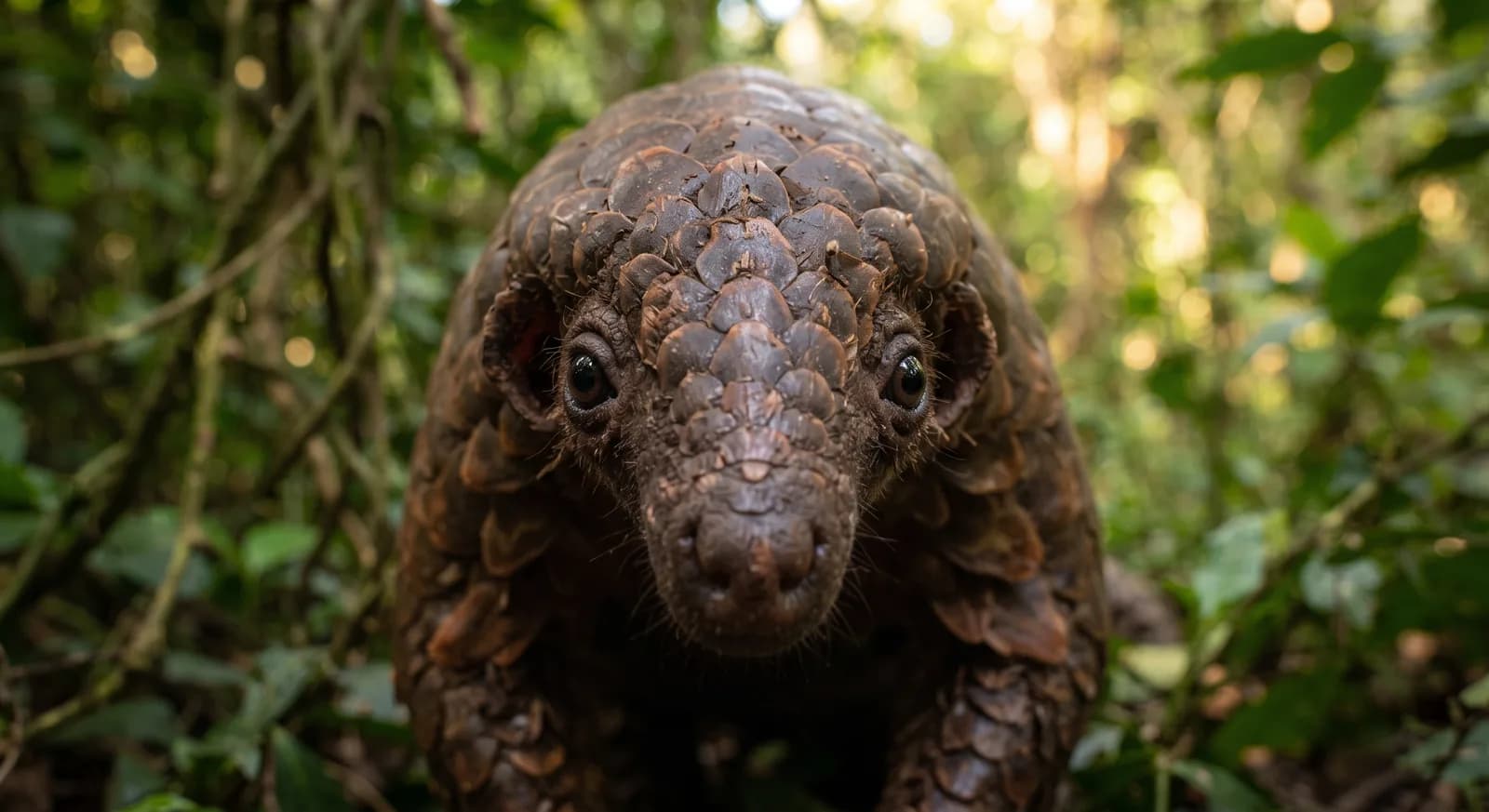 Endangered
Giant Pangolin
Smutsia gigantea
Tree Pangolin
Phataginus tricuspis
De Brazza’s Monkey
Cercopithecus neglectus
How to help
The bonobo is classified as endangered. Organizations such as UICN, WWF y Wildlife Conservation Society work specifically on its conservation and that of its habitat; looking into their programs is a good starting point if you want to get involved.
It's documented in 1 real protected area — part of why protecting these places matters for its conservation.
Keep exploring
Based on what we already know about bonobo.
Comments
Share an experience, a fun fact or a tip for seeing the bonobo.
Be the first to comment.