One of the 5 woodpeckers on WAnimals
Birds · Piciformes · Picidae
Fernandina's Flicker
Colaptes fernandinae
It faces a high risk of extinction in the wild over the medium term. See full glossary
Fernandina's flicker is a yellowish, barred picid endemic to Cuba, and one of the most threatened woodpeckers in the Caribbean. It depends on the dead palms of the Cuban savannahs, where it excavates its nest, and on ground ants, which are the basis of its diet. Fewer than four hundred individuals remain, spread across highly fragmented populations.
Weight
100 g – 130 g
Size
33 cm – 35 cm
Lifespan
12 years
Diet
Insectivore
Feeds mainly on insects and other invertebrates.
Activity
Diurnal
Active mainly during the day.
Social structure
In pairs
Usually lives in pairs, sometimes for life.
Sighting difficulty
Moderate
Estimated population
Fewer than 400 mature individuals
Fun facts
- It is one of the most threatened woodpeckers in the world, badly affected by habitat loss.
- It is called carpintero de la tierra, the woodpecker of the ground, for its terrestrial habits: it looks for food on the ground, not on trunks.
- Its epithet honours José María Herrera y Herrera, second Count of Fernandina, a Cuban nobleman who owned several sugar plantations.
- It feeds mainly on the ground, eating ants: it is one of the most terrestrial woodpeckers in the Caribbean, and spends much of the day pecking at anthills rather than at trunks.
- It depends on the standing dead palms of the Cuban savannahs: when those palms are felled or burnt, the only substrate in which it can excavate its nest disappears.
- It is one of the most threatened woodpeckers in the Americas, with fewer than four hundred mature individuals spread between the Zapata Swamp and a few other pockets in Cuba.
Life cycle & biology
- Skeleton type
- Vertebrate - internal bony skeleton (bird)
- Habitat & environment
- Edges of open woodland with palms, savannah and swamp. Endemic to Cuba: the Sierra del Rosario, the area around the Zapata Peninsula and some parts of Villa Clara, Camagüey, Holguín and Granma
- Sexual maturity
- 12 months
- Gestation / incubation
- 17 days of incubation
- Litter / clutch size
- 4 eggs
Sources consulted: IUCN Red List; BirdLife International (species factsheet); Wikipedia (Fernandina's flicker); García 1987, Las Aves de Cuba; Garrido y Kirkconnell 2000, Birds of Cuba; Vigors 1827; eBird
Where to find it
See its range on the interactive mapBest time: All year round, though it is a woodpecker that is rarely seen
Where to watch it
Parks and dive sites where this species has been documented.
Related species
Other species in the catalogue with the most in common with Fernandina's Flicker — same habitat, park, country, tags or family.
Northern Flicker
Colaptes auratus
Cuban Trogon
Priotelus temnurus
Ivory-billed Woodpecker
Campephilus principalis
Cuban Brown Anole
Anolis sagrei
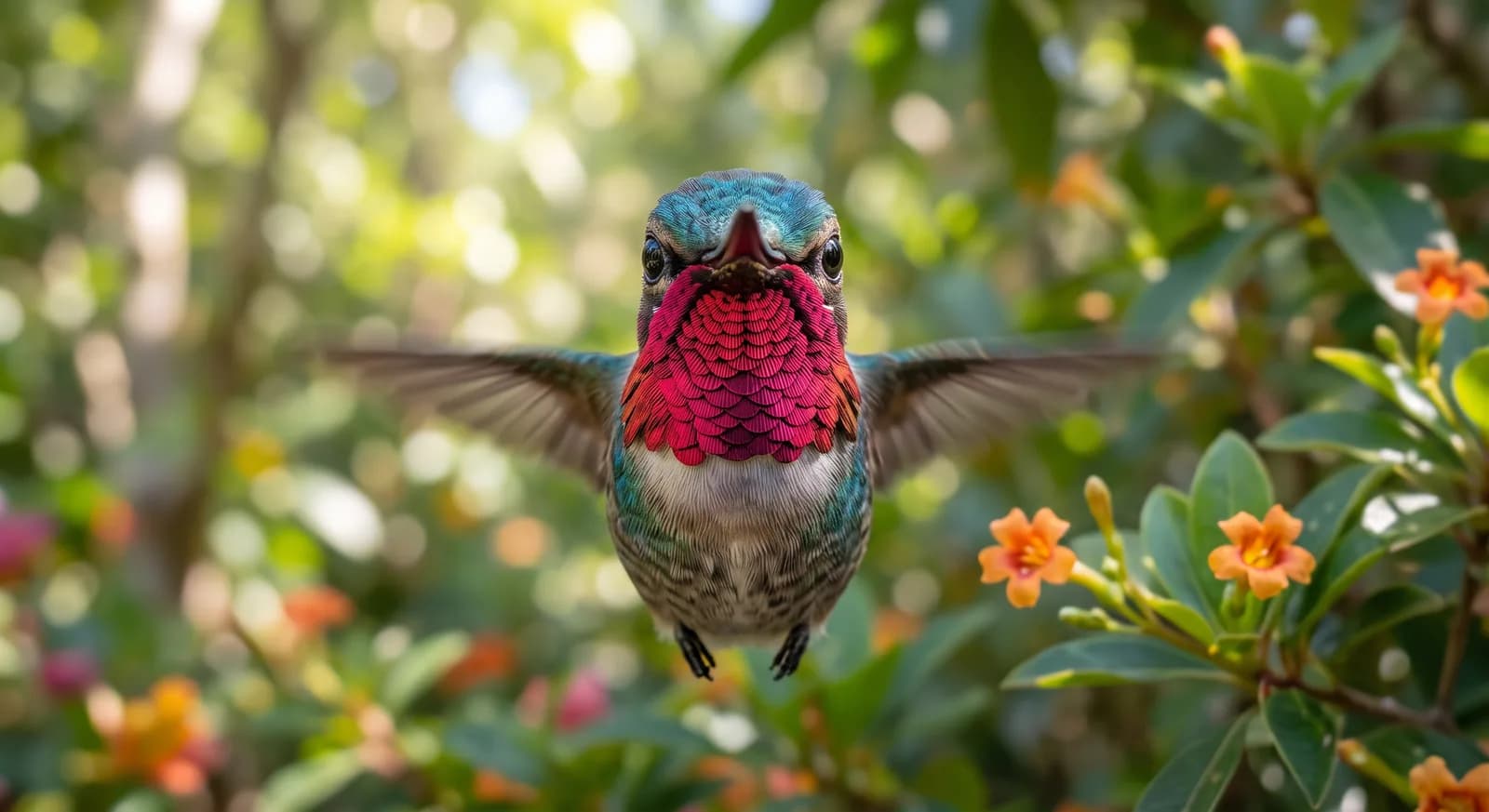 Near Threatened
Bee Hummingbird
Mellisuga helenae
Cuban Amazon
Amazona leucocephala
How to help
The fernandina's flicker is classified as vulnerable. Organizations such as UICN, WWF y Wildlife Conservation Society work specifically on its conservation and that of its habitat; looking into their programs is a good starting point if you want to get involved.
It's documented in 1 real protected area — part of why protecting these places matters for its conservation.
Keep exploring
Based on what we already know about fernandina's flicker.
Comments
Share an experience, a fun fact or a tip for seeing the fernandina's flicker.
Be the first to comment.