One of the 3 skinks on WAnimals
Reptiles · Squamata · Scincidae
Noronha Skink
Trachylepis atlantica
The species is abundant and widely distributed; it faces no significant short-term risk. See full glossary
The Noronha skink is a skink of the family Scincidae. It is endemic to the island of Fernando de Noronha, in north-eastern Brazil. It is covered in pale and dark blotches on its upperparts and usually measures around 7 to 10 cm long. Its tail is very muscular, although it breaks off easily. It is very common everywhere on Fernando de Noronha. It is an opportunistic predator that eats insects and plant material, including nectar from the tree Erythrina velutina, as well as all kinds of other things, from biscuit crumbs to eggs of its own species.
Size
8 cm – 11 cm
Lifespan
6 years
Diet
Omnivore
Combines animal and plant food depending on availability.
Activity
Diurnal
Active mainly during the day.
Social structure
Colony
Lives in large concentrations, often for breeding reasons.
Sighting difficulty
Easy
Fun facts
- Its ancestors crossed the Atlantic: genetic analyses indicate that the species descends from African skinks that reached the island on rafts of vegetation carried by the currents, a voyage of more than three thousand kilometres.
- It is extraordinarily tame and abundant on Fernando de Noronha, to the point of approaching visitors and restaurant tables, behaviour typical of island wildlife with no land predators.
- The cats and rats introduced to the archipelago are its main threat, along with the Argentine black and white tegu, also introduced to the island.
- It is endemic to Fernando de Noronha, a volcanic archipelago about 350 km off the coast of Brazil, and lives nowhere else.
- Its origin is a striking case of oceanic colonisation: its closest relatives are in Africa, and it is thought to have reached the island adrift on floating vegetation across the Atlantic.
- It eats everything: insects, nectar, fruit and even scraps of human food, and it has been observed licking nectar from flowers, acting as a pollinator.
- It is abundant and confiding, and approaches people in search of food, which makes it highly visible to visitors to the island.
- Its main threat is the species introduced to the archipelago, above all cats, rats and the tegu, an introduced lizard that preys on it.
Life cycle & biology
- Skeleton type
- Vertebrate - internal bony skeleton (reptile)
- Habitat & environment
- Forest, scrub and rocky areas of the Fernando de Noronha archipelago, in Brazil
- Sexual maturity
- 12 months
- Gestation / incubation
- 3 months of gestation
- Litter / clutch size
- 4 live young
Sources consulted: https://es.wikipedia.org/wiki/Trachylepis_atlantica
Where to watch it
Parks and dive sites where this species has been documented.
Related species
Other species in the catalogue with the most in common with Noronha Skink — same habitat, park, country, tags or family.
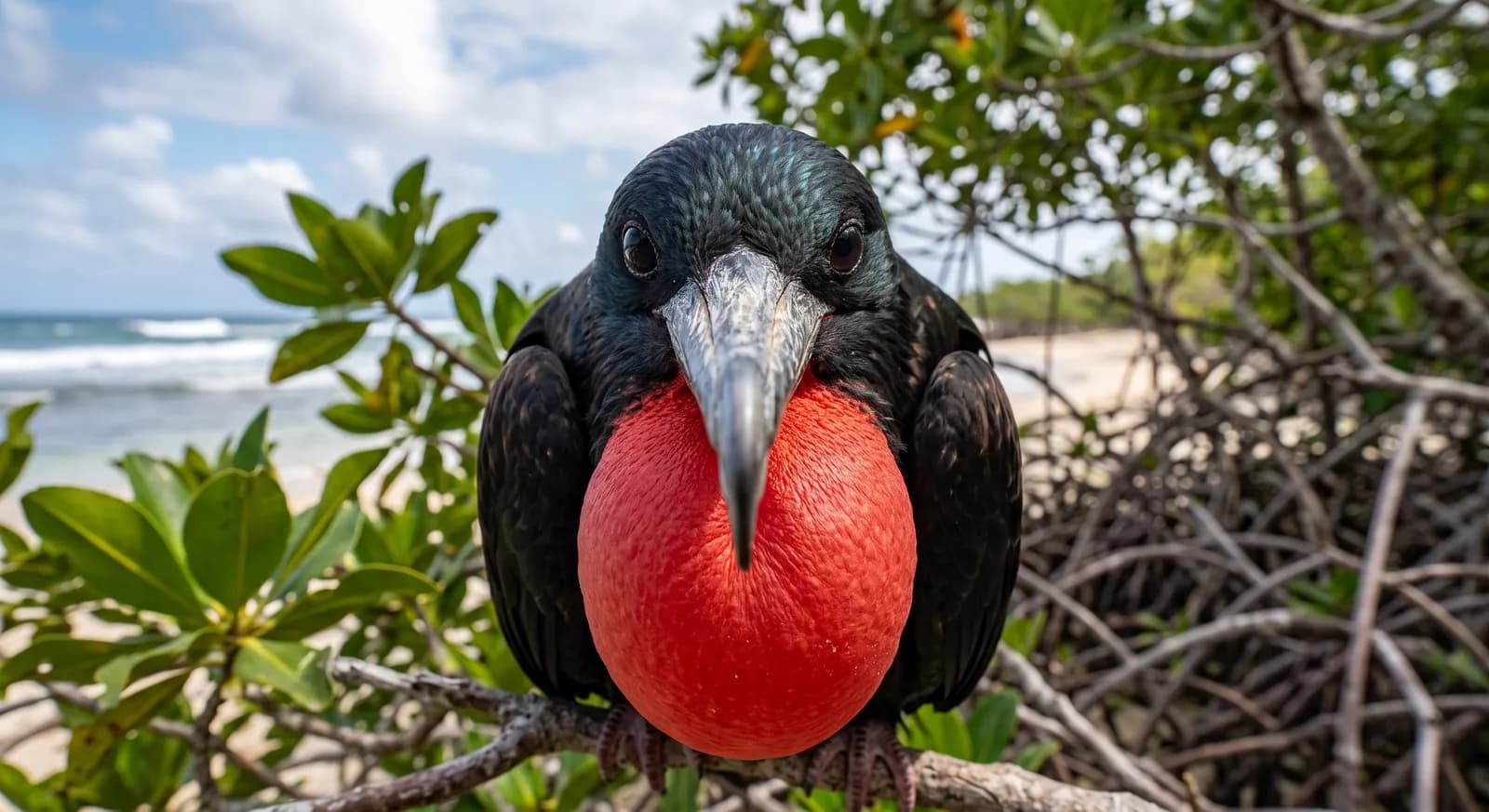 Least Concern
Magnificent Frigatebird
Fregata magnificens
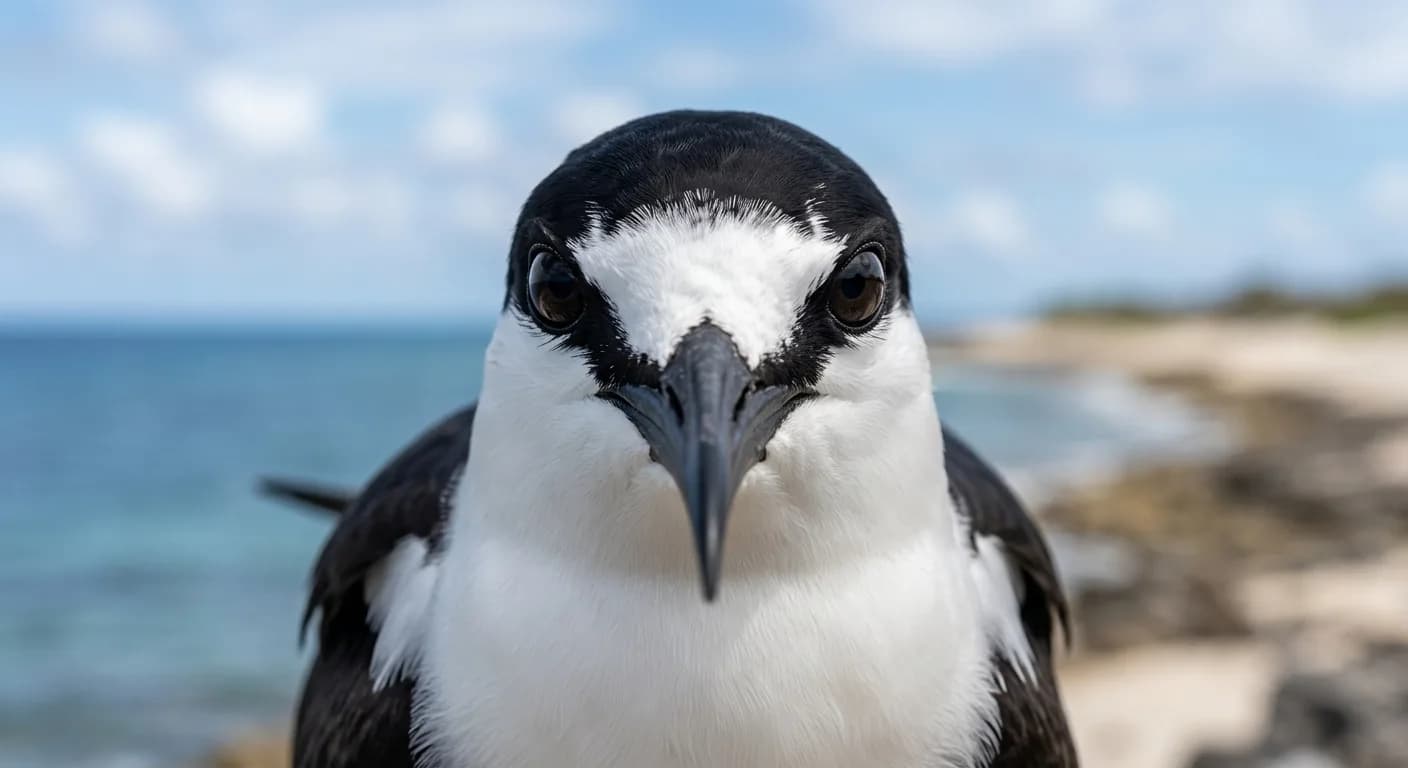 Least Concern
Sooty Tern
Onychoprion fuscatus
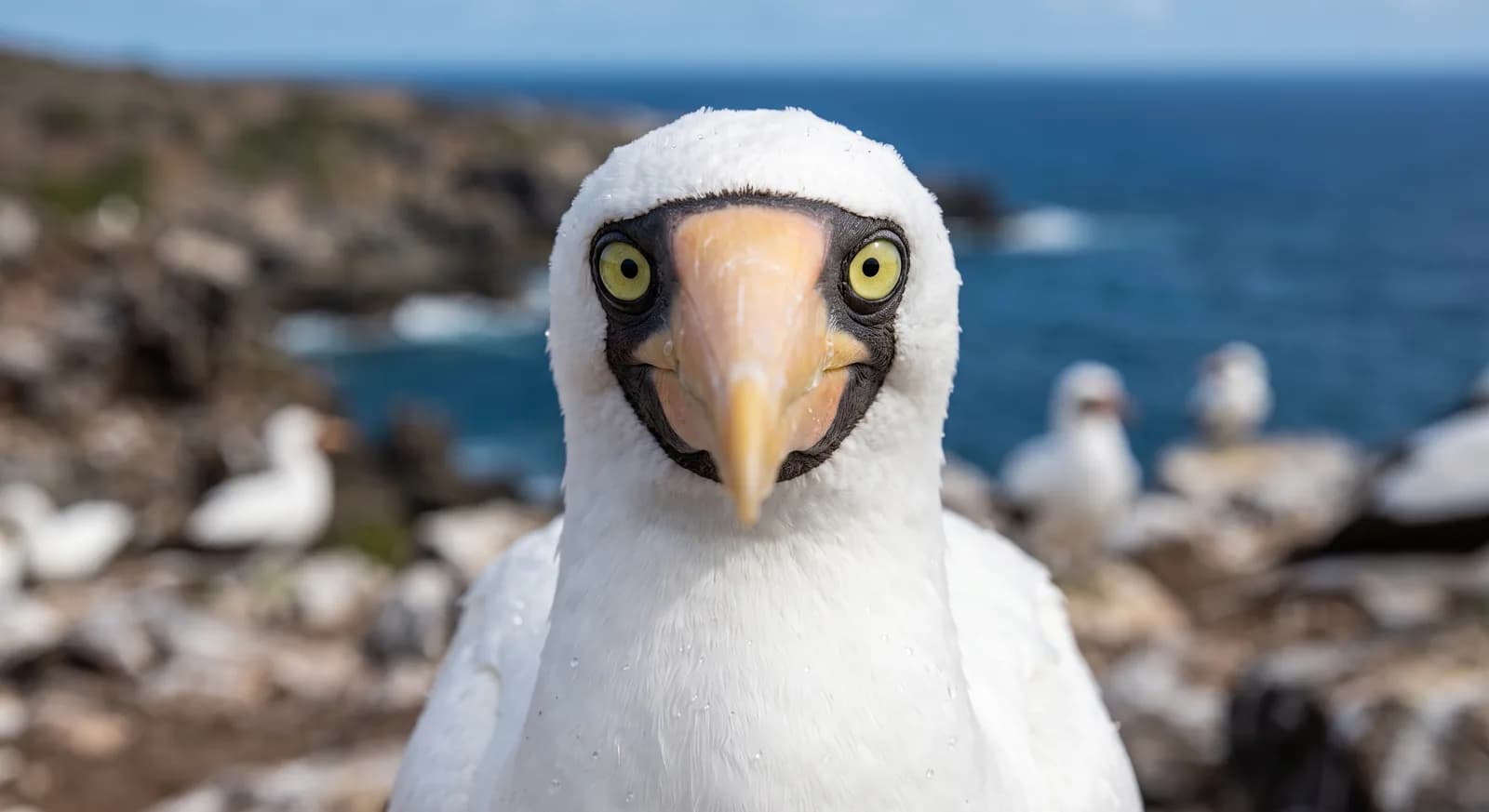 Least Concern
Masked Booby
Sula dactylatra
Red-footed Booby
Sula sula
Brown Noddy
Anous stolidus
Skipjack
Katsuwonus pelamis
Keep exploring
Based on what we already know about noronha skink.
Comments
Share an experience, a fun fact or a tip for seeing the noronha skink.
Be the first to comment.