One of the 15 lizards on WAnimals
Reptiles · Squamata · Liolaemidae
Patagonia Mountain Lizard
Phymaturus patagonicus
The species is abundant and widely distributed; it faces no significant short-term risk. See full glossary
The Patagonia mountain lizard is a liolaemid with a flattened body and a spiny tail that lives in the cracks of the basalt outcrops of the Patagonian steppe. It is herbivorous, which is uncommon among small lizards, and viviparous. Its reproduction is extraordinarily slow: the females breed only every two or three years and give birth to one or two young.
Size
9 cm – 12 cm
Lifespan
15 years
Diet
Herbivore
Feeds mainly on plants.
Activity
Diurnal
Active mainly during the day.
Sighting difficulty
Easy
Fun facts
- It is an almost strict herbivore, which is exceptional in a lizard of less than twelve centimetres: most small lizards are insect-eaters because leaves demand a bulky digestive system.
- Its reproduction is among the slowest known in a lizard: the females breed every two or three years and give birth to one or two young, a rate more typical of a large mammal.
- It lives in family groups in the cracks of the rock, and several individuals share the same refuge for generations in a landscape where the outcrops are isolated islands of habitat.
Life cycle & biology
- Skeleton type
- Vertebrate - internal bony skeleton (reptile)
- Habitat & environment
- Rocky outcrops and basalt plateaus of the Argentine Patagonian steppe
- Sexual maturity
- 7 years
- Gestation / incubation
- 4 months of gestation
- Litter / clutch size
- 2
Sources consulted: https://en.wikipedia.org/wiki/Phymaturus_patagonicus
Where to watch it
Parks and dive sites where this species has been documented.
Related species
Other species in the catalogue with the most in common with Patagonia Mountain Lizard — same habitat, park, country, tags or family.
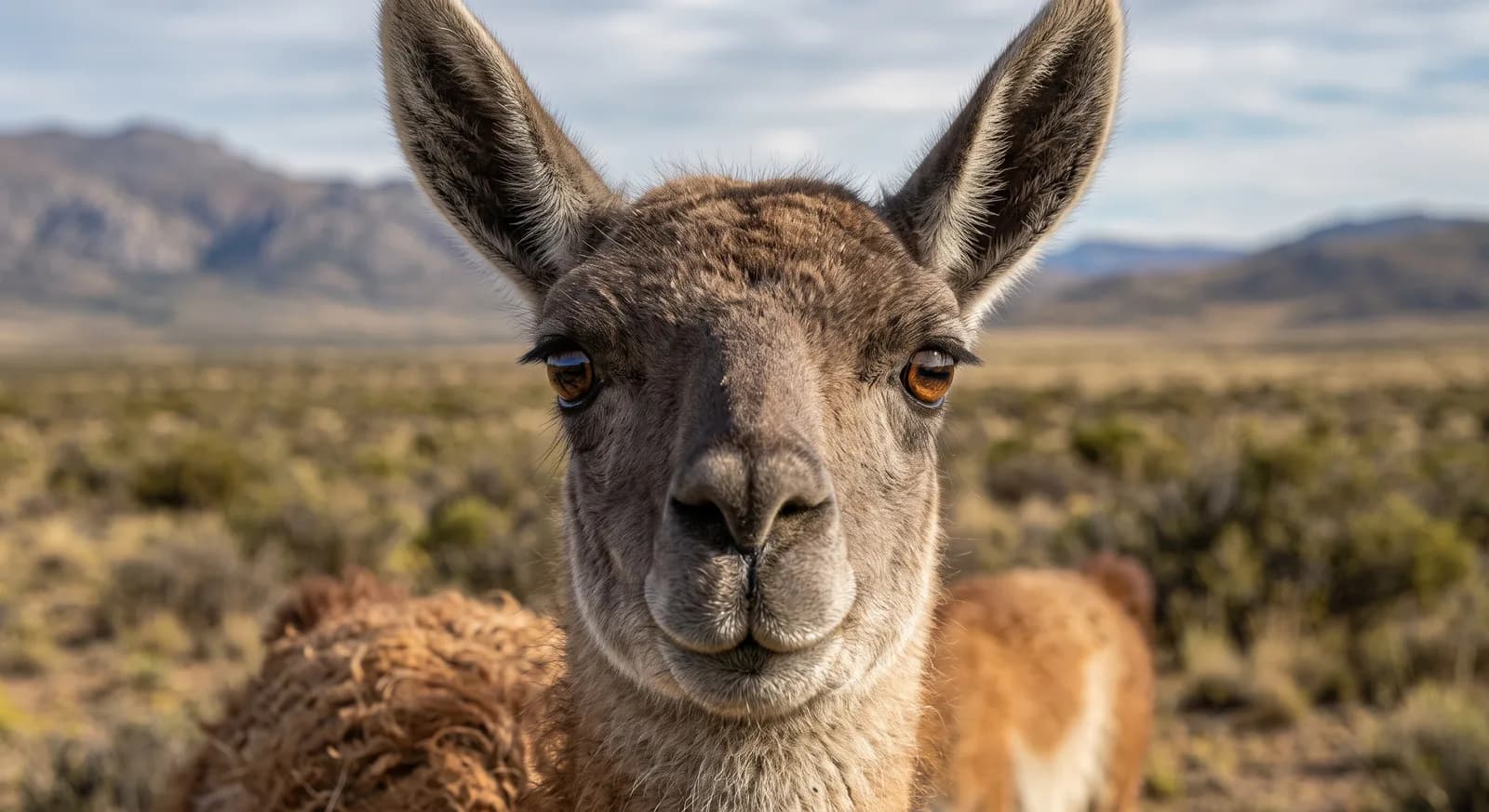 Least Concern
Guanaco
Lama guanicoe
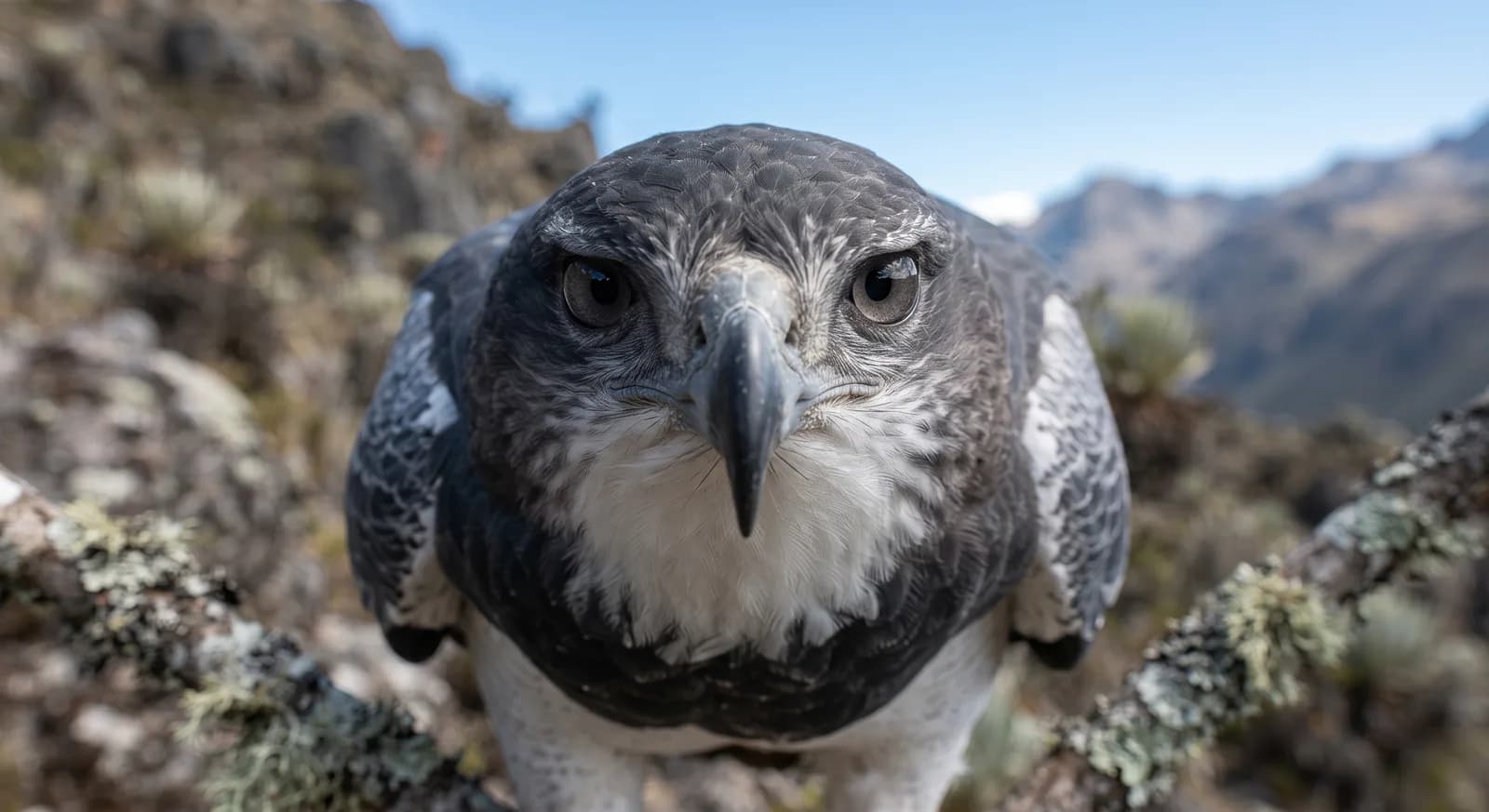
Burrowing Parrot
Cyanoliseus patagonus
 Near Threatened
Patagonian Mara
Dolichotis patagonum
Lesser Rhea
Rhea pennata
Elegant Crested Tinamou
Eudromia elegans
Keep exploring
Based on what we already know about patagonia mountain lizard.
Comments
Share an experience, a fun fact or a tip for seeing the patagonia mountain lizard.
Be the first to comment.